2026 Best Smart EV Charging Solutions and How They Work?

Time:2026-06-25 Author:Oliver
0%

As electric vehicles (EVs) continue to shape the future of transportation, smart EV charging emerges as a critical component. "What is smart EV charging and how does it work?" experts like Dr. Emily Tran, a renowned energy technology analyst, address this question with clarity. She states, "Smart charging technologies optimize energy use, making electric vehicle charging more efficient and user-friendly."

Smart EV charging not only enhances the experience of EV owners but also supports the power grid. Charging stations equipped with smart technology can communicate with the grid to draw energy during off-peak hours. This reduces costs and minimizes stress on the electricity network. Smart chargers often integrate with renewable energy sources, promoting environmental sustainability.

However, the path to widespread adoption faces challenges. Many consumers are uncertain about the technology. There is also the need for more public charging infrastructure. Despite these hurdles, the potential benefits of smart EV charging are substantial. As we delve deeper into the best solutions for 2026, we must reflect on these complexities. How can we make smart charging accessible for all? This question remains critical as the industry evolves.
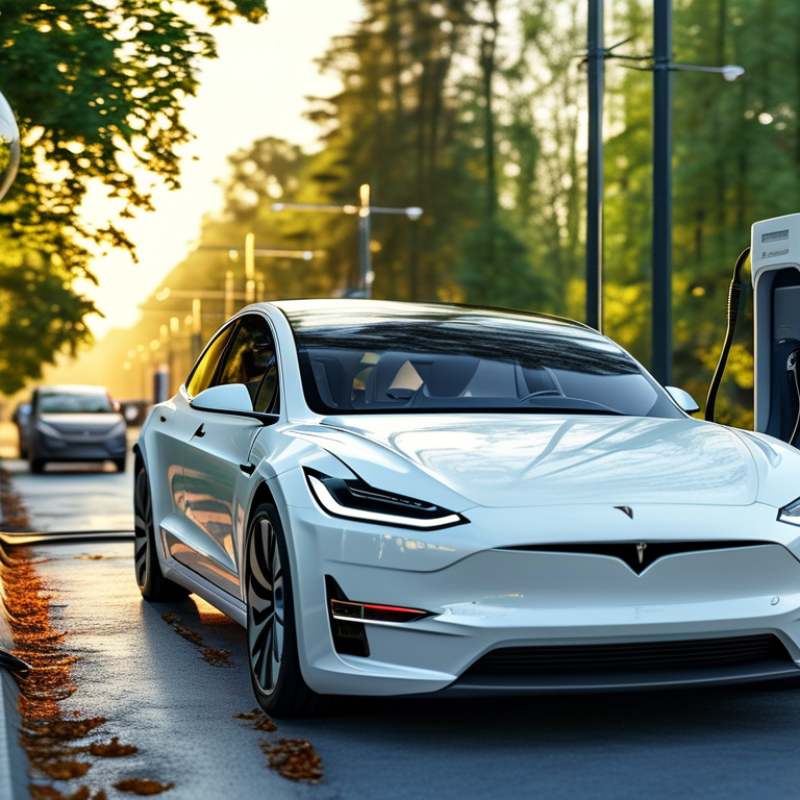
2026 Best Smart EV Charging Solutions and How They Work?

The Evolution of Smart EV Charging Solutions

The evolution of smart EV charging solutions reflects a significant technological shift. Originally, charging stations were basic and inefficient, offering limited options. Today, we see solutions that integrate intelligent software, enabling features like scheduling and remote monitoring. This transformation enhances user experience and optimizes energy consumption.

Smart charging solutions harness real-time data. They analyze traffic patterns, grid demand, and electricity prices. This means charging can take place during off-peak hours, making it cost-effective. However, challenges still exist. Compatibility between different charging protocols can create confusion. Moreover, cybersecurity concerns remain a pressing issue as more devices connect to the internet.

As electric vehicle adoption grows, the need for efficient charging networks is crucial. The focus on sustainability must guide the next steps in this evolution. More innovation is needed to address existing limitations and make charging universally accessible. Certain aspects of smart charging solutions are still in the trial phase, leaving room for improvement. Balancing convenience with safety will be key moving forward.

2026 Best Smart EV Charging Solutions and How They Work

Charging Solution Power Output (kW) Charging Time (Hours) Connectivity Features Smart Capabilities
Home Level 2 Charger 11-22 4-8 WiFi, Bluetooth Schedule charging, Energy monitoring
Public DC Fast Charger 50-350 0.5-2 4G, NFC Payment integration, Real-time status updates
Workplace Charging Station 22-50 2-4 WiFi, Ethernet User access control, Reporting analytics
Portable EV Charger 3-7 6-10 USB, Bluetooth Battery management, App connectivity
Smart Charging Hub 100-200 1-3 WiFi, Cloud integration Load balancing, User profiles

Key Features of Smart EV Charging Systems

Smart EV charging systems are transforming the way we power electric vehicles. These systems incorporate advanced features that enhance user experience and energy efficiency. One key feature is real-time monitoring. This allows users to track energy consumption and charging status via mobile apps. Data from the International Energy Agency indicates that smart charging could reduce grid strain by up to 30%, improving overall energy distribution.

Another notable aspect is demand response. Smart EV chargers can adjust charging times based on grid demand. This not only saves costs but also supports renewable energy integration. According to a recent study, 70% of EV owners prefer chargers that can optimize based on electricity rates. This feature enhances the reliability and responsiveness of the power supply. Yet, the technology does require proper setup and sometimes coordination with local utilities, which can be tricky.

Tips: Always check your utility provider’s programs for incentives on smart charging. Utilizing off-peak hours not only saves you money but also contributes to a more balanced grid. Make sure to stay updated on software updates for your charging system. This ensures you benefit from the latest features and improvements. Regular maintenance can help prevent potential issues, ensuring consistent performance.

How Smart EV Chargers Enhance User Experience

Smart EV chargers are revolutionizing how users experience electric vehicle charging. According to a report by the International Energy Agency, the global EV market is projected to grow significantly, with smart charging solutions playing a crucial role. These chargers provide real-time data and insights, enhancing user control over charging sessions. Users can monitor energy consumption and costs, allowing for more informed decisions.

Customizable charging schedules are another key feature. Users can set charging times to align with off-peak electricity rates, potentially saving money. Additionally, many smart chargers offer notifications and alerts via mobile apps. However, there are challenges, such as compatibility issues with older EV models. Users may find that not all smart features work seamlessly with their vehicles.

User experience can be further enhanced through integrated payment systems. This allows for easy billing and reduces the hassle of multiple accounts. Yet, the dependence on stable internet connectivity can pose limitations. Many users worry about interruptions, particularly in rural areas. These considerations highlight the ongoing need for improvement in smart EV charging technology. This evolution ensures that both user convenience and infrastructure support continue to grow side by side.

The Role of Renewable Energy in Smart EV Charging

Renewable energy plays a crucial role in smart EV charging solutions. According to a report by the International Energy Agency, up to 80% of EV charging could be powered by renewable sources by 2030. This statistic highlights the potential for cleaner charging options, directly impacting carbon emissions. The integration of solar and wind energy into charging stations can significantly reduce the reliance on fossil fuels.

Smart charging systems can manage energy consumption effectively. By using algorithms, these systems optimize charging times based on energy availability. For instance, charging during peak sunlight hours ensures that solar power is maximized. A study from the U.S. Department of Energy found that incorporating renewable energy into EV charging can decrease operating costs by 15-20%. This shows how financial benefits align with environmental responsibility.

Despite these advantages, challenges remain. The variability of renewable energy sources can pose reliability issues. Charging stations may experience supply shortages during cloudy days or low wind periods. Addressing this requires innovative energy storage solutions. Battery systems that store excess renewable energy can provide necessary backup. As we advance, finding a balance between sustainability and reliability will be essential.

2026 Best Smart EV Charging Solutions and Their Efficiency

This chart illustrates the charging efficiency of various smart EV charging solutions in 2026. The data indicates that solar-powered charging solutions offer the highest efficiency, while wireless charging lags behind. Understanding these efficiencies can help consumers make informed decisions about their charging options.

Future Trends in Smart EV Charging Technologies

The future of smart EV charging technologies is rapidly evolving. According to a report by the International Energy Agency, the global EV market could reach 145 million vehicles by 2030. This growth will drive innovations in charging solutions. Smart chargers will not only increase efficiency but also integrate with renewable energy sources. This connection plays a crucial role in reducing carbon footprints.

Another trend is the rise of vehicle-to-grid (V2G) technology. This allows EVs to send power back to the grid during peak demand. A study from BloombergNEF indicates that V2G could provide up to 600 terawatt-hours of energy by 2040. This interplay between EVs and the grid can stabilize energy supply, but it raises questions about long-term battery health.

Integration with smart home systems is also on the rise. Smart chargers will communicate with home energy management systems to optimize charging times. This feature could reduce energy costs significantly. However, consumers may struggle with understanding and managing these advanced systems. Ensuring user-friendly interfaces is a vital challenge that the industry needs to tackle.

FAQS

: How do smart EV chargers benefit users?

: Smart EV chargers provide real-time data, allowing users to monitor energy consumption and costs for informed decisions.

Can users customize their charging schedules?

Yes, users can set charging times to align with off-peak electricity rates, which may save them money.

Are there challenges with smart EV chargers?

Yes, compatibility issues with older EV models can affect the seamless use of smart features.

How are payments handled with smart charging systems?

Integrated payment systems allow for easy billing, reducing the hassle of managing multiple accounts.

What impact does renewable energy have on EV charging?

Renewable energy can power up to 80% of EV charging by 2030, significantly affecting carbon emissions.

What challenges do renewable energy sources face?

Variability in renewable energy can lead to reliability issues, especially during cloudy days or low wind periods.

What is vehicle-to-grid (V2G) technology?

V2G technology allows EVs to send power back to the grid during peak demand, stabilizing energy supply.

How might smart chargers communicate with home systems?

Smart chargers may integrate with home energy management systems to optimize charging times and reduce costs.

What concerns exist regarding advanced smart charging systems?

Users may struggle to understand and manage these systems, highlighting the need for user-friendly interfaces.

What future challenges do smart EV charging technologies face?

Finding a balance between sustainability and reliability in charging infrastructure will be essential moving forward.

Conclusion

Smart EV charging solutions have evolved significantly, offering enhanced efficiency and user convenience in electric vehicle charging. At its core, "what is smart EV charging and how does it work" involves integrating advanced technology to enable optimal charging processes. Key features include real-time monitoring, user-friendly interfaces, and compatibility with renewable energy sources, which collectively enhance the user experience by providing flexibility and reducing costs.

Furthermore, the role of renewable energy in smart EV charging cannot be overstated, as it contributes to sustainable charging practices and reduces carbon footprints. Looking ahead, future trends in smart EV charging technologies suggest a growing emphasis on artificial intelligence and machine learning, promising even smarter, more adaptive systems that cater to individual user needs while promoting greener energy usage. Overall, the progression of smart EV charging is set to redefine how we approach electric vehicle infrastructure in the coming years.

Oliver

Oliver

Oliver is a seasoned marketing professional with a wealth of expertise in driving brand awareness and engagement. With a deep understanding of our company's product offerings, he consistently delivers high-quality content that enriches our professional blog. His insights not only shed light on......