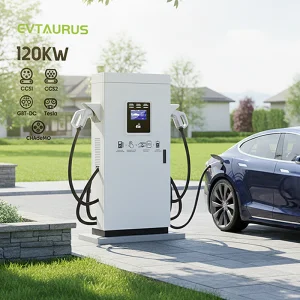
 2026 New CCS2 Gbt IP54 Ocpp 80kw 120kw 160kw DC Fast Best Commercial EV Charging Stations
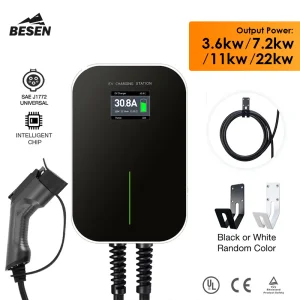 EV Charging Station 32A (22kw) with 20FT IEC 62196 Cable & NEMA 14-50 Plug
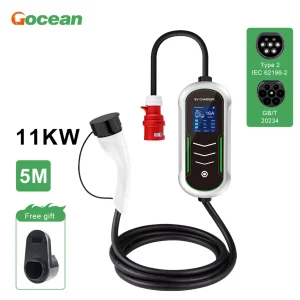 C2PRO Type 2 AC EV Charging Station 11kw 240V
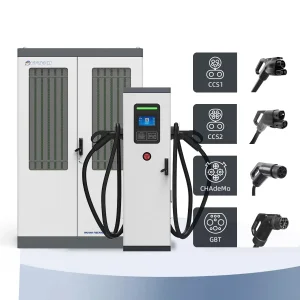 High-Power 240kw to 6000kw Commercial EV Charging Station
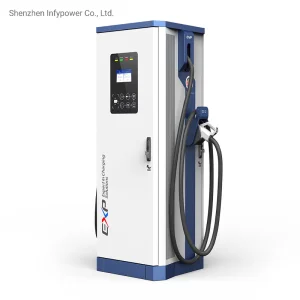 Infypower 60kw 90kw 120kw 150kw EV Charging Station for Electric Bus, Truck
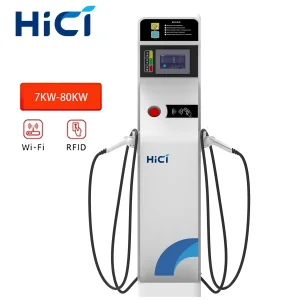 High-Power 43kw 86kw Gbt off-Grid EV Charging Station
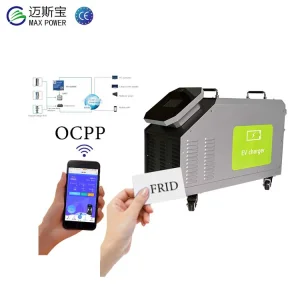 Factory Direct Sale CCS DC 40kw Charger Electrical Vehicle Ocpp Portable EV Charging Station
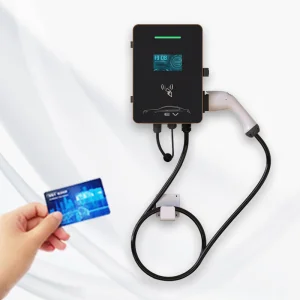
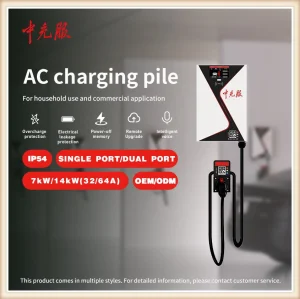 AC Station 7kw/14kw Single/Dual Gun Type 1 Type 2 Fast Charging for Evs with Strong Build and Clear Interface for Reliable Daily Use with CE
The global transition toward electric vehicles (EVs) has reached an unprecedented tipping point. As governments worldwide implement aggressive carbon neutrality targets, the demand for robust, scalable, and efficient EV charging stations has shifted from a luxury to a critical industrial necessity. From the bustling corridors of Europe to the rapidly developing urban centers in North America and Southeast Asia, the infrastructure gap remains the primary challenge for the automotive industry.
Major manufacturers and factories are now focusing on high-speed DC charging (Level 3) to mimic the convenience of traditional refueling. For businesses and commercial entities, providing EV charging is no longer just about sustainability; it is about future-proofing real estate, enhancing employee satisfaction, and tapping into a new revenue stream through public charging networks.
The push for 350kW+ charging speeds to reduce wait times to under 15 minutes, essential for highway corridors and heavy-duty logistics.
Vehicle-to-Grid (V2G) technology allows EVs to act as mobile batteries, balancing grid demand during peak hours.
Cloud-based OCPP software utilizes AI to predict maintenance needs and optimize energy consumption for large fleets.
For global enterprises, the procurement of EV charging stations involves complex requirements beyond simple hardware. Companies look for interoperability, meaning chargers must support global standards like CCS1, CCS2, CHAdeMO, and GB/T. Furthermore, local compliance certificates (CE, TUV, UL, RoHS) are non-negotiable for entering specific markets.
As the world's largest producer and consumer of electric vehicles, China has built an unrivaled ecosystem for EV charging technology. Our factory in Hangzhou leverages this supply chain to offer advantages that Western manufacturers often cannot match:
Lower R&D and production costs through massive economies of scale, passed directly to our global clients.
Our in-house engineers can customize OEM/ODM designs in weeks rather than months.
All products undergo rigorous "aging tests," extreme temperature cycling, and humidity testing to ensure 99.9% uptime.
Hangzhou Zap Charger Co., Ltd. is a professional EV charging solutions manufacturer specializing in high-performance connectors, cables, and smart charging systems for the global electric mobility market. Based in Hangzhou, the company benefits from a strong technology ecosystem and advanced manufacturing capabilities, enabling efficient production and continuous innovation.
 Zap Charger
