Electric vehicles (EVs) are revolutionizing transportation. As the demand for EVs grows, so does the need for reliable charging infrastructure. However, many users overlook how to extend the lifespan of EV charging equipment. This neglect can lead to costly repairs and replacements, impacting both the environment and your finances.
Proper maintenance is key. Simple practices can significantly enhance the life of charging stations. For instance, keeping connectors clean and checking for wear can prevent early failures. Regular inspections can identify issues before they become major problems. Additionally, investing in quality equipment pays off in the long run.
Understanding the factors that affect charging equipment's durability is crucial. Environmental conditions, such as temperature and humidity, can play a major role. Users often underestimate the importance of these factors. By prioritizing care and maintenance, you can ensure your EV charging stations remain functional for years. Adopting these best practices not only saves money but also contributes to a sustainable future.
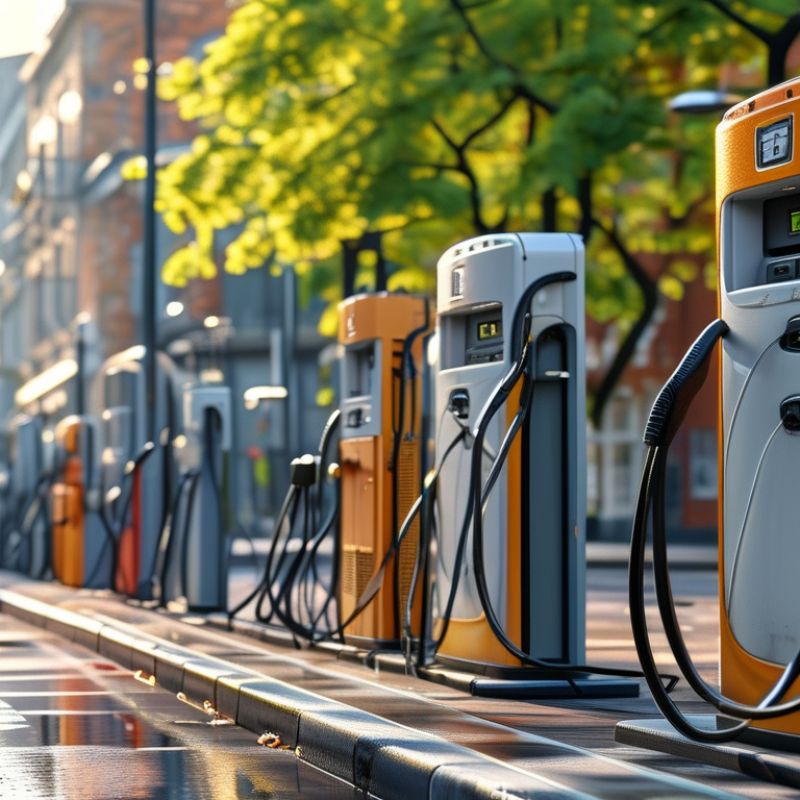
Regular maintenance is crucial for extending the lifespan of EV charging equipment. According to a recent industry report, well-maintained charging stations can last up to 25% longer than those that are neglected. This is significant when considering the increasing number of electric vehicles on the road. Regular inspections can help identify wear and tear early. Checking connections and ensuring proper electrical grounding can prevent more severe issues.
Cleaning charging ports and connectors should be part of the routine maintenance schedule. Dust and debris can interfere with connectivity. The American Society of Testing and Materials suggests that cleanliness can significantly enhance operational efficiency. Regular updates to software are also key. Keeping the firmware updated can improve system reliability and security.
Monitoring usage and performance data is vital. Some studies indicate that poorly maintained stations experience higher failure rates. Tracking these metrics often leads to insights that drive better maintenance strategies. Implementing a proactive approach to monitoring can make a difference. Reflecting on past issues helps improve current practices. The focus should remain on consistent upkeep to ensure safety and reliability.
Protecting EV charging stations from physical damage is crucial for their longevity. One effective strategy is to install protective barriers around the charging units. These can prevent accidental collisions from vehicles, which is a common source of damage. Additionally, consider placing signage to alert drivers of the charging station's location. Clear visibility helps reduce the risk of such accidents.
Another important aspect is regular maintenance. Inspect the charging equipment for any wear or tear. Look for loose cables or damaged components. Address these issues promptly to avoid further damage. Cleaning the charging station helps prevent debris build-up, which can obstruct the equipment. This simple step can make a significant difference in its lifespan.
Consider the location of the charging stations. Avoid placing them in high-traffic areas where damage is more likely to occur. Ensure they are in well-lit areas to deter vandalism. It's essential to assess environmental factors as well. Harsh weather can affect equipment durability, so weather-resistant housing may be necessary. Taking these considerations into account can lead to improved protection for charging stations.
Optimal electrical connections are crucial in enhancing the lifespan of EV charging infrastructure. High-quality connections minimize resistance, leading to more efficient energy transfer. Research shows that proper connections can increase lifespan by up to 30%. Regular inspections are essential. They help identify wear and tear that may not be visible at first glance.
Moreover, ensuring tight connections can prevent overheating. Loose connections can create hotspots, leading to equipment failure. A study by the Electric Power Research Institute indicates that consistent maintenance can reduce operational costs by 22%. Anomalies in connections increase energy loss, which escalates expenses.
Additionally, educating users on proper usage is vital. Misuse can lead to mechanical stress on connectors. Providing straightforward guidelines can help mitigate this risk. Regular training programs can keep users informed about best practices. Investing in ongoing education pays off in the long run through reduced downtime and repair needs.
Software updates play a crucial role in extending the lifespan of EV charging equipment. Regular updates can fix bugs, improve performance, and enhance security features. These updates ensure that the equipment operates efficiently and protects users from potential threats. Security is paramount in a world reliant on technology, and outdated software can lead to vulnerabilities. Moreover, not all users prioritize these updates. This can result in inconsistent performance and diminished reliability over time.
Proper maintenance of software can drastically reduce wear and tear on charging stations. For instance, a station running outdated software might struggle to communicate effectively with EVs. Such inefficiencies can lead to longer charging times or even errors in power distribution. It’s clear that active management of software components is essential. Ignoring updates may seem like a minor decision, but it can have significant repercussions on usability and safety.
However, pushback against frequent updates is common. Some users may find the update process inconvenient. This resistance can compromise the equipment’s overall effectiveness. Understanding the importance of these updates requires a shift in mindset. Users need to balance their convenience against long-term performance and security. In doing so, they can significantly enhance the longevity of EV charging equipment.
Monitoring and managing charging station usage patterns is crucial for extending the lifespan of EV charging equipment. Understanding how often and when charging stations are used allows for better maintenance scheduling. For instance, keep an eye on peak usage times. This can help in planning upgrades and preventing wear.
Regularly check energy consumption data. It provides a clear picture of how the equipment performs over time. If there are sudden spikes in energy use, it may indicate a problem. Addressing these issues early can save costs later. Create a maintenance log to track repairs and upgrades. This can help identify trends and patterns.
Tip: Engage users to report any issues they encounter. Their feedback can pinpoint problems that data alone may not reveal. Ensure proper signage at stations to guide users effectively. Misuse can lead to increased wear. Communication is key to proper usage.
In conclusion, being proactive with monitoring can enhance the longevity of the charging equipment. Regular assessments and user engagement create a more reliable system. These practices may seem minor, but they can have a significant impact over time.
| Method | Description | Frequency of Monitoring | Expected Lifespan Extension |
|---|---|---|---|
| Regular Inspections | Conduct routine checks for wear and tear. | Monthly | 1-2 years |
| Software Updates | Keep firmware and software up-to-date for optimal performance. | Quarterly | 1 year |
| Cooling System Maintenance | Ensure cooling systems are functioning properly. | Biannually | 2 years |
| User Education | Educate users on proper usage to minimize strain on equipment. | Throughout the year | Up to 3 years |
| Routine Cleaning | Perform regular cleaning to prevent debris buildup. | Monthly | 1-2 years |
| Surge Protection | Install surge protection devices to shield from power spikes. | As needed | Indefinite |
| Load Management | Optimize energy load to reduce peak demand on systems. | Continuous | 2-4 years |
| Installation Environment | Ensure charging stations are installed in suitable environments. | Initial Setup | 5+ years |
| Battery Management Systems | Use intelligent battery management to prolong battery life. | Ongoing | 3-5 years |
: Regular maintenance can extend the lifespan of charging equipment by up to 25%. Neglected stations may fail earlier.
Dust and debris can hinder connectivity. Regular cleaning improves operational efficiency significantly, according to industry standards.
Keeping firmware updated enhances reliability and security. It prevents possible malfunction and improves overall performance.
Tracking performance data identifies issues early. It leads to better maintenance strategies, reducing failure rates of the stations.
Regular inspections of connections are essential. Tight connections minimize resistance and can increase the lifespan by 30%.
Loose connections can cause overheating and create hotspots. This often leads to equipment failure and increased operational costs.
Educating users on proper usage minimizes mechanical stress. Clear guidelines help reduce wear on connectors and improve longevity.
Inspections, cleaning of ports, and checking electrical grounding should be part of routine maintenance for effectiveness.
Reflecting on past maintenance problems helps identify trends. This can enhance strategies for consistent upkeep and reliability.
A proactive approach to monitoring can spot potential failures early, ensuring user safety and reducing downtime.
To understand how to extend the lifespan of EV charging equipment, it is essential to implement best practices for regular maintenance. Routine inspections and timely repairs can prevent minor issues from escalating into more significant problems. Furthermore, protecting charging stations from physical damage through strategic placement and protective barriers can enhance their durability.
Optimizing electrical connections is another critical factor; ensuring that all components are securely connected minimizes energy loss and reduces wear and tear. Regular software updates are equally important, as they can improve performance and introduce new features that aid in prolonging the equipment's life. Finally, monitoring and managing usage patterns allows for strategic planning to reduce wear caused by overuse. By adopting these strategies, stakeholders can effectively enhance the longevity of their EV charging infrastructure.

Zap Charger