As we look toward 2026, one crucial question arises: how fast can you charge an electric vehicle? Industry experts estimate that fast-charging technology will significantly evolve. According to a report by the International Energy Agency (IEA), the global electric vehicle (EV) market is projected to reach 145 million units by 2030. This surge necessitates faster charging solutions to enhance user experience and convenience.
Current fast chargers can provide up to 350 kW, allowing users to replenish an EV's battery to 80% in just 20-30 minutes. This rapid charging capability could become standard in the coming years, as shown in the recent studies by Bloomberg New Energy Finance. However, charging times may vary based on battery technology and charging infrastructure.
Concerns remain about grid capacity and the efficiency of current technologies. Some experts argue that while advancements are promising, they may not meet the anticipated demand. Balancing growth, efficiency, and sustainability will be critical. Understanding how fast you can charge an electric vehicle is more than just a technical question; it's about shaping the future of mobility.
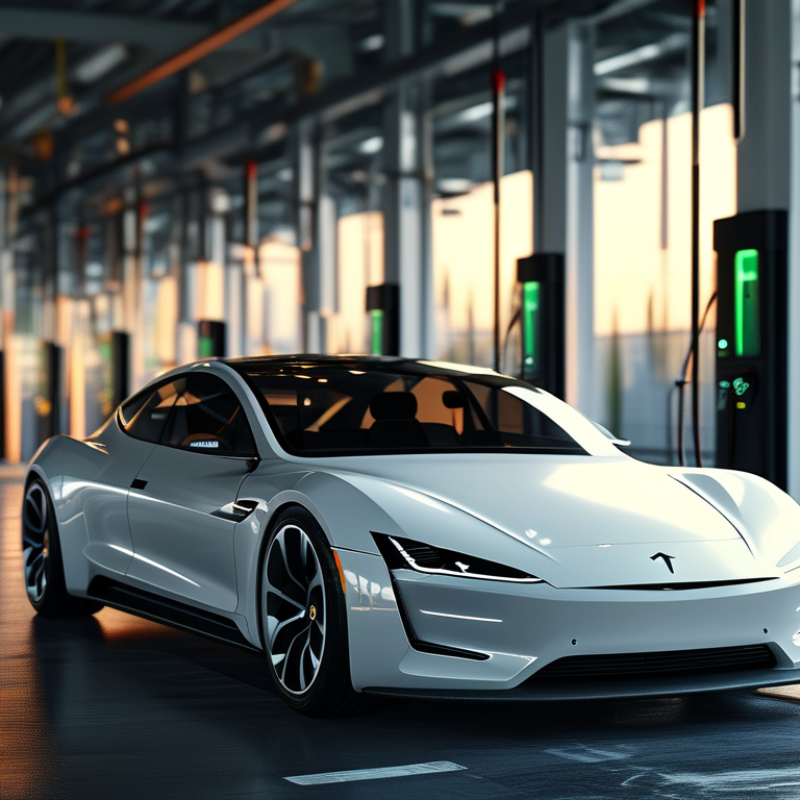
Advancements in EV Charging Technology by 2026
By 2026, electric vehicle (EV) charging technology is set to undergo significant advancements that will reshape the driving experience. Fast charging stations will become more widespread, aiming to minimize the downtime for drivers. Innovations in battery chemistry and charging infrastructure will enable faster energy transfer. New methods could even allow cars to charge at home in a fraction of the time currently needed. Imagine charging your EV during a quick coffee break.
Wireless charging is gaining traction. This technology could allow vehicles to charge while parked on specially designed pads. It means no more cumbersome cables and connectors. These pads might also be integrated into parking lots, enabling continuous charging. Nevertheless, significant challenges remain. Standardization of wireless technologies is crucial for widespread adoption. Also, the efficiency of energy transfer needs improvement to truly benefit consumers.
Public acceptance is another aspect to consider. As charging stations become a common sight, drivers might still worry about availability. Range anxiety persists, particularly for long trips. Addressing these concerns requires reliable infrastructure and clear information. Overall, the road ahead holds promise, but it demands thoughtful consideration of technology and user needs.
Types of Charging Stations and Their Impact on Charging Speed
In 2026, charging an electric vehicle (EV) will reflect the evolution of charging infrastructure. The types of charging stations available will significantly influence how quickly you can power up your vehicle. Level 1 chargers, which use a standard outlet, deliver approximately 3 to 5 miles of range per hour. This is suitable for overnight charging at home, but it is not practical for urgent needs.
Level 2 charging stations are more common. They can provide about 10 to 20 miles of range per hour, depending on the EV model. According to a recent report by the International Energy Agency, there will be an estimated 10 million public charging stations worldwide by 2026, with a considerable number being Level 2 stations. These stations serve as a bridge between home charging and rapid charging options.
Fast chargers, or DC fast chargers, represent the pinnacle of charging technology. They can deliver up to 80% charge in about 30 minutes. However, this technology isn’t universally available and often requires significant infrastructure investment. Reports show that as of 2023, DC fast chargers make up around 5% of total stations. As the charging landscape expands, accessibility remains a concern. Not every region will have sufficient fast-charging options by 2026, potentially hindering wider EV adoption.
How Fast Can You Charge an Electric Vehicle in 2026?
Factors Influencing Charging Speed for Electric Vehicles
Charging speed for electric vehicles (EVs) in 2026 will depend on several factors. Battery technology plays a critical role. Advances in solid-state batteries may allow faster charge times and greater longevity. However, these innovations are still in development. The transition to more efficient battery chemistry is essential but not guaranteed to arrive quickly.
Another important factor is the charging infrastructure itself. High-power charging stations are necessary for rapid charging. The availability of these stations can vary by region. Urban areas may have more options than rural locations. Additionally, the grid's capacity to handle increased demand is crucial. Many regions are upgrading their electrical systems, but progress can be slow.
Lastly, user behavior impacts charging speed. Some drivers prefer to charge overnight at home, which takes longer but is more convenient. The choice between fast charging and slower, more methodical options creates tension in the market. Consumer education on charging practices is vital. As the market evolves, the balance between convenience and efficiency will remain a topic of discussion.
Comparative Analysis of Charging Times Across Major EV Brands
The race to improve electric vehicle charging times is heating up. Major players in the EV market are investing heavily in fast-charging technologies. In 2026, charging times will vary significantly across brands. Some vehicles may recharge up to 80% in just 15 minutes. However, findings suggest inconsistent performance remains a real challenge.
Charging infrastructure is crucial for efficiency. Fast-charging stations must be strategically located to maximize convenience. Many manufacturers set ambitious charging targets, yet real-world usability can differ. Drivers often face longer wait times than expected. External conditions, such as temperature and battery health, also affect charging speed. These factors create potential disparities among brands.
An ideal charging experience should be seamless. User feedback reveals that frustration often arises during peak hours. Problems like overcrowded stations and power delivery issues need addressing. Companies must focus on enhancing reliability and accessibility. Prototypes are being developed to ensure faster, smoother experiences. Balancing speed with real-world usability remains an ongoing challenge for manufacturers.
Future Trends in Electric Vehicle Charging Infrastructure
The future of electric vehicle (EV) charging infrastructure holds fascinating possibilities. By 2026, advancements in battery technology and charging stations are expected to enable faster charging times. Imagine just a few minutes at a charging station, similar to refueling a gasoline car. This convenience could encourage more people to switch to electric vehicles, reducing our carbon footprint.
Charging stations will likely become more widespread. Urban areas will feature fast chargers, while highway rest stops will cater to long-distance travelers. However, this rapid rollout presents challenges. Not all areas will have equal access. Rural regions might lag behind, leading to a disparity in EV adoption rates.
Additionally, the interoperability of charging networks needs improvement. Drivers may face frustration when dealing with different charging connectors. Improving user experience is essential. Ultimately, infrastructure development should meet diverse community needs. This journey may be uneven, but it will shape our electric future profoundly.
FAQS
: By 2026, EV charging will see fast stations that reduce downtime and quicker home charging methods.
Wireless charging allows EVs to charge on special pads, eliminating the need for cables. This technology is still developing.
There are Level 1 chargers for home use and Level 2 stations for quicker charging. Fast chargers are the fastest.
Fast chargers can deliver about 80% charge in 30 minutes, but they aren't widely available yet.
Rural areas may lack sufficient charging infrastructure, creating disparities in EV adoption rates across regions.
Range anxiety is the fear of running out of charge before reaching a destination, impacting EV adoption.
Charging stations should feature standardized connectors and reliable information to ease driver frustration and uncertainties.
Faster charging times and widespread station availability could encourage more people to switch to EVs.
Conclusion
As we look ahead to 2026, the question of "how fast can you charge an electric vehicle" is set to become increasingly relevant. Advancements in EV charging technology promise to dramatically reduce charging times, enhancing the convenience for users. The development of various types of charging stations, including ultra-fast options, plays a crucial role in achieving efficient charging speeds.
Several factors influence charging speed, including the vehicle's battery capacity, the charger’s output, and environmental conditions. A comparative analysis reveals that different electric vehicles may offer varied charging efficiencies, influenced by their design and power management systems. Additionally, future trends in electric vehicle charging infrastructure suggest a strong push towards widespread installation of faster charging stations, further streamlining the charging experience for consumers and contributing to the growth of the electric vehicle market.

 Zap Charger