China’s electric vehicle market is expanding rapidly, making cable care a daily safety responsibility. The International Energy Agency’s Global EV Outlook 2024 reports that China held more than half of the world’s public charging points in 2023. That scale makes small maintenance failures harder to ignore.
So, how to maintain ev charging cables properly? Start with the details drivers often miss: cracked insulation, bent pins, loose connectors, water inside the plug, or darkened plastic near the contacts. A cable dragged across concrete can hide internal damage, even when its outer jacket looks acceptable. Never coil it tightly after charging. Let it cool, wipe away dust, and store it above wet floors.
“Treat charging equipment as safety infrastructure, not as an ordinary extension cord,” advises EV charging specialist Tom Moloughney. His warning is practical. Many users protect the vehicle but neglect the cable touching the ground.
China’s National Energy Administration reported more than eight million charging facilities nationwide by the end of 2023. More connectors mean more weather exposure, repeated bending, and workplace handling. The IEC 61851 charging system standard also reinforces the importance of controlled communication and protective functions between the vehicle and charger.
A good routine is not complicated. Inspect before every use. Keep connectors clean and dry. Avoid sharp bends. Stop using any cable that feels unusually hot, smells burnt, or causes interrupted charging.
Perfection is unrealistic. Consistency matters more.
This China-focused guide presents ten practical maintenance tips, while recognizing one uncomfortable truth: a neglected cable can become the weakest part of an otherwise intelligent EV system.
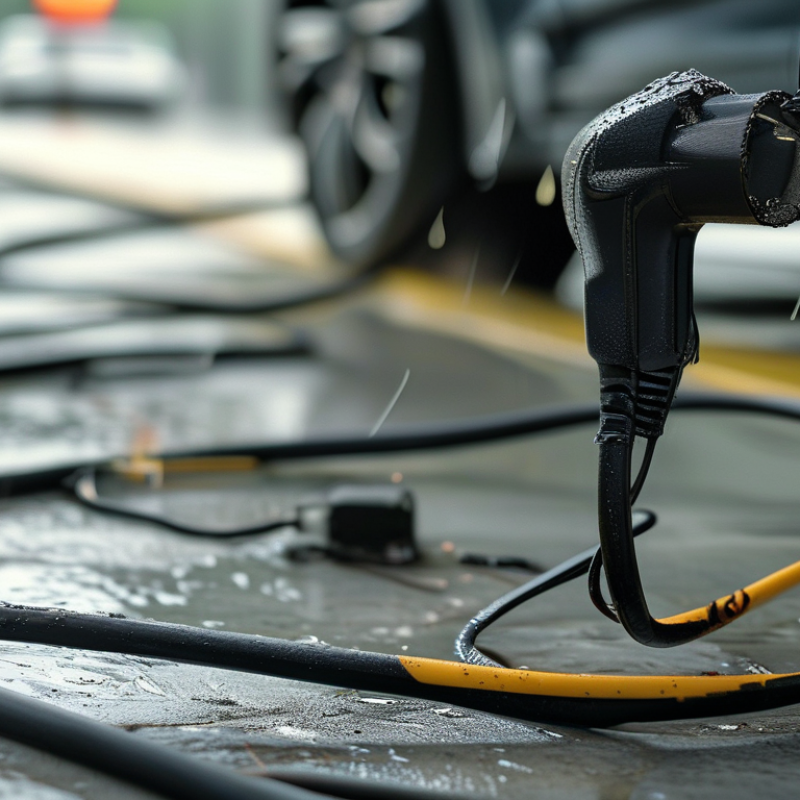
China Top 10 EV Charging Cable Maintenance Tips
Understanding EV Charging Cable Types and Maintenance Requirements
Electric vehicle charging cables differ by connector, power level, and cooling design. AC cables commonly use Type 1 or Type 2 connectors. DC fast-charging cables are thicker and may include liquid cooling. Each type has different heat, bending, and inspection requirements.
Before charging, check the cable jacket for cuts, swelling, or flattened sections. Examine the pins for discoloration, corrosion, or loose movement. Keep connectors dry and free from sand. A soft, clean cloth works better than harsh chemicals. Never force a connector into the vehicle inlet.
Small details matter.
Avoid tight loops, sharp bends, and heavy objects across the cable. Store it loosely, away from direct sunlight and standing water. Check the plug, strain relief, and locking mechanism regularly. If charging stops unexpectedly, unplug safely and inspect for unusual heat or burning smells. Do not continue using visibly damaged equipment.
In practical maintenance work, heat marks often appear before complete failure. That warning is easy to ignore. I have also seen clean-looking cables hide internal stress near the handle. This is why visual checks alone can be incomplete. Follow the cable’s rated current and the vehicle’s charging instructions. Do not modify connectors or attempt unqualified repairs. A maintenance record with inspection dates, faults, and storage conditions can reveal repeated problems. Sometimes, the overlooked habit is the real cause.
Routine maintenance begins with a close visual inspection of the charging cable. Disconnect power before touching it, then check the full length under good light. Look for flattened sections, cuts, swelling, exposed shielding, or discoloration from heat. Small changes matter. Pay attention to bends near the handle and vehicle inlet. These areas flex repeatedly. A cable can appear clean yet feel unusually soft or stiff. That change deserves attention. I have seen small jacket cracks widen after several cold-weather charging sessions. Do not ignore them.
Examine each connector for bent pins, looseness, corrosion, or dark marks around the contact area. The plug should seat firmly without force or excessive movement. Keep dirt and moisture away from the contacts, using only methods approved for electrical equipment. Never scrape the pins with metal tools. Check the connector seal as well. A torn seal may allow moisture inside, even when the exterior looks dry. If charging stops intermittently, record when it happens, such as during rain, heat, or cable movement. This detail helps a qualified technician identify the cause.
Inspect the vehicle-side inlet and wall-side plug for cracked housings, burn smells, unusual warmth, or loose connections. Stop immediately if these signs appear. Stop using damaged equipment until it is professionally assessed. Do not wrap a cable tightly for storage; sharp coils can stress internal conductors. Store it clean, dry, and off the ground. A simple inspection log can reveal repeated problems over time. Still, inspections are not flawless. Internal damage may remain hidden. When uncertain, replace guesswork with testing by a competent professional.
China’s climate can change quickly from humid coastal heat to dry northern dust. Clean the cable after outdoor charging, especially near construction sites or busy roads. Unplug it first. Wipe the jacket with a soft, slightly damp cloth. Use mild soap for oily marks, then dry it completely. Never soak the connector.
Check the plug, pins, and protective cap each week. Look for cracks, bent contacts, swelling, or exposed wires. Salt air can leave a thin, corrosive film in coastal cities. Remove it gently and keep the connector covered. In summer, store the cable away from direct sunlight and hot vehicle interiors. Heat makes some materials age faster. Avoid tight coils, sharp bends, and heavy objects placed on the cable.
Dusty winters need different care. Brush away dry grit before wiping, or it may scratch the surface. After rain, allow the cable to dry indoors before storage. Keep it off wet ground. A breathable storage bag can reduce dust without trapping moisture. Maintenance records help reveal repeated faults and seasonal patterns. Replace damaged cables through qualified service personnel, rather than using tape as a permanent repair. That shortcut is common, but it deserves reconsideration. Even careful users miss small cuts near the connector. Inspect there slowly.
Safe storage protects both charging performance and user safety. The IEA’s Global EV Outlook 2024 reports more than 14 million electric cars were sold worldwide in 2023. Public charging points also exceeded four million. More cables now face daily bending, dust, moisture, and vehicle traffic. A cable should be stored loosely, never in a tight coil. Sharp bends can stress the conductor and insulation. Keep the connector off wet floors. Use a clean, dry shelf away from direct sunlight and chemicals.
Tips: Inspect the cable before every use. Check for cuts, flattened sections, bent pins, or unusual heat marks. Wipe dirt with a dry or slightly damp cloth. Do not drag the connector across concrete. Do not hang the cable by its plug. Keep the protective cap fitted when disconnected. Avoid placing heavy tools on the cable. Let it cool before storage. Keep children away from loose cables. Replace damaged parts through qualified service channels. Do not repair internal wiring yourself.
IEC 61851 emphasizes controlled, safe communication between charging equipment and the vehicle. That protection cannot correct careless handling. In field use, a cable may look fine while suffering hidden internal stress. I once stored a cable too tightly, and the outer jacket developed a permanent twist. It still worked, but that was not a good sign. A simple monthly inspection helps reveal gradual wear. Record the inspection date, especially for workplace or shared charging equipment. The Energy Institute’s electrical safety guidance also supports routine visual checks before operation.
The chart ranks ten practical storage and handling controls by priority on a 1–5 safety scale. Inspecting connectors, preventing moisture exposure, avoiding sharp bends, and relieving cable strain receive the highest priority because they directly reduce the risk of electrical faults, overheating, and physical damage.
China Top 10 EV Charging Cable Maintenance Tips
Testing, repairing, and replacing faulty charging cables requires more than a quick visual check. The International Energy Agency’s Global EV Outlook 2024 reports nearly four million public charging points worldwide at the end of 2023, with over 1.3 million added that year. More cables mean more exposure to rain, dust, bending, and heat. Inspect the plug, pins, locking tab, outer jacket, and strain relief before every shift. Look for darkened plastic, cuts, loose terminals, or a burnt smell. Small signs matter.
A cable can look clean and still fail under load. Qualified technicians should isolate the power source before testing continuity, earth protection, and insulation resistance with calibrated equipment. Compare results with the cable’s rated specifications and applicable electrical standards. During a test charge, check for abnormal heating near the connector and cable ends. A thermal camera helps, but careful hands-on inspection remains valuable. We sometimes focus too heavily on voltage readings.
Do not repair damaged conductors with household tape or improvised connectors. Replace the cable when insulation is cracked, pins are pitted, water has entered the connector, or repeated overheating appears. Minor external damage may allow an approved jacket repair, but only after professional assessment. Record the fault, test readings, weather conditions, and replacement date. This creates traceability and exposes recurring problems. The U.S. Department of Energy’s Alternative Fuels Data Center also emphasizes equipment inspection and maintenance as part of dependable charging infrastructure.
| No. | Maintenance Area | Inspection or Test | Recommended Frequency | Normal Condition | Repair or Replacement Action |
|---|---|---|---|---|---|
| 1 | Visual Inspection of the Cable | Disconnect the cable from the power source and vehicle. Check the outer jacket, plug body, strain relief, and cable bends for cuts, crushing, exposed conductors, swelling, or burn marks. | Before every use; after impact, water exposure, or abnormal heating | The jacket is continuous, flexible, dry, and free from deformation or exposed wires. | Stop using the cable immediately if conductors are visible, insulation is melted, or the plug housing is cracked. Replace it rather than applying tape or a homemade splice. |
| 2 | Check the Charging Plugs and Pins | Inspect the plug shell, locking mechanism, contact pins, and protective caps. Look for corrosion, dirt, pitting, discoloration, looseness, or bent contacts. | Weekly in frequent-use locations; before use in dusty or outdoor environments | Pins are clean, straight, dry, and firmly mounted; the connector locks securely without excessive force. | Clean light surface contamination with an approved dry, lint-free method. Do not file or bend live contacts. Replace a connector showing severe corrosion, arcing damage, or looseness. |
| 3 | Clean and Dry the Connectors | Isolate the cable, remove dust with a soft dry brush or clean cloth, and check that no moisture remains inside the connector or cap before reconnection. | Whenever contamination or moisture is visible; more often at outdoor charging sites | Connector surfaces are clean and dry, with no debris that could prevent full insertion or increase contact resistance. | Do not charge with water or foreign material inside the connector. Allow components to dry fully; replace parts damaged by water ingress or corrosion. |
| 4 | Test Protective Earth Continuity | Use a calibrated low-resistance or protective-conductor tester by a qualified technician to verify continuity through the protective earth path. | During periodic electrical inspection; after cable repair, connector damage, or a failed safety check | The protective earth path is continuous and meets the applicable equipment, installation, and local safety requirements. | Remove the cable from service if continuity is open, unstable, or outside the applicable limit. Repair only with approved parts and retest before use. |
| 5 | Measure Insulation Resistance | After isolation and verification of zero energy, a qualified person uses an insulation-resistance tester according to the cable and charging-equipment manufacturer’s procedure. | After suspected water ingress or insulation damage; as part of scheduled electrical maintenance | Insulation resistance remains above the minimum value specified by the applicable standard, equipment documentation, or site procedure. | Do not energize a cable with low or unstable insulation resistance. Identify moisture or damage, then repair or replace the cable and repeat the test. |
| 6 | Check Pilot and Proximity Signals | Use compatible diagnostic equipment to verify control-pilot and proximity functions, connector insertion detection, and the permitted charging-current signal. | When charging fails to start, stops unexpectedly, or displays a connector or communication fault | The vehicle and charging equipment detect the connector correctly and establish charging without repeated alarms. | Inspect the connector, signal contacts, latch, and cable assembly. Replace the cable if signal conductors or molded components are faulty and not serviceable. |
| 7 | Monitor Temperature and Hot Spots | During a normal charging session, check for unusual heat at both plugs, the cable length, strain reliefs, and connection points. A technician may use a calibrated infrared thermometer. | Monthly in routine service; immediately when users report heat, odor, or charging derating | Temperature is reasonably uniform and there is no burning smell, melting, discoloration, or abnormal charging interruption. | Stop charging if a localized hot spot, smoke, odor, or melting appears. Inspect the socket and cable for high-resistance contact and replace damaged components. |
| 8 | Verify Mechanical Strain Relief | Check whether the cable is being sharply bent, twisted, driven over, suspended by the plug, or pulled from the connector. Examine grommets and strain-relief boots. | Monthly and after relocation, vehicle impact, or repeated rough handling | The cable follows its intended bend radius, the strain relief is secure, and no force is transferred to the plug or terminals. | Reposition the cable and improve storage or cable support. Replace the assembly if the jacket is kinked, the boot is detached, or internal damage is suspected. |
| 9 | Confirm Rating and Compatibility | Compare the cable’s voltage, current, connector type, environmental rating, and operating instructions with the vehicle and charging equipment requirements. | Before first use; whenever equipment, vehicle, or charging location changes | The cable is correctly rated for the intended charging system and is used within its temperature, current, and environmental limits. | Do not use adapters or cables with incompatible ratings or connector configurations. Select a compliant replacement with the required electrical and environmental specifications. |
| 10 | Document Faults and Replace at End of Life | Record inspection dates, test results, fault symptoms, repairs, and replacement dates. Review recurring faults and the cable’s physical condition. | At every formal inspection and after each fault; replace when condition or test results require it | Maintenance records are traceable, faults are closed out, and the cable passes required checks before being returned to service. | Quarantine failed cables, label them clearly, and use qualified service personnel. Replace cables with repeated faults, failed safety tests, severe wear, or unknown electrical history. |
Safety note: Electrical testing, connector replacement, and internal repairs should be performed only by trained personnel using suitable test equipment. Always isolate the charging system and follow the applicable Chinese regulations, national standards, equipment instructions, and site safety procedures.
Disconnect power first. Check the full cable under bright light. Look for cuts, flattened sections, swelling, exposed shielding, or heat discoloration. Pay special attention to bends near the handle and vehicle inlet.
A sudden texture change may indicate internal stress. Small jacket cracks can widen after repeated cold-weather charging. The outside may look clean. Do not ignore unusual softness or stiffness.
Look for bent pins, corrosion, looseness, dark marks, or damaged seals. The connector should fit firmly without force. Keep contacts clean and dry. Never scrape pins with metal tools.
Stop after detecting a burning smell, cracked housing, unusual warmth, or loose connections. Stop using the equipment. Have a competent professional assess it before further use.
Store it loosely on a clean, dry shelf. Keep it away from sunlight, chemicals, water, and heavy tools. Do not create sharp coils. Keep the connector off the floor.
Inspect the cable before every use. Do not drag the connector across concrete. Do not hang the cable by its plug. Fit the protective cap when disconnected. Let the cable cool before storage.
No. Hidden conductor damage may remain invisible. A cable can look fine and fail under load. That is an uncomfortable limitation. Professional testing is safer when warning signs appear.
Replace it when insulation is cracked, pins are pitted, water entered the connector, or overheating repeats. Do not use household tape or improvised connectors. Approved repairs require professional assessment.
Proper EV charging cable maintenance begins with understanding the differences between portable, tethered, and high-power charging cables, as each type may require different care. A regular inspection should check the cable jacket, connector housing, pins, and plugs for cuts, looseness, discoloration, moisture, or overheating marks. In China’s varied climate, dust, humidity, heat, and rain can accelerate wear, so cables should be cleaned with a soft, dry cloth and kept protected from water, chemicals, and direct sunlight when not in use.
Learning how to maintain ev charging cables properly also involves safe storage and handling. Avoid sharp bends, heavy objects, twisting, or pulling the cable by its connector. Store it loosely coiled in a dry, ventilated area. If charging becomes inconsistent or visible damage appears, stop using the cable and arrange professional testing. Minor issues should only be repaired by qualified technicians, while severely worn, melted, exposed, or unreliable cables should be replaced promptly to support safe and stable charging.

Zap Charger