As electric vehicles (EVs) gain traction, the demand for efficient charging solutions grows. According to a recent report by the International Energy Agency, the number of electric cars on the road reached over 10 million in 2020, with a continued growth trend. This rise creates a pressing need to understand how to choose the right EV charging solution for your needs.
Choosing the appropriate charging solution is pivotal. Charging stations vary widely in type, speed, and cost. For instance, home charging solutions can range from Level 1 to Level 2 chargers, impacting installation costs and charging times. Many drivers opt for Level 2 solutions due to their efficiency. However, access to public fast chargers has become increasingly crucial, especially for long-distance travel. A study from the U.S. Department of Energy shows that nearly 80% of EV charging occurs at home, underlining the importance of selecting the right infrastructure.
Reflecting on personal driving habits is essential. Do you often travel long distances, or is your driving primarily local? Your responses will help tailor the best charging strategy. Failing to assess your specific requirements can lead to inadequate charging solutions and missed opportunities for cost savings. Therefore, understanding how to choose the right EV charging solution for your needs is not only beneficial but necessary in this evolving market.
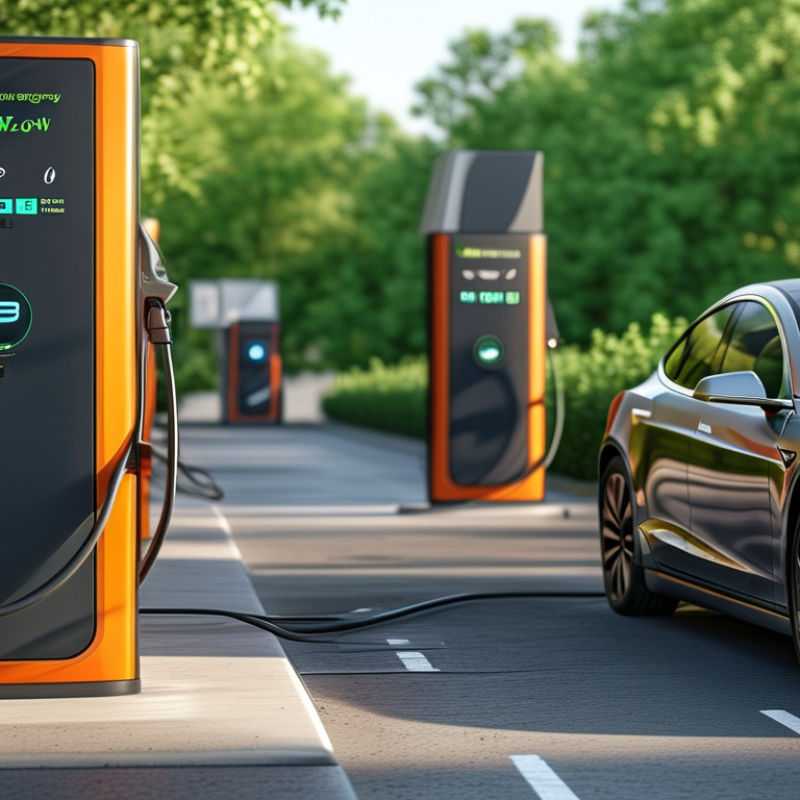
When exploring electric vehicle (EV) charging solutions, various types cater to different needs. Level 1 charging is the simplest. It uses a standard household outlet, providing slow charging. With an output of about 120 volts, this option may take overnight for a full charge. It works well for daily use if you have ample time at home.
Level 2 charging is more efficient. It operates at 240 volts and can fully charge an EV in a few hours. Installations can be done at home or public locations. This type is ideal for those who use their vehicles for longer trips. A dedicated charger offers faster replenishment, making it a practical choice for commuters.
DC fast charging is another option. It's designed for quick top-ups, providing an 80% charge in about 30 minutes. However, not all EVs support this. Accessibility can also be problematic, with limited stations in certain areas. Each solution has its pros and cons, urging you to consider your driving habits, home setup, and charging preferences before choosing.
When considering your electric vehicle (EV) charging needs, it's essential to evaluate your lifestyle. Many drivers rely on home charging solutions, which account for over 80% of charging sessions. According to a recent study by the International Energy Agency (IEA), charging at home provides convenience and cost savings. Installing a Level 2 home charging station can deliver a full charge overnight, ideal for daily commuters.
Workplace charging is becoming increasingly popular. A report from the U.S. Department of Energy shows that approximately 10% of EV owners prefer charging at their workplace. Having charging facilities at work can ease range anxiety. Employees can charge their vehicles while working, contributing to a sustainable work environment. However, the availability and type of charging infrastructure vary widely across companies.
Public charging stations serve those who need on-the-go options. A recent survey revealed that 45% of EV drivers use public charging at least occasionally. It’s crucial to assess the local charging network's reliability and accessibility. Some urban areas face congestion at public chargers, leading to longer wait times. Diversity in charging options is essential, yet it poses challenges for drivers needing immediate access.
When choosing an EV charging solution, it's crucial to understand the distinctions between charging speeds. Level 1 charging utilizes a standard household outlet, providing about 4-5 miles of range per hour. This method is ideal for overnight charging at home, especially for drivers with shorter daily commutes. However, it may not suffice for those with longer journeys or the need for rapid turnaround times.
Level 2 charging offers a significant upgrade. With a dedicated charging station, it can deliver 10-60 miles of range per hour. This option is suitable for both home installations and public charging stations. Many EV owners find this balance effective. Yet, it raises questions about accessibility and installation costs.
DC fast charging represents the pinnacle of speed, adding up to 80% charge in about 30 minutes. These stations are strategically placed along highways for long-distance travel. However, they can be significantly more expensive and not as commonly found in residential areas. Evaluating your daily driving habits, budget, and charging infrastructure is essential before making a decision. Each option has its trade-offs, requiring thoughtful consideration of your specific needs and circumstances.
When considering an EV charging solution, installation and hardware requirements are crucial. The planning phase should involve evaluating your space. Think about where you want to install the charger. A garage or a carport may be ideal. Ensure the location has easy access to your electrical panel. This will streamline the installation process.
Electrical capacity is another key factor. Older homes may require electrical upgrades to support an EV charger. Consulting a professional electrician can provide insights into your current system's capability. Check the power rating of the charger you plan to install. Different chargers have varied voltage requirements. Make sure your system can handle the load without overloading circuits.
Moreover, it's important to think about the future. Charging stations should be adaptable for multiple vehicles if needed. Some chargers offer smart features for better efficiency. Not all installations go smoothly. You might face unexpected challenges, like wiring issues or space constraints. Being prepared for adjustments during installation can save time and money. Embrace these challenges as opportunities to learn more about your EV charging needs.
This chart compares different types of EV charging solutions based on their average charging time. Level 1 chargers are the slowest, taking around 12 hours, while DC fast chargers provide rapid charging in just about 1 hour.
When evaluating the costs of EV charging solutions, consider the initial setup expenses. These costs can vary significantly based on location and type of charger. A standard home charger may cost less than a public fast charger, but installation can add to the overall expense. Consider the benefits of professional installation to ensure safety and efficiency. A poorly installed charger can lead to unnecessary costs down the line.
Incentives play a key role in reducing your overall investment. Many regions offer rebates or tax credits for installing EV charging stations. These incentives can make the decision much easier for users. Research local programs, as they often change and can impact your cost calculus. Additionally, your utility company may have special rates for EV charging during off-peak hours.
Reflecting on these aspects is crucial. Not every choice available suits everyone’s needs. What works for one household might not be ideal for another. Understanding the costs and incentives fully allows for a more informed decision. Take the time to analyze and ask the right questions.
: Home charging offers convenience and significant cost savings for EV owners. It accounts for over 80% of all charging sessions.
A Level 2 home charging station can fully charge your vehicle overnight, ideal for everyday use.
Workplace charging helps reduce range anxiety for employees and promotes a sustainable work environment.
Approximately 10% of EV owners prefer charging their vehicles at work according to recent reports.
Evaluate your space for a suitable installation area, ideally near your electrical panel for easier access.
Older homes may lack the electrical capacity needed to support modern EV chargers safely.
You may encounter issues like wiring problems or limited space, which could require adjustments during installation.
Choose adaptable charging stations that can handle multiple vehicles and consider smart features for efficiency.
Check the power rating and voltage requirements to ensure your system can handle the load without overloading circuits.
It’s crucial for EV drivers, as some areas experience congestion, leading to longer wait times at public chargers.
When considering how to choose the right EV charging solution for your needs, it's essential to understand the various types of charging options available. These range from home and workplace chargers to public charging stations, each catering to different usage patterns. Evaluating your specific charging requirements — whether for daily commuting or long trips — can significantly impact your choice.
Additionally, assessing charging speeds is crucial, as you have options from Level 1 and Level 2 chargers to DC Fast Charging stations, each with different capabilities and installation needs. Understanding the installation and hardware requirements, alongside an analysis of costs and potential incentives, will further guide your decision-making process. By taking these factors into account, you can select the most suitable EV charging solution that aligns with your lifestyle and budget.

Zap Charger