What to Consider When Buying EV Charging Equipment?

Time:2026-07-16 Author:Amelia
0%

When considering the shift to electric vehicles (EVs), the importance of the right charging equipment cannot be overstated. Industry expert Dr. Emily Hart, a leading consultant on EV infrastructure, once stated, “Selecting suitable EV charging equipment can significantly impact your EV experience.” This highlights the need to understand what to consider when buying EV charging equipment.

The landscape of EV charging is complex. Various factors influence your choice: charging speed, compatibility, installation requirements, and costs. A slow charger may be economical but could lead to frustration during daily use. On the other hand, fast chargers often come at a higher price but can save considerable time.

Moreover, it’s crucial to evaluate future needs. As technology advances, your charging solution should adapt as well. Many buyers overlook these aspects, leading to costly or inefficient setups. Proper research and expert insights can guide you in making an informed decision. Let's dive deeper into what to consider when buying EV charging equipment to ensure a smart investment.
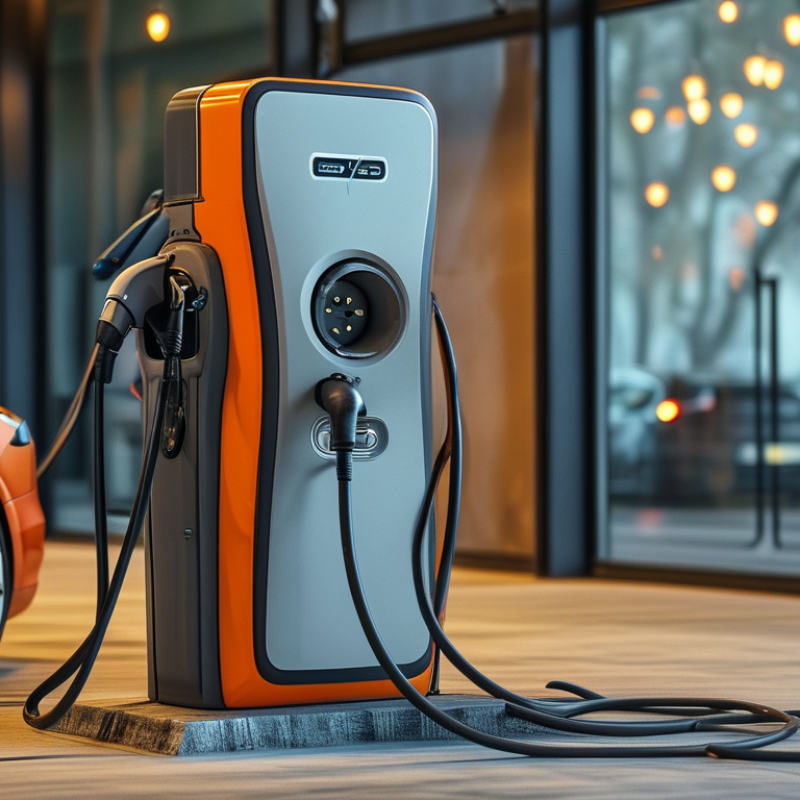
What to Consider When Buying EV Charging Equipment?

Key Factors Affecting the Cost of EV Charging Equipment

When buying EV charging equipment, several key factors affect the overall cost. The type of charger is a primary consideration. Level 1 chargers are generally cheaper but slower. Level 2 chargers are faster and more efficient, yet they come at a higher price. Users should evaluate the charging speed that fits their lifestyle.

Installation expenses can easily add to the cost. Electric infrastructure changes might be necessary. Homes with older electrical systems may face higher upgrade costs. It’s crucial to assess these requirements beforehand. Unexpected installation challenges often lead to budget overruns.

Another factor to consider is the charger’s features. Smart chargers have advanced functionalities like scheduling and energy tracking. While they can cost more upfront, these features provide long-term savings on energy bills. However, not every user needs these extras.

Ultimately, price isn’t everything. Buyers must weigh their unique needs against the features offered. Each decision should reflect a deeper understanding of personal usage and future needs. Being well-informed leads to smarter purchases.

What to Consider When Buying EV Charging Equipment? - Key Factors Affecting the Cost of EV Charging Equipment

Factor Description Estimated Cost Impact
Charger Type Level 1, Level 2, or DC Fast Charger $0 - $10,000
Power Output Higher kW output typically costs more $0 - $15,000
Installation Costs Professional installation vs DIY $500 - $5,000
Networking Features Smart charging, app connectivity $200 - $2,000
Warranty Length and coverage of warranty $100 - $1,000
Location Home vs commercial installation considerations $500 - $5,000

Understanding Different Types of EV Chargers: Level 1, Level 2, and DC Fast

When considering EV charging equipment, understanding the types of chargers is essential. There are three main categories: Level 1, Level 2, and DC Fast chargers. Level 1 chargers use a standard 120-volt outlet. They are the slowest option, typically providing 4-5 miles of range per hour. According to the U.S. Department of Energy, this type is perfect for homeowners who charge overnight.

Level 2 chargers operate at 240 volts and can deliver 10-60 miles of range per hour. This makes them suitable for both residential and commercial settings. A report by the International Energy Agency shows that Level 2 stations are the most common charger type due to their efficiency and fast charging abilities. However, installation costs can vary widely, creating potential budget concerns for consumers.

DC Fast chargers are distinct in that they deliver rapid charging, providing 60-100 miles of range in just 20 minutes. They are primarily found in public charging stations and on highways, making long trips more feasible. Yet, they can cost significantly more to install and operate than the other types. This presents a dilemma for many potential buyers. Not all electric vehicles are compatible with every charger type, adding another layer of complexity when making a choice.

Evaluating Charging Speed Requirements for Various EV Models

When selecting EV charging equipment, the charging speed is a crucial factor. Different electric vehicle (EV) models have varying requirements for charging speed. Some vehicles can handle high-speed charging, achieving an 80% charge in under 30 minutes. Others, especially older models, may need longer periods for the same charge. Understanding your vehicle's specifications is vital to ensure efficiency.

Most chargers fall into three categories: Level 1, Level 2, and DC fast chargers. Level 1 chargers are often used at home but are much slower. Level 2 chargers offer moderate speeds, making them popular for both home and public use. DC fast chargers deliver rapid charging, ideal for long-distance travel. Knowing these speeds helps you avoid potential frustrations.

You should also consider your charging habits. If you drive frequently and cover long distances, investing in a faster charger is prudent. However, if you mainly use your EV for short commutes, a slower option may suffice. Even with these insights, the choice isn't always clear-cut. Reflecting on personal needs and future driving plans is essential to make the best decision.

Importance of Installation Locations and Infrastructure Compatibility

When considering EV charging equipment, installation locations play a crucial role in functionality and convenience. Identifying optimal locations for charging stations can impact user experience. Accessibility is essential. A well-placed charger encourages usage and increases the likelihood that users will charge their vehicles effectively.

Infrastructure compatibility is another key factor. Different charging systems may require specific electrical setups and connectors. Ensuring that the existing electrical infrastructure can support new charging stations is vital. Buildings with older wiring might need upgrades. This can lead to additional costs and time delays. Evaluating compatibility early in the planning process can prevent future headaches.

Not every installation site is ideal. Some locations may face regulatory challenges that complicate the installation. Assessing local building codes and restrictions can be frustrating but necessary. If a site lacks adequate space or power supply, it may limit charging options. Addressing these elements upfront will lead to a smoother installation process, ultimately benefiting users and investors alike.

Assessing Charging Equipment's Warranty and Maintenance Considerations

When purchasing EV charging equipment, warranty and maintenance are crucial factors. A strong warranty can protect your investment. Check the coverage duration and what it includes. Some warranties cover parts only, while others might include labor. A comprehensive warranty provides peace of mind. Understanding the terms is vital, as many warranties have specific conditions.

Maintenance is another critical aspect. Regular upkeep ensures your charging equipment functions smoothly. Neglecting maintenance can lead to costly repairs. It’s essential to know who performs the maintenance and if it's included in your warranty. Evaluate how often the equipment needs servicing. Choose equipment that is user-friendly, as simpler devices are easier to maintain.

**Tips**: Look for equipment with clear instructions for basic troubleshooting. Also, consider local support services. Familiarize yourself with the maintenance schedule to avoid unexpected expenses. Check online reviews for common issues and maintenance experiences. Doing your research will help you make an informed choice.

FAQS

: What are the different types of EV chargers?

: There are three types: Level 1, Level 2, and DC Fast chargers. Each has unique benefits.

How does a Level 1 charger work?

Level 1 chargers use a standard 120-volt outlet. They provide about 4-5 miles of range per hour.

What are the advantages of Level 2 chargers?

Level 2 chargers use 240 volts and can deliver 10-60 miles of range per hour. They’re efficient for many users.

Where can DC Fast chargers be found?

DC Fast chargers are mostly at public stations and highways. They charge cars rapidly, adding convenience for long trips.

What should I consider regarding charging speed?

Charging speeds vary by EV model. Know your vehicle’s requirements for efficient charging.

Do all EVs work with every charger type?

No, compatibility varies. Not all electric vehicles support every charger type, which complicates choices.

Are there budget concerns with different chargers?

Yes, installation costs differ. Level 2 and DC Fast chargers can be more expensive, impacting consumer decisions.

What influences my choice of charger?

Charging habits and driving distance play roles. Reflect on your needs to avoid potential frustrations.

Can older EV models handle fast charging?

Some older models may need longer charging times. It's essential to understand your vehicle's charging capabilities.

Is there a perfect solution for EV charging?

There isn’t always a clear answer. Personal circumstances should guide decisions for the best charging approach.

Conclusion

When considering what to consider when buying EV charging equipment, it's essential to understand key factors that impact cost, including the type of charger you need. There are three main types of EV chargers: Level 1, Level 2, and DC Fast, each catering to different charging speeds and requirements for various electric vehicle models. Furthermore, installation locations and the compatibility of existing infrastructure play a crucial role in determining the overall efficiency and convenience of your charging setup.

Another important aspect is the warranty and maintenance considerations associated with the charging equipment. Evaluating these elements will ensure that you make an informed decision that meets your needs and enhances your EV experience. By taking these factors into account, you can optimize your investment in EV charging equipment and ensure a reliable charging solution for your electric vehicle.

Amelia

Amelia

Amelia is a seasoned marketing professional with a wealth of expertise in our company’s core offerings. With an unwavering passion for driving growth and innovation, she plays a pivotal role in shaping our marketing strategies and enhancing brand visibility. A key aspect of her responsibilities......