Electric vehicles (EVs) are becoming increasingly popular. However, a significant challenge remains: how to ensure compatibility between vehicles and chargers. As the market expands, various charging systems and standards emerge. This complexity can lead to confusion among consumers and manufacturers alike.
To tackle this issue, it is essential to understand key specifications. Not all chargers work with every electric vehicle. Factors such as connector types and charging speeds must be considered. Technical incompatibility may leave drivers stranded or frustrated. Effective communication and collaboration between automakers and charging providers are critical.
Developing universal standards is one potential solution. Yet, achieving consensus in this rapidly evolving industry is difficult. Stakeholders must navigate differing needs and technologies. Ongoing efforts to streamline compatibility are essential for a seamless EV experience. Ensuring that vehicles can charge easily and reliably will aid in widespread adoption.
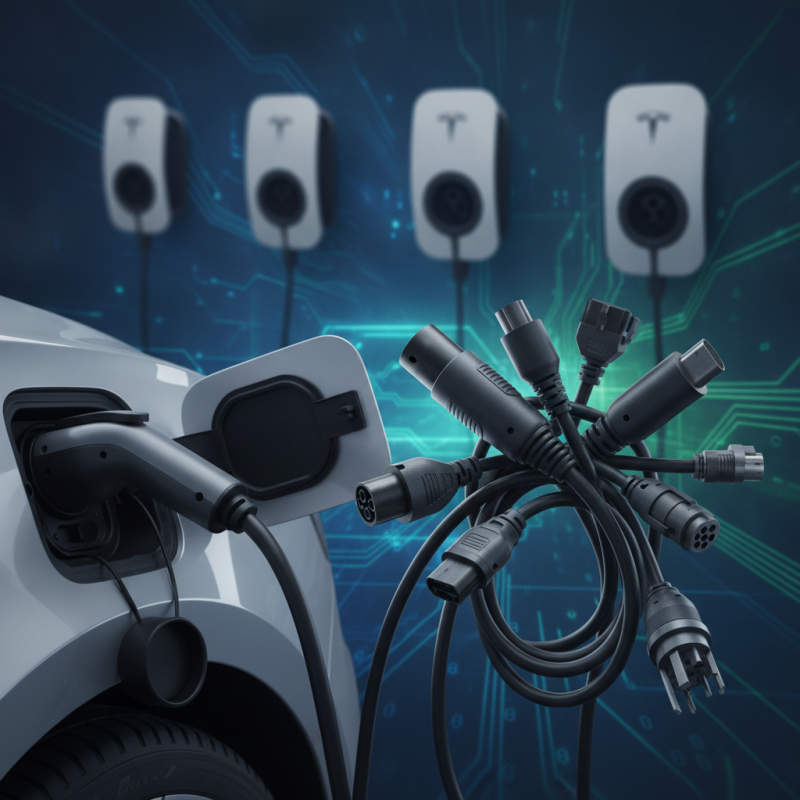
Understanding Electric Vehicle and Charger Compatibility
Understanding electric vehicle and charger compatibility is essential for a seamless charging experience. Electric vehicles (EVs) require specific chargers to function effectively. Compatibility issues can arise from different charging standards and connector types. Therefore, understanding these factors can save time and avoid frustration.
Tips: Check your EV’s manual. It provides critical insights into compatible chargers. Different EV models often use varied connector types. Knowing which type your vehicle requires can prevent confusion at charging stations.
Another aspect to consider is the charging speed. Not all chargers provide the same charging rate. Some chargers are designed for
fast charging, while others are meant for standard charging. This distinction affects how quickly your EV can be charged.
Tips: Always look for compatibility labels on chargers. These labels can guide you in selecting the right option. Additionally, if you frequently charge at home, consider investing in a home charger tailored for your vehicle. It can enhance your charging experience.
Key Types of Electric Vehicle Charging Standards
Electric vehicle (EV) charging standards play a crucial role in ensuring seamless compatibility between various types of EVs and their chargers. Several key standards exist, each catering to different needs and scenarios. The most prevalent are the Combined Charging System (CCS), Type 2, and CHAdeMO. CCS allows for rapid charging, while Type 2 is widely used across Europe. CHAdeMO, developed in Japan, is primarily adopted for certain models.
Compatibility is not always guaranteed. Different regions may adopt varying standards. For instance, while CCS may dominate in North America and Europe, CHAdeMO remains popular in Asia. These geographical differences can complicate the charging experience for users traveling across borders. As charging infrastructure expands, it's vital to address these discrepancies.
Future advancements could bring more unified standards. However, the transition might be slow due to existing investments in incompatible systems. Manufacturers and policymakers must collaborate to establish comprehensive guidelines. This includes harmonizing connectors, ensuring safety, and reducing user confusion. The challenge is significant, but addressing it is essential for EV growth and acceptance.
How to Ensure Compatibility Between Electric Vehicles and Chargers? - Key Types of Electric Vehicle Charging Standards
| Charging Standard |
Charging Type |
Maximum Power Output |
Connector Type |
Use Case |
| Type 1 |
AC Charging |
Up to 7.2 kW |
SAE J1772 |
Residential and Level 1 public charging |
| Type 2 |
AC Charging |
Up to 22 kW |
IEC 62196-2 |
Public charging stations in Europe |
| CCS (Combined Charging System) |
DC Fast Charging |
Up to 350 kW |
IEC 62196-3 |
High power public charging |
| CHAdeMO |
DC Fast Charging |
Up to 62.5 kW |
CHAdeMO connector |
Public charging, primarily in Japan |
| Tesla Supercharger |
DC Fast Charging |
Up to 250 kW |
Tesla connector |
Tesla vehicles only, fast charging on long trips |
Factors Influencing Charger and Vehicle Compatibility
When considering the compatibility between electric vehicles (EVs) and chargers, several factors come into play. One significant factor is the charging connector type. Different regions utilize various standards. This inconsistency can lead to complicated charging experiences for users. Awareness of these types is crucial for both manufacturers and consumers.
Another critical aspect involves the charging speed. Not all EVs can handle high-speed chargers. Misalignment in charging capabilities can limit charging efficiency. Users may find themselves waiting longer than expected or confronting compatibility issues.
Software compatibility is also important. Vehicles often require specific software updates for charger compatibility. Failure to maintain current software can affect performance. There is an ongoing need for better communication between vehicle and charger manufacturers. Each must ensure their products work seamlessly together to enhance user experience.
Factors Influencing Charger and Vehicle Compatibility
This chart illustrates various factors that affect the compatibility between electric vehicles and their chargers, with a focus on aspects such as charging speed, connector type compatibility, communication protocols, and more.
Best Practices for Ensuring Compatibility in EV Charging
In the rapidly evolving world of electric vehicles (EVs), ensuring compatibility between vehicles and charging stations is crucial. According to a report by the International Energy Agency, more than 1.8 million EVs were sold in 2020 alone, indicating a growing need for standardized charging solutions. Yet, many users face challenges due to variations in charging ports and protocols. Adopting best practices can help mitigate these issues and enhance user experience.
One key practice is to prioritize universal charging standards. Research shows that nearly 70% of EV owners prefer stations that accept multiple connector types. Manufacturers and charging station providers must collaborate to create platforms that support a wider range of vehicles. This enhances accessibility and fosters consumer confidence.
Tips: Ensure the charging station is equipped with both Type 1 and Type 2 connectors. Check compatibility with local EV models before installation.
Another critical aspect is the implementation of clear and detailed user guides. Many users are uncertain about the specifics of charging their vehicles. A survey found that 45% of users reported confusion regarding charging procedures. Providing straightforward, concise instructions can bridge this gap.
Tips: Use easy-to-understand visuals in user guides. Run community workshops to educate new users.
Compatibility is not just about plugs; it also includes software integration. As EV technology continues to advance, charging stations must stay updated. The cost of incompatibility can be high, sometimes reaching thousands in unnecessary expenses. Regular updates and maintenance ensure a smoother connection between EVs and chargers.
Future Trends in Electric Vehicle Charging Technology
Future trends in electric vehicle (EV) charging technology are pivotal for enhancing compatibility between EVs and chargers. A recent report by the International Energy Agency indicates that the global EV market is expected to grow by over 60% annually in the next five years. This demand underlines the importance of developing universal charging standards. As more manufacturers enter the EV space, inconsistent charging solutions may cause frustration for consumers.
Innovations such as ultra-fast charging stations are emerging, allowing for charging speeds of up to 350 kW. This technology can reduce charging time to just 15 minutes for some EVs. However, the infrastructure to support these high-capacity systems is still in development. A lack of widespread availability of these charging stations could hinder adoption rates. The need for better integration of charging networks with renewable energy sources represents another critical area for improvement.
Wireless charging is also gaining traction. This technology, while promising, is not without challenges. Efficiency losses and alignment issues can lead to inconsistent performance. According to a study by the Electric Power Research Institute, achieving optimal efficiency remains a big hurdle. As standards evolve, addressing these complexities will be essential to ensure a seamless and reliable charging experience for all EV users.
Conclusion
To understand how to ensure compatibility between vehicles and chargers, it is essential to recognize the various electric vehicle (EV) charging standards and their implications. Different types of charging connectors and protocols must be taken into account to facilitate seamless interaction between vehicles and charging units. Key factors influencing compatibility include the charging speed, voltage levels, and communication methods between the vehicle’s battery management system and the charger.
Best practices involve staying informed about the evolving standards in EV charging technology and adopting universal connectors wherever possible. As the industry progresses, future trends may introduce more standardized solutions that enhance compatibility, thus promoting widespread adoption of electric vehicles. By focusing on these elements, stakeholders can effectively ensure that vehicles and chargers work together efficiently.

 Zap Charger