How to Extend the Lifespan of EV Charging Equipment?

Time:2026-05-07 Author:Charlotte
0%

As electric vehicles (EVs) become more popular, the demand for EV charging equipment grows. This equipment plays a crucial role in supporting a sustainable future. However, many users overlook the importance of maintenance and care. Knowing how to extend the lifespan of EV charging equipment is essential for both efficiency and cost-effectiveness. Proper management can prevent early wear and ensure long-term reliability.

Implementing best practices can help avoid common mistakes. Regular inspections can identify issues before they escalate. Keeping charging stations clean and sheltered from extreme weather can also enhance durability. Simple adjustments in usage habits can significantly impact the longevity of the equipment. While some wear is inevitable, proactive measures often make a noticeable difference.

Furthermore, understanding the technology behind charging stations is vital. Manufacturers recommend specific maintenance schedules, which users should follow closely. Investing in reliable equipment should not be the end of the story. Continuous education about care and support can empower users. Ultimately, knowing how to extend the lifespan of EV charging equipment reflects a commitment to sustainability and responsible usage.
How to Extend the Lifespan of EV Charging Equipment?

Best Practices for Regular Maintenance of EV Charging Equipment

Regular maintenance of EV charging equipment is crucial for prolonging its lifespan. Research indicates that around 35% of charging station downtime is due to equipment failure that could be prevented. By implementing routine inspections, operators can identify issues early. Common problems include worn-out connectors and software glitches, which can both be addressed before they escalate.

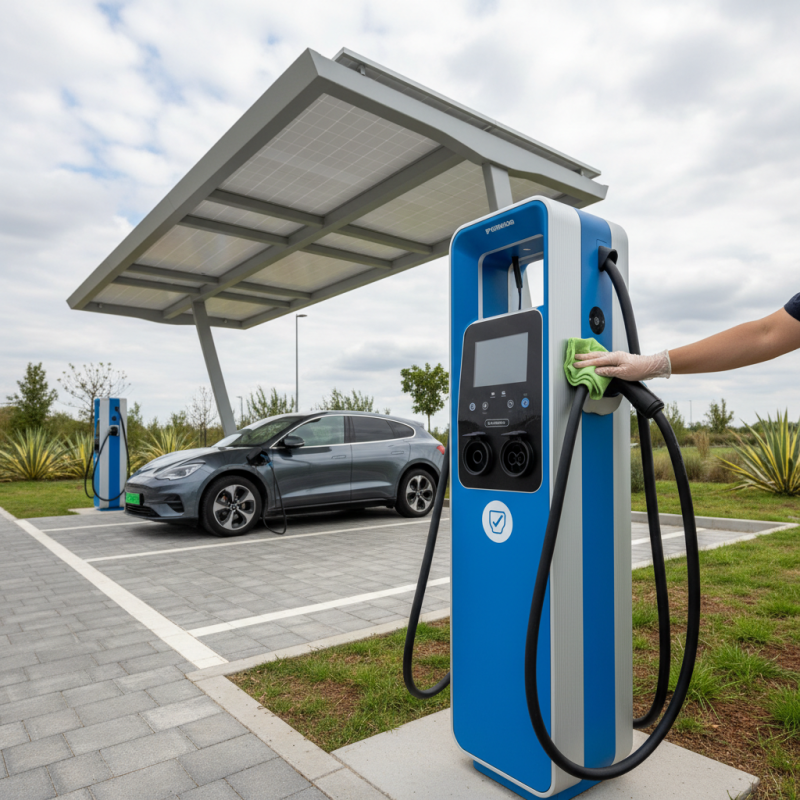
Cleaning charging units regularly is another best practice. Dust and debris can accumulate around ports and electrical components, causing malfunctions. The National Renewable Energy Laboratory reports that regular cleaning increases efficiency by up to 15%. Operators should schedule quarterly cleanings to maintain optimal performance. This proactive measure helps reduce the risk of unexpected failures, which can lead to financial loss and decreased user satisfaction.

Training staff on operational protocols is equally important. Many technicians may overlook simple checks, leading to major issues down the line. Keeping records of maintenance can identify recurring problems and areas for improvement. A well-maintained charging station not only ensures reliability but also enhances user confidence. Continuous evaluation of maintenance practices should be part of any charging infrastructure strategy.

Implementing Advanced Monitoring Systems for Performance Evaluation

The integration of advanced monitoring systems is crucial for enhancing the longevity of EV charging equipment. Real-time data analytics can identify inefficiencies and provide actionable insights. According to a report by the International Energy Agency (IEA), the effective monitoring of charging stations can improve operational efficiency by up to 30%. These systems can track performance metrics like usage patterns, energy consumption, and downtime.

Using IoT-enabled devices, operators can receive alerts about potential failures before they escalate. For example, predictive maintenance can prevent outages and prolong equipment lifespan. A recent study indicated that predictive maintenance reduced unexpected failures by 20%, enhancing reliability. However, the reliance on these systems also raises questions about data security and reliance on technology.

While advanced systems yield valuable insights, human oversight remains essential. Operators must analyze the data critically. Not all issues can be solved through technology. Regular inspections and maintenance are still necessary to ensure equipment longevity. Striking a balance between technology and manual checks is vital in maintaining a robust EV charging infrastructure.

Understanding Battery Lifespan and Compatibility with Charging Stations

Battery lifespan is crucial for electric vehicle (EV) longevity. EV batteries typically last between 8 to 15 years, depending on usage and charging practices. According to a report from the International Council on Clean Transportation, improper charging can prematurely age batteries. Charging too frequently at high power levels can cause thermal stress. This is where compatibility with charging stations plays a critical role.

Using a compatible charging station helps maintain optimal battery health. Different EV batteries have varying chemistry. For instance, lithium-ion batteries are the most common in EVs. They perform best when kept between 20% and 80% charge. A study by the U.S. Department of Energy shows that staying within this range can extend battery life significantly. It's essential for users to check their charging station's specifications. Not all stations are created equal. Some may provide higher power than what the battery can handle, leading to stress and degradation.

Monitoring charging habits can yield surprising insights. Some EV users report charging daily, even when not needed. This practice can lead to battery wear. Research also highlights the importance of environmental factors. High temperatures can negatively impact battery life. It's evident that thoughtful charging and awareness of equipment compatibility are vital. They ensure that batteries can deliver optimal performance throughout their lifespan.

Utilizing Weather-Resistant Materials to Protect Charging Infrastructure

When it comes to extending the lifespan of electric vehicle (EV) charging equipment, weather-resistant materials play a crucial role. These materials can shield charging stations from harsh elements like rain, snow, and extreme temperatures. Using high-quality coatings, sealants, and durable plastics can prevent corrosion and physical damage. This helps maintain equipment functionality over time.

Many charging stations face challenges due to inadequate weather protection. Some may experience internal moisture buildup, leading to electrical failures. Others might suffer from UV damage, which can degrade plastic components. Addressing these issues upfront can save costs in the long run. It’s essential to periodically assess the condition of the equipment too.

Incorporating weather-resistant designs is not a one-size-fits-all solution. Factors like location, climate, and usage patterns must be considered. Adapting to the local environment is key. Sometimes, equipment may still degrade faster than anticipated despite protective measures. Continual evaluation and upgrades are critical to ensuring reliable operation for years to come.

Training Personnel on Safe and Effective Charging Equipment Usage

Training personnel on the safe and effective usage of electric vehicle (EV) charging equipment is essential. Industry reports reveal that about 20% of equipment failures stem from improper handling and user errors. Ensuring that staff understand the intricacies of charging equipment can significantly contribute to its longevity. Regular training sessions should cover basic operational procedures, safety protocols, and troubleshooting methods.

Practical training involving hands-on experience can enhance comprehension. Employees should learn how to recognize warning signs, such as unusual noises or warning lights. Newer charging stations may come with enhanced features that need explicit understanding. This knowledge can prevent accidents and reduce downtime. A survey from the International Energy Agency shows that properly trained personnel can extend the lifespan of charging stations by up to 30%.

Regular assessments can highlight areas needing improvement. Sometimes, staff may overlook issues due to the fast-paced environment. Creating a culture of safety and awareness is vital. Employees should feel encouraged to voice concerns every day. Such engagement can lead to more effective use of charging equipment, ultimately leading to better service and reduced costs.

How to Extend the Lifespan of EV Charging Equipment? - Training Personnel on Safe and Effective Charging Equipment Usage

Training Topic Description Frequency of Training Duration (Hours) Impact on Equipment Lifespan
Basic Charging Principles Understanding how EV chargers work and the importance of compatibility. Once a year 2 High
Safety Protocols Training on the safe handling and operation of charging equipment. Biannual 3 Critical
Proper Maintenance Techniques How to maintain and troubleshoot charging equipment effectively. Quarterly 4 Very High
User Feedback Mechanisms Gathering user feedback to improve charging operations and maintenance. Annual 1 Moderate
Advanced Troubleshooting In-depth training on diagnosing and resolving complex issues. Semi-annual 5 Very High

FAQS

: Why is regular maintenance of EV charging equipment important?

: Regular maintenance prolongs lifespan and reduces downtime caused by preventable failures.

How often should cleaning be scheduled for charging units?

Cleaning should be scheduled quarterly to maintain efficiency and prevent malfunctions.

What common issues can arise with charging equipment?

Worn-out connectors and software glitches are common issues that can be addressed early.

How can improper charging affect battery lifespan?

Charging too frequently at high power can cause thermal stress, aging the battery prematurely.

What is the optimal charge range for lithium-ion batteries?

Keeping a lithium-ion battery between 20% and 80% charge helps extend its life significantly.

How can staff training impact charging station longevity?

Proper training can reduce user errors and improper handling, extending equipment lifespan by up to 30%.

What should employees be trained to recognize?

Employees should recognize warning signs like unusual noises or warning lights during operation.

Are all charging stations compatible with every EV battery?

No, compatibility varies, and using the wrong station can stress and degrade the battery.

How can charging habits impact battery health?

Unnecessary daily charging can lead to battery wear, highlighting the need for mindful practices.

Why is creating a culture of safety important?

Encouraging staff to voice concerns can lead to better equipment use and improved service.

Conclusion

To understand how to extend the lifespan of EV charging equipment, several best practices are crucial. Regular maintenance plays a key role in ensuring optimal performance and longevity, preventing potential issues before they escalate. Implementing advanced monitoring systems can provide vital insights into the performance of charging stations, allowing for timely evaluations and adjustments.

Additionally, understanding battery lifespan and ensuring compatibility with different charging stations can significantly impact durability. It is important to utilize weather-resistant materials to shield charging infrastructure from environmental factors that could lead to degradation. Moreover, training personnel on the safe and effective use of charging equipment ensures that all operations are carried out with care, thereby prolonging the life of the equipment. By following these guidelines, organizations can effectively enhance the longevity of their EV charging systems.

Charlotte

Charlotte

Charlotte is a seasoned marketing professional with a deep understanding of the company's portfolio and a passion for elevating its presence in the market. With a keen eye for detail and a commitment to excellence, she ensures that our professional blog is regularly updated with insightful articles......