Electric vehicles (EVs) are becoming increasingly popular, but many users still wonder what factors affect EV charging speed. Understanding these factors can help maximize your EV’s efficiency and performance. Charging speed can vary widely depending on several key elements, including charger type, battery capacity, and environmental conditions.
Charger types play a crucial role. Level 1 chargers are slow, while Level 3 chargers can provide rapid charging. Battery capacity also impacts charging speed. A larger battery may take longer to charge, especially if it needs a higher power delivery. Environmental factors, such as temperature, should not be overlooked. Cold weather can slow down charging times significantly.
Real-world experiences show variability in charging times. Users may find that different stations produce different results. Some factors are predictable, while others may not be. It’s essential to remain aware of these influences and be prepared for situations that may prolong charging. This knowledge can enhance your EV experience, making it more efficient and rewarding.
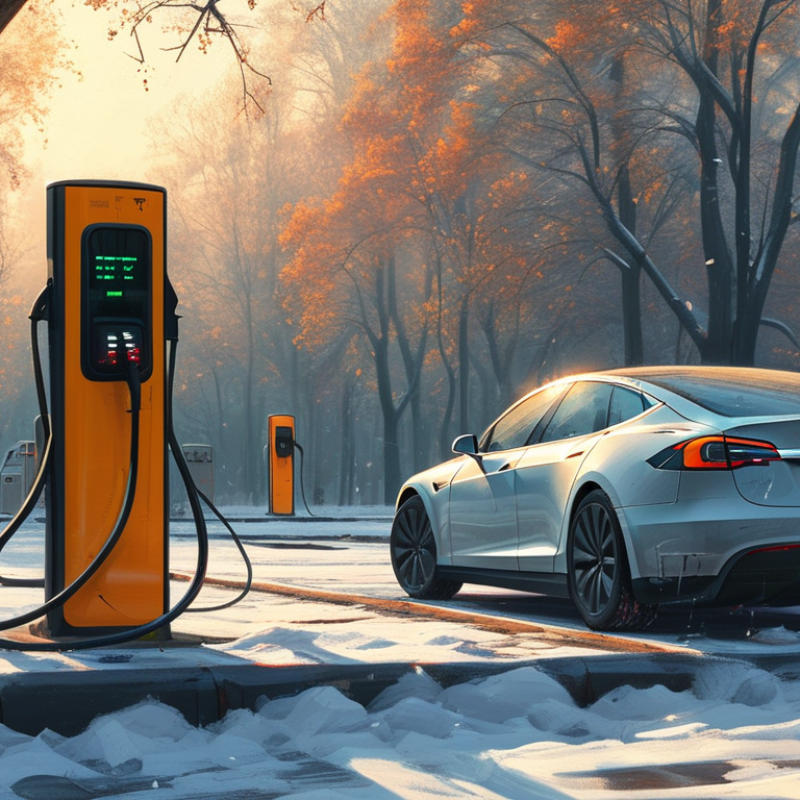
Charging Station Power Output and Its Impact on EV Charging Speed
The power output of a charging station plays a crucial role in determining the charging speed of electric vehicles (EVs). According to a study by the Electric Power Research Institute, charging stations vary significantly in power levels, ranging from 3.7 kW to over 350 kW. Stations with higher output can deliver faster charging, reducing downtime for EV owners. For example, a Level 2 charger offering 7.2 kW can fully charge an EV in approximately 8 hours, while a DC fast charger with 150 kW can achieve an 80% charge in under 30 minutes.
However, charging speed is not solely dependent on the station's power output. The EV's own charging capability is also a critical factor. Many vehicles have a maximum charging rate they can handle. If an EV is limited to 50 kW, using a 150 kW station won't boost charging speed. This mismatch highlights a common misunderstanding among users. While fast chargers offer convenience, the vehicle's specifications must align with the charging infrastructure.
Moreover, external factors like temperature and battery condition can influence charging speed. Cold weather can slow down the chemical reactions in a battery, leading to reduced charging efficiency. Battery age can also impact performance. As EV technology evolves, understanding these elements becomes essential for users. Adapting to their vehicle's requirements and the capabilities of charging stations is vital for optimizing the overall charging experience.
Top 10 Factors That Affect EV Charging Speed
Battery Chemistry: Understanding How Lithium-ion Variability Affects Charging
Battery chemistry plays a crucial role in EV charging speeds. Lithium-ion batteries, commonly used in electric vehicles, exhibit variability in their performance. Factors like temperature, state of charge, and battery age can significantly impact charging efficiency. For instance, a warm battery tends to charge faster than a cold one. This is primarily due to the increased ion mobility at higher temperatures.
The composition of lithium-ion batteries also affects their charging characteristics. Different materials, such as the anode and cathode compositions, lead to different charge acceptance rates. Some batteries can handle higher power inputs, allowing for quicker charging. However, using such batteries can lead to potential drawbacks, like reduced lifespan or safety concerns. While improving charging speed is essential, it's crucial to consider these trade-offs.
Additionally, manufacturers often design batteries for specific charging conditions. Some batteries may excel in fast charging, but can struggle with slower, more gradual charging. This variability calls for careful consideration when choosing battery technology. The responsible approach involves understanding how these factors influence overall EV performance. Recognizing that there is no one-size-fits-all solution is vital for both manufacturers and consumers.
State of Charge: The Influence of Battery Level on Charging Times
Battery level significantly impacts electric vehicle (EV) charging times. At lower states of charge, vehicles typically accept maximum power, speeding up the process. According to a study by the U.S. Department of Energy, charging can be up to 80% faster when starting from a low battery. When the battery is depleted, it can draw more power. However, as the battery approaches full charge, the rate slows significantly.
Charging speeds are often cut by half when the battery level exceeds 80%. Many EVs use a method called “tapering,” reducing the current to protect battery lifespan. A report by the International Energy Agency indicates that this behavior helps extend the overall life of the battery, but it can be frustrating for users needing quick top-ups. Drivers must reconsider their charging habits, especially in time-sensitive situations.
Understanding these dynamics is crucial for users. It highlights the importance of planning charging sessions to maximize efficiency. Many factors like ambient temperature and battery management systems also play roles. Yet, even with the right knowledge, several variables can affect outcomes. Awareness of these elements is essential for effective EV usage and optimization.
Ambient Temperature Effects on EV Charging Efficiency and Speed
Ambient temperature plays a crucial role in the efficiency of electric vehicle (EV) charging. Studies show that charging performance drops significantly in extreme heat or cold. For instance, at temperatures below 10°C, charging speeds can decline by up to 30%. This decrease occurs because batteries operate less efficiently in colder climates. Lithium-ion batteries, which power most EVs, have a reduced chemical reaction rate in the cold.
Conversely, high temperatures can also hinder charging speed. When temperatures soar above 40°C, battery management systems often limit charging rates to prevent overheating. This precaution can reduce charging speed by approximately 20%. The temperature affects not just the battery but also the overall infrastructure. Public charging stations may experience higher demand during certain weather conditions, resulting in longer wait times.
Optimal charging conditions occur between 15°C and 25°C. Unfortunately, many users are unaware of how ambient conditions impact charging capability. Poor knowledge may lead to frustration and longer charging times. Recognizing these temperature influences can enhance user experience and drive improvements in EV technology.
Charging Infrastructure: The Role of Network Availability in Fast Charging
The availability of charging infrastructure plays a critical role in the speed of electric vehicle (EV) charging. When charging stations are widely accessible, drivers can quickly find locations to recharge their vehicles. Conversely, limited charging networks can lead to longer waits and reduced overall efficiency. Imagine a driver searching for a fast charger only to find out that the nearest station is out of service. This scenario highlights the importance of a robust network.
Fast charging stations can significantly decrease charging time. However, if they are few and far between, even the best technology cannot compensate for the lack of access. Many regions still lack adequate coverage. Rural areas, in particular, often struggle to have enough charging points. This not only delays trips but can also deter potential EV buyers from making the switch.
The rapid expansion of charging networks is crucial. Yet, challenges remain regarding installation and maintenance of these stations. Local governments and private companies must collaborate to build efficient systems. Addressing these issues is essential for enhancing the overall EV experience. Without solving these infrastructural challenges, achieving widespread EV adoption will remain an uphill battle.
Top 10 Factors That Affect EV Charging Speed
| Factor |
Description |
Impact on Speed |
| Charger Type |
The kind of charger used (e.g., Level 1, Level 2, DC fast charging) |
High, especially with DC fast chargers |
| Battery Capacity |
The total energy storage of the electric vehicle |
Higher capacity may require more time |
| Ambient Temperature |
The temperature of the environment during charging |
Extreme conditions can slow charging |
| State of Charge (SoC) |
The current level of charge in the battery |
Slower charging as battery nears full capacity |
| Charging Network Availability |
Access to charging stations in a given area |
Critical for fast recharging options |
| Vehicle's Onboard Charger |
The charging capability of the vehicle itself |
Determines maximum charging speed |
| Cable Quality |
The specifications of the charging cable |
Higher quality cables can enable faster charging |
| User's Charging Habits |
Frequency and manner of charging |
Regular fast charging can improve efficiency |
| Software and Firmware Updates |
Updates that affect charging efficiency |
Can enhance charging performance |
| Battery Health |
Condition and aging of the battery |
Poor health can reduce charging speed |
FAQS
: Temperature, state of charge, and battery age influence charging efficiency. Warmer batteries charge faster due to increased ion mobility.
The materials used in anode and cathode affect charge acceptance. Some compositions allow for quicker charging but may reduce lifespan.
Yes, faster charging can lead to safety concerns and shorter battery life. It's essential to balance speed with longevity and safety.
Accessible charging stations ensure drivers can recharge quickly. Limited networks can lead to longer waits and lower efficiency.
Many rural locations lack adequate charging points. This can delay trips and discourage potential EV buyers from switching.
Collaboration between local governments and companies is crucial for efficient installation and maintenance of charging stations.
There is no one-size-fits-all solution. Different batteries have unique charging characteristics and may suit various needs.
Yes, a nearby station may be unavailable when needed. This emphasizes the need for a robust charging network.
Some batteries perform well with fast charging, while others struggle. It's important to understand specific technology limitations.
Without addressing infrastructural challenges, such as limited charging access, achieving widespread EV acceptance will be difficult.
Conclusion
Electric vehicle (EV) charging speed is influenced by several key factors, which can significantly impact the time it takes to recharge. Understanding what factors affect EV charging speed begins with the power output of the charging station, as higher outputs enable faster charging. Additionally, the chemistry of the battery, particularly the variability in lithium-ion technology, plays a crucial role in how quickly energy can be absorbed.
Moreover, the state of charge in a battery affects charging times; typically, batteries charge more rapidly when they are at lower levels. Ambient temperature also impacts efficiency; extreme temperatures can slow down the charging process. Finally, the availability of a robust charging infrastructure is essential, as a well-connected network facilitates faster charging options. By recognizing these factors, EV users can optimize their charging experience and reduce downtime.

 Zap Charger