As the world shifts toward sustainable energy, electric vehicles (EVs) are becoming increasingly popular. Understanding how does EV charging work for beginners is crucial for anyone considering making this transition. The process may seem complex, but grasping the basics can empower users to make informed decisions.
When charging an EV, several factors come into play. Different charging levels, such as Level 1 and Level 2, determine how quickly an EV recharges. For many beginners, knowing these differences can lead to better choices when selecting a charger. Adding to the complexity, charging station locations and compatibility must also be considered.
Despite the progress in EV technology, challenges still exist. Not all EVs can use every charging station, which can be frustrating. Additionally, the distance one can travel on a single charge can vary greatly. It’s important for users to reflect on their unique needs. Understanding how does EV charging work for beginners not only helps in selecting the right vehicle but also encourages confidence in adopting sustainable practices.
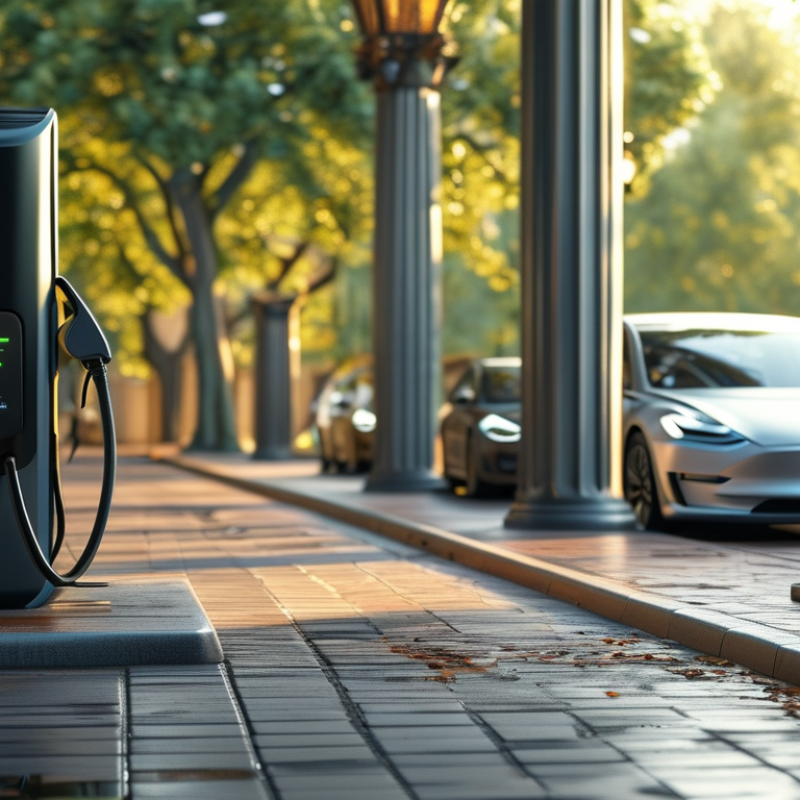
What is Electric Vehicle (EV) Charging and Why It Matters
Electric vehicles (EVs) are transforming the automotive landscape, yet many still question what EV charging entails. EV charging is the process of transferring electricity to recharge the batteries of electric cars. Understanding this is crucial, especially as global governments set ambitious goals for reducing carbon emissions. According to a report by the International Energy Agency (IEA), EV sales surged by 40% globally in 2022, underscoring the need for efficient charging solutions.
Why does EV charging matter? It directly influences the adoption rate of electric vehicles. A study by BloombergNEF forecasts that by 2040, nearly 70% of new car sales will be electric. Adequate charging infrastructure is essential to support this growth. In the U.S., there are approximately 143,000 public charging stations as of 2023, a number that needs to triple to meet future demands.
Despite advancements, challenges persist. Charging speed varies significantly based on technology and infrastructure. Level 1 chargers can take over 12 hours for a full charge, while Level 3 chargers may only require 30 minutes. Inconsistent availability can frustrate users, revealing areas needing improvement. Additionally, battery technology must evolve to provide longer ranges and faster charging times, a fact acknowledged by many industry experts.
Types of EV Charging: Level 1, Level 2, and DC Fast Charging
Electric vehicle (EV) charging can be confusing, especially for beginners. Understanding the different types is crucial. There are three main types of EV charging: Level 1, Level 2, and DC Fast Charging. Each type has its own characteristics and use cases.
Level 1 charging uses a standard household outlet. It offers a low power output, usually around 120 volts. This option is often convenient for overnight charging at home. However, it may take up to 12-20 hours to fully charge an EV. Not the fastest, but it works well for drivers with daily short commutes.
Level 2 charging is more efficient. It typically requires a dedicated charging station and provides a power output of 240 volts. Charging time drops significantly, allowing a full charge in 4-8 hours. Many public charging stations offer this option. It can be a good choice for those on the go. However, installing a Level 2 station at home requires some investment.
DC Fast Charging is the fastest option. It provides high power levels and can charge an EV up to 80% in about 30 minutes. However, this type of charging is less common and primarily found at public charging stations. The infrastructure is improving, but accessibility can still be an issue in some areas. Balancing speed and convenience is essential for EV drivers.
Understanding Charging Infrastructure: Home, Public, and Workplace Options
Electric vehicle (EV) charging infrastructure is essential for any EV owner. Understanding the different types of charging options can help users make informed decisions. There are three primary locations where EV charging typically occurs: home, public areas, and workplaces. Each offers unique benefits and considerations.
Home charging is often the most convenient option. Many EV owners install Level 2 chargers in their garages. This can provide overnight charging, ensuring your vehicle is ready for use in the morning. However, not all homes have the electrical capacity for such installations. Inadequate wiring or space limitations can pose challenges.
Public charging stations offer flexibility for longer trips. These stations vary in charging speed and availability. While some locations provide fast charging, others may have slower options. Additionally, finding a nearby charging station can sometimes be a hassle. There’s often a need for better maps and apps that show real-time availability.
Workplaces are another growing option. Companies are increasingly recognizing the importance of supporting their employees' green transportation choices. Yet, not every workplace has committed to installing EV chargers yet. Access may depend on your employer’s policies, and not all employees may have equal access to these facilities.
How to Charge Your EV: Step-by-Step Process and Tips
Charging your electric vehicle (EV) can seem overwhelming at first. However, breaking it down into simple steps makes it easier. Locate a charging station. These stations are often found in public places. Make sure the station accepts your EV type. Some stations may not be compatible.
Once at the station, park your vehicle correctly. Accessing the charging port usually requires removing a cap. Take a moment to read the instructions on the station. Connect the charger to your vehicle. You should hear a sound indicating a secure connection. Monitor the charging status through your car's display or the station's screen.
Patience is essential. Charging times can vary by battery size and charger type. Level 1 chargers take longer, while Level 3 chargers are quicker. Always ensure that your vehicle is ready to be unplugged after the charging session ends. Leaving the charger connected longer than necessary can be unhelpful. It’s easy to overlook these details, but they matter. Pay attention to warning lights or notifications. Each charging experience helps build your understanding and confidence in using EV charging stations.
How Does EV Charging Work for Beginners - A Complete Guide
| Charging Type |
Charging Speed (Miles per Hour) |
Best For |
Typical Locations |
Charging Time |
| Level 1 |
4-5 miles |
Home Charging |
Residential Outlets |
8-12 hours |
| Level 2 |
10-60 miles |
Home or Public Charging |
Homes, Public Charging Stations |
4-8 hours |
| DC Fast Charging |
60-100 miles |
Quick Charges |
Highway Rest Stops |
30 minutes |
| Wireless Charging |
Varies |
Convenience |
Home, Smart Parking |
Depends on system |
Factors Influencing Charging Time and Efficiency for EVs
Charging an electric vehicle (EV) is influenced by several key factors. Understanding these can help you optimize your charging experience. One primary factor is the type of charger used. Level 1 chargers are slow, typically taking many hours. Level 2 chargers are faster, while DC fast chargers can charge an EV to 80% in about 30 minutes. Choosing the right charger is crucial based on your needs.
Another important aspect is the battery capacity of the EV. Larger batteries usually take longer to charge but offer greater range. The ambient temperature also plays a role. Cold weather can slow down the charging process. Similarly, hot conditions can affect efficiency, leading to energy loss.
Lastly, the state of the battery impacts charging time. A battery close to empty will charge more slowly than one that's partially filled. Regular maintenance and monitoring can help you stay aware of your battery's health. This complexity might seem daunting at first, but it's essential for maximizing the efficiency of your EV charging routine. Understanding these factors can significantly enhance your experience as an EV owner.
Charging Time Comparison for Different EV Charging Levels
This chart displays the average charging time required for electric vehicles (EVs) at different charging levels: Level 1, Level 2, and DC Fast Charging. Understanding these differences can help EV users better plan their charging needs.
FAQS
: Locate a charging station in a public area. Ensure the station supports your EV type.
Park properly and remove the charging port cap. Follow the station's instructions carefully.
It helps you know when your vehicle is charged and ready to use again.
Level 1 chargers are slow, while Level 2 and DC fast chargers are quicker, saving you time.
Charger type, battery capacity, ambient temperature, and battery state all impact charging times.
Charging durations can vary. Rushing may lead to mistakes or missed notifications.
Cold temperatures can slow down the charging process, making it take longer.
Leaving it connected unnecessarily can lead to inefficiency. Unplug when charging is done.
Larger batteries take longer to charge but provide greater range for your EV.
Regular monitoring and maintenance help ensure your battery charges efficiently.
Conclusion
In the guide "How Does EV Charging Work for Beginners," we explore the essentials of electric vehicle charging and its significance in today's eco-friendly transportation landscape. Understanding the different types of EV charging—Level 1, Level 2, and DC Fast Charging—provides newcomers with a comprehensive overview of charging options available. The article also breaks down charging infrastructure, highlighting various locations such as home, public, and workplace charging solutions that cater to different needs.
Additionally, the guide presents a step-by-step process on how to charge your EV correctly, offering helpful tips for effective charging. Factors that influence charging time and efficiency are discussed to help users maximize their EV experience. This comprehensive approach ensures that readers gain a solid foundational understanding of how does EV charging work for beginners, empowering them to navigate their charging needs with confidence.

 Zap Charger