How to Install an EV Charging System at Home Easily?

Time:2026-09-04 Author:Amelia
0%

As the electric vehicle (EV) market continues to grow, many homeowners are considering how to install an EV charging system at home. The International Energy Agency reported that in 2022, global electric car sales surpassed 10 million, indicating a rapid shift towards sustainable transportation. With so many cars on the road, the need for convenient home charging solutions is more pressing than ever.

Installing a home charging station can seem daunting. However, understanding the steps and requirements can simplify the process. According to industry experts, a Level 2 charger is ideal for most households. It can fully charge a vehicle overnight or in a few hours, making it a practical choice for daily use. Homeowners must also consider the electrical capacity of their homes and any necessary upgrades before installation.

Challenges may arise, including permitting issues or finding a qualified electrician. Planning ahead and consulting with experts can prevent future frustrations. Learning how to install an EV charging system at home is a valuable skill that reflects a commitment to sustainability and energy innovation.
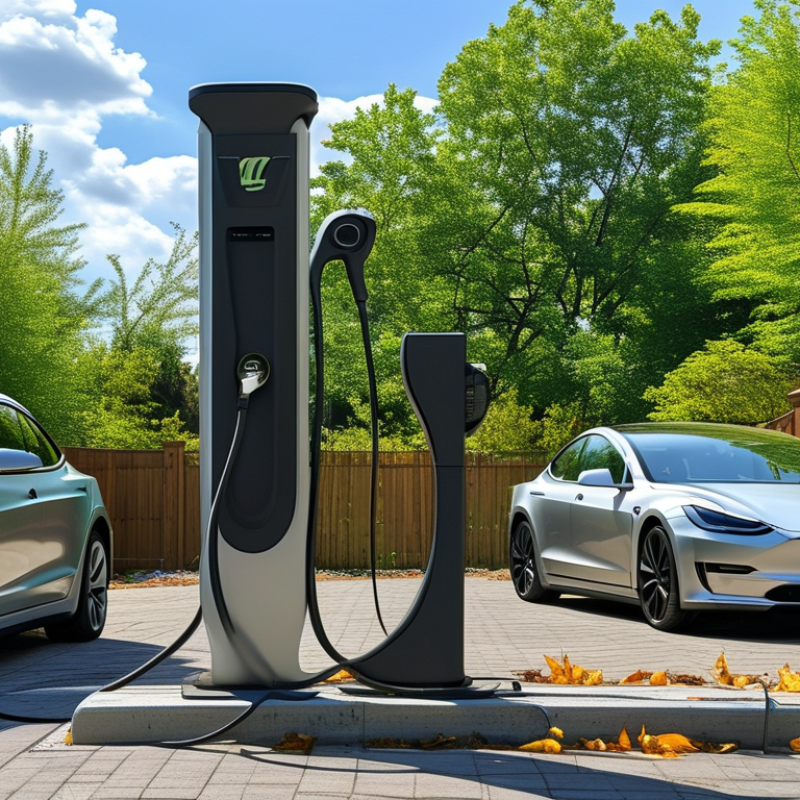
How to Install an EV Charging System at Home Easily?

Understanding the Basics of EV Charging Systems for Home Use

When considering installing an EV charging system at home, understanding the basics is essential. An EV charging system usually has three levels: Level 1, Level 2, and DC fast charging. Level 1 is the most straightforward; it uses a standard household outlet, but it charges slowly. Level 2 provides a faster charge and requires a dedicated circuit. Many homeowners prefer Level 2 for its balance of speed and convenience. However, a professional installation is often recommended to ensure safety and compliance with local regulations.

The charging speed largely depends on the home's electrical infrastructure. Some older homes may need electrical upgrades. This can be an unexpected hurdle. Many homeowners overlook this aspect, leading to potential delays and increased costs. It's vital to consult with a licensed electrician before making any decisions. Assessing your energy requirements will help you avoid unexpected challenges. Also, consider your daily driving habits. If you use your EV frequently, investing in a robust charging system is worthwhile. Learning about the differences in charging systems enables you to make informed choices that suit your lifestyle and needs.

Evaluating Your Home's Electrical Capacity for EV Charger Installation

When considering the installation of an EV charging system at home, it's crucial to evaluate your electrical capacity. This ensures safety and efficiency. Start by checking your current electrical panel. Most homes need a panel with at least 200 amps for a Level 2 EV charger. If your panel is older or smaller, you may need an upgrade.

Understanding your home’s wiring is essential. Older homes might have outdated wiring that can’t handle the additional load of an EV charger. Inspecting your home’s circuit breakers and wiring quality can prevent future issues. Professionals can assess these factors effectively.

Tips for assessment: Check the age of your electrical systems. If they are 20 years or older, consider consulting an electrician. Evaluate your typical energy usage. Understanding your consumption helps gauge how an EV charger will fit. Engage a licensed electrician for a load calculation. This provides insight into your home's capacity for accommodating the new charger.

Getting the right capacity in place can make the installation process smooth. However, only some homes will have adequate infrastructure. Consider your long-term energy needs as more devices come online. Reflecting on your current electrical setup is vital for safe and efficient EV charging.

How to Install an EV Charging System at Home Easily?
Aspect Details
Electrical Capacity Check if your home's electrical panel can handle additional load: Ideally, at least 200 Amps.
Circuit Type Determine whether you need a Level 1 (120V) or Level 2 (240V) charger based on vehicle needs.
Permit Requirements Check local regulations or homeowner association guidelines for installation permits.
Location Select a location for the charger that is easily accessible and compliant with safety regulations.
Installation Cost Estimate overall costs, which can range from $500 to $2,000 depending on the type of charger and installation complexity.
Professional Help Consider hiring a licensed electrician for installation to ensure safety and compliance with codes.
User Manual Familiarize yourself with the charger’s user manual for operating instructions and safety tips.

Choosing the Right EV Charger Model for Your Electric Vehicle

When choosing the right EV charger for your electric vehicle, consider several key factors. The market offers Level 1, Level 2, and DC fast chargers. Level 1 chargers use a standard household outlet, providing 4-5 miles of range per hour. However, many users find this too slow for daily needs. According to the U.S. Department of Energy, over 80% of EV charging occurs at home. Thus, investing in a Level 2 charger is often advisable.

Level 2 chargers can deliver 10-60 miles of range per hour. This efficiency is crucial for users who rely on their EVs for commutes. It's estimated that the average home charger costs between $400 to $1,200. Installations can add $500 to $2,000, depending on infrastructure. Consider your home’s electrical capacity and the distance from the service panel. Some homes may require upgrades to support a Level 2 charger.

Safety should also be a priority. Look for chargers with safety certifications and consider geographical factors. In areas prone to flooding or severe weather, protective measures are essential. Understanding your specific needs and circumstances can guide your decision-making process in selecting an appropriate EV charger. Not every charger suits every vehicle or homeowner. Take the time to research and reflect on your personal usage patterns and charging requirements.

Step-by-Step Guide to Installing Your EV Charging Station

Installing an EV charging station at home can seem daunting. However, many homeowners are choosing this eco-friendly upgrade. A recent report by the International Energy Agency (IEA) indicated that by 2030, global electric vehicle (EV) sales could reach 30 million units annually. This surge in EV ownership makes having a personal charging system more essential.

Start by assessing your electrical system. You will need a dedicated circuit for your charger. Most home circuits are either 120V or 240V. A 240V outlet can significantly reduce charging time. According to the U.S. Department of Energy, a Level 2 charger can fully charge an EV in under eight hours, compared to up to 20 hours using a standard outlet. Check with local regulations. Understanding which permits are needed can prevent future issues.

When selecting the charger, consider factors like power level and compatibility. Installation can be performed by an electrician to ensure safety and compliance with codes. Remember to evaluate your charging needs and patterns. It’s important to choose a point that’s user-friendly but also mindful of your electric panel's capacity. Regular maintenance and monitoring of the system can lead to better performance but might require extra effort. Balancing convenience with safety and efficiency is vital in this process.

Ensuring Safety and Compliance: Permits and Regulations for Home Installations

When installing an EV charging system at home, safety and compliance cannot be overlooked. Obtaining the necessary permits is crucial. The National Fire Protection Association emphasizes that improper installation can lead to electrical hazards. Many homeowners underestimate this step, potentially resulting in fines or unsafe conditions.

Check with your local government about specific permit requirements. Different regions have diverse regulations regarding wiring and equipment standards. According to the International Code Council, about 40% of residential electrical installations do not comply with local codes. This statistic highlights the importance of ensuring your installation meets all requirements.

Consider consulting professionals for the installation. An experienced technician can ensure compliance with all safety regulations. This proactive step can save you from potential liabilities.

While it may be tempting to cut corners to save time, the consequences can be severe. Regular inspections and compliance checks are necessary to maintain safety. If you're unsure, reach out to your local utility for guidance; they often have resources available.

FAQS

: How do I evaluate my home's electrical capacity for an EV charger?

: Start by checking your electrical panel. Ensure it has at least 200 amps for a Level 2 charger.

What if my home's wiring is outdated?

Old wiring might not handle the load. Inspecting circuit breakers and wiring quality is crucial.

Should I hire a professional for the assessment?

Yes, a licensed electrician can perform a load calculation. This reflects your home's ability to support the charger.

What are common energy usage considerations?

Evaluate your current energy consumption. Understanding this helps gauge the fit for an EV charger.

Is a 240V outlet necessary for charging?

A 240V outlet significantly reduces charging time. It can fully charge in under eight hours, unlike standard outlets.

Why are permits important for EV charger installation?

Obtaining the proper permits ensures compliance. Missteps can lead to fines or electrical hazards.

How can I ensure compliance with local regulations?

Check with your local government for specific permit requirements. Regulations vary by region.

What are the consequences of improper installation?

Improper installation may lead to electrical hazards. It can also result in legal liabilities for homeowners.

Do I need ongoing maintenance for my charging system?

Yes, regular maintenance is essential for optimal performance. Monitoring can require extra effort but is important.

How do I choose an appropriate charging location?

Consider user-friendliness and the electric panel's capacity. Balancing convenience with safety is vital.

Conclusion

When considering how to install an EV charging system at home, it is crucial to understand the fundamentals of these charging systems. Begin by evaluating your home's electrical capacity to ensure it can support the additional load from an EV charger. Selecting the appropriate charger model that matches your electric vehicle is essential for effective charging.

Once you have made these assessments, follow a step-by-step guide to install your EV charging station safely. This process can involve electrical work, so it’s important to ensure compliance with local permits and regulations to maintain safety throughout the installation. By adhering to these guidelines, you can successfully set up your home charging system for electric vehicles efficiently.

Amelia

Amelia

Amelia is a seasoned marketing professional with a wealth of expertise in our company’s core offerings. With an unwavering passion for driving growth and innovation, she plays a pivotal role in shaping our marketing strategies and enhancing brand visibility. A key aspect of her responsibilities......