Electric vehicles (EVs) are transforming the way we think about transportation. With more people owning EVs, having a reliable charging station at home has become essential. Installing an EV charging system at home brings numerous benefits. It's convenient, cost-effective, and often more efficient than using public stations.
Understanding how to install an EV charging system at home might seem daunting. However, with the right guidance, it can be a straightforward process. Many homeowners may overlook key details, leading to potential issues later. Choosing the right type of charger is crucial. It's important to consider the electrical capacity of your home.
Incorporating an EV charging system isn't just an upgrade; it's a forward-thinking investment. It can increase your home's value and reduce future fuel costs. However, mistakes can happen during installation if you're not careful. Planning and expert advice are vital to ensure a reliable setup. Embracing this change can be both exciting and challenging.
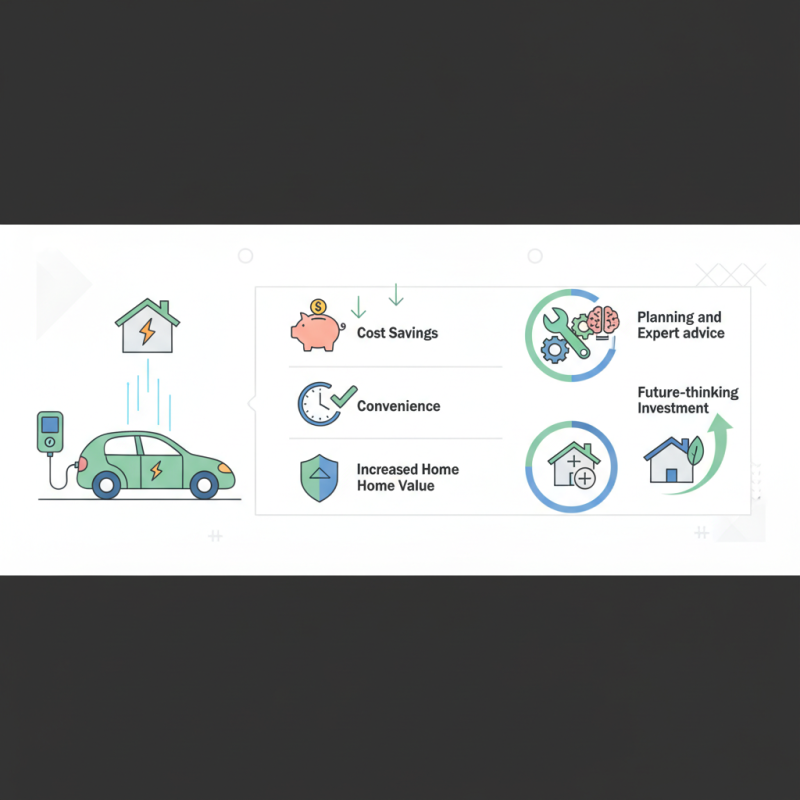
Installing an EV charging system at home offers numerous advantages. One of the most significant benefits is convenience. Imagine returning home from a long day and plugging in your vehicle. You can charge it overnight while you sleep, ensuring it’s ready for your next trip in the morning. This daily routine eliminates the hassle of searching for public chargers, especially during peak hours.
Another key benefit is cost savings. Charging your EV at home is often cheaper than relying on public stations. You can take advantage of off-peak electricity rates, allowing you to save money over time. Additionally, having a home charging system can increase your property value. Homebuyers are increasingly interested in energy-efficient features. This investment can make your home more attractive on the market.
However, there may be challenges to consider. Not all homes are equipped for EV charging without upgrades. Some may need electrical work or permits to install a charging station. It’s essential to evaluate your home’s electrical capacity before making a decision. While the process can be complex, the long-term benefits often outweigh these initial hurdles.
| Benefit | Description | Estimated Savings ($) | Installation Cost ($) |
|---|---|---|---|
| Convenience | Charge your EV overnight without needing to visit a public charging station. | $200 annually | $500 - $2,000 |
| Cost Savings | Potentially lower energy rates at home compared to public charging stations. | $100 - $300 annually | $500 - $2,000 |
| Increased Home Value | Home with EV charging stations may attract more buyers in the future. | Varies | $500 - $2,000 |
| Environmental Impact | Promotes the use of clean energy, reducing carbon footprint. | Indirect savings on carbon credits | $500 - $2,000 |
| Government Incentives | Many states offer tax credits or rebates for EV charger installations. | $100 - $1,000 | $500 - $2,000 |
: The main benefit is convenience. You can charge your vehicle overnight and avoid public charging hassles.
Charging at home is typically cheaper than public stations. You can benefit from off-peak electricity rates.
Yes, homes with EV charging systems can be more attractive to buyers. Energy-efficient features draw interest.
Yes, some homes may need electrical upgrades or permits. Assessing your electrical capacity is important before deciding.
Schedule your charging during off-peak times. Using smart home technology can help with this.
Yes, it allows using renewable energy and reduces reliance on fossil fuels. However, consider the environmental costs of battery production.
Not necessarily. Some households may benefit less from the installation due to individual energy needs and usage patterns.
Yes, some regions offer rebates or tax deductions for homeowners who install home EV charging systems. Research local opportunities.
The production of EV batteries can harm ecosystems. Thoughtful energy use is essential for genuine sustainability.
Not always, as it depends on personal travel and energy needs. Balancing both options may be necessary for certain situations.
Installing an EV charging system at home offers numerous benefits for electric vehicle owners, including significant cost savings compared to relying on public charging stations. By analyzing the expenses associated with home charging versus public alternatives, it becomes clear that having a dedicated charging unit can lead to lower electricity bills over time. Additionally, the convenience of charging at home eliminates the need for frequent stops at public stations, making it easier for owners to maintain their vehicles.
Furthermore, adding an EV charging station can enhance the property's value, appealing to environmentally conscious buyers in a market increasingly focused on sustainability. Home charging solutions also contribute to a lower carbon footprint, supporting eco-friendly practices. For those interested in the process, understanding how to install an EV charging system at home can be a crucial step toward reaping these rewards while also promoting greener living.

 Zap Charger