Electric vehicles (EVs) are becoming increasingly popular in China, but charging costs can be a significant concern for owners. Many prospects wonder how to reduce charging costs for EV owners effectively. This article explores practical tips that can help EV users save money while benefiting from cleaner transportation.
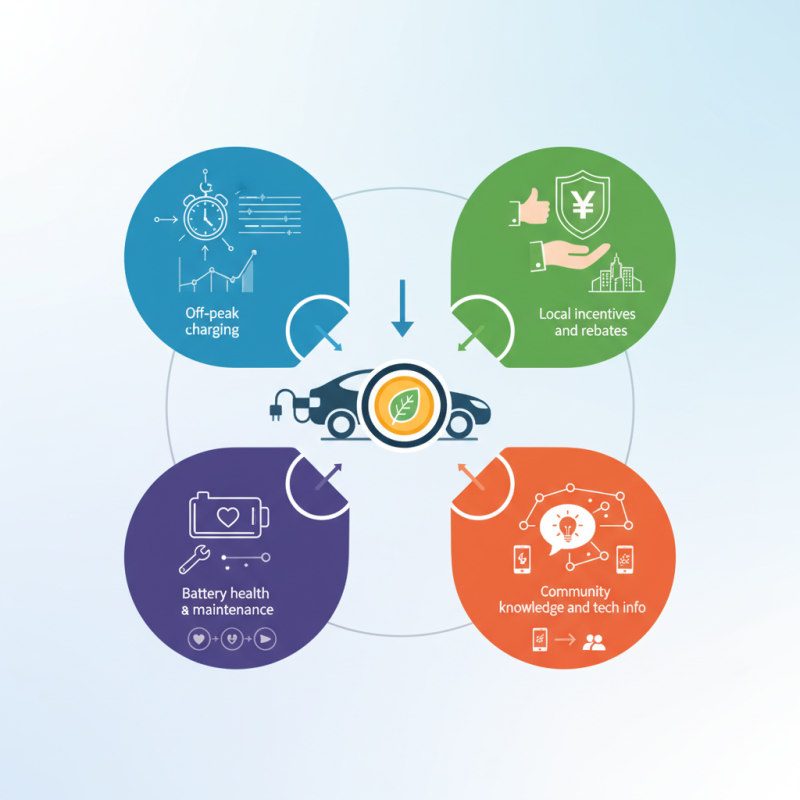
China's charging infrastructure is rapidly expanding, yet prices vary across regions. Understanding how to navigate this landscape is crucial. Consider utilizing off-peak charging hours to take advantage of lower rates. Moreover, investigating local incentives can yield substantial savings, as some cities offer discounts or rebates to EV owners.
Every EV owner should also keep an eye on their battery's health. Regular maintenance not only extends battery life but can improve charging efficiency. It's essential to stay informed about technological advancements. Sometimes, the insights shared in online forums or community groups can provide essential guidance. Empower yourself with knowledge to make informed decisions.
Electric vehicle (EV) charging in China can be expensive. Several factors influence these costs.
Location is a key factor; urban areas often have higher rates due to demand.
In contrast, rural areas may offer more affordable options. Price fluctuations also depend on the time of day. Charging during off-peak hours usually saves money.
Another significant factor is the type of charger used.
Level 2 chargers typically charge slower than fast chargers, but they are often cheaper.
Some charging stations offer pricing based on time spent charging or electricity consumed. Understanding these differences can help EV owners manage their expenses better.
Lastly, it’s crucial to consider the charging network's efficiency.
Not all networks have the same pricing strategy, which can lead to unexpected costs. Regular users should track their charging habits.
By doing this, they can identify patterns and choose the most cost-effective options.
While navigating these factors may seem daunting, awareness can lead to substantial savings.
Charging an electric vehicle (EV) can be a significant expense for owners in China. However, taking advantage of off-peak charging hours can offer substantial savings. Many electricity providers implement lower rates during these times, typically late at night or early in the morning. EV owners can reduce their charging costs by scheduling their vehicle's charging during these hours. Setting up a smart charger can automate this process, ensuring you always charge when rates are lowest.
Additionally, understanding your local electricity pricing structure is vital. Each region may have different off-peak hours and rates. For instance, some areas may offer discounts on weekends or holidays. Keeping informed about these variations can lead to better budgeting and lower monthly bills. It’s worth noting that the savings may not always be substantial, but every little bit helps.
Moreover, consider the wear on your battery. Charging during off-peak hours can lead to a more consistent charging cycle. However, be cautious about leaving your vehicle plugged in for too long. Overcharging can harm battery life and efficiency. Regularly monitoring your vehicle's performance can help in identifying the best practices for charging. Finding the balance between saving costs and maintaining battery health requires reflection and adjustment over time.
Charging electric vehicles (EVs) can often be a financial burden for owners in China. Utilizing charging apps can significantly help in reducing these costs. These applications can assist users in identifying the most affordable charging stations nearby. Many apps feature real-time pricing, allowing you to compare costs instantly. Some platforms also offer user reviews, which can guide you toward reliable service providers.
However, not all charging stations are created equal. Sometimes, the lowest prices might compromise service quality or availability. It's vital to check for station status and reliability before heading out. Relying solely on price can lead to longer wait times or less efficient charging options. The key is to balance cost with convenience. Gathering reviews from fellow EV users can offer insight into which locations are worth it.
Exploring multiple apps can yield even better results. Some apps may highlight special promotions or offer rewards for frequent use. Different apps also provide various functionalities, helping you make informed choices. Always remember that while saving money is important, ensuring a fast and safe charging experience is equally crucial. Keep your charging habits flexible, and don’t hesitate to try new options.
| Charging Station Type | Average Cost per kWh (CNY) | Peak Hours (CNY) | Off-peak Hours (CNY) | Best Charging Apps |
|---|---|---|---|---|
| Fast Charging | 2.50 | 3.00 | 2.00 | ChargeMap, A Better Route Planner |
| Standard Charging | 1.80 | 2.20 | 1.50 | PlugShare, EVgo |
| Home Charging | 0.80 | 1.00 | 0.60 | N/A |
| Public Charging | 1.50 | 1.80 | 1.20 | ChargePoint, Electrify America |
In China, the shift to electric vehicles (EVs) is gaining momentum. However, charging costs remain a concern for many EV owners. Government policies play a significant role in lowering these expenses. Initiatives include offering subsidized electricity rates for charging stations, encouraging local governments to support charging infrastructure. According to a report by the China Electric Vehicle Charging Infrastructure Promotion Alliance, the average charging cost for EVs can be reduced by up to 30% through these incentives.
Moreover, programs like the "New Energy Vehicle Promotion Plan" have created funding opportunities for local authorities. These funds allow cities to install more charging stations, improving accessibility for EV owners. A recent survey shows that households with easy access to charging stations save around 15% on monthly energy costs. Additionally, integration with renewable energy sources is becoming more common, further decreasing dependence on fossil fuels.
Despite these advancements, challenges remain. Some regions still lack sufficient charging infrastructure, leading to higher costs and inconvenience. Many owners report difficulties in finding charging stations during peak times, which affects their overall experience. Addressing these gaps is essential for a more sustainable future. Continuous evaluation of these policies will be necessary to ensure that they effectively reduce charging costs for all EV users in China.
Installing a home charger can significantly reduce charging costs for electric vehicle (EV) owners in China. It allows for charging during off-peak hours when electricity rates are lower. With a home charger, you gain control over when and how much you pay for electricity. This long-term savings strategy can pay off within a few years, especially as electricity prices fluctuate.
Selecting the right charger is crucial. Consider the power output, installation costs, and compatibility with your EV. A capable charger can fully charge your vehicle overnight. However, installation might have unexpected complications, such as needing to upgrade your home’s electrical system. Take these factors into account when planning your charger installation.
Maintenance of the home charging unit is essential for efficiency. Regular checks can prevent issues that lead to higher energy consumption. An inefficient charger can increase costs more than expected. Paying attention to energy bills after installation will help you gauge the financial impact. Balancing upfront costs with long-term savings is key to making an informed decision.
: Urban areas often have higher rates due to greater demand. Rural locations may be more affordable.
Charging during off-peak hours usually provides cost savings. Rates can fluctuate based on the time of day.
Level 2 chargers are slower and often cheaper than fast chargers. Different pricing models exist for charging.
Not all networks have the same pricing. This inconsistency can lead to unexpected expenses for users.
A home charger allows charging during cheaper off-peak hours, saving money over time.
Consider power output, installation costs, and compatibility with your vehicle. These impact efficiency and cost.
Regular checks are needed to ensure efficiency. Neglecting maintenance can lead to higher energy costs.
Keeping records of charging times and expenses helps identify cost-effective strategies.
Yes, there might be unexpected issues, like needing electrical system upgrades. Planning is essential.
Balancing initial investment against long-term savings is vital for informed decisions.
To understand how to reduce charging costs for EV owners in China, it's essential to consider several factors influencing expenses. One of the primary recommendations is to take advantage of off-peak charging times, where electricity rates are typically lower, allowing EV owners to save significantly. Additionally, leveraging charging apps can help locate the best charging rates available, enhancing cost efficiency.
Moreover, potential savings can be unlocked through various government incentives and policies aimed at promoting electric vehicle usage. Installing a home charger can also be a strategic long-term investment, as it provides the convenience of charging at home while potentially reducing costs compared to public charging stations. By implementing these strategies, EV owners in China can effectively manage and lower their charging expenses.

Zap Charger