How to Prepare Your Home for Electric Vehicle Charging Needs?

Time:2026-06-04 Author:Ethan
0%

As electric vehicles (EVs) gain popularity, homeowners must consider how to prepare your home for electric vehicle charging. According to John Smith, an expert in residential electrical systems, “Proper preparation not only ensures safety but also maximizes efficiency for EV charging.” The transition to EVs requires more than just a vehicle; it entails an analysis of one’s home infrastructure.

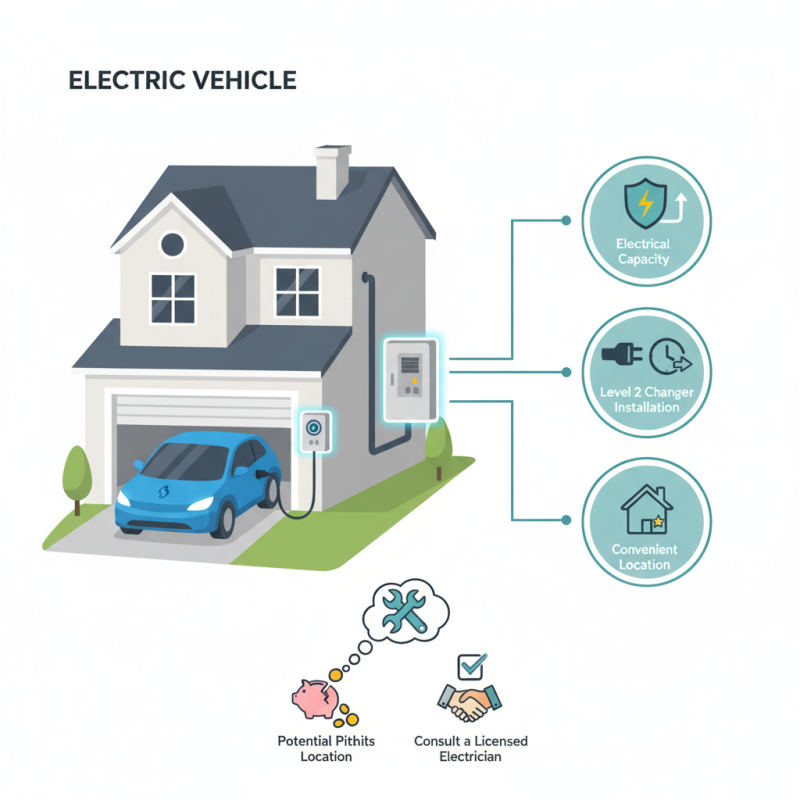
Charging an electric vehicle at home involves several steps. First, consider your home's electrical capacity. Many homes may need an upgrade to handle the increased load. Installing a Level 2 charger can significantly reduce charging time. Additionally, location is key. Placing the charger in a convenient spot can enhance daily usability. Many homeowners overlook the importance of these details.

There are potential pitfalls in this process. Misjudging electrical needs can lead to costly repairs. It's essential to consult a licensed electrician to avoid these mistakes. This preparation phase provides not just a functional charging solution, but also peace of mind in your investment. Understanding how to prepare your home for electric vehicle charging is crucial in creating a seamless experience.
How to Prepare Your Home for Electric Vehicle Charging Needs?

Assessing Your Home's Electrical Capacity for EV Charging

Assessing your home's electrical capacity for electric vehicle charging is crucial. Start by checking your existing electrical panel. It should have enough capacity to support an EV charger. Standard home panels typically range from 100-200 amps. If your panel is on the lower end, you may need an upgrade.

Tips for assessment: Look for a professional electrician. They can evaluate your setup and suggest necessary upgrades. Make sure to consider the age of your electrical system. Older systems may not meet today's demands.

Next, consider your home's wiring. Older wiring might not handle the load from an EV charger. Upgrading wiring could be crucial for safety and efficiency. Proper installation is key; a poor setup can lead to hazardous situations.

Talk to your electrician about local codes and requirements. Misunderstanding these can result in costly adjustments later. Ensure that everything is up to standard before proceeding with installation. An informed decision will save you time and money in the long run.

Choosing the Right EV Charger for Your Vehicle

Choosing the right EV charger is essential for electric vehicle owners. It can impact your charging experience significantly. Different vehicles have varied charging requirements. Consider the charging speeds needed for your lifestyle. Level 1 chargers are slower but easier to install. Level 2 chargers offer faster charging and are suitable for daily use.

When selecting a charger, check your home’s electrical capacity. Upgrading your home’s electrical system might be necessary. Think about plug types as well. Make sure your charger is compatible with your vehicle. Look for features like smart controls and energy monitoring. These can enhance your experience and save energy.

Assess the location for your charger installation. A garage or dedicated parking space is ideal. However, some might need outdoor installations. Pay attention to weatherproofing for safety. Charging cables should be long enough for convenience. Installation can be a DIY project or a professional job. Weigh the pros and cons and reflect on your best option.

Installing a Dedicated Circuit for EV Charging

When preparing your home for electric vehicle (EV) charging, installing a dedicated circuit is essential. A dedicated circuit ensures that your EV charger has the power it needs, without overloading your home’s electrical system. According to the U.S. Department of Energy, a Level 2 charger typically requires a dedicated 240-volt circuit with a minimum of 40 amps. This configuration allows for faster charging and minimizes risk.

Homeowners should consult a licensed electrician to install the circuit. This step ensures compliance with local codes. An estimated 30% of new homes across the U.S. are being equipped with EV charging circuits, reflecting the increasing demand for electric vehicles. However, some people may overlook the importance of ensuring their existing electrical system can support an EV charger. A load calculation can reveal if your home’s current setup is adequate.

Consider the placement of the charger as well. Installing it close to the parking area reduces extension cord use, which can pose safety issues. Homeowners should also think about future needs, like adding more EVs or solar panels. Reflecting on these aspects can help avoid costly renovations later. This proactive approach not only enhances convenience but also ensures readiness for the electrification of transportation.

Understanding Local Regulations and Permits for EV Chargers

When preparing your home for an electric vehicle (EV) charger, understanding local regulations is crucial. Different cities or counties may have varying rules about installation. You might need permits or adhere to specific guidelines for safety and aesthetics. Checking city websites or contacting local authorities can provide essential information. Always keep communication open with them.

Local regulations may address the distance from the street, placement of the charger, and wiring specifications. Some areas might even have restrictions on power supply upgrades. It's important to assess these requirements early in the planning process. In some cases, homeowners have faced unexpected delays due to unawareness of regulations. It’s better to be thorough than rushed.

Once you’ve understood the local regulations, consider consulting with a certified electrician. They can guide you through the compliance process. Remember, local codes evolve over time. Staying updated is beneficial. This effort ensures safety and may lead to a more efficient installation. Don’t overlook simple things like zoning laws. They could impact your installation plans significantly.

Home Preparation for Electric Vehicle Charging Needs

Creating an Optimal Space for Easy EV Charging Access

Creating an optimal space for electric vehicle (EV) charging requires careful planning. Start by assessing your available parking area. Is it well-lit? Is there enough room to maneuver? These factors are crucial for safety and ease of access. Consider installing a dedicated outlet near your parking spot. This logistics detail can save time and frustration during charging.

Cable management is another important aspect. Use hooks or wall-mounted organizers to keep charging cables tidy. This prevents tripping hazards and keeps the area organized. It may seem trivial, but a cluttered space can lead to accidents. The right arrangement promotes a smoother charging experience.

Moreover, think about your home's electrical capacity. An electrician can help evaluate if your system can handle charging demands. This step might expose limitations in your current setup. Regular maintenance of your electrical system ensures reliability and safety in the long run. Preparing your home for EV charging is a continuous process, inviting reflection and adaptation as your needs change.

How to Prepare Your Home for Electric Vehicle Charging Needs? - Creating an Optimal Space for Easy EV Charging Access

Aspect Recommendation Considerations
Location of Charger Install near parking space Ensure easy access for EV
Electrical Capacity Upgrade home electrical system if needed Check local electrical codes
Charger Type Choose Level 2 charger for faster charging Consider home charging habits
Weather Protection Install charger in a sheltered area Protect from rain and snow
Cable Management Use cable organizer or holder Minimize tripping hazards
Safety Features Ensure charger has safety certifications Look for features like surge protection

FAQS

: Why is choosing the right EV charger important?

: It impacts your charging experience and ensures compatibility with your vehicle's requirements.

What are the differences between Level 1 and Level 2 chargers?

Level 1 chargers are slower, while Level 2 chargers offer faster charging suitable for daily use.

Do I need to upgrade my home’s electrical system for an EV charger?

You might need to upgrade, depending on your home's electrical capacity and the charger’s requirements.

What should I consider when installing a charger at home?

Assess your garage or parking space, weatherproofing, cable length, and whether to DIY or hire a professional.

Is installing a dedicated circuit necessary for EV charging?

Yes, a dedicated circuit ensures adequate power without overloading your electrical system, especially for Level 2 chargers.

How can I ensure compliance with local regulations for EV chargers?

Research local rules, obtain necessary permits, and consult a licensed electrician for guidance throughout the installation process.

What might happen if I overlook local regulations?

You could face unexpected delays or issues with your installation, leading to frustration and additional costs.

How can I prepare for future needs with my EV charger?

Consider potential future additions like more EVs or solar panels when planning the installation.

What are some common mistakes people make when installing EV chargers?

Many overlook checking electrical capacity or don’t research local regulations thoroughly, leading to complications.

Why is understanding wiring specifications important?

Proper wiring is crucial for safety and compliance, impacting the overall efficiency of your EV charging.

Conclusion

To effectively learn how to prepare your home for electric vehicle charging, it is essential to first assess your home's electrical capacity to ensure it can handle the additional load that an EV charger would require. By understanding your current electrical system, you can determine whether upgrades are needed. Next, selecting the right EV charger tailored to your vehicle's specifications will optimize charging efficiency.

Once you have chosen the suitable charger, installing a dedicated circuit is crucial to avoid overloading existing circuits and to ensure safe operation. Additionally, it's important to familiarize yourself with any local regulations and permits that may apply to the installation of EV chargers in your home. Finally, creating an optimal space for easy access to the charging station will facilitate a seamless experience, making it convenient to charge your vehicle safely and efficiently.

Ethan

Ethan

Ethan is a seasoned marketing professional with a deep expertise in our company's innovative product line. With a passion for sharing knowledge and insights, he takes the lead in regularly updating our corporate blog, where he explores industry trends, product features, and effective marketing......