How to Prepare for Installing an EV Charger at Home?

Time:2026-07-31 Author:Isabella
0%

Installing an EV charger at home can be a rewarding step towards sustainability. However, it’s crucial to understand the complexities involved. According to John Smith, an electrical engineer with over 15 years of experience in renewable energy, “What many homeowners overlook is the importance of proper electrical assessments.” This insight speaks to what should you know before installing an EV charger at home.

Homeowners must first consider their current electrical capacity. The installation of a Level 2 charger often requires a dedicated circuit. If your home’s electrical system is outdated, upgrades may be necessary. Assessing the amperage and age of your panel can save costly errors down the line.

Another critical aspect is location. The placement of the charger affects convenience and safety. A poorly located charger can become a hassle, especially in inclement weather. Misjudging distances can lead to expensive reinstallation later. Reflecting on these factors ahead of time can lead to a smoother installation process and a better long-term experience.
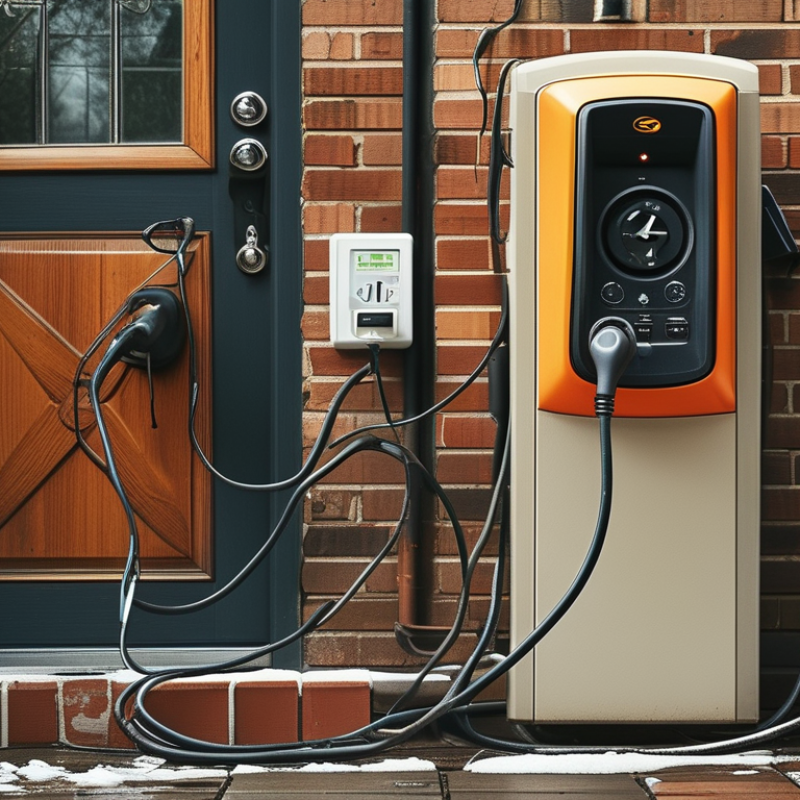
How to Prepare for Installing an EV Charger at Home?

Assess Your Home's Electrical Capacity for EV Charger Installation

When considering the installation of an EV charger at home, assessing your home's electrical capacity is essential. Start by checking your electrical panel. It should have enough amperage to support a new charger. Most homes have either 100, 150, or 200 amps. If your home is on the lower end, you may need an upgrade.

Next, evaluate your current electrical usage. List all major appliances and their power consumption. This will give you a clearer picture of how much capacity is available. You might find that simultaneous use of multiple devices could overload your system. It’s crucial to avoid these situations.

Consider hiring a licensed electrician for a thorough assessment. They can determine if additional wiring or circuit breakers are necessary. Document their recommendations. Installation can be costlier if unexpected issues arise, so be proactive about planning. A well-prepared home can make the transition to electric vehicle ownership smoother.

Choose the Right Type of EV Charger for Your Needs

Choosing the right type of EV charger is crucial for an efficient home charging solution. As electric vehicles (EVs) gain popularity, understanding your charging needs becomes vital. According to a recent report by the U.S. Department of Energy, Level 2 chargers offer a significant reduction in charging times compared to Level 1 chargers. This can be particularly beneficial for households with multiple EVs or higher daily mileage.

Consider your daily driving habits and home electricity capacity when making a choice. If you drive less than 40 miles daily, a Level 1 charger might suffice. However, for those with longer commutes, a Level 2 charger, which can add about 25 miles of range per hour, is a smarter investment. Wiring can vary in complexity, and consultation with a qualified electrician is often necessary.

It’s important to evaluate your specific charging needs. A common mistake is underestimating daily mileage, leading to inadequate charging solutions. On the other hand, overestimating may result in unnecessary expense on a more powerful unit. Moreover, installation costs can vary widely, impacted by home electrical systems and local regulations. Research local incentives, as they may offset costs. Keeping these factors in mind can help streamline the installation process and improve vehicle readiness.

How to Prepare for Installing an EV Charger at Home? - Choose the Right Type of EV Charger for Your Needs

Type of EV Charger Charging Speed Ideal Use Case Installation Difficulty Cost Estimate
Level 1 Charger 2-5 miles of range per hour Homeowners who charge overnight Easy $300 - $600
Level 2 Charger 10-60 miles of range per hour Daily commuters Moderate $500 - $1,500
DC Fast Charger 60-100 miles of range in 20-30 minutes Frequent long-distance travelers Difficult $10,000 - $40,000

Identify the Ideal Location for the EV Charger Installation

When preparing to install an EV charger at home, location is vital. A well-chosen spot enhances convenience and efficiency. According to a study by the International Energy Agency, proper placement can reduce charging time by up to 30% under optimal conditions. Evaluating your home layout is crucial.

Consider close access to your parking area. If the charger is far from your vehicle, it may lead to longer charging times or potential hazards with extension cords. Indoor garage installations often provide better protection from weather elements. However, outdoor installations can utilize sunlight to improve energy efficiency. A 2022 report noted that home installations may see return on investment through increased property value, showcasing the significance of strategic placement.

Lighting is another factor. A well-lit area increases safety when connecting and disconnecting the charger. Think about accessibility too. If you have multiple vehicles, positioning the charger favorably can make a big difference. Reflect on these factors during the decision-making process. Remember, an ideal setup might require adjustments based on your home's structure and layout. Achieving efficiency often requires careful consideration and sometimes compromises.

Understand the Local Regulations and Permits Required

When planning to install an EV charger at home, understanding local regulations is crucial. Different regions have varying requirements for installation. Start by checking your city or county’s building codes. These codes often dictate the type of charger you can install, its placement, and the electrical standards it must meet.

Permits are typically required for installation. Contact your local government or building department to find the necessary permits. Some areas may have specific rules about safety inspections and zoning laws. Make sure you have all relevant documents ready before proceeding. This preparation can save you time and potential headaches.

Consider hiring a licensed electrician familiar with local regulations. They can guide you through the process and ensure compliance. Many homeowners overlook this step, assuming it's an easy DIY task. Relying on professionals can prevent future issues and ensure your installation meets safety standards. Understanding these rules provides peace of mind.

Electric Vehicle Charger Installation Regulations

This bar chart illustrates the regulations and permits required for installing an EV charger at home. It indicates the percentage of cases that require a permit, the average processing time for permits in days, and estimated installation costs. Understanding these factors is crucial for homeowners considering EV charger installation.

Engage a Qualified Electrician for Safe Installation and Setup

When preparing for an EV charger installation at home, engaging a qualified electrician is crucial. They possess the expert knowledge and experience needed to ensure a safe and effective setup. Look for electricians with specific training in EV charger installations. This specialization matters; it reduces the risk of electrical mishaps and ensures compliance with local regulations.

An electrician will assess your home’s electrical system. They understand load capacities and existing wiring. This evaluation helps in choosing the right charger. Sometimes, older homes may require upgrades to handle the increased load. Not every electrician is familiar with these requirements, so choosing the right one can make a significant difference.

Even with expertise, communication with your electrician is key. Discuss your charging needs, daily usage, and possible future upgrades. Sometimes, electricians may have differing opinions about the installation process. Be open to their suggestions but ensure they align with your specific requirements. This collaborative approach can yield a safer and more efficient charging solution. Remember, your goal is to create a reliable and convenient charging experience at home.

FAQS

: Why is it important to understand local regulations for EV charger installation?

: Local regulations vary significantly. Understanding them ensures compliance with building codes and safety standards.

What should I check before installing an EV charger?

Check your city or county’s building codes. They dictate what type of charger can be installed and its placement.

Are permits always required for EV charger installation?

Typically, yes. Contact your local building department to learn about necessary permits and safety inspections.

Can I install an EV charger myself?

While it may seem easy, hiring a licensed electrician is advisable. They ensure compliance with local regulations and safety.

How can a licensed electrician help with the installation?

They assess your home's electrical system and help choose the right charger, considering load capacities and existing wiring.

What should I discuss with my electrician before installation?

Talk about your charging needs, daily usage, and any future upgrades. Good communication is vital for a successful installation.

Do older homes need special considerations for charger installation?

Yes, older homes may need electrical upgrades to support the new charger, so an assessment is essential.

What happens if I don't follow local regulations?

Ignoring local rules can lead to installation issues or safety hazards. It’s crucial to follow the regulations for peace of mind.

How can communication improve the installation process?

Clear communication allows for aligning the electrician's suggestions with your needs, ensuring a safer and more efficient outcome.

Is hiring a specialized electrician really necessary?

While it might seem like an extra cost, it reduces risks and ensures compliance. This investment can prevent future issues.

Conclusion

Before installing an EV charger at home, it’s essential to understand several key factors. First, assess your home’s electrical capacity to ensure it can handle the additional load of an EV charger. Next, consider the different types of chargers available to choose one that best fits your needs, whether it be Level 1 or Level 2 options. Identifying the ideal location for installation is also crucial, as it should be both convenient and accessible for your vehicle.

Additionally, it's important to know the local regulations and permits necessary for installation, as these can vary by jurisdiction. Engaging a qualified electrician will ensure a safe and compliant installation process. By understanding what should you know before installing an EV charger at home, you can facilitate a smooth transition to electric vehicle ownership.

Isabella

Isabella

Isabella is a dedicated marketing professional with a sharp focus on driving brand growth and engagement through strategic content creation. With an extensive background in digital marketing, she combines her passion for storytelling with her keen understanding of industry trends to deliver......