How to Prepare for Installing an EV Charger at Home?

Time:2026-04-29 Author:Oliver
0%

Installing an EV charger at home is a significant decision. Many homeowners are excited about the benefits of electric vehicles. However, understanding what should you know before installing an EV charger at home is essential. This preparation can save you time and money in the long run.

Choosing the right location for your charger is crucial. Consider factors like accessibility and distance to your EV parking space. Think about potential obstacles, such as outdoor lighting or landscaping. Selecting the right type of charger also matters. Level 1 chargers are slower but easier to install. Level 2 chargers are faster but may need extra electrical work.

Lastly, consulting with a qualified electrician cannot be overstated. They can assess your home’s electrical system and offer professional advice. This ensures your charger meets safety standards and functions properly. Remember, rushing into installation without proper planning can lead to costly mistakes.
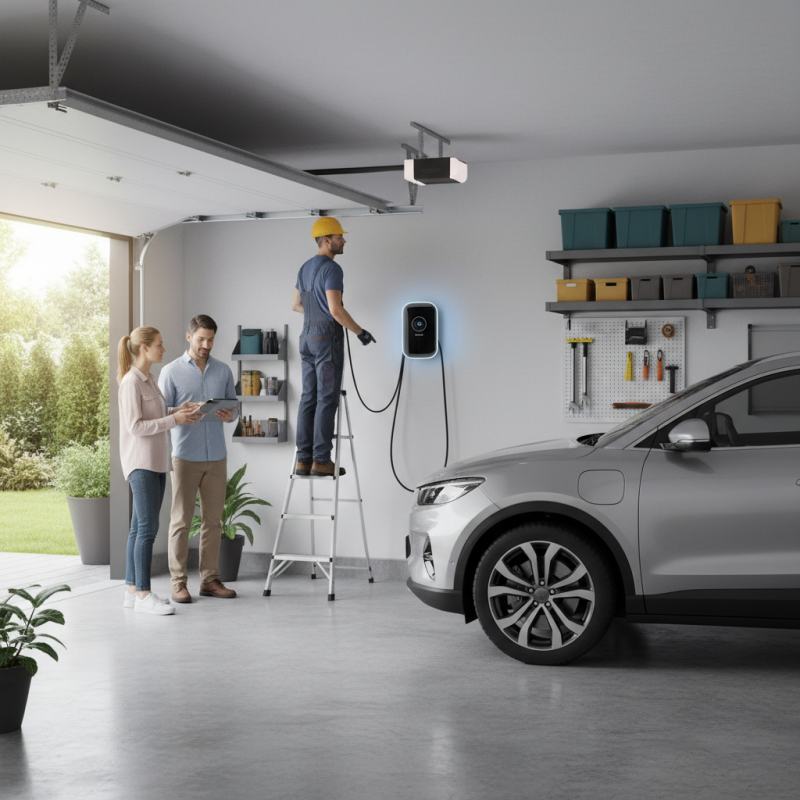
How to Prepare for Installing an EV Charger at Home?

Understanding the Basics of EV Charging and Charger Types

When considering an EV charger installation, understanding charger types is crucial. Level 1 chargers are the most basic option. They use a standard household outlet and typically provide around 4 to 5 miles of range per hour. This may be sufficient for some drivers but impractical for daily heavy use.

In contrast, Level 2 chargers are more efficient. They require a dedicated circuit, delivering 25 to 30 miles of range per hour. According to industry reports, Level 2 installations are preferred for most home users, as 80% of EV owners charge their vehicles overnight.

Beyond just the types, it’s essential to evaluate charging speed and compatibility with your vehicle model. Fast charging stations, often found in public areas, offer significant convenience for long journeys. However, at home, considering a slower charger might lead to longer wait times. Yet, a higher capacity charger may necessitate home electrical system upgrades, which can increase installation costs unexpectedly. Proper planning and assessment of your electrical setup are vital to avoid surprises and ensure a smooth charging experience. According to research, nearly 70% of EV owners report issues with charging infrastructure at home, highlighting the need for thoughtful preparation.

Evaluating Your Home's Electrical Capacity for an EV Charger

When preparing to install an EV charger at home, evaluating your home's electrical capacity is crucial. Start by assessing your current panel. Check its amperage rating. Most homes have panels rated at either 100 or 200 amps. This rating determines how much additional load your system can handle safely.

Consider the overall power consumption in your household. Appliances like air conditioners and electric heaters consume a lot of power. This can impact the installation of an EV charger. You might need an upgrade if you frequently run multiple heavy-duty devices. Consulting a licensed electrician can provide insights into your current usage and future needs.

**Tips:**
Check with local regulations regarding EV charger installations. Some areas have specific requirements.
Consider future needs as you assess your capacity. Planning ahead can save time and costs.
If your home uses an outdated wiring system, think about an upgrade. Improved wiring ensures safety and efficiency.

How to Prepare for Installing an EV Charger at Home? - Evaluating Your Home's Electrical Capacity for an EV Charger

Evaluation Criterion Description Recommended Measurement Typical Capacity
Main Service Panel Assess the capacity of your main electrical service panel Check ammeter rating 100-200 Amps
Circuit Breaker Determine if adequate circuit breakers are available Check existing breakers 40-60 Amp dedicated circuit
Wiring Condition Inspect the condition of the wiring Visual inspection and testing Copper wiring preferred
Voltage Availability Check for available voltage levels in your home Voltage testing on outlets 240 Volts for most EV chargers
Grounding Ensure proper grounding for safety Test grounding system Effective grounding system required

Selecting the Right Location for Your EV Charger Installation

Selecting the right location for your EV charger is crucial. It affects convenience and affects installation costs. Consider placing your charger near your parking spot. Accessibility is key. You want to avoid long cable runs that can be cumbersome. A shorter distance improves efficiency and reduces potential hazards.


Think about the power source as well. Your garage or driveway might have existing power outlets. This can save on electrical work. However, check that your electrical system can handle the additional load. Consulting with a professional ensures safety and compliance. You wouldn’t want to face issues later.


Consider the weather elements too. If your charger is outside, protection against rain and snow is important. Look for a sheltered area or invest in a weatherproof cover. Some might overlook this aspect, but it can prolong the lifespan of your equipment. Lastly, consider visibility. A well-lit area will not only help during charging but also deter potential theft.

Researching Local Regulations and Permits for EV Charger Installation

When preparing to install an EV charger at home, understanding local regulations is crucial. These rules can vary significantly by city or state. Often, municipalities require permits to ensure safety and compliance. Failing to research these regulations can lead to unexpected fines or rewiring requirements later on.

For a successful installation, start by contacting your local building department. They can provide specifics about necessary permits and guidelines. Check if there are any restrictions on where the charger can be located. Some neighborhoods have regulations regarding the aesthetic aspects of such installations. Engaging with the community may also help you gather information about common challenges.

After gathering the necessary information, you may find that your plans need adjustments. These changes might seem inconvenient, but they can enhance safety and functionality. Reflecting on the process might reveal areas of overlooked detail, such as proper electrical capacity. It's essential to plan meticulously to avoid potential setbacks during installation.

Choosing a Qualified Electrician for Professional Installation

When preparing to install an EV charger at home, choosing a qualified electrician is crucial. Look for professionals with experience in electric vehicle charger installations. Not all electricians have adequate training for this specific task. Their expertise can significantly impact the safety and efficiency of your charging setup.

Check online reviews and ask for references. A reputable electrician will have a proven history of successful installations. Without this, you’re taking a risk. Ensure they are licensed and insured, as this protects you in case of any issues during installation. Discuss your home’s electrical system with them to confirm compatibility.

Moreover, don’t hesitate to ask questions. An experienced electrician should be willing to explain the process and address your concerns. Pay attention to their communication style; it reflects their professionalism. If they seem vague or unsure, reconsider your options. Proper installation is essential for the longevity of your EV charger and overall home safety.

FAQS

: What are the main types of EV chargers?

: The main types are Level 1 and Level 2 chargers. Level 1 uses a household outlet. It offers 4 to 5 miles of range per hour.

How efficient are Level 2 chargers?

Level 2 chargers use a dedicated circuit. They deliver 25 to 30 miles of range per hour. This is better for most home users.

What should be considered when installing an EV charger?

Think about the charger’s location. It should be near your parking spot for convenience. Long cable runs may create hazards.

Why is electrical system compatibility important?

Your home’s electrical system must handle the charger’s load. Upgrades can increase installation costs unexpectedly. Consult a professional for safety.

What effects do weather conditions have on charger installation?

Chargers outdoors need protection from rain and snow. A weatherproof cover can prolong the charger’s lifespan. Many overlook this crucial aspect.

How does charging speed affect EV owner experience?

Fast charging stations offer convenience for long trips. Slower chargers may require longer wait times at home. Proper planning is essential.

What is a common issue EV owners face at home?

Nearly 70% report issues with home charging infrastructure. Thoughtful preparation can help avoid these inconveniences and improve experiences.

What role does visibility play in charger location?

A well-lit area enhances safety during charging. It also deters theft. Pay attention to this detail for added peace of mind.

Conclusion

Before installing an EV charger at home, it is essential to understand what you should know about the various aspects involved in the process. First, familiarize yourself with the basics of EV charging, including different charger types and their functions. Next, evaluate your home's electrical capacity to ensure it can support the additional load of an EV charger. Selecting the right location for installation is crucial, as it should provide sufficient accessibility and convenience for charging.

Additionally, researching local regulations and permits is vital to ensure compliance with local laws governing EV charger installations. Lastly, choosing a qualified electrician with experience in EV charger installations is important to ensure safety and efficiency throughout the process. By considering these factors, you can ensure a smooth and successful installation of your EV charger at home.

Oliver

Oliver

Oliver is a seasoned marketing professional with a wealth of expertise in driving brand awareness and engagement. With a deep understanding of our company's product offerings, he consistently delivers high-quality content that enriches our professional blog. His insights not only shed light on......