How to Protect EV Chargers from Weather Damage in 2026?

Time:2026-11-06 Author:Sophia
0%

Electric vehicle charging networks are expanding quickly, and more equipment now sits outdoors through heat, rain, wind, and freezing conditions. The International Energy Agency’s Global EV Outlook 2024 reported more than four million public charging points worldwide by the end of 2023, an increase of over 40% in one year. That growth makes durability a practical concern, not a minor installation detail. A connector left in a puddle or a cable repeatedly dragged across icy pavement can become a maintenance problem.

So, how to protect ev charging equipment from weather damage? Start with the site, not just the charger. Water should drain away from the base, and enclosures should suit the location’s exposure. IEC 60529 defines IP ratings for protection against dust and water, but a rating alone cannot compensate for poor placement or damaged seals. Use covered parking where practical, secure cables on their holsters, and follow the manufacturer’s temperature and cleaning guidance. Small details matter. A loose gland can invite moisture inside.

Weather risks also vary by region. In the United States, NOAA recorded 27 separate billion-dollar weather and climate disasters in 2024; that figure describes economic losses, not charger failures, but it shows how demanding outdoor conditions can be. Inspect equipment after severe storms, and record recurring faults rather than repeatedly resetting them. No enclosure is magic. Even careful operators can miss early wear, so routine checks and clear service records remain essential. Some sites may need more frequent inspections than their schedules suggest.
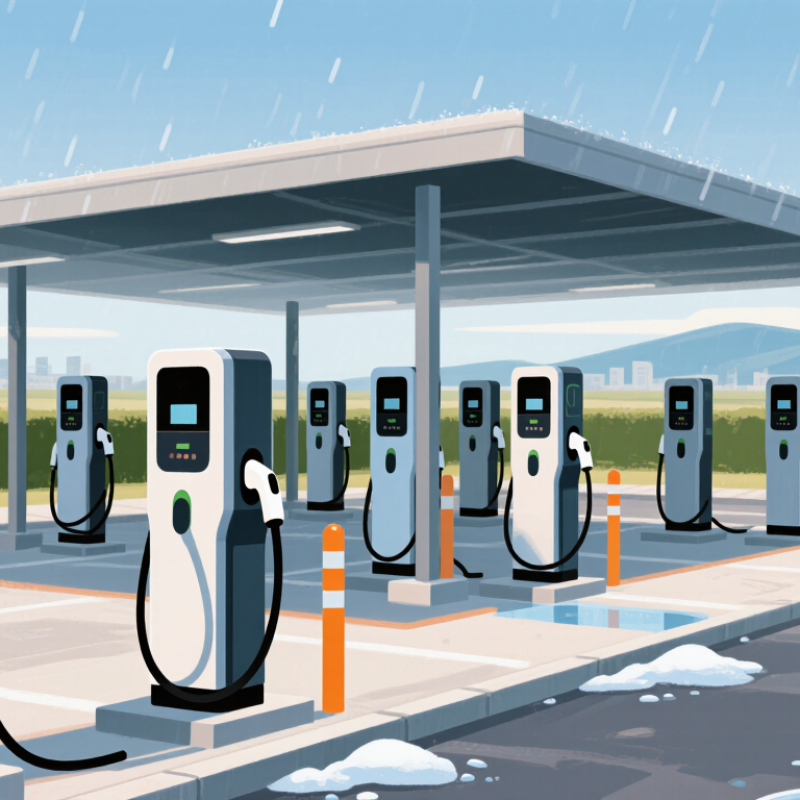
How to Protect EV Chargers from Weather Damage in 2026?

Understanding Weather Risks to EV Chargers in 2026

Understanding Weather Risks to EV Chargers in 2026

EV chargers face more than rain. Standing water can reach low-mounted connections, while windblown grit may wear seals and damage exposed cables. Sunlight and heat can stress plastics; repeated freezing and thawing can open small gaps. Salt spray and damp air may also speed corrosion near coastal sites. The risk depends on local conditions and installation, not just the charger’s enclosure rating.

The scale of extreme weather deserves attention. NOAA’s 2024 U.S. Billion-Dollar Weather and Climate Disasters report counted 27 events, with estimated losses of $182.7 billion. NOAA’s 2023 report counted 28 such events and $92.9 billion in losses. These figures are not specific to chargers, but they show why site-level weather planning matters. A high ingress rating is not a complete maintenance plan. Drainage, shade, cable routing, and routine inspections all matter, and it is easy to overlook one small detail.

Tips: Keep connectors off wet pavement, clear leaves from drains, and inspect seals after storms. Check the unit’s rated temperature and water protection against local exposure. After flooding, have equipment assessed before reuse; a dry-looking plug may still contain moisture. Record recurring problems, even if the notes seem minor.

Assessing a Charger’s Location and Exposure

Before installing an EV charger, study the exact spot through a full day and after heavy rain. A wall beneath a roof can still face wind-driven rain, afternoon sun, or water splashing from a driveway. Check where gutters drain and whether puddles form near the cable or connector. Note nearby trees, too: falling branches and wet leaves can block access or hold moisture. A sheltered-looking corner at noon may be exposed by late afternoon.

Tips: Stand where the charger will go during rain and strong sun. Look for drip lines, pooling water, salt spray, and obstacles that could strain the cable. Take photos from several angles; details are easy to miss.

Choose a location that limits direct exposure while leaving room to plug in without sharply bending the cable. Keep the unit clear of likely flood levels and avoid placing it where vehicle tires can splash mud onto it. A canopy helps, but it does not stop windblown rain or trapped heat. Check the charger’s stated outdoor-use rating and installation guidance, and ask a qualified installer to assess the site. I would not assume the driest-looking wall is safest; airflow and drainage matter, and they are sometimes overlooked. After installation, inspect seals, cable surfaces, and the surrounding area periodically, especially after storms.

Choosing Weather-Resistant Equipment and Enclosures

Weather protection begins with matching the charger’s enclosure rating to its actual location. A sheltered garage and an exposed coastal wall face different risks. Check the equipment’s ingress-protection rating and installation instructions before buying; a higher rating alone does not guarantee a suitable setup. Small gaps matter. Look for sealed cable entries, secure covers, and gaskets that remain flexible through temperature changes.

Choose enclosure materials and hardware suited to local conditions. Strong sunlight can age some plastics, while salty air can corrode ordinary fasteners. Water travels. Mount the unit where rain cannot collect around its base, and use properly rated glands where cables enter. An overhang can help, but it should not block access or required airflow. I would avoid adding a tight outer box without checking the charger’s heat-management requirements.

Moisture can also form inside an enclosure when warm equipment cools overnight. Follow the manufacturer’s guidance on ventilation, drainage, and any approved condensation controls. After a severe storm, inspect seals, cable jackets, and mounting points for cracks, looseness, or water marks. Even a careful installation can miss a small opening; regular checks are a practical way to catch wear before it becomes a larger problem.

How to Protect EV Chargers from Weather Damage in 2026

Choosing an enclosure: IPX4 protects against splashing water, IPX5 against water jets, and IPX6 against powerful water jets. IPX7 covers temporary immersion in specified test conditions; IPX8 uses conditions specified by the manufacturer. These code numbers are classifications, not a linear performance scale. Immersion ratings do not automatically mean jet protection, so check for combined ratings when both are relevant. Also verify UV, temperature, corrosion, and installation requirements.

Installing Protective Measures for Outdoor Chargers

Outdoor EV chargers face rain, windblown grit, UV exposure, freeze-thaw cycles, and flooding. Protection starts with placement, not a plastic cover. NOAA’s National Centers for Environmental Information recorded 28 U.S. billion-dollar weather and climate disasters in 2023. This is not charger-loss data, but it shows how often severe conditions affect infrastructure. Choose an elevated, well-drained location away from roof runoff and snowplow paths.

Specify an outdoor-rated charger and enclosure suited to the site. IP ratings under IEC 60529 describe resistance to dust and water, but do not guarantee protection from flooding, salt spray, or installation errors. Follow equipment instructions, preserve ventilation, and use appropriately rated conduit and sealed cable entries. A canopy can limit direct rain and sun, but keep airflow clear. Ask a qualified electrician to assess grounding and surge protection, especially in storm-prone areas. Set the pedestal above the site’s known flood level. No checklist catches every site quirk.

Tips: Inspect seals, connectors, and cable jackets each season. Look for cracks, rust, loose fittings, and standing water. Clear drains and trim nearby branches. After a storm, keep visibly damaged equipment out of service until it has been professionally inspected. Take photos during routine checks; small seal damage is easy to miss.

How to Protect EV Chargers from Weather Damage in 2026? - Installing Protective Measures for Outdoor Chargers

Weather Exposure Potential Risk Protective Measure Installation or Selection Check Inspection Practice
Rain and wind-driven water Water entering an unsuitable enclosure or reaching electrical connections can cause corrosion, faults, or shock hazards. Choose charging equipment specifically rated for outdoor use. Match its enclosure protection to the site’s exposure; an IP rating describes protection against dust and water ingress, not overall installation suitability. Check the manufacturer’s stated rating and installation instructions. Under IEC 60529, IP54 provides limited dust protection and protection against water splashes; IP66 is dust-tight and tested against powerful water jets. These ratings are not interchangeable with NEMA ratings. Check the enclosure, cable entries, covers, and seals for damage or deterioration. Follow the manufacturer’s inspection and service guidance.
Standing water and flooding Floodwater can submerge equipment, damage components, and create an electrical hazard. Install the charger and electrical connections above the site’s expected water level, where permitted by local requirements. Use a location with effective drainage and avoid low spots. Have a qualified installer assess flood exposure, mounting location, and applicable electrical and building codes. An ingress-protection rating does not mean equipment is suitable for submersion. After flooding or submersion, keep the equipment out of service until it has been assessed by a qualified professional and cleared for use.
Direct sun and ultraviolet exposure Heat can affect operating conditions, while ultraviolet exposure can degrade materials not designed for outdoor use. Use outdoor-rated equipment and UV-resistant cable-management components. Where practical, choose a shaded location that does not block ventilation or access. Check the manufacturer’s permitted operating-temperature range and clearance requirements. Do not add a cover that traps heat or obstructs ventilation. Look for discoloration, cracking, brittleness, or deformation of the enclosure, cable, and accessories.
Snow, ice, and freezing temperatures Ice buildup can obstruct connectors or cable movement; temperatures outside the equipment’s operating range can affect performance. Mount the unit where snow accumulation is less likely to block access. Store the connector in its designated holder and keep the cable off the ground when possible. Confirm the charger’s rated operating-temperature range and the manufacturer’s instructions for cold-weather use. Keep the route to the charger clear and accessible. Remove snow or ice using the method allowed by the manufacturer. Do not force a frozen connector or use tools that could damage its surfaces.
Salt air and corrosive environments Salt and moisture can accelerate corrosion on exposed metal parts and electrical connections. Choose equipment and mounting hardware suitable for the local environment. Use corrosion-resistant materials where specified by the installer or manufacturer. Check environmental limitations, approved cleaning methods, and hardware requirements before installation. Avoid unapproved coatings that could interfere with seals or electrical parts. Inspect exposed fasteners, brackets, and accessible surfaces for corrosion; arrange repair or replacement if damage affects secure mounting or safe operation.
Thunderstorms and power surges Transient overvoltage can damage electrical equipment. A charger enclosure alone does not provide complete surge or lightning protection. Have the electrical installation assessed for appropriate surge protective devices and grounding or bonding measures. Use a qualified electrician to determine protection based on the supply system, local electrical code, and equipment instructions. Do not rely on a charger’s ingress rating for surge protection. After a nearby lightning event or suspected surge, check for warning indicators or faults and follow the manufacturer’s service instructions before returning equipment to use.
Wind, impact, and debris Loose mounting, flying debris, or accidental vehicle contact can damage the charger or cable. Secure the unit to an appropriate support and route the cable to reduce trip and impact risks. Consider a suitable physical barrier where vehicle impact is possible. Follow the specified mounting method, clearances, and structural requirements. Ensure any barrier does not obstruct access or required ventilation. Check that the unit remains firmly mounted and that the enclosure, connector, and cable show no impact damage.
All-weather installation Incorrect wiring, inadequate protection, or an unsuitable location can create hazards regardless of the charger’s weather rating. Use a qualified installer, outdoor-rated equipment, and protective devices required by local electrical rules and the equipment instructions. Confirm applicable permits, circuit protection, grounding, mounting, and accessibility requirements with the local authority or qualified installer. Perform routine visual checks and arrange professional inspection or maintenance at the intervals specified by the manufacturer and local requirements.

Inspecting and Maintaining Chargers Through Each Season

In spring, check the housing for cracks, loose fittings, or water marks after heavy rain. Clear leaves and mud from vents and drainage areas. Look over the cable for cuts, flattened spots, or brittle sections. A quick glance can feel sufficient, but it may miss damage beneath a connector’s rubber seal.

Summer heat and direct sunlight can make cables stiff and housings unusually warm. Keep the cable loosely coiled and away from hot pavement when charging is complete.

In autumn, remove leaves and check that mounting hardware remains firm. Before winter, inspect seals and the charging port for moisture. Never force a frozen connector. If you see exposed wiring, persistent water inside the unit, or unusual heat, stop using the charger and contact a qualified electrician. Don’t open energized equipment.

Tips: After storms, check for standing water, shifted mounts, and tripped breakers. Photograph visible changes so you can compare them later. Follow the charger’s care instructions, and avoid pressure-washing its enclosure. Dry weather helps, but it does not prove a seal is sound.

FAQS

How do I choose a weather-resistant charger enclosure?

Match its ingress-protection rating to the location. A sheltered garage and an exposed coastal wall face different risks. A higher rating alone does not guarantee a suitable installation.

What enclosure details should I check?

Look for secure covers, flexible gaskets, and sealed cable entries. Small gaps matter. Choose materials and fasteners suited to strong sunlight or salty air.

Where should the charger be mounted?

Choose a spot where rain cannot pool around the base. An overhang may help, but it must not block access or required airflow.

Can I add an outer cover for extra protection?

Check the charger’s heat-management guidance first. A tight outer box may interfere with airflow. More covering is not always safer.

How can I check for moisture damage?

Look for water marks, cracked seals, and moisture inside the housing. Follow the installation guidance on ventilation and drainage. I might miss a tiny opening during a quick check.

What should I inspect each season?

Check the housing, cable, seals, vents, and mounting hardware. Look for cuts, flattened spots, brittle sections, loose fittings, leaves, and mud.

What should I do after a storm?

Check for standing water, shifted mounts, damaged cable jackets, and tripped breakers. Photograph visible changes for later comparison. A dry day does not prove the seal is sound.

When should I stop using the charger?

Stop if wiring is exposed, water remains inside, or the unit becomes unusually hot. Contact a qualified electrician. Never open energized equipment or force a frozen connector.

Conclusion

Protecting EV chargers from weather damage begins with understanding the conditions they may face in 2026. Rain, snow, humidity, extreme temperatures, strong winds, and airborne debris can all affect outdoor equipment. Assess the charger’s location for exposure to direct sunlight, standing water, runoff, and potential impacts. A sheltered, well-drained position can reduce risks while keeping the charger accessible and convenient to use.

When considering how to protect ev charging equipment from weather damage, choose equipment and enclosures suited to the local climate, and have outdoor units installed with appropriate protection against moisture and physical exposure. Keep cables organized and away from puddles or areas where snow and ice accumulate. Inspect the charger through every season for cracks, loose connections, corrosion, blocked drainage, or other signs of wear. Clean it according to its instructions, address problems promptly, and arrange professional servicing when needed. Regular checks and thoughtful placement help support safe, reliable charging throughout the year.

Sophia

Sophia

Sophia is a dedicated marketing professional with an exceptional depth of knowledge about her company's products and services. With a keen understanding of market trends and customer needs, she crafts insightful blog posts that not only inform but also engage readers, enriching the company’s online......