How to Protect EV Charging Equipment from Weather Damage?

Time:2026-06-16 Author:Madeline
0%

As electric vehicle (EV) adoption accelerates, the importance of safeguarding charging equipment from weather damage cannot be overlooked. A report from the International Energy Agency states that by 2030, over 300 million EVs could be on the road. With this growth, the demand for reliable charging infrastructure is paramount. However, exposure to harsh weather can lead to significant equipment failures and costly repairs.

Weather-related issues are among the top concerns for EV charging station operators. Data shows that extreme temperatures, heavy rains, and snow can adversely affect charging systems. For instance, freezing temperatures may hinder functionality, while intense heat can damage internal components. Understanding how to protect EV charging equipment from weather damage is essential for maintaining service continuity and operational efficiency.

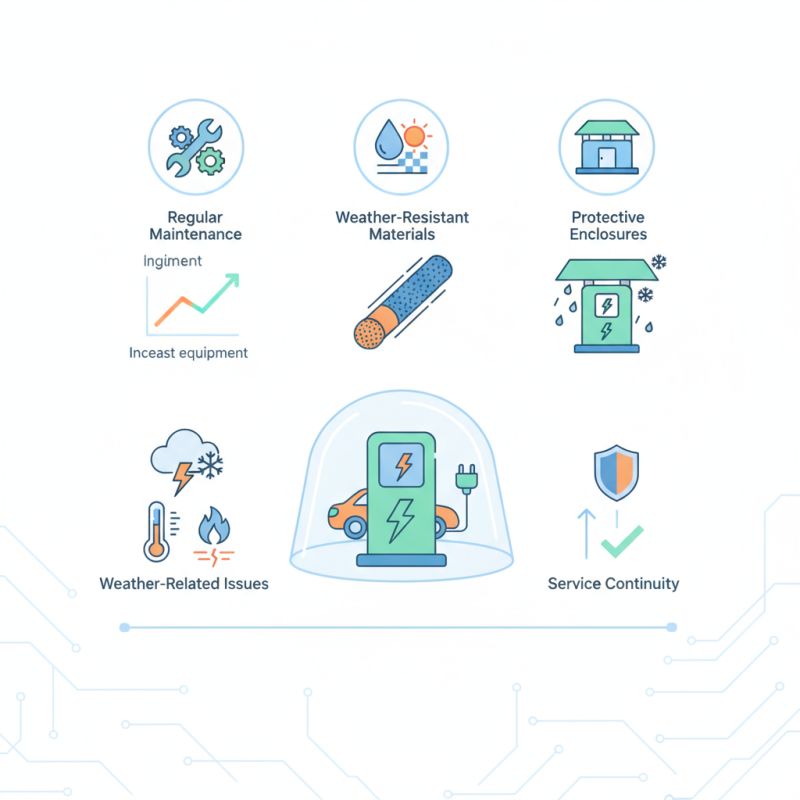
Additionally, proactive measures can greatly enhance equipment longevity. Regular maintenance, using weather-resistant materials, and implementing protective enclosures are crucial steps. While many operators may overlook these preventive strategies, neglecting them can lead to serious vulnerabilities. Ultimately, ensuring the resilience of EV charging infrastructure against the elements will require diligent planning and commitment.
How to Protect EV Charging Equipment from Weather Damage?

Choosing the Right Location for EV Charging Stations

Choosing the right location for EV charging stations is crucial for efficiency and durability. Industry studies show that nearly 30% of all charging equipment failures are due to weather-related damage. This statistic highlights the importance of strategic placement to minimize exposure to harsh elements.

When selecting a site for EV chargers, consider areas with natural shelter. Trees or building overhangs can provide protection against rain, snow, and high winds. A study by the Electric Vehicle Infrastructure Working Group found that stations placed in semi-covered locations experience 40% fewer maintenance issues compared to those in open environments.

Accessibility also matters. Charging stations should be easy to reach for users. A report from the International Energy Agency indicates that well-placed stations can improve user adoption rates by up to 25%. Proper lighting and clear signage are essential elements in any charging infrastructure. They enhance safety and user experience, particularly in remote areas. Location choices can reflect foresight or negligence. Well-considered sites lead to satisfied users and fewer repair costs.

Installing Weatherproof Charging Stations and Equipment

Installing weatherproof charging stations and equipment is vital to ensure the longevity of EV charging infrastructure. Research from the International Energy Agency indicates that by 2030, the global stock of electric vehicles will reach 125 million. This growth necessitates robust charging solutions that can withstand varying weather conditions. Stations must be designed to endure rain, snow, and extreme temperatures to protect electrical components and maintain functionality.

Utilizing weather-resistant housings and seals is crucial. For example, NEMA 4X enclosures can resist corrosion and provide protection against moisture and dust. Proper installation techniques, including elevated setups in flood-prone areas, can also mitigate risks. Still, many charging stations fall short in design, leaving valuable equipment exposed to harsh elements. Reports highlight that nearly 30% of charging stations face operational issues due to weather-related damages.

Regular maintenance is another key aspect. Visual inspections should be conducted to check for signs of wear. Many operators overlook this step, risking expensive repairs. With the rise of EVs, focusing on weatherproof solutions will enhance reliability. Investing in quality materials and designs not only enhances performance but also supports the growth of a sustainable future.

How to Protect EV Charging Equipment from Weather Damage?

Dimension Description Best Practices Estimated Costs ($)
Weatherproof Enclosure Protects charging stations from rain, snow, and debris. Choose enclosures rated for outdoor use, such as IP65 or higher. $100 - $300
Surge Protection Prevents damage from lightning strikes and power surges. Install surge protective devices (SPDs) at the charging station. $50 - $150
Ventilation Prevents overheating in enclosed spaces during summer. Incorporate battery cooling systems and vents. $200 - $500
Heating Elements Keeps charging equipment operational in cold weather. Install under-heating systems or heat lamps. $300 - $800
Regular Maintenance Ensures long-term functionality of charging stations. Schedule periodic inspections and cleaning. $100 - $300 per visit

Implementing Protective Covers and Shelters for Chargers

Protecting EV charging equipment from weather damage is essential for guaranteeing consistent performance. Outdoor chargers face various elements, including rain, snow, and extreme temperatures. An effective solution is to implement protective covers and shelters around charging stations. According to a report by the International Energy Agency, nearly 1.5 million electric vehicles were sold globally in 2020, increasing the demand for reliable charging infrastructure. Thus, safeguarding these assets is critical.

Covered structures can minimize exposure to harsh weather. Using durable materials ensures longevity. A study by the Electric Power Research Institute highlighted that the lifespan of EV chargers increases by up to 30% when covered. A simple shelter can prevent moisture from entering electrical compartments. When designing these shelters, consider local weather patterns. For example, areas prone to heavy snow need structures that can bear weight without compromising access.

Tip: Regular inspections are vital. Check for debris accumulation and signs of wear. This proactive approach can prevent long-term damage. Also, choose covers that are breathable. They allow moisture to escape while providing protection.

Tip: Consider seasonal adjustments. Equipments used in colder climates may need additional insulation. This can protect the internal components from freezing temperatures. Regular maintenance of protection systems ensures effectiveness.

Regular Maintenance and Inspection of Charging Equipment

Regular maintenance and inspection of Electric Vehicle (EV) charging equipment are crucial for longevity and performance. Weather can take a toll on charging units, so proactive care is essential. Seasonal changes can introduce moisture, snow, and extreme temperatures, leading to potential malfunctions. Inspecting these units regularly allows for catching small issues before they escalate into bigger problems.


Tips: Scheduling monthly check-ups can help spot corrosion or other signs of wear and tear. During inspections, clean the connectors and cords to ensure optimal conductivity. Keeping an eye on seals and protective covers can prevent water damage.


Proper documentation of maintenance activities enhances reliability. Tracking when inspections and services were done aids in spotting patterns. It is crucial to learn from issues that arise. Did the unit fail after a storm? Note that down for future reference. Regular maintenance doesn’t just extend the life of charging equipment; it also provides peace of mind.

Using Surge Protectors and Weather-resistant Cables

Weather protection is crucial for EV charging equipment. The right surge protectors can significantly mitigate risks associated with lightning strikes and power surges. According to the Institute of Electrical and Electronics Engineers (IEEE), up to 20% of electrical malfunctions are due to these surges. By using high-quality surge protectors, users can ensure their charging stations remain operational and safe, even in severe weather.

Weather-resistant cables are equally essential. They are designed to withstand extreme temperatures, moisture, and UV exposure. In fact, the National Electrical Manufacturers Association (NEMA) highlights that improper cabling can reduce performance and lifespan by over 50%. Choosing cables rated for outdoor use helps maintain efficiency in various conditions. Neglecting this aspect can lead to costly repairs or replacements.

It's important to routinely inspect both surge protectors and cables for wear and tear. Damage often goes unnoticed until it affects performance. Maintaining a proactive approach can save users from unnecessary downtime and expenses. Awareness and action are key in safeguarding EV charging stations against the elements.

Protection Levels of EV Charging Equipment Against Weather Damage

FAQS

: Why is location important for EV charging stations?

: Location affects efficiency and durability. Poor placement can lead to weather-related damages.

How can shelter impact charging station maintenance?

Stations with natural shelter face fewer maintenance issues. Up to 40% less wear occurs in covered areas.

What makes a site accessible for users?

Accessibility involves easy reach, proper lighting, and clear signage. These aspects improve user experience significantly.

Why is weatherproofing necessary for EV charging equipment?

Weatherproofing protects equipment from rain, snow, and extreme temperatures, enhancing longevity and performance.

What features should weather-resistant housings have?

Effective housings must resist corrosion and protect against moisture and dust. This prevents operational failures.

How often should charging stations be inspected?

Monthly inspections are recommended. Regular checks help identify issues before they worsen.

What signs of wear should I look for?

Check for corrosion, wear on connectors, and the condition of seals. Noticeable damage needs immediate attention.

How can documentation aid in maintenance?

Keeping records helps track inspections and reveals patterns. Learning from failures is crucial for future improvements.

What are common mistakes in charging station maintenance?

Neglecting regular inspections and overlooking minor issues lead to costly repairs. Care is essential for reliability.

How does regular maintenance benefit users?

Well-maintained charging stations enhance reliability. Users are more likely to have positive experiences with consistent performance.

Conclusion

In understanding **how to protect EV charging equipment from weather damage**, selecting an appropriate location for charging stations is critical. Ideally, the site should minimize exposure to severe weather conditions, such as strong winds or heavy precipitation. Furthermore, investing in weatherproof charging stations and robust equipment ensures greater resilience against environmental elements.

Additionally, implementing protective covers or shelters provides an added layer of defense, safeguarding the equipment from rain, snow, and sun damage. Regular maintenance and inspection of charging stations help identify potential wear and tear, preventing future issues. Lastly, the use of surge protectors and weather-resistant cables is essential in protecting the electrical components from damage caused by lightning strikes or extreme weather fluctuations, ensuring the longevity and reliability of the charging infrastructure.

Madeline

Madeline

Madeline is a dedicated marketing professional with a wealth of expertise in our company's core offerings. With a keen understanding of the industry, she brings a unique perspective to her role, consistently delivering high-quality content that highlights the superior aspects of our products. As......