What Is Smart EV Charging and How Does It Work?

Time:2026-11-27 Author:Amelia
0%

Electric vehicles are arriving faster than many power systems can adapt. The International Energy Agency’s Global EV Outlook 2024 reported nearly 14 million electric car sales worldwide in 2023, about 18% of all new car sales. More cars mean more charging demand, but plugging in is only part of the story. Timing matters.

So, what is smart ev charging and how does it work? It is a way to adjust charging based on signals such as electricity prices, grid demand, and a vehicle’s departure time. Picture a car parked overnight: instead of drawing power immediately, its charger can wait until electricity is cheaper or the local grid is less busy. The driver sets a required charge level and departure time; software then schedules the session. Some systems can also respond to renewable energy availability. Simple, in principle.

IEA Executive Director Fatih Birol described electric cars as “a bright spot in the global energy transition.” Smart charging can help that growth fit more smoothly into the energy system, rather than adding every vehicle’s demand at peak hours. The U.S. Department of Energy also identifies managed charging as a tool for coordinating EV loads with grid conditions. Still, smart charging is not automatic magic. It depends on compatible equipment, reliable data, and clear user settings. A poorly configured schedule could leave a car short of charge when plans change. That practical detail deserves more attention. Done well, smart charging balances grid needs with the driver’s everyday routine.
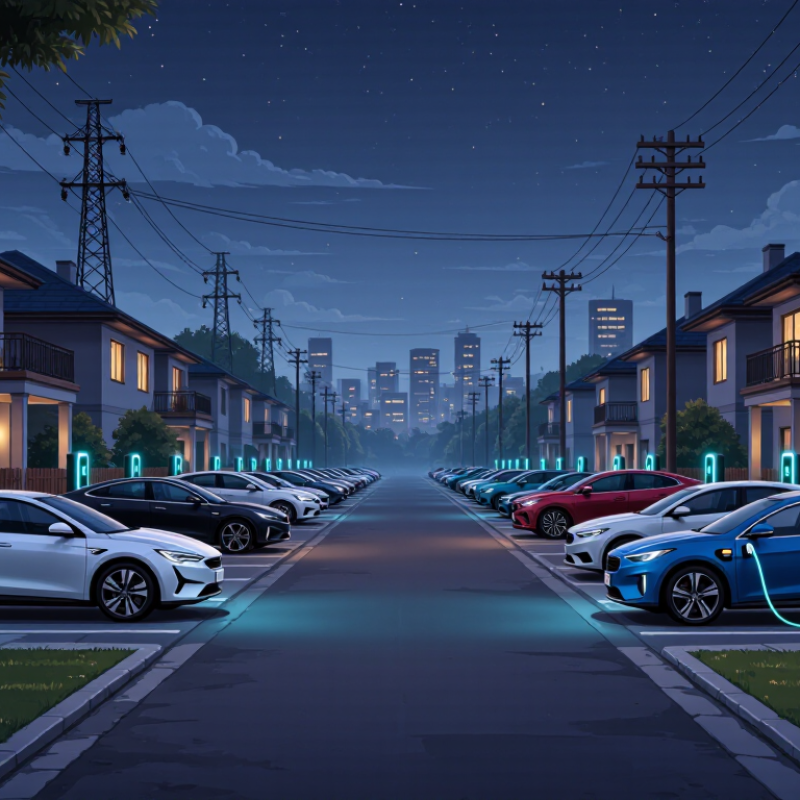
What Is Smart EV Charging and How Does It Work?

What Smart EV Charging Means

Smart EV charging means controlling when a vehicle charges and, sometimes, how much power it draws. Instead of starting at full power when plugged in, a smart system can use a driver’s departure time, desired battery level, electricity prices, and local grid conditions. The aim is practical: have the car ready without adding unnecessary demand during busy hours. It is not simply “charging by phone.”

The International Energy Agency’s Global EV Outlook 2024 reports that public charging points worldwide grew by 40% in 2023, passing four million. More chargers make coordination increasingly useful, though home charging remains central for many drivers. A connected charger can pause or slow charging, then resume when demand eases. In a home with several large appliances, it may also limit total power draw to help prevent an overloaded circuit. Small detail, real impact.

Smart charging does not automatically send electricity back to the grid; that requires compatible equipment and vehicle support. It also depends on reliable data and clear settings. If a departure time is entered incorrectly, the car may not be ready. That part is easy to overlook. Good systems make the driver’s needs visible, explain the schedule, and allow a manual override when plans change.

Key Components of a Smart Charging System

A smart charging system has several parts working together. The charging unit supplies power and communicates with the vehicle. A controller then adjusts charging speed or timing based on settings, electricity prices, and available household capacity. The vehicle’s onboard charger also matters; it determines how much power the car can accept. They must communicate.

A meter or current sensor tracks how much electricity the home is using. For example, if an oven and heat pump are running, the controller can reduce charging current to help avoid overloading the circuit. A network connection may bring in time-of-use rates or grid signals, while an app lets drivers set a target charge and departure time. Safety protections, including grounding and overcurrent protection, remain essential whether the system is connected to the internet or not.

The software coordinates these components, but it cannot predict every real-world change. A delayed departure, weak Wi-Fi, or an incorrectly configured schedule can affect charging. Not magic. A reliable setup should allow users to check the charging status and override a schedule when needed. It is also worth confirming that the charger, vehicle, and electrical supply support the same operating features; “smart” does not mean every combination works identically.

What Is Smart EV Charging and How Does It Work?

Smart charging adjusts when and how quickly an EV charges to meet a charging need while respecting available power limits.

Illustrative example, not measured data: Both schedules deliver 36 kWh using a constant 7.2 kW charging rate for five hours. Smart charging shifts the session to a selected later time. In a real system, the EV, charging station, energy management system, communications, and electricity-price or grid signals coordinate charging; actual power can vary and may taper as the battery fills.

How an EV Connects and Shares Charging Data

When a driver plugs in, the vehicle and charger exchange basic signals: connection status, charging limits, and whether power can flow. The connector clicks into place. Communication standards such as ISO 15118 can support information exchange between a vehicle and charging equipment, while the Open Charge Point Protocol (OCPP) commonly links chargers to an operator’s backend system. That system may receive session times, energy readings, charger status, and error messages. Not every charger shares the same level of detail.

The data helps operators track availability, measure energy use, and adjust charging when demand rises. The International Energy Agency’s Global EV Outlook 2024 reports that public charging points exceeded four million worldwide in 2023; annual additions were 40% higher than in 2022. More connected chargers make consistent data useful, but they also make accuracy important. A meter reading or network delay can create a mismatch between the screen and the backend record. The U.S. Department of Energy’s Alternative Fuels Data Center estimates that Level 2 charging typically adds about 10 to 20 miles of range per hour, though vehicle and site conditions affect the result. I would treat that figure as a guide, not a promise. A weak signal can still interrupt data sharing, even when the cable is firmly connected.

How Smart Charging Schedules and Adjusts Power

Smart EV charging uses a schedule and live information to decide when a vehicle should charge and how much power it can draw. You can often set a departure time and desired battery level. The system may then charge during lower-cost hours or when household electricity use is lighter. Exact features depend on the vehicle, charger, and electrical setup.

Power can change during a charging session. If an oven, dryer, and charger are running together, a compatible system may reduce charging power to stay within a configured limit. It can raise power again when other demand falls. Some systems can also respond to changing electricity prices or available solar generation. The adjustments are useful, but not magic; settings and connections matter, and schedules can miss your real routine.

Tips: Set a realistic departure time and battery target. Check the schedule after changing work or travel plans. Keep some flexibility for unexpected trips. A lower charging rate may be normal when your home is using more electricity, so check the charger’s status before assuming something is wrong.

How Smart Charging Coordinates with the Power Grid

Smart EV charging coordinates a vehicle’s charging schedule with grid conditions. A charger can respond to electricity prices, utility signals, or local demand readings. If many homes begin charging around 6 p.m., it may slow or pause some sessions, then add power later. The driver sets a needed charge level and departure time. Small adjustment, real impact.

The International Energy Agency’s Global EV Outlook 2024 estimates electric cars used about 130 TWh of electricity worldwide in 2023, roughly 0.5% of global electricity demand. That modest global share can still strain a neighborhood transformer when many vehicles charge together.

Managed charging shifts flexible demand away from busy hours, but it cannot create capacity where local equipment is already constrained. The U.S. Department of Energy’s National Transmission Needs Study (2023) also documents growing transmission needs across regions.

Grid coordination helps, but local conditions matter. A schedule based only on cheap rates may miss a driver’s changed plans or a crowded feeder. Drivers need an easy override, and utilities need useful local data.

Not magic.

FAQS

What does a smart charging system include?

It includes a charging unit, a controller, and the vehicle’s onboard charger. A meter can track household electricity use. Software and an app help coordinate settings. The parts must communicate.

How can it prevent a home circuit from becoming overloaded?

A current sensor can detect high household demand. If an oven and heat pump are running, the controller may reduce charging current. It helps, but the setup still needs suitable electrical capacity.

Can smart charging lower electricity costs?

It may shift charging to hours with lower electricity prices. The controller can use rate information to adjust timing. Cheap hours are not always convenient, though.

How does smart charging respond to busy grid conditions?

A charger may slow or pause charging during periods of high demand. It can add power later when conditions allow. Small adjustments can help, but local equipment still sets limits.

What should drivers set before charging begins?

Set a target charge level and a departure time. These details help the system decide when to charge. Plans change, so an easy manual override matters.

What can disrupt a charging schedule?

A delayed departure, weak Wi-Fi, or a poorly configured schedule can cause problems. Not magic. Check the charging status rather than assuming the app has everything right.

Do all vehicles and chargers support the same smart features?

No. The charger, vehicle, and electrical supply must support compatible features. A system labeled “smart” may still work differently with different vehicles.

Are internet access and smart controls enough to make charging safe?

No. Grounding and overcurrent protection remain essential, even without an internet connection. Smart controls cannot replace basic electrical safeguards.

Conclusion

What is smart EV charging and how does it work? Smart EV charging uses connected equipment and software to manage when and how quickly an electric vehicle charges. A typical system includes a compatible vehicle, a charging station, a communication network, and a control platform. Once connected, the vehicle and charger share information such as battery status, charging needs, and available power, allowing the system to make informed adjustments.

Rather than charging at full power immediately, smart charging can schedule sessions for suitable times, slow or increase charging as conditions change, and help balance electricity use across multiple vehicles. It can also coordinate with the power grid by responding to available capacity and periods of higher demand. This approach helps make better use of energy resources while ensuring that vehicles receive the charge they need by the requested time.

Amelia

Amelia

Amelia is a seasoned marketing professional with a wealth of expertise in our company’s core offerings. With an unwavering passion for driving growth and innovation, she plays a pivotal role in shaping our marketing strategies and enhancing brand visibility. A key aspect of her responsibilities......