In the expanding world of electric vehicles, selecting the right charging supplier is crucial. "How to choose a reliable EV charging supplier" is a question many face today. According to Sarah Johnson, an industry expert at GreenCharge Solutions, “The right supplier can make a significant difference in your EV experience.”
Many factors contribute to reliability. A dependable supplier must have a strong track record. Customer reviews and testimonials play a critical role in your decision. Their service quality can impact both time and convenience. Evaluate their customer service responsiveness as it could be vital when issues arise.
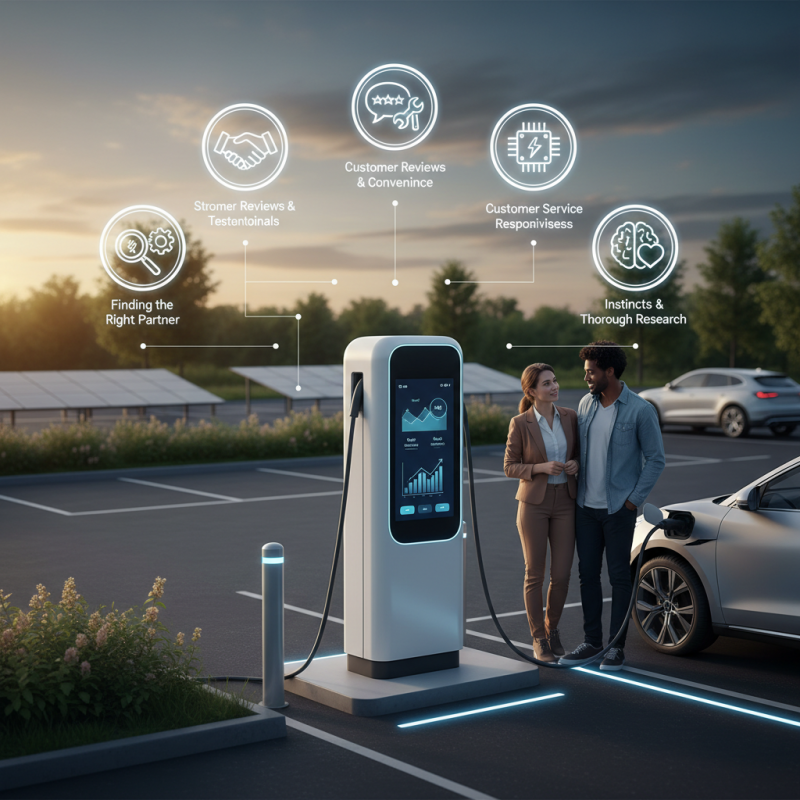
Another aspect to consider is technology. Not all chargers are created equal. Ensure the supplier offers the latest technology to enhance efficiency. Some suppliers may promise the world but fail to deliver. Be vigilant and ask the right questions to uncover their credibility. Finding the right partner is not always straightforward. Trusting your instincts alongside thorough research can guide you in making the best choice.
Understanding your EV charging needs is crucial before selecting a supplier. First, assess the type of electric vehicle you own. Different models have varying charging requirements. Consider if you need a Level 1 or Level 2 charger. Level 1 chargers are slower and often suitable for home use. Level 2 chargers are faster and traditionally used in public charging stations.
Next, think about where you will charge your vehicle most frequently. If you are looking for home installation, consider your garage space. Evaluate the electrical capacity of your home, as some settings might require upgrades. It’s important to think about the location’s accessibility and safety too. Are there places where you feel uncomfortable leaving your car unattended for long periods?
Remember, while seeking an EV charging supplier, try to find one that is responsive and knowledgeable. Ask questions about their products and services. Do they offer maintenance support? What are their projected response times for issues? If their answers are vague or unclear, it may be a red flag. Trust your instincts. A good supplier should demonstrate reliability and expertise.
When evaluating the reliability and reputation of an EV charging supplier, it's vital to consider their track record. According to a 2023 industry report, about 40% of users have experienced issues with underperforming charging stations. This highlights the importance of choosing a supplier with proven reliability. Research their customer reviews and testimonials. High ratings and positive feedback often signal a strong service commitment.
Supplier certifications also play a crucial role in determining reliability. The Electric Vehicle Charging Association states that certified suppliers meet strict performance and safety standards. Look for industries’ recommended certifications. These standards reflect a company’s ability to deliver high-quality services consistently.
Additionally, examine the supplier's experience in the market. A seasoned supplier, with a decade or more in the industry, is likely to have navigated various challenges. They tend to have refined their services over time. However, some newer entrants may offer innovative technologies. Weigh the risks of unproven solutions against the benefits of established practices. This balance will guide you in choosing a dependable EV charging supplier.
When evaluating EV charging technology, infrastructure plays a vital role. A reliable supplier should have widespread charger deployment. This infrastructure helps meet the growing demand for electric vehicles. Look for suppliers who focus on high-density areas. Charging stations should be accessible and strategically placed along major routes.
Additionally, consider the types of charging technology offered. Level 2 chargers are common for home use, while DC fast chargers are essential for quick charging. Assess the charging speed and compatibility with various EV models. Not all chargers work with every vehicle. Understanding these technical aspects can prevent frustration and wasted time.
Another factor to reflect on is the durability of the infrastructure. Some charging stations might not be maintained well. Inconsistent upkeep can lead to unreliable service. Explore user reviews and service history of the supplier. Real-world experiences can provide insights that numbers alone cannot reveal.
This chart compares various aspects of charging technology and infrastructure provided by different EV charging suppliers based on reliability, speed, and compatibility.
When choosing an EV charging supplier,
pricing and contract terms
significantly influence your ultimate decision. Many suppliers offer various pricing models,
from pay-per-use to subscription services. Analyzing these options is crucial. Consider what
fits your budget and usage patterns best. Be wary of hidden fees that may creep
into contracts. This could inflate your overall costs unexpectedly.
Contract terms can vary widely. Some may lock you in for lengthy periods. This might not be
ideal if your needs change. Look for flexibility in terms of
contract length. Pay attention to service level agreements, too.
Understand what support is available and how it affects your experience. Though a lower
price might seem appealing, ensure that the level of service meets your expectations.
Reading reviews from other users can provide insights into a supplier’s reliability.
While evaluating pricing and contract terms, don't forget to ask questions.
Transparency is key in any business relationship.
Suppliers should be more than willing to clarify terms, even if that means confronting gaps in their standard
offerings. If they hesitate to share details, consider that a red flag.
Clear communication can make a significant difference. Engaging thoroughly in this process enhances
your chances of selecting a dependable EV charging partner.
When choosing an EV charging supplier, customer support is crucial. A reliable company will have multiple channels for support. Consider options like live chat, phone support, and email. These channels should be accessible during regular hours. Availability matters when you encounter technical issues.
Service options also play a role. Look for suppliers offering installation, maintenance, and troubleshooting. Comprehensive service means you can rely on them for the entire lifecycle of the charging station. A good supplier helps you with setup and ongoing support. They should provide clear instructions and documentation too. If they don’t, that’s a red flag.
Evaluating customer reviews can provide insights. Pay attention to comments about service responsiveness. Are customers satisfied with the support? Prompt replies are often a sign of good service culture. If reviews mention long wait times or unresolved issues, tread carefully. This can impact your experience significantly over time. Trust your instincts and gather feedback from multiple sources.
| Criteria | Evaluation | Rating (1-5) |
|---|---|---|
| Customer Support Availability | 24/7 Customer Service | 5 |
| Response Time | Less than 1 hour | 4 |
| Service Range | Coverage across multiple regions | 5 |
| Installation Support | Professional installation services available | 4 |
| Maintenance Services | Regular maintenance packages | 5 |
| Customer Reviews | Positive feedback from users | 4 |
| Pricing Transparency | No hidden fees | 5 |
| Warranty and Guarantee | Comprehensive warranty offered | 5 |
: Evaluate your electric vehicle type and charging requirements. Consider Level 1 and Level 2 options based on your needs.
Assess where you charge most. Is it at home? Consider garage space and electrical capacity for installation.
Research customer reviews and their track record. Look for high ratings and satisfaction with their services.
Certifications indicate that suppliers meet strict safety and performance standards. They show a commitment to quality service.
Look for options like live chat, phone, and email support. Accessibility during regular hours is crucial for technical issues.
Check if they offer installation, maintenance, and troubleshooting. Comprehensive support is important for ongoing needs.
Vague responses during inquiries or lack of clear documentation can be concerning. Trust your instincts.
Reviews provide insights into supplier responsiveness and service culture. Look for comments on prompt support.
New suppliers may offer innovative solutions. Balance the risks of untested technology with the benefits of established practices.
Document your experience and reach out to your supplier. Their response time and resolution are key indicators of reliability.
Choosing a reliable EV charging supplier involves several key considerations to ensure you meet your electric vehicle charging needs effectively. Start by understanding your specific charging requirements, such as the number of charging stations needed and the type of vehicles you will be servicing. Next, evaluate the reliability and reputation of potential suppliers through customer reviews and industry feedback. It's essential to assess their charging technology and infrastructure to ensure compatibility and efficiency.
Pricing and contract terms should also be compared carefully to secure the best value without hidden costs. Lastly, examine the customer support and service options offered by the suppliers, as having responsive support can make a significant difference in your overall experience. By following these guidelines, you will be better equipped to know how to choose a reliable EV charging supplier that best suits your needs.
Zap Charger