As the electric vehicle (EV) market surges, the demand for effective charging solutions grows rapidly. According to a report by the International Energy Agency, global EV sales reached over 6.6 million in 2021, a 108% increase from the previous year. With this expansion, it's crucial to consider how to choose the right EV charging solution for your needs. Choosing the appropriate charging infrastructure can significantly impact efficiency and user experience.
Understanding the various charging options available is essential. Home chargers, fast chargers, and public charging stations each serve unique purposes. For instance, Level 2 home chargers can provide a full charge overnight, while fast chargers can replenish an EV battery to 80% in just 30 minutes. However, not every solution fits all lifestyles. Assessing your daily driving distance, charging location, and budget can guide you toward the best fit.
Many EV owners report frustration with inadequate charging options. In the U.S., only 0.4% of cars were electric as of 2021, indicating an ongoing need for robust infrastructure. With the right information, selecting the perfect charging solution becomes clearer. Evaluate your specific needs carefully.
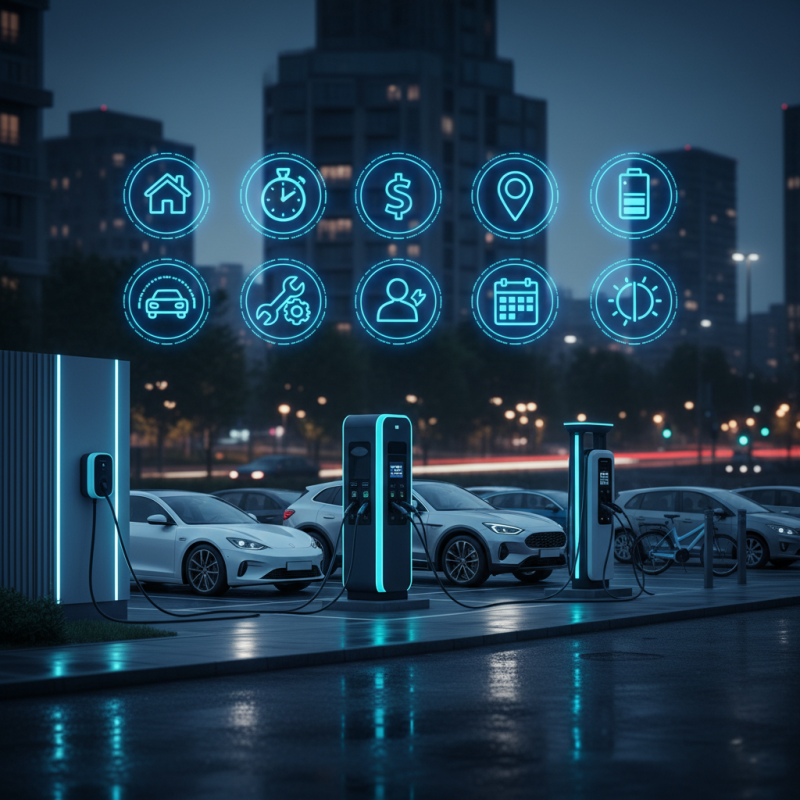
Understanding the Different Types of EV Charging Solutions Available
As electric vehicles (EVs) gain popularity, the need for effective charging solutions grows. Understanding the types of EV charging solutions is essential for making informed decisions. There are three main types:
Level 1,
Level 2, and
DC fast charging. Each serves different needs and scenarios.
Level 1 charging uses a standard outlet. It is the slowest option, typically providing around 4-5 miles of range per hour. This method is ideal for overnight charging at home. However, it's not practical for fast refueling.
Consider your daily driving needs before choosing this option.
Level 2 chargers offer a faster rate. They can fully charge an EV in a few hours. This type is common in public charging stations. It's suitable for workplaces or shopping centers. If you're in a hurry, this might be the right choice.
DC fast chargers deliver rapid charging. They can add over 100 miles of range in just 30 minutes. This solution is great for road trips but may require specific infrastructure.
When selecting a charging solution, think about the environment where you'll charge. Is it at home, at work, or on the road? Reflect on your daily habits, too. Do you have access to overnight charging? Understanding these factors helps narrow down your options.
Evaluating Charging Speed: Level 1 vs. Level 2 vs. DC Fast Charging
When selecting an EV charging solution, charging speed is crucial. Level 1 charging is the slowest option. It uses a standard home outlet. This method provides about 4-5 miles of range per hour. It may be suitable for overnight charging at home. However, it can feel frustrating for frequent drivers who need quick turnaround times.
Level 2 charging is a step up. It provides significantly faster charging rates of 10-60 miles of range per hour. This option is commonly found in public charging stations and at home with proper installation. Yet, the initial setup can be costly and take time. Assess your daily driving habits. Consider how often you need a quick charge when making your choice.
DC Fast Charging is the quickest of the three. It offers up to 300 miles of range in about 30 minutes. This option is ideal for long trips. However, access may be limited and not available in all areas. Weigh the convenience against availability issues. Think about your location and typical travel patterns. Choosing the right charging solution requires careful thought. Prioritize what’s important for your lifestyle.
Assessing Charging Station Location: Home, Work, and Public Options
When selecting an electric vehicle (EV) charging solution, location is critical. Home charging stations are convenient. They allow for overnight charging, but not everyone has a garage. According to a recent study, around 40% of urban residents lack dedicated parking. This can limit their ability to charge at home. If you live in an apartment, seek options for shared chargers.
Work charging stations present another opportunity. Employers are increasingly installing EV chargers. A report from the International Energy Agency notes a 40% increase in workplace chargers over the last two years. This enhances convenience for employees. However, not every workplace offers charging. It’s important to check ahead. Planning your charging stops throughout the day can be tricky.
Public charging stations offer flexibility, but they come with challenges. Charging may occur at busy locations with limited availability. The average wait time for a charging spot is about 20 minutes. Additionally, public chargers vary in speed. Some can fully charge a vehicle in under an hour, while others take much longer. Without knowing this, drivers can experience frustration and delays. Always check the charging networks in your area before traveling. Be prepared for unpredictability at public stations.
Analyzing Cost Factors: Installation, Maintenance, and Energy Rates
When selecting an EV charging solution, cost factors are crucial. Installation expenses can vary widely. Electrical upgrades might be necessary, especially for faster charging options. Labor costs can also fluctuate based on location. Always ask for quotes from multiple service providers to get a clearer picture. Hidden fees might lurk in the fine print, so reviewing all documents is vital.
Maintenance is another significant factor. Regular upkeep ensures the system remains efficient and safe. Some chargers might need replacement parts over time, adding to the total cost. Will it be a hassle? Possibly. How often will you need to check it? That really depends on the usage. Energy rates fluctuate too. A cheaper option may not always save money in the long run. Analyzing local energy rates is essential. Some places may offer lower rates during off-peak hours. This can impact your overall spending on charging, and it’s worth considering.
Considering Future-Proofing: Compatibility with Upcoming EV Technologies
When choosing an EV charging solution, future-proofing is essential. The rapid evolution of electric vehicle technology means that today's innovations may quickly become outdated. Look for chargers that support various connector types and standards. This flexibility will ensure compatibility with new models and incoming technologies. Pay attention to upgrades in charging speeds too. As batteries advance, faster charging options will emerge, making your old system inefficient.
It's important to consider the grid compatibility of your charger. Future EVs might require different power sources or more advanced energy management systems. Thus, selecting a solution that can integrate with renewable energy options is wise. Local energy regulations might change, prompting the need for software updates or hardware modifications. A lack of adaptability could lead to usability issues down the line.
Additionally, think about potential expansions. If you plan to add more EVs in the future, ensure your current setup can handle the demand. Gather information on peak usage times in your area, as this can influence your charging strategy. Seeking insights from current users can reveal shortcomings of different systems, prompting necessary reflections on your choices.
Conclusion
When considering how to choose the right EV charging solution for your needs, it's essential to understand the various types of charging options available. These include Level 1, Level 2, and DC Fast Charging, each offering different charging speeds suited to different circumstances. Evaluating the location of the charging station—whether at home, work, or public spaces—also plays a significant role in ensuring easy access and convenience for daily use.
Additionally, analyzing cost factors such as installation, maintenance, and energy rates is crucial for making an informed decision. Future-proofing your choice is equally important, as compatibility with upcoming EV technologies can impact the longevity and efficiency of your charging solution. By carefully considering these aspects, you can select an EV charging option that best meets your specific needs.

 Zap Charger