Understanding the difference between AC and DC charging is crucial for anyone using electric vehicles. Many people may wonder, "what is the difference between AC and DC charging?" This question highlights the importance of knowing how these charging methods work. AC charging uses alternating current, while DC charging uses direct current.
AC charging is generally slower and commonly found in homes and public places. It is more versatile and easier to install. On the other hand, DC charging is faster, making it ideal for quick refueling at charging stations. This distinction is vital for users who need to manage their charging time effectively.
Additionally, the technology behind these charging types differs. AC charging often requires an onboard charger in the vehicle. Conversely, DC charging sends power directly to the vehicle’s battery. Understanding these elements can help users make informed choices about their electric vehicle charging needs. However, many may still feel overwhelmed by the technical jargon and options available. Making sense of all this information takes time and careful consideration.
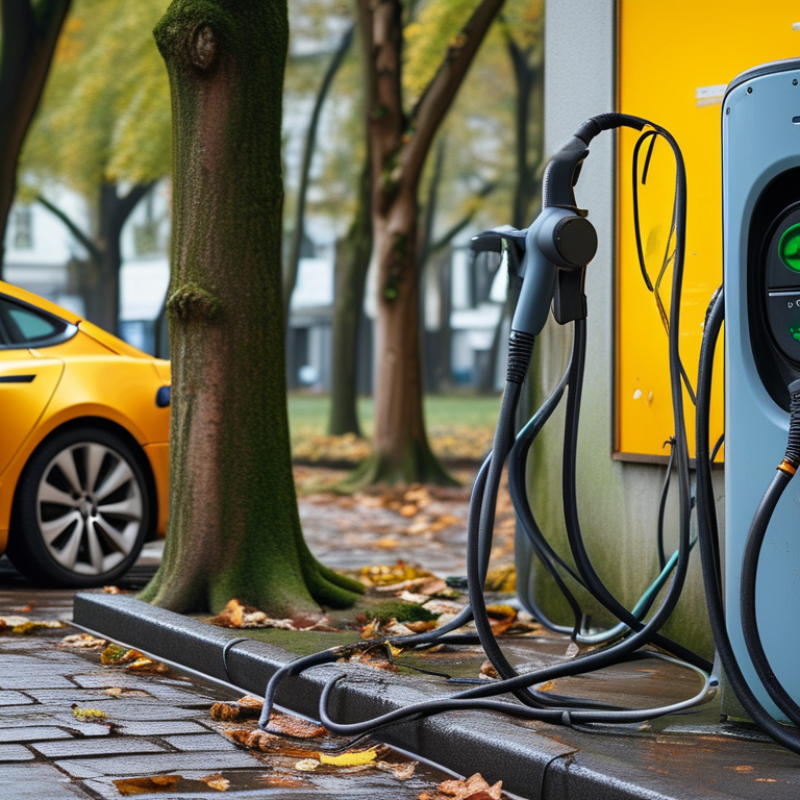
Key Characteristics of AC Charging and DC Charging
When discussing AC and DC charging, understanding their key characteristics is essential. AC charging uses alternating current. This method is common in home charging stations. It converts high-voltage electricity into a usable form for electric vehicles. The process is efficient but often slower. AC chargers usually offer lower charging speeds. They are ideal for overnight charging, making them suitable for daily use.
On the other hand, DC charging utilizes direct current. This method delivers high-speed charging. It is often found in public charging stations. DC charging can replenish an electric vehicle's battery quickly. However, it requires special infrastructure and more complex technology. Drivers can expect to see significant time savings when charging on the go. The downside is the higher costs associated with installation and maintenance.
The choice between AC and DC significantly depends on user needs. Those with regular, predictable schedules might favor AC. Meanwhile, frequent travelers may prefer the speed of DC. Each method has its merits and drawbacks. It’s important to weigh efficiency against practicality in charging solutions.
Common Applications of AC and DC Charging in Electric Vehicles
AC and DC charging have distinct roles in electric vehicle (EV) infrastructure, affecting usability. AC charging is typically used for home and public charging stations. It provides slower charge rates, making it suitable for overnight charging. Approximately 80% of EV owners charge at home using AC power. This method is often convenient and cost-effective.
In contrast, DC charging is optimal for rapid charging. DC systems deliver power directly to the battery, enabling quicker charges. A typical DC charger can restore 80% of battery capacity in about 30 minutes. According to industry data, DC charging stations are increasingly found along highways, where quick stops are essential. This scalability in charging infrastructure is crucial as demand for EVs grows.
While both AC and DC charging have their place, the choice often depends on user needs. Some users may encounter challenges with infrastructure availability. Not all regions have robust DC charging networks. Additionally, the initial installation costs for DC chargers can be higher, deterring potential adopters. Understanding these applications helps consumers make informed choices about their charging options.
Advantages and Disadvantages of AC and DC Charging Methods
AC and DC charging methods each have their advantages and disadvantages.
AC charging, commonly used in residential setups, allows for slower charging. This can lead to better battery management and longevity. According to a report by the International Energy Agency, around 80% of electric vehicle (EV) owners charge at home using AC, which typically takes several hours for a full charge. However, the main downside is the longer waiting time, especially for those in a hurry.
DC charging, on the other hand, is significantly faster and often found in public charging stations.
It can charge a vehicle to 80% in about 30 minutes. This rapid charging capability supports long-distance travel. However, it generates more heat during the process, potentially impacting battery life. Recent studies highlight that frequent DC fast charging can reduce the total battery cycle life by about 20%.
Deciding between AC and DC charging can be complex. Charging infrastructure varies widely across regions. Not all places have easy access to DC stations. Additionally, the upfront cost of installing DC charging stations is higher, affecting accessibility. A balanced approach is essential for optimizing charging efficiency. No method is without its drawbacks, as practitioners must weigh the convenience of speed against potential long-term impact on battery health.
Understanding Charging Speed: How AC and DC Differ
When it comes to electric vehicle charging, understanding the difference between AC and DC is crucial. AC charging uses alternating current, which is the type of electricity commonly found in households. This method is typically slower, as it transfers power at lower rates. The charging process can take several hours, making it ideal for overnight home charging.
On the other hand, DC charging converts electricity directly, allowing for faster charging speeds. It can provide a significant amount of power in a shorter time frame, often charging a vehicle in under an hour. This rapid charging capability is beneficial for public charging stations, where drivers are looking for quick top-ups. The charging speed varies greatly based on the vehicle's capacity and the charger’s output.
Challenges do arise with these methods. Not all vehicles can support DC charging, and infrastructure can vary widely. Compatibility issues might lead to frustration. While AC charging stations are more widespread, their slower speeds can deter some users. It’s essential to evaluate personal needs. Understanding these differences can help in making informed decisions about charging options.
How to Understand the Difference Between AC and DC Charging? - Understanding Charging Speed: How AC and DC Differ
| Charging Type |
Power Source |
Charging Speed (kW) |
Charging Time for 60 kWh Battery |
| AC Charging |
Alternating Current |
3.7 - 22 |
~3 to 16 hours |
| DC Fast Charging |
Direct Current |
50 - 350 |
~30 minutes to 1 hour |
| Home Charging |
Standard AC Outlet |
2.4 - 3.7 |
~20 to 30 hours |
| Level 2 Charging |
Dedicated AC Charger |
7.2 - 22 |
~4 to 10 hours |
| Supercharging |
High-Output DC Charger |
120 - 300 |
~15 to 30 minutes |
Safety Considerations for AC vs. DC Charging Systems
When considering AC and DC charging systems, safety is paramount. AC charging operates well for residential use. It powers up electric vehicles over longer periods, reducing electrical surge risks. However, the slower charging speed means drivers should plan ahead. With DC charging, the quick power delivery is appealing. It’s essential for fast charging stations, but this can generate heat. Overheating might pose risks if not managed properly.
Another critical safety aspect is grounding. AC systems often feature robust grounding protocols. This minimizes shock hazards. In contrast, DC systems can be more challenging regarding grounding. Improper installations may lead to unsafe conditions. Regular maintenance and inspections are vital for both systems. Outdated equipment or wear can heighten risks. Users must be aware of potential issues that could arise from wear and tear.
Understanding the construction and components of each charging type helps inform safer choices. Electricians must adhere strictly to safety codes when installing these systems. This reduces fire hazards significantly. It's an ongoing learning process for technicians. They must stay updated on evolving safety standards. This knowledge impacts the overall safety of AC and DC charging systems significantly.
Comparison of AC and DC Charging Systems
This chart illustrates the differences between AC and DC charging systems across three dimensions: charging time, efficiency, and cost. As shown, DC charging is quicker and more efficient, but it tends to be more expensive than AC charging systems.
FAQS
C charging mainly used for?
DC charging uses direct current for high-speed charging, while AC charging uses alternating current for slower rates.
AC charging is convenient and cost-effective. It allows for better battery management and longevity.
DC charging generates more heat, which can potentially reduce battery life by about 20% with frequent use.
A typical DC charger can restore about 80% of battery capacity in roughly 30 minutes.
Users with predictable schedules may favor AC charging for its lower costs and efficiency for overnight use.
Not all areas have robust DC charging networks, affecting access to fast charging options.
Yes, DC charging stations typically have higher installation costs, impacting their accessibility for many potential users.
Consumers must weigh efficiency, speed, and long-term battery health when selecting between AC and DC charging.
Conclusion
Understanding the difference between AC and DC charging is essential for electric vehicle (EV) users looking to optimize their charging experience. AC charging, which utilizes alternating current, is typically used in home and public charging stations due to its lower installation costs and widespread availability. However, it usually charges vehicles more slowly. In contrast, DC charging uses direct current, allowing for faster charging rates, making it ideal for fast-charging stations on highways.
The advantages and disadvantages of each method further illustrate the differences: AC charging is generally more affordable and easier to implement, whereas DC charging offers speed but at a higher cost. Additionally, safety considerations vary between the two systems, with each posing unique challenges and risk factors. Overall, recognizing what is the difference between AC and DC charging enables EV owners to make informed decisions based on their charging needs and preferences.

 Zap Charger