Why Choose a Reliable EV Charging Supplier Worldwide?

Time:2026-10-19 Author:Sophia
0%

Choosing an electric vehicle charging supplier is a practical business decision, not just a purchasing exercise. Reliable equipment must perform during winter mornings, heavy rain, and busy fleet schedules. A dependable supplier supports stable charging, clear documentation, and responsive technical service. These details directly affect driver confidence, operating costs, and long-term growth.

For buyers asking how to choose a reliable ev charging supplier, real-world experience matters. Review installation records, product testing, warranty terms, software reliability, and customer references from similar markets. Check whether the supplier understands regional grid conditions, connector requirements, safety expectations, and maintenance needs. Certifications can support credibility, but they should not replace practical evidence. Ask how faults are diagnosed, how spare parts are delivered, and who responds when a charger stops at midnight.

Small details matter. Trust takes testing.

A strong supplier should explain performance limits honestly. It should not promise perfect uptime without discussing site conditions, network coverage, or maintenance responsibilities. No supplier is flawless. That is worth remembering. However, transparent communication can reveal how a company handles pressure and learns from service problems. Experienced manufacturers often provide commissioning guidance, remote monitoring, training, and regular firmware support. These services may appear minor during procurement, yet they become valuable after installation. With careful evaluation, businesses can select a partner that delivers safe, scalable, and dependable charging infrastructure across different regions.
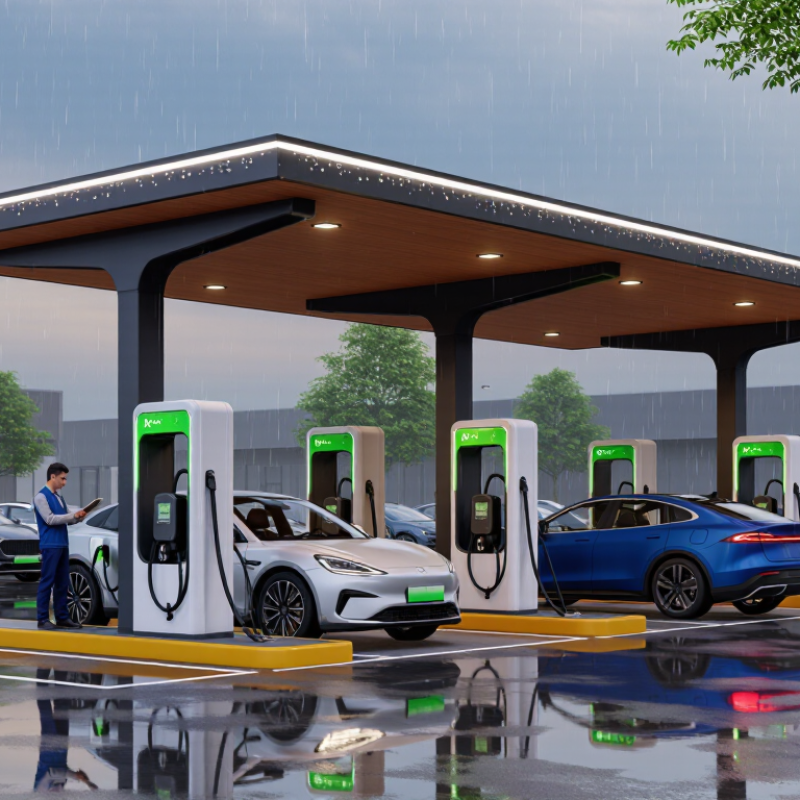
Why Choose a Reliable EV Charging Supplier Worldwide?

What Makes an EV Charging Supplier Reliable?

A reliable EV charging supplier proves its value beyond a polished website. It provides clear test reports, safety certifications, and accurate product specifications. These documents should cover electrical protection, temperature performance, water resistance, and communication standards. A serious supplier explains the limits of every charger. That honesty matters.

Field experience also separates dependable suppliers from ordinary sellers. An experienced team studies local voltage, weather, grid conditions, and installation habits before recommending equipment. In a coastal area, corrosion protection may matter more than appearance. In a cold region, cable flexibility and battery heating support become important. The supplier should offer practical guidance, not simply send a price list.

Support must continue after delivery. Reliable suppliers keep spare parts available and provide trained technical assistance across time zones. They should explain warranty procedures, software updates, maintenance intervals, and response times in plain language. Secure data handling is equally important for connected charging systems.

No supplier is flawless. A delivery can still arrive late, or a software update may cause unexpected faults. The difference lies in how openly the supplier responds. I would question any company promising perfect uptime without showing service records or testing methods. Verified references, traceable quality checks, and honest limitations create stronger confidence than exaggerated claims. A dependable supplier earns trust through repeated performance, careful communication, and measurable responsibility.

How Supplier Quality Affects Charging Safety and Performance

A reliable EV charging supplier directly affects charging safety and daily performance. Quality begins with engineering, not attractive packaging. A sound unit should manage heat, voltage changes, grounding, and communication faults. It should also match the vehicle, site power, and local installation requirements. Small mismatches can cause repeated shutdowns.

Details matter in real charging environments. A dependable supplier provides clear test records, traceable components, and practical installation guidance. Thermal testing is important because a warm connector can reduce charging speed or create a safety concern. Strong cable strain relief also matters. It prevents internal damage when users pull or bend the cable repeatedly. Firmware updates should be controlled and documented. Technicians need clear fault codes, service procedures, and responsive technical support.

Field performance is rarely perfect. Even a well-tested charger may behave differently in a dusty parking area or during winter rain. This is where supplier experience becomes valuable. A capable team investigates logs, checks the installation, and explains the limits honestly. It does not hide recurring faults behind vague language. Buyers can also make mistakes by focusing only on price or maximum power. That choice may look efficient, but it can increase maintenance costs later. A careful supplier welcomes questions, accepts reasonable criticism, and improves its process when evidence shows a weakness.

Why Choose a Reliable EV Charging Supplier Worldwide? - How Supplier Quality Affects Charging Safety and Performance

Quality Dimension Relevant Data or Requirement Effect on Charging Safety Effect on Performance Recommended Supplier Evidence
Electrical safety design Conformity with IEC 61851-1 for conductive EV charging systems and applicable national electrical codes. Supports controlled energization, protective functions, and safer interaction between the EV, charger, and installation. Reduces nuisance shutdowns caused by incorrect control-pilot behavior or poorly coordinated protection. Declaration of conformity, type-test reports, wiring diagrams, and third-party laboratory documentation.
Connector and vehicle interface Compliance with the applicable IEC 62196 connector and vehicle-coupler requirements; connector rating must match the charger output. Helps prevent exposed live parts, overheating, mechanical mismatch, and unsafe connection conditions. Maintains stable current delivery and reduces charging interruptions caused by poor contact or mechanical wear. Connector certification, mating-cycle test results, contact-resistance measurements, and cable temperature-test data.
Residual-current protection Protection should follow IEC 61851-1 and the installation standard; AC residual-current protection and DC residual-current detection may be required depending on system design. Helps reduce electric-shock risk and supports correct coordination with upstream protective devices. Avoids unnecessary trips caused by incompatible or poorly calibrated protection systems. Protection schematics, trip-time test reports, sensor calibration records, and installation instructions.
Ingress protection IEC 60529 IP ratings: the first digit addresses solids and dust, while the second addresses water ingress. The specified rating must match the intended indoor or outdoor location. Reduces the chance of moisture, dust, or conductive contamination reaching hazardous electrical parts. Improves reliability in rain, dust, and changing environmental conditions when the enclosure is correctly installed. Independent IP test report, enclosure drawings, gasket specifications, and installation limitations.
Operating temperature The declared operating range should be verified against the target market; many outdoor charging products specify a range around −30°C to +50°C, but the exact value is product-specific. Validated thermal limits help prevent insulation degradation, component failure, and unsafe overheating. Supports stable charging power across seasonal temperature changes and reduces thermal derating surprises. Temperature-cycle tests, thermal maps, derating curves, fan-control data, and component temperature ratings.
Overcurrent and surge protection Protection must be coordinated with the rated input current, short-circuit conditions, and local installation requirements. Limits damage from overloads, short circuits, and transient disturbances on the supply network. Reduces downtime and protects power electronics from abnormal electrical events. Protection-device specifications, surge-immunity test results, fault simulations, and coordination studies.
Power quality and efficiency Verify rated voltage, frequency, maximum input current, power factor, total harmonic distortion, and conversion efficiency under defined load conditions. Better-controlled electrical characteristics reduce stress on the installation and lower the risk of overheating or protection trips. Improves usable energy delivery, operating cost, and compatibility with site power limitations. Factory performance reports showing measurements at multiple load levels, not only at nominal power.
Communication interoperability OCPP support should specify the implemented version and tested functions; ISO 15118 may be required for advanced vehicle-to-charger communication. Authenticated communication and controlled commands help prevent unauthorized operation and configuration errors. Improves compatibility with charging-management systems, remote diagnostics, and load management. Interoperability test records, supported-message lists, cybersecurity procedures, and firmware-release controls.
Quality assurance and traceability Each unit should have a serial number, production record, inspection status, and traceable critical components. Enables faster investigation, targeted recalls, and consistent control of safety-critical changes. Reduces variation between units and improves repeatability during installation and maintenance. Incoming-inspection records, end-of-line test data, calibration certificates, and change-control procedures.
Firmware and cybersecurity maintenance The supplier should define signed or controlled firmware updates, vulnerability handling, access control, and data-protection procedures. Reduces the risk of unauthorized control, unsafe configuration changes, or exploitation of connected equipment. Keeps communication functions compatible and allows performance improvements without replacing hardware. Security policy, update lifecycle, vulnerability-response process, access logs, and recovery procedures.
After-sales support and spare parts Documented warranty terms, technical support channels, replacement-part availability, and service procedures for the target region. Ensures safety faults can be isolated and corrected instead of being bypassed or left unresolved. Shorter repair times improve station availability and preserve long-term charging capacity. Service-level targets, fault-code manuals, training records, spare-part lists, and repair-history reporting.

Note: Requirements vary by country, grid connection, installation type, charger architecture, and intended use. The applicable local regulations and the latest editions of relevant standards should always take precedence over general supplier comparisons.

Which Global Standards Should EV Charging Suppliers Meet?

Why Choose a Reliable EV Charging Supplier Worldwide?

A reliable EV charging supplier should meet internationally recognized safety and performance standards. IEC 61851 defines essential conductive charging requirements. IEC 62196 covers plugs, sockets, and vehicle connectors. These standards help prevent overheating, electric shock, and connection failures. They also support safer charging across different vehicle types.

Communication standards matter just as much. ISO 15118 enables secure vehicle-to-charger communication and future energy services. OCPP supports communication between chargers and management platforms. A capable supplier should provide clear firmware records and documented testing. Independent laboratories should verify electrical safety, electromagnetic compatibility, and weather resistance. Look for practical details, such as IP ratings, cable temperature tests, and emergency shutdown performance.

Regional compliance is equally important. Equipment sold in Europe may need CE conformity, while other markets require different approval systems. A supplier should understand local grid conditions, installation rules, and certification updates. Cybersecurity controls deserve attention, including access management and software protection. Standards alone are not enough. Certificates can expire, and installation quality can weaken excellent hardware. Field teams should receive training, service manuals, and replacement parts. Some suppliers promise global support, yet response times remain unclear. That gap deserves careful questioning before purchase.

How Reliable Suppliers Support Installation and Maintenance

Reliable EV charging suppliers do more than ship hardware. They help installers assess power capacity, cable routes, drainage, lighting, and local access before equipment arrives.

A site survey can reveal a weak distribution board or an unsuitable parking angle. These details prevent expensive changes later. Details matter. Experienced technical teams also provide clear wiring diagrams, commissioning checklists, and safety procedures for qualified electricians.

Installation support should continue after the charger is switched on. Remote diagnostics can identify communication errors, overheating warnings, or repeated payment failures.

When a fault appears, responsive suppliers guide technicians through practical tests instead of sending vague instructions. Spare parts should be traceable, compatible, and available within a realistic service window.

Small delays grow. A reliable maintenance plan includes firmware reviews, connector inspections, cable checks, and periodic testing of protective devices.

Good suppliers document every intervention, including the fault, measured values, replacement parts, and final test result.

This record helps operators notice recurring problems across different locations. It also supports safer decisions when charging demand increases.

Still, no support system is perfect. Weather, grid instability, and rushed installation work can expose weaknesses that were missed during planning.

Open communication matters more than confident promises. Suppliers should explain limitations, response times, and maintenance responsibilities in plain language. That honesty builds trust with installers and site owners.

What Factors Should Businesses Compare Before Choosing a Supplier?

Why Choose a Reliable EV Charging Supplier Worldwide?

Businesses should compare more than purchase prices when selecting an EV charging supplier. Check charging speeds, connector compatibility, installation requirements, and software integration. A suitable supplier should support current vehicles and future fleet expansion. Ask for test reports, safety certifications, and clear compliance documentation for each target market. These records show technical discipline and reduce unpleasant surprises during deployment.

Tips: Request a sample specification sheet and warranty terms. Speak with two existing commercial customers. Review response times, spare-parts availability, and remote diagnostic support. A pilot installation can reveal network problems, unclear instructions, or difficult maintenance access. Small details matter.

Compare the total cost over several years, not only the equipment invoice. Include installation, energy management, software fees, repairs, and staff training. Reliable suppliers explain service limits honestly and provide realistic delivery schedules. Their engineers should understand load balancing, outdoor protection, payment systems, and data security. Ask who handles support after installation and where replacement parts are stored. Experience matters here. Still, no supplier is perfect. Even a strong proposal may contain vague promises or optimistic performance estimates. Businesses should challenge those claims with measurable targets, site references, and written responsibilities.

FAQS

What should suppliers check before equipment arrives?

They should review power capacity, cable routes, drainage, lighting, and site access. A weak distribution board or poor parking angle can cause expensive changes later.

Why is a site survey important?

A survey reveals physical and electrical problems before installation begins. Details matter. It may identify limited cable space or unsafe water exposure.

What installation documents should suppliers provide?

Qualified electricians need wiring diagrams, commissioning checklists, and clear safety procedures. These documents reduce confusion during testing and equipment handover.

What support is needed after the charger starts operating?

Suppliers should offer remote diagnostics for communication errors, overheating warnings, and payment failures. Technicians need practical testing guidance, not vague instructions.

Which maintenance tasks should be scheduled regularly?

Maintenance should include firmware reviews, connector inspections, cable checks, and protective-device testing. Small delays grow. Regular checks can reveal wear before service interruptions become frequent.

How should spare parts and repairs be managed?

Parts should be traceable, compatible, and available within a realistic service period. Suppliers should explain storage locations, response times, and replacement responsibilities clearly.

What records should suppliers keep after service work?

Records should include the fault, measured values, replacement parts, and final test results. These details help operators detect repeated problems across several locations.

How can a business compare suppliers fairly?

Compare charging speed, connector compatibility, installation needs, software integration, and future expansion support. Also review warranties, safety documents, response times, and diagnostic services.

Why should businesses calculate long-term costs?

Include installation, energy management, software fees, repairs, and staff training. The equipment invoice alone gives an incomplete picture.

Can a reliable supplier prevent every installation problem?

No supplier can remove every risk. Weather, grid instability, and rushed work may expose missed weaknesses. Planning can miss things. Businesses should test claims through pilots, site references, and written responsibilities.

Conclusion

Choosing a reliable EV charging supplier is essential for delivering safe, efficient, and long-lasting charging services. A dependable supplier should provide consistent product quality, accurate technical specifications, strong manufacturing controls, and responsive customer support. Supplier quality directly affects charging safety, energy efficiency, equipment durability, and user experience. Businesses should also confirm that charging products meet relevant international safety, electrical, communication, and environmental standards before making a purchase.

Reliable suppliers support more than equipment delivery. They offer clear installation guidance, system integration assistance, training, troubleshooting, spare parts, software updates, and dependable after-sales maintenance. When comparing suppliers, businesses should evaluate product compatibility, charging capacity, warranty terms, certifications, delivery capability, customization options, total ownership cost, and service responsiveness. Understanding how to choose a reliable ev charging supplier helps organizations reduce operational risks, simplify project management, and build a scalable charging network that can perform consistently across different locations and usage conditions.

Sophia

Sophia

Sophia is a dedicated marketing professional with an exceptional depth of knowledge about her company's products and services. With a keen understanding of market trends and customer needs, she crafts insightful blog posts that not only inform but also engage readers, enriching the company’s online......