As one of the fastest-growing economies in Southeast Asia, Vietnam is currently undergoing a massive structural shift towards sustainable energy. Driven by the government's commitment to net-zero emissions by 2050 and the explosive rise of domestic EV pioneers like VinFast, the demand for robust EV charging power modules and infrastructure has reached an all-time high. Vietnam’s industrial parks—from the Northern hubs in Bac Ninh and Hai Phong to the Southern tech zones in Binh Duong—are increasingly integrating electric mobility as a core component of their logistics and employee transportation strategies.
Our role as a premier factory and exporter in this region is to provide the "beating heart" of these stations: the Power Modules. These modules utilize advanced SiC (Silicon Carbide) technology to ensure that heat dissipation is optimized for Vietnam’s tropical climate—high humidity and high temperatures. Whether it's for public "Vin-standard" stations or private commercial fleets, our hardware is designed for 24/7 reliability.
Hangzhou Zap Charger Co., Ltd. is a professional EV charging solutions manufacturer specializing in high-performance connectors, cables, and smart charging systems for the global electric mobility market. Based in the technological heart of Hangzhou, the company leverages a sophisticated R&D ecosystem to support the burgeoning Vietnam EV export market.

Equipped with a skilled R&D team, we continuously develop smart charging technologies that enhance energy efficiency and optimize charging performance. Our flexible OEM and ODM services allow Vietnamese partners to customize designs and specifications to suit the unique requirements of the ASEAN market.

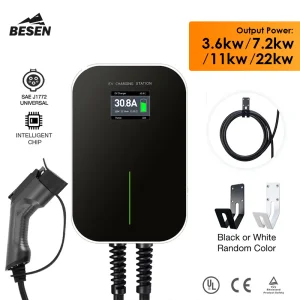
Optimized 11kw to 22kw AC stations for multi-level basement parking in major cities like Ho Chi Minh and Da Nang, supporting long-duration stay charging for retail shoppers.
Solar-powered Level 2 chargers integrated with local microgrids to provide sustainable "destination charging" for green tourists in Vietnam’s coastal gems.
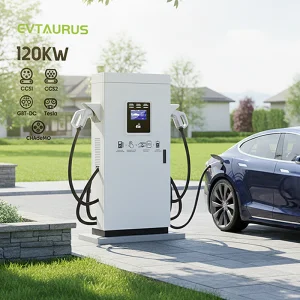
Ultra-fast DC power modules (240kw+) designed for electric trucks and heavy-duty logistics fleets operating between Vietnam's major ports and manufacturing clusters.
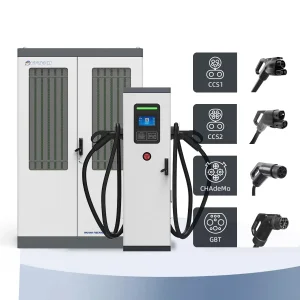
Dedicated charging depots utilizing our high-current Infypower modules to ensure rapid turnaround times for Vietnam’s growing network of electric city buses.
Load-balancing intelligent chargers that prevent grid overload in densely populated apartment complexes in Thu Duc City and Nam Tu Liem.
Rugged GBT and CCS2 solutions for remote provinces (Dak Lak, Ha Giang), featuring high dust resistance and wide-range voltage stability for inconsistent power grids.
The Vietnamese EV market is on the cusp of an "infrastructure boom." Key trends we are monitoring include:
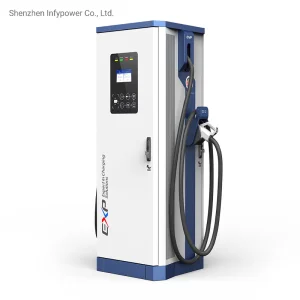 Infypower 150kw EV Station for Vietnam Electric Bus & Truck Fleets
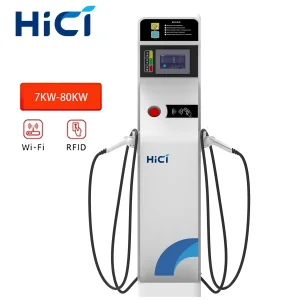 High-Power 86kw Gbt off-Grid EV Charging Station - Vietnam Rural Series
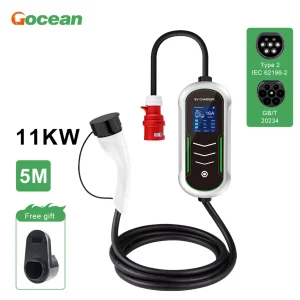
 Factory Sale 40kw CCS DC Portable Charger for Vietnam Roadside Service
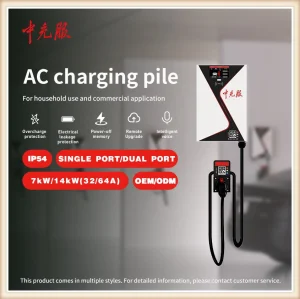 AC Station 14kw Dual Gun Fast Charging for Vietnam Public Malls
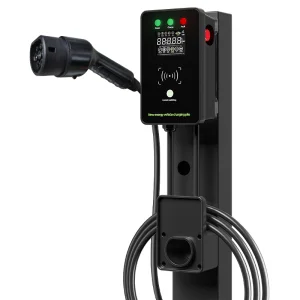 32A EV Intelligent Recognition Charger for Vietnam Smart Homes
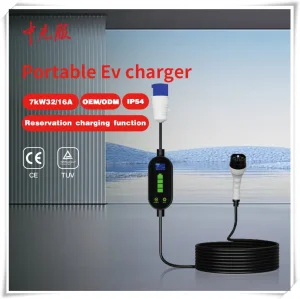 Joltwave Rapid Portable EV Charger for Vietnam Travel Ease
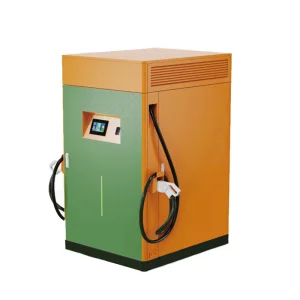 Vietnam Commercial Level 2 Solar Powered Off-Grid Charging Station
 All-Weather IP54 44kw AC Charging Station for Vietnam Monsoon Climate
 Zap Charger