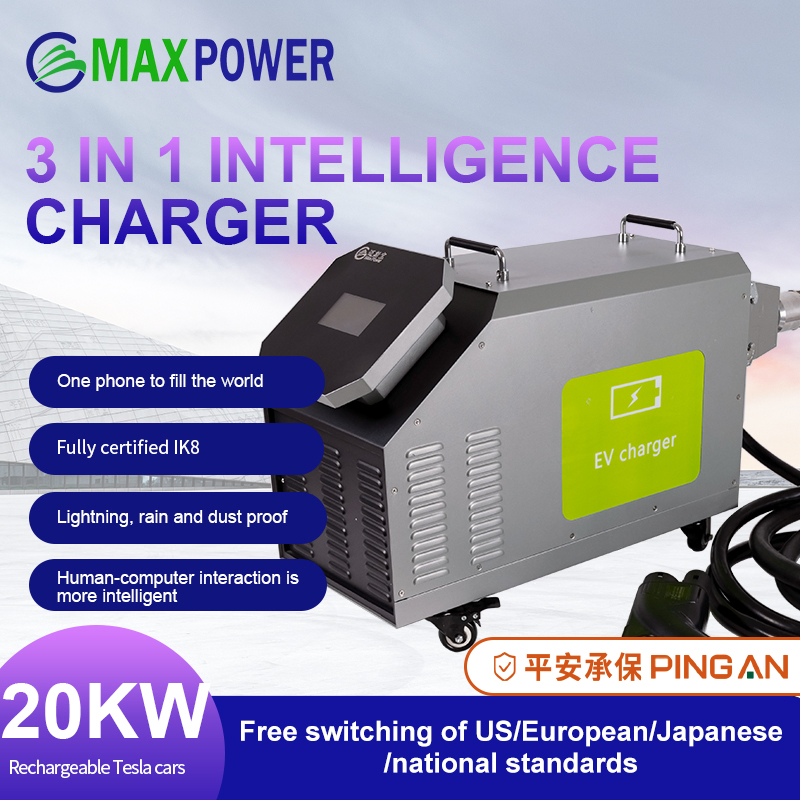
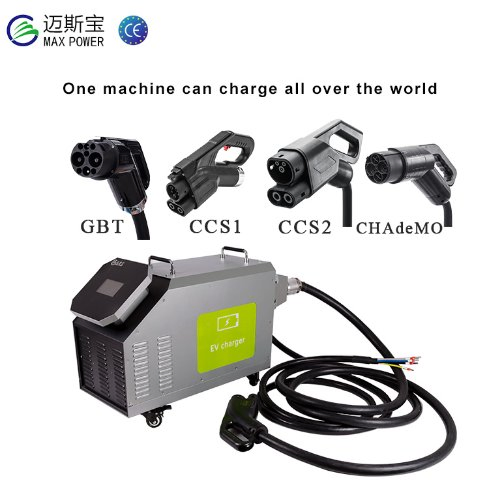
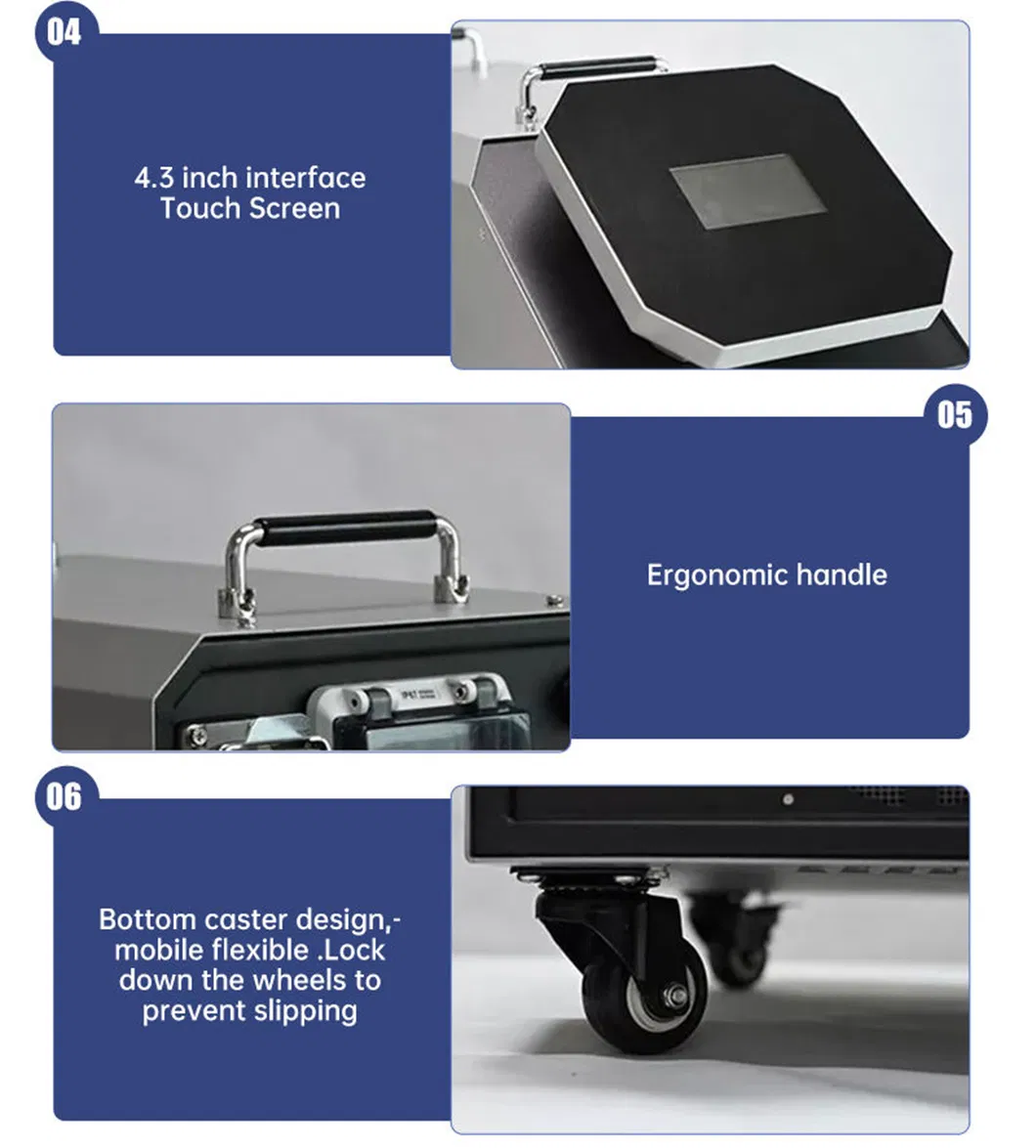
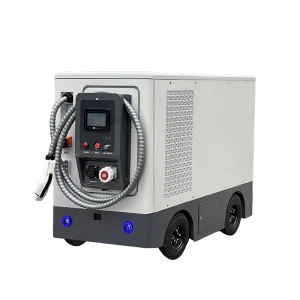
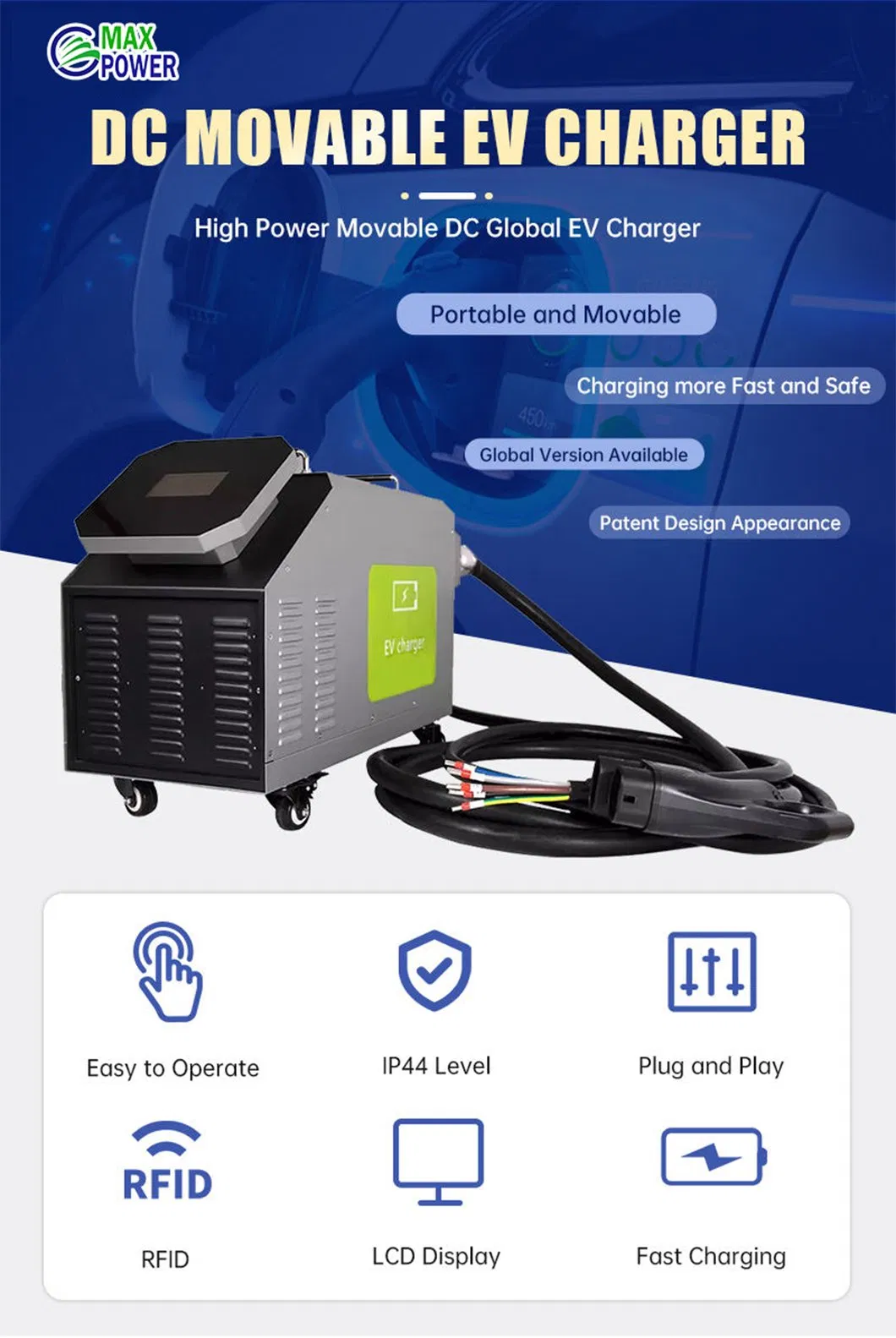
Portable Mobile EV Charger 20kw DC Fast Charger Electric Car Charging Station

Customization: Available
Charge Method: Quick Charge
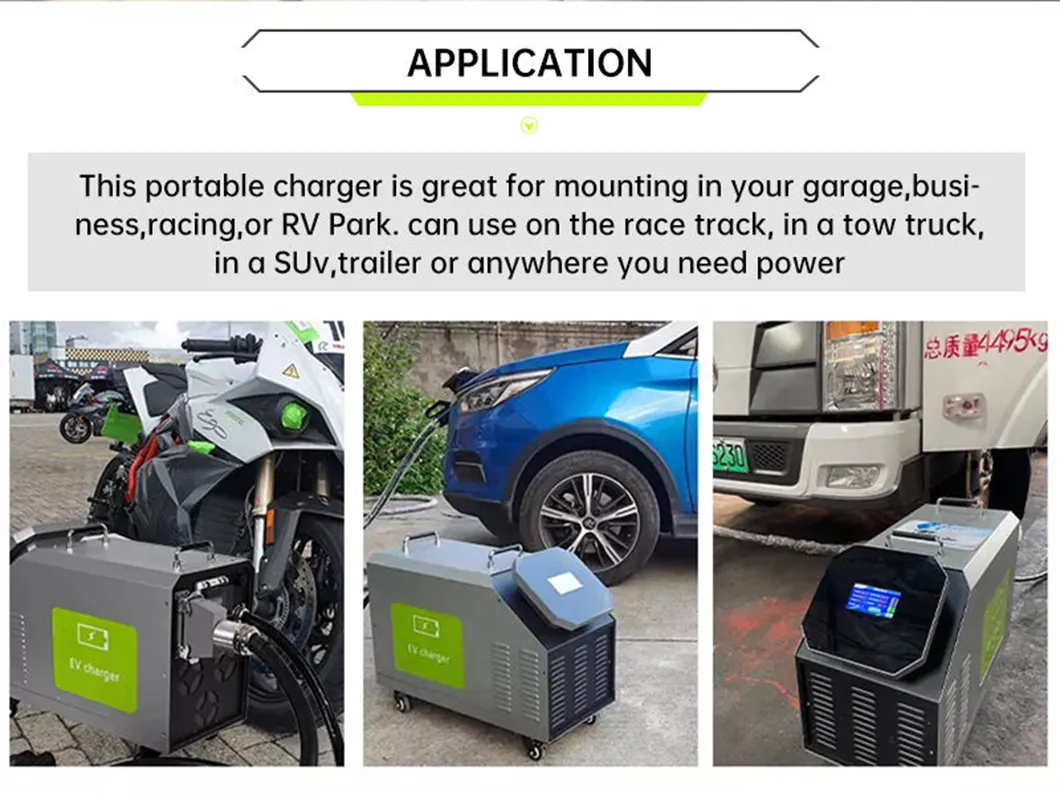
Installation: Mobile

Product Description

📋

Basic Information

Model NO.
XC20750HG
Location
Public Use
Charging Interfaces
One Pile with One Charge
Transport Package
Plywood Wood Box
Specification
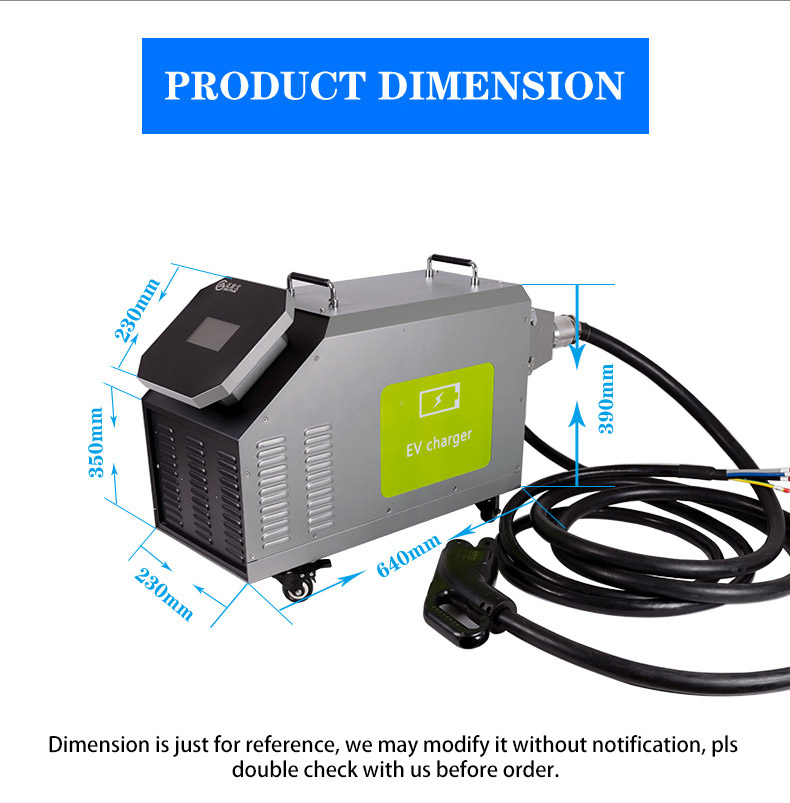
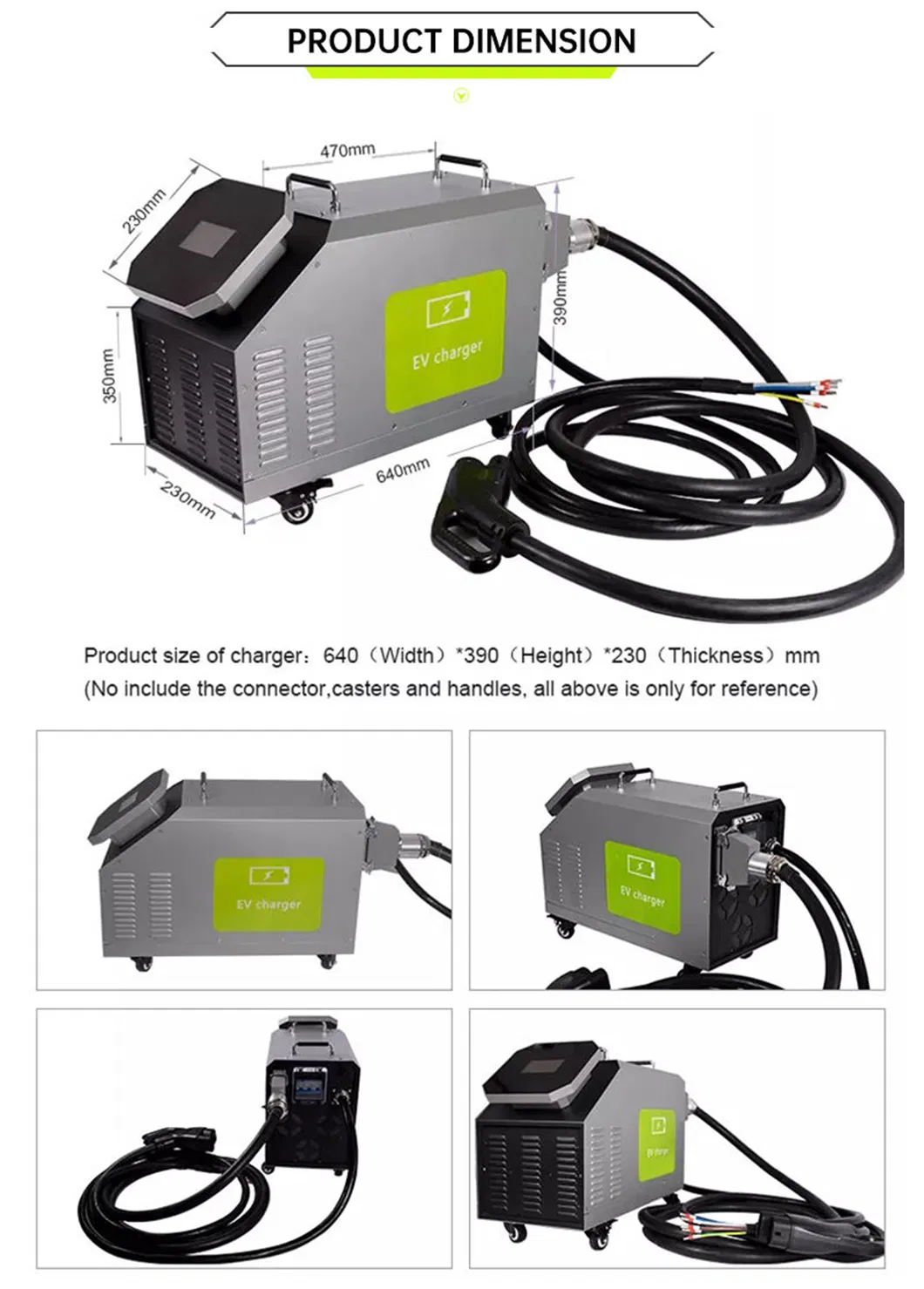
L86*W54*H56cm
Origin
China
HS Code
8504409999
Production Capacity
500

Product Description

In the future, private cars will become the main force in electric vehicle ownership. With the construction of electric vehicle charging infrastructure, compared with large public charging stations, residential charging stations such as residential communities and industrial parks will gradually become the mainstay of private car charging.

This is also the natural soil for low-power DC charging. Due to the resident charging scenario, its outstanding features are tight power capacity, long charging time, and high safety requirements. Low-power DC charging has the characteristics of "relatively low power and schedulable output," "real-time grasp of electric vehicle battery data" and other features, which exactly match the core demands of the resident scenario.

All electric vehicle batteries need to be charged with direct current, that is, no matter which method is used, the alternating current needs to be rectified into direct current to charge the electric vehicle.

The essential difference between AC charging and DC charging is that the AC charging rectification process is realized by the on-board charger (OBC) of the electric vehicle, while DC charging is realized by the charging pile, which means that the rectification process brings. The loss of electric energy is borne by the user during the AC charging processes, and by the charging operator during the DC charging process.
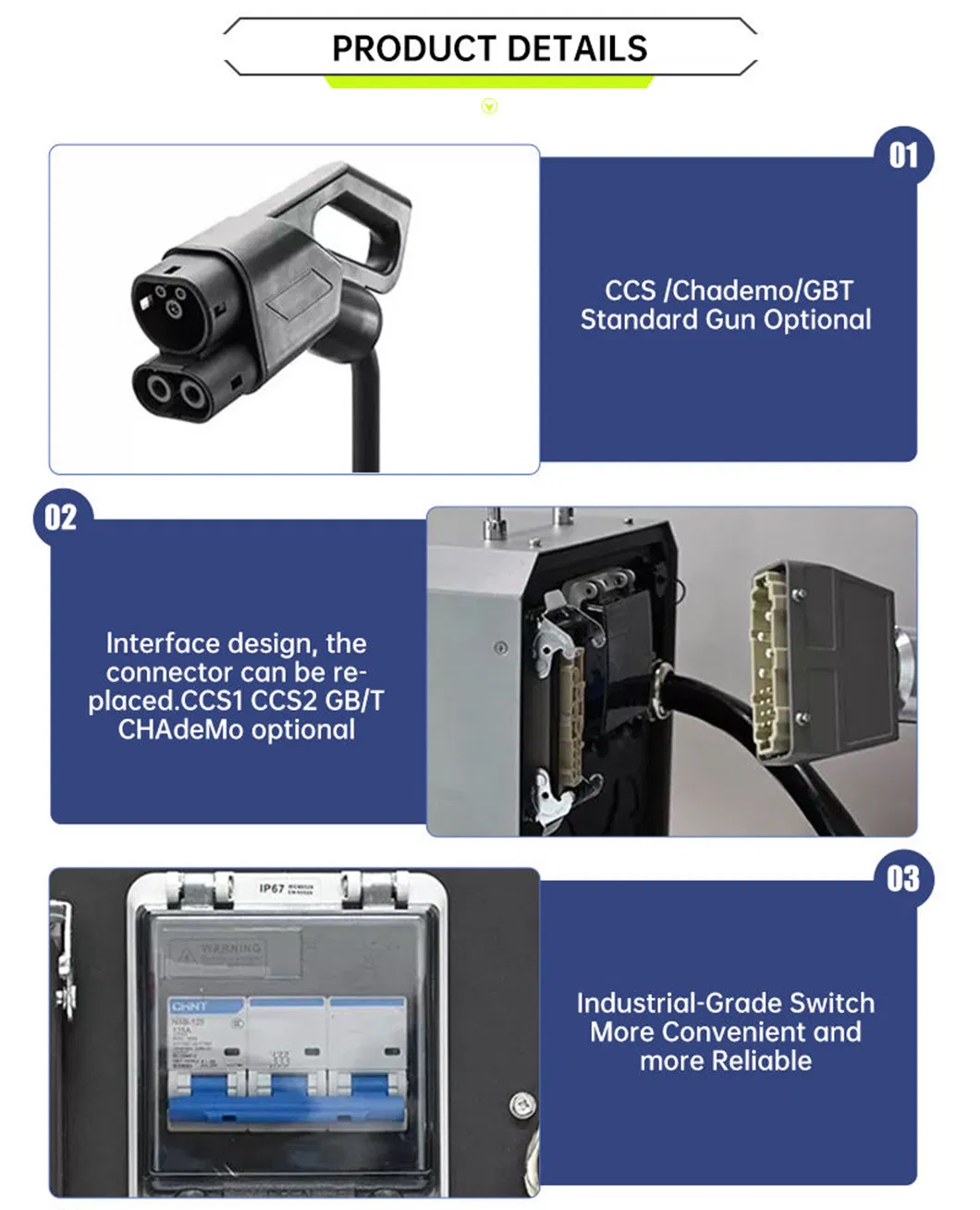
Frequently Asked Questions

What are the advantages of low-power DC charging for residential use?
Low-power DC charging allows for schedulable output and real-time battery data monitoring, making it ideal for locations with limited power capacity and long dwell times like residential parks.
How does the rectification process differ between AC and DC charging?
In AC charging, the rectification is done by the vehicle's internal charger (OBC). In DC charging, the rectification happens within the charging pile itself, reducing energy loss for the vehicle owner.
Is this charger suitable for public use?
Yes, the model is specifically designed for public use, including industrial parks, residential communities, and shared parking facilities.
What type of packaging is used for international shipping?
The product is securely packed in a Plywood Wood Box to ensure safety and prevent damage during long-distance transport.
Can this charger handle multiple vehicles simultaneously?
This specific model (XC20750HG) is configured as "One Pile with One Charge," focusing on dedicated high-quality output for a single vehicle at a time.

Related Products