Engineered for extreme reliability, dynamic load balancing, and rapid deployment in modern battery-swapping and hyper-charging hubs.
Hangzhou Zap Charger Co., Ltd. is a professional EV charging solutions manufacturer specializing in high-performance connectors, cables, and smart charging systems for the global electric mobility market. Based in Hangzhou, the company benefits from a strong technology ecosystem and advanced manufacturing capabilities, enabling efficient production and continuous innovation.
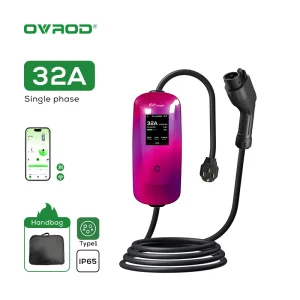
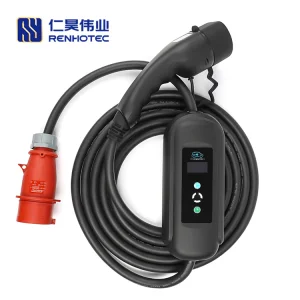
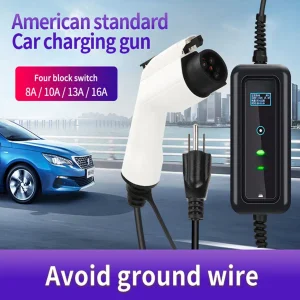
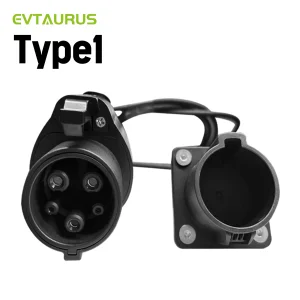
Zap Charger offers a comprehensive product portfolio, including EV charging connectors, AC and DC charging cables, portable chargers, and intelligent charging systems designed for residential, commercial, and public infrastructure applications. All products are engineered with a focus on safety, durability, and compatibility, meeting international standards to ensure reliable performance across different regions and vehicle types.
Driven by a skilled R&D team, the company continuously develops smart charging technologies that enhance energy efficiency, optimize charging performance, and support the growing demand for sustainable transportation. Hangzhou Zap Charger Co., Ltd. also provides flexible OEM and ODM services, allowing clients to customize designs, specifications, and branding to suit specific market requirements.
With strict quality control, competitive pricing, and a customer-oriented approach, Zap Charger is committed to delivering innovative, efficient, and scalable EV charging solutions, building long-term partnerships with distributors, energy providers, and automotive industry clients worldwide.
Exploring the strategic shift from classic DC fast charging hubs to dynamic Battery-as-a-Service (BaaS) ecosystems.
While traditional DC ultra-fast charging units require 30 to 60 minutes to recharge heavy vehicles, battery swap stations execute complete power replenishment in less than 3 minutes. This maximizes operational uptime for commercial fleets, e-taxis, and port trucks.
Battery swap stations act as giant distributed energy storage systems. By charging reserve batteries during off-peak hours and discharging them into vehicles, they alleviate grid load and enable peak shaving capabilities.
Batteries are charged in temperature-controlled, optimized chambers. This eliminates thermal stress associated with on-board DC high-current fast charging, expanding overall lithium cell health and longevity by up to 40%.
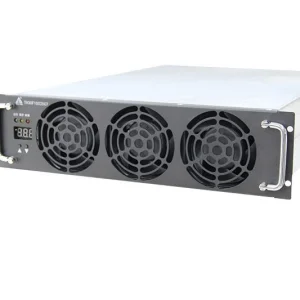
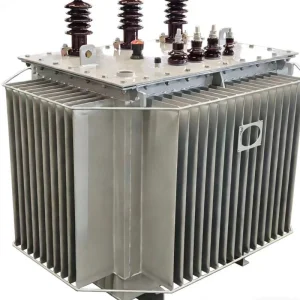
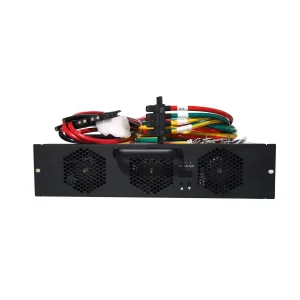
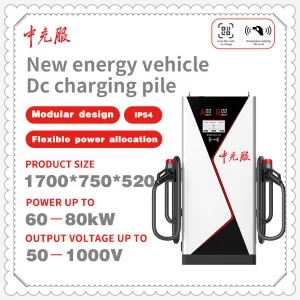
A battery swap station is not simply a mechanical structure; it is an aggregation of high-level electronics. From 35kv oil-immersed transformers that manage grid-to-station power conversion, down to safety-critical High-Voltage Interlock (HVIL) systems, the entire swap environment relies on heavy-duty DC converters (such as 30kw/40kw power modules) to maintain absolute stability during continuous charging phases.
Supplying high-capacity EV charging and swapping components across 6 continents.
Securing project permits in North America, Europe, or the APAC region requires adherence to safety frameworks. Zap Charger products comply with CE, TUV, RoHS, and UL specifications, ensuring peace of mind for engineering procurement managers.
By leveraging the industrial prowess of Hangzhou's tech ecosystem, we secure access to premium raw materials and high-precision tooling. This geographic and engineering advantage translates into direct cost benefits, consistent component quality, and accelerated shipping timelines.
Tailoring infrastructure solutions to match localized power constraints and high-frequency usage scenarios.
Heavy-duty trucks need non-stop action. By replacing flat batteries with pre-charged packs, ports maintain peak throughput. Our 35kv oil-immersed transformers and modular high-power converters sustain the load demands of these industrial hubs.
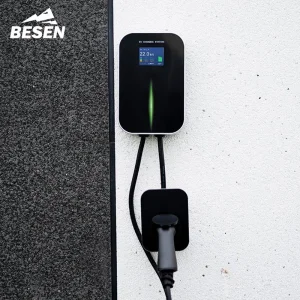
Taxis and delivery vans cannot afford charging downtime. Centrally located urban swap stations resolve this bottleneck, optimizing fleet utility while utilizing smart app integration (such as Besen APP/WiFi platforms) for queuing and reservation management.
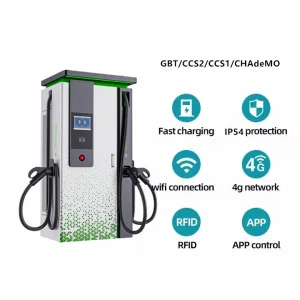
Integrating modular fast-charging systems alongside automated swap lanes allows passenger and commercial vehicles to choose their energy top-up style, maximizing station profitability.
Insights into technical, regulatory, and mechanical components of modern battery swapping architecture.
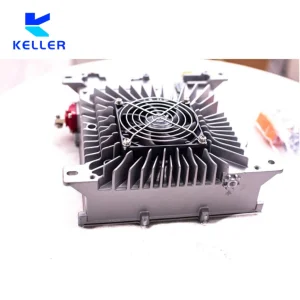
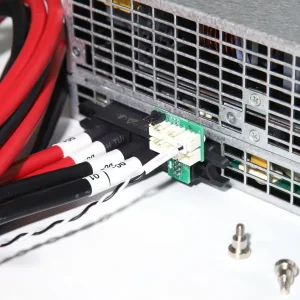
Explore our heavy-duty converters, adapters, transformers, and replacement accessories designed for prolonged operational life.
 Zap Charger