Zap Charger
1 / 5
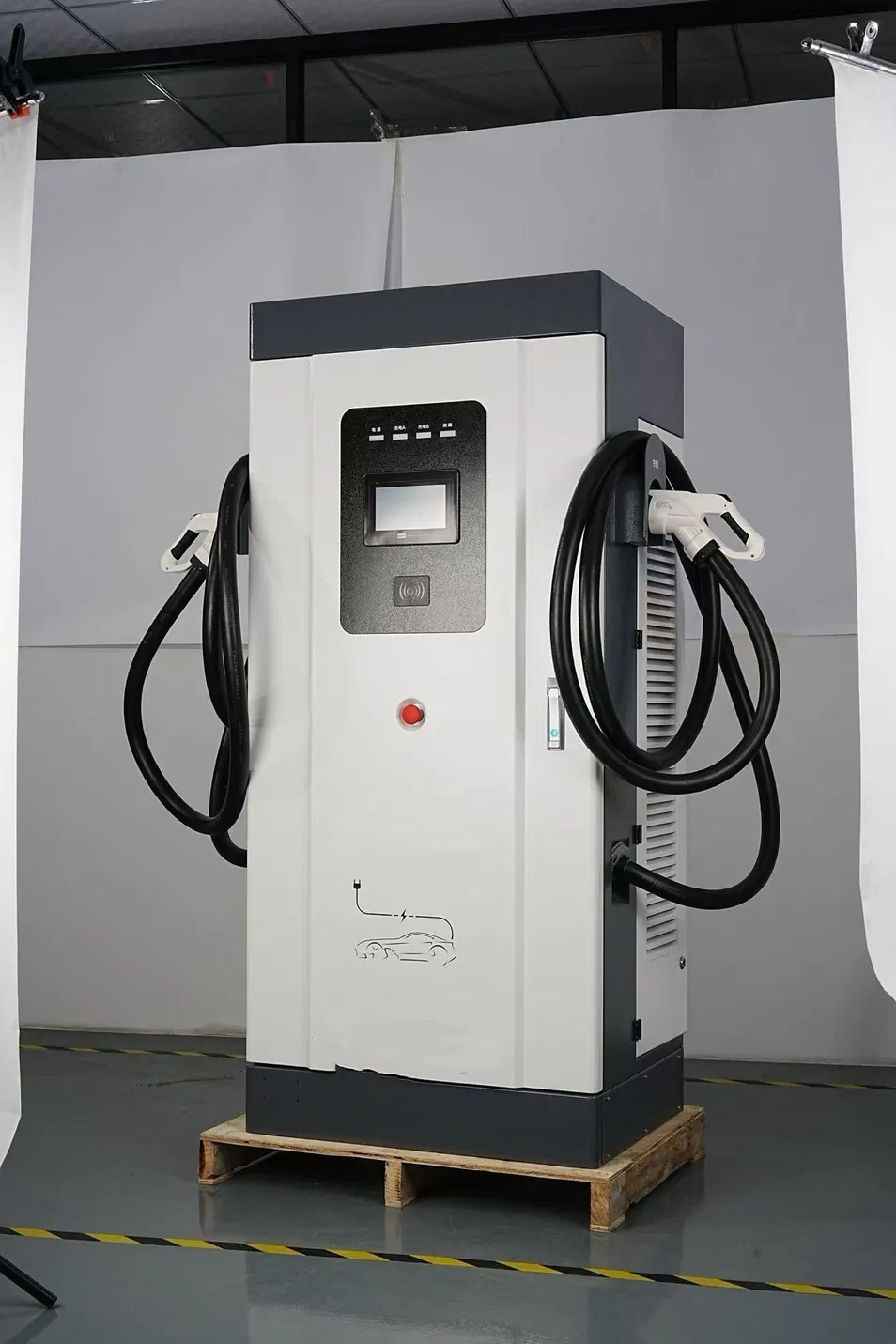
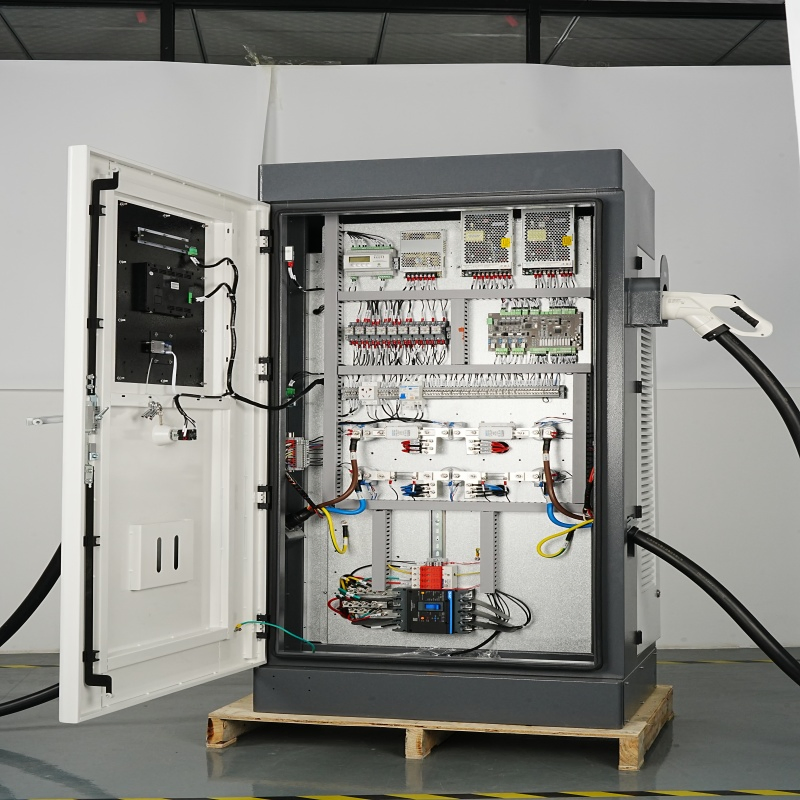
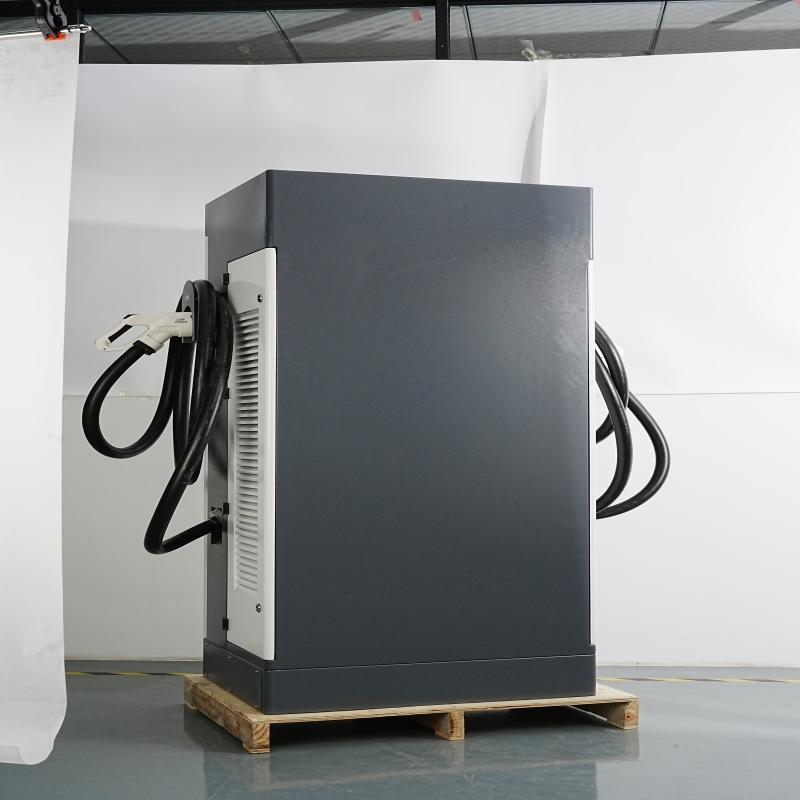
Introduce: Electric vehicle charging pile is the key equipment for electric vehicle replenishment of energy, which is equivalent to the gas station for fuel vehicles.
(1) AC charging pile:
How it works: It outputs alternating current. The "on-board charger" inside the electric car converts the alternating current to direct current, which then charges the battery.
Charging speed: slow charging. The power is usually 3.5kW, 7kW, 11kW and 22kW (7kW is common in domestic household piles).
Interface standard: GB/T , Type 2, CCS2
(2) DC charging pile:
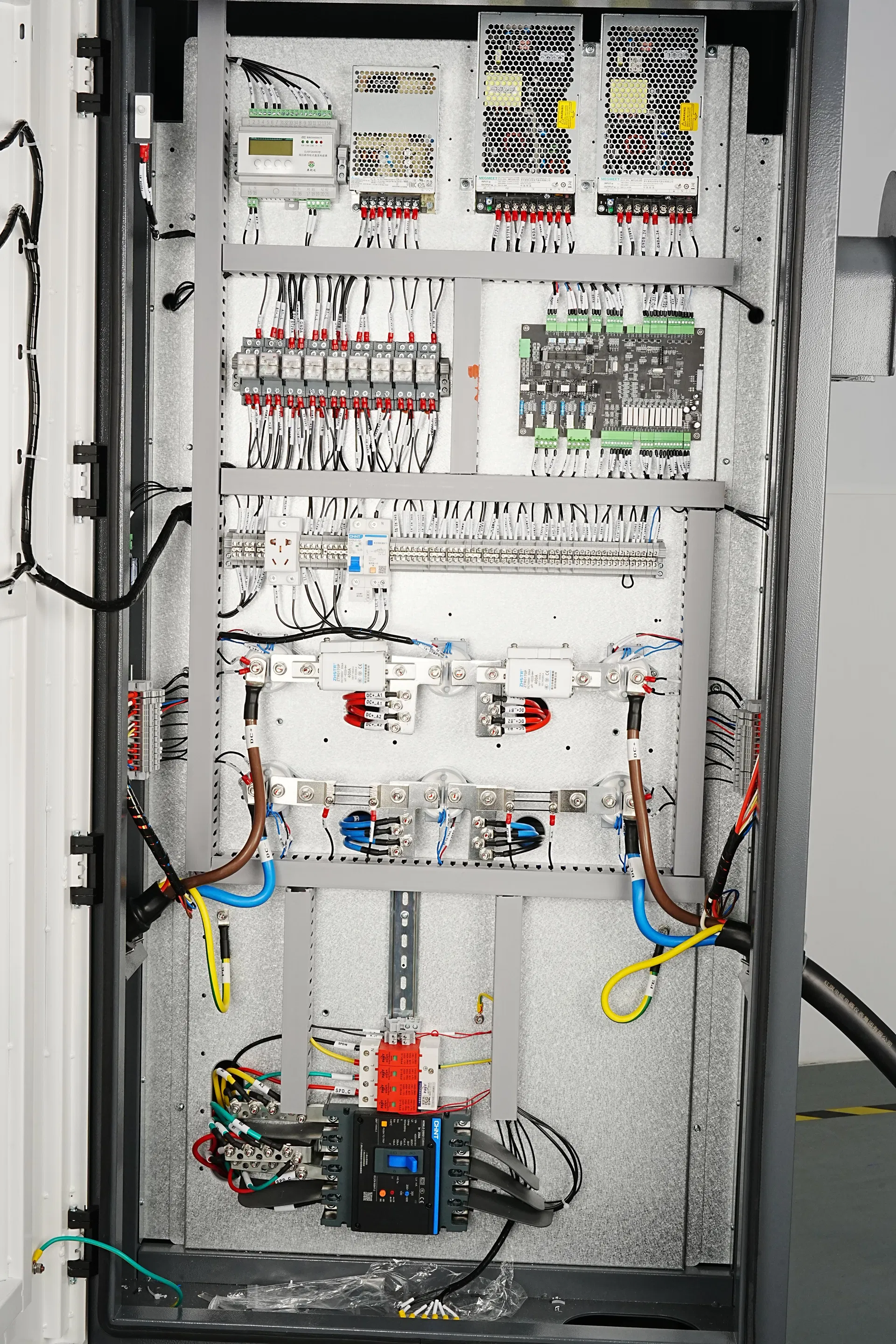
Principle: The internal high-power rectifier module converts the AC power from the grid directly into DC power to charge the electric vehicle battery directly, bypassing the on-board charger.
Charging speed: fast charging/overcharging. The power range is wide, commonly 30kW, 60kW, 120kW, 150kW, 180kW, and even higher (such as 250kW, 350kW, 480kW).
Characteristics:
• The charging speed is very fast (generally 30 minutes to 1 hour can be charged to 80% of the power), suitable for mid-way recharge, long distance travel.
• The equipment structure is complex and the cost is high.
• High requirements for power grid capacity and lines.
• Common types: public fast charging stations (highway service areas, shopping malls, public parking lots, etc.).
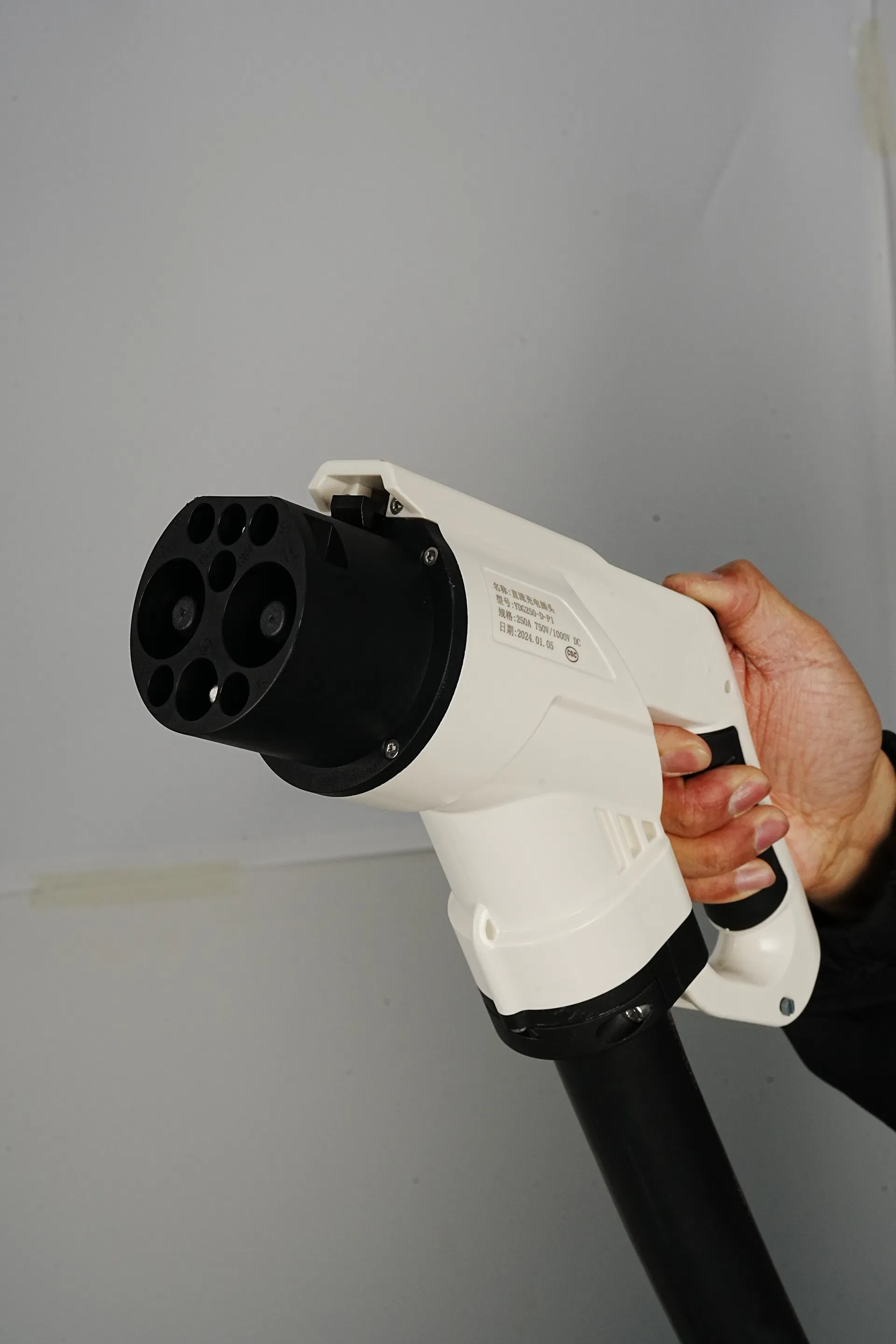
• Interface standards: GB/T, CCS2, CCS1



| Parameter | Details |
|---|---|
| Product Model | 240KW |
| Output Maximum Power | 240KW |
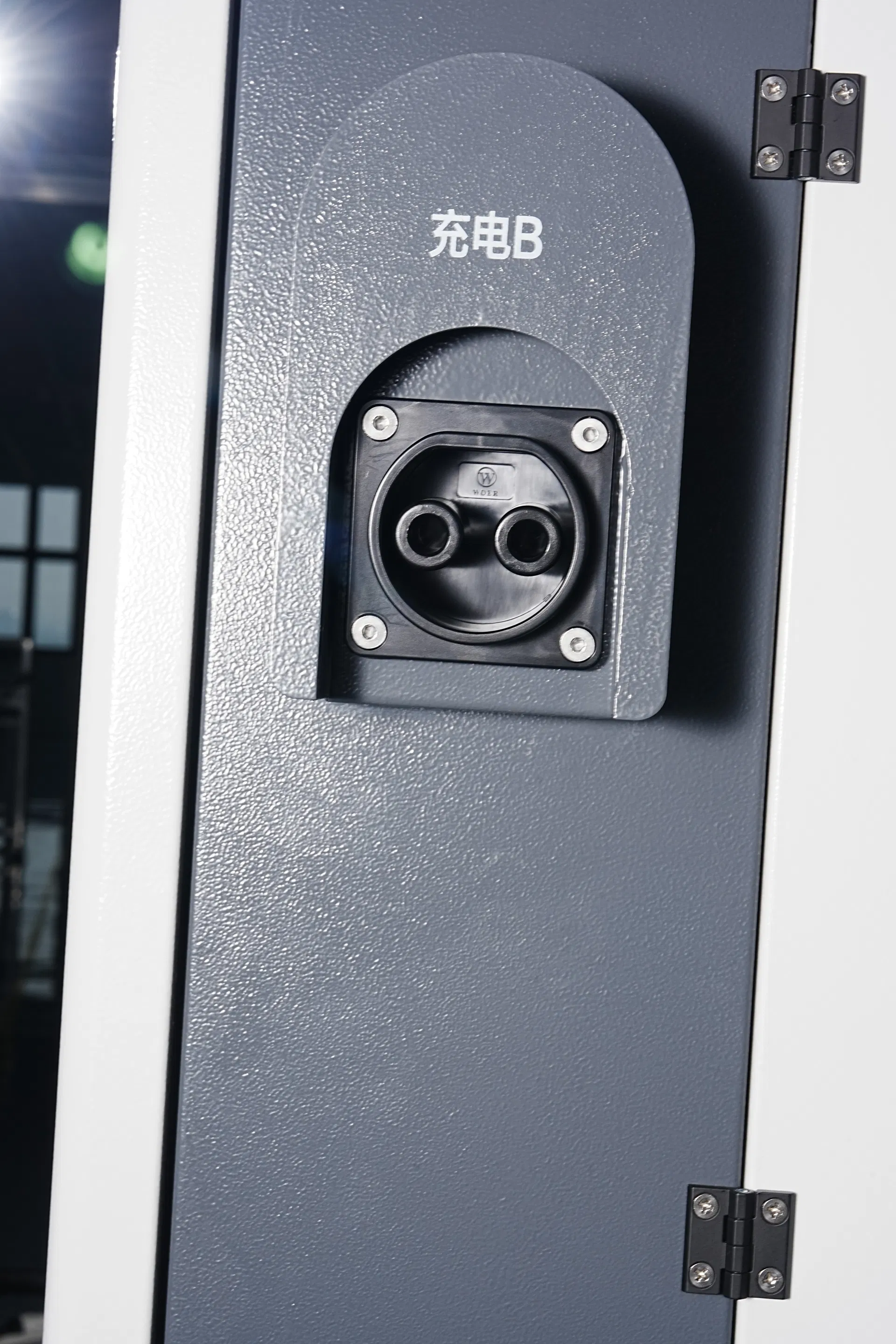
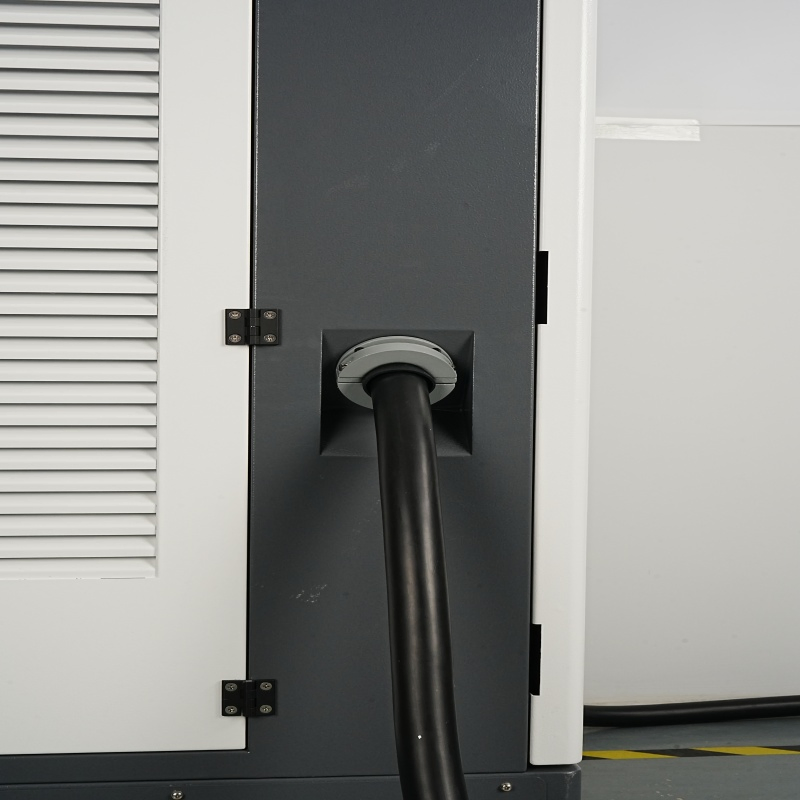
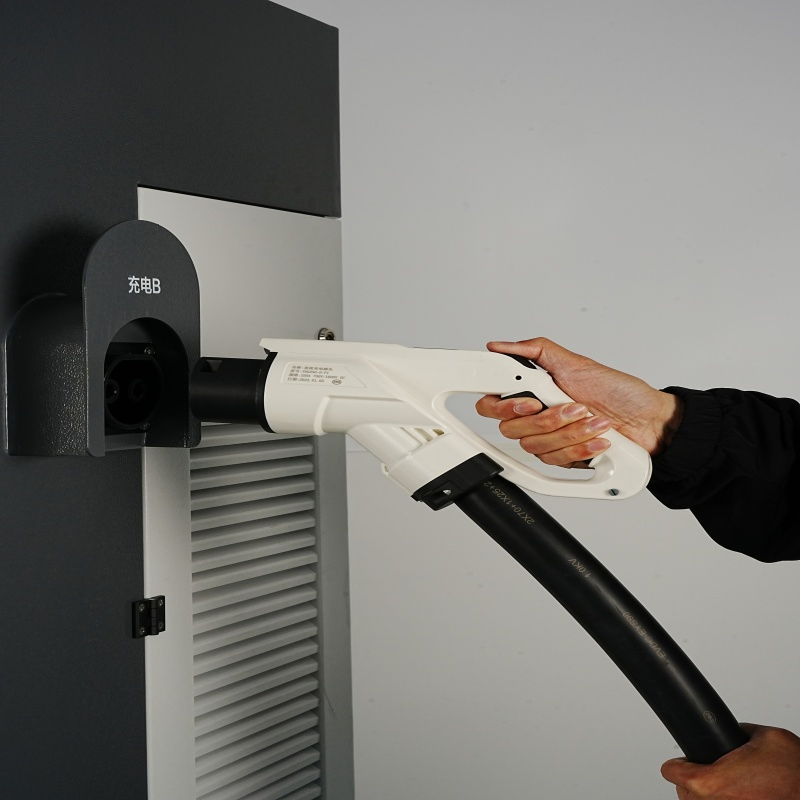
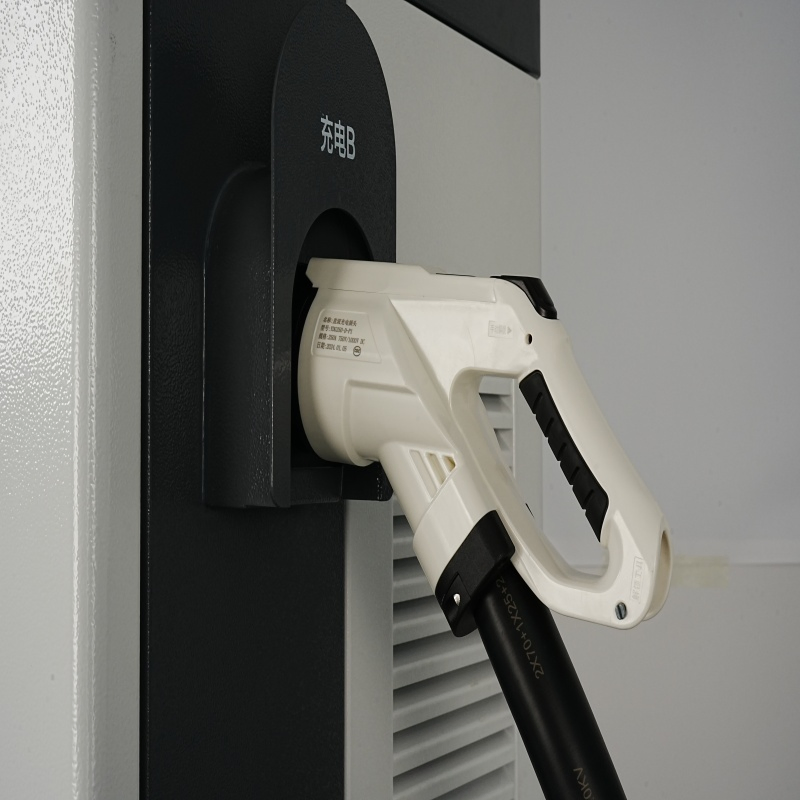
| Charging Connector | Dual |
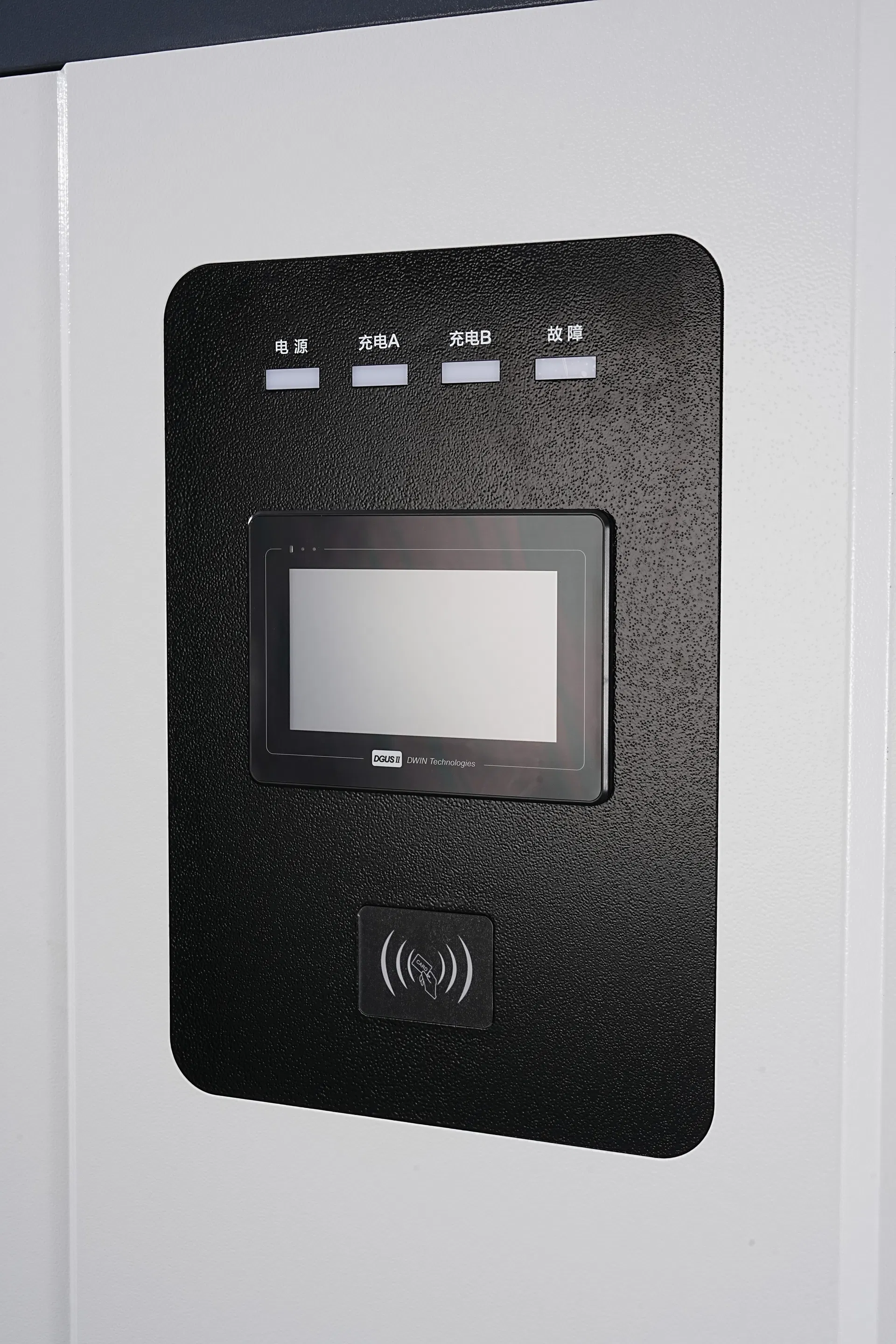
| Configuration Options | POS Machina/Scan QR COdes/RFID payment Terminals with OCPP |
| User Interface | 7 inch |
| Enclosure IP Code | IP54 |
| Standard | Europe CCS2 |
| Noise | <75dB |
| Operating Temperature | -2C to 50C |
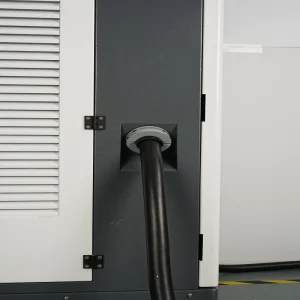
| Charge Cable Length | 5 Meters |