Explore our core premium hardware selection, engineered to satisfy European TUV, North American ETL, NACS, and general IEC standard criteria.

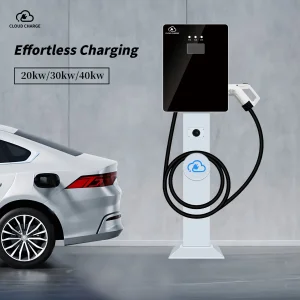
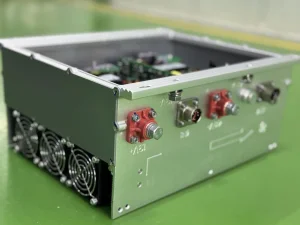
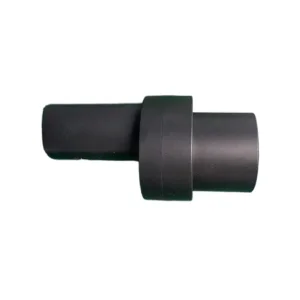
As the global transportation matrix transitions from internal combustion engines to electric powertrains, the demand for EV charging infrastructure is experiencing exponential growth. However, contemporary market dynamics show that charging speed alone is no longer the sole differentiator. Today's commercial, municipal, and residential buyers demand safety, longevity, grid efficiency, and outstanding product aesthetics. Modern EV charging station design has evolved from basic outdoor electrical outlets into highly sophisticated power distribution centers.
At Hangzhou Zap Charger Co., Ltd., we operate at the intersection of aesthetic distinction and rigorous electrical engineering. Strategically situated in Hangzhou’s robust tech cluster, our R&D teams design and produce specialized vehicle connectors, high-conductivity cables, and intelligent, cloud-connected chargers. We address critical pain points such as thermal degradation, environmental degradation, electrical instability, and software-hardware communication friction.
Providing high "Information Gain" for sourcing officers means looking past superficial specifications. Global operators must evaluate core metrics like Mean Time Between Failures (MTBF), copper purity in power cables, heat sink dissipation coefficients, and dynamic load-balancing capacities. This executive whitepaper details these parameters to ensure your procurement choices match long-term infrastructure goals.
Exploring technological movements that shape procurement decisions across Europe, the Americas, and the Asia-Pacific region.
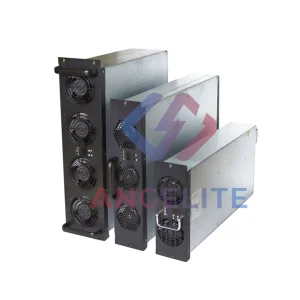
Traditional air cooling struggles above 150kW due to thermal limits. The sector is moving to liquid-cooled modules (such as our 40kW@1000V DC module) to allow 350kW+ charging speeds with lighter cables and smaller unit footprints.
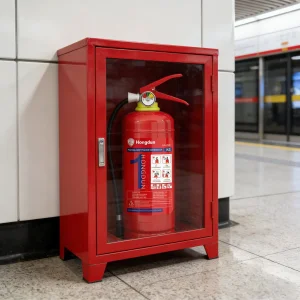
With higher energy transfers comes increased safety responsibility. Advanced designs integrate multi-layer circuit isolation, continuous temperature monitoring, and integrated fire extinguishing systems to protect vehicles and local grid hardware.
Interoperability is crucial. Hardware must support OCPP 1.6J and OCPP 2.0.1 protocols. Physical compatibility is shifting toward dynamic dual-outlet configurations or integrated CCS-to-NACS adapters to serve diverse fleets.
Analyzing specific technical demands and deployment challenges across key market segments.
Focus on total power throughput, minimal downtime, and robust physical connectors (like our durable 160kw-240kw fleet systems) capable of withstanding hundreds of daily mating cycles in demanding fleet yards.
Retail and workplace buyers prioritize compact designs, smart branding opportunities, integrated payment displays, and load management software to avoid expensive peak-demand grid charges.
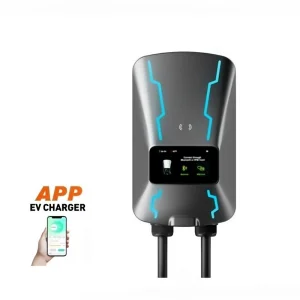
Needs include sleek aesthetics, smart home integration (Wi-Fi/Bluetooth), simple Wallbox brackets, and electrical safety standards (IP54/IK10 ratings) for reliable outdoor use.
Requires ultra-rugged, weather-resistant structures with vandal-proof designs, certified revenue-grade metering (MID), and high-efficiency cooling to maximize operating life and reliability.
At Hangzhou Zap Charger Co., Ltd., we design complete charging ecosystems rather than standalone components. This end-to-end integration is key to solving common deployment problems: grid limitations, varying outdoor environments, and software integration hurdles.
| Deployment Challenge | Design & Hardware Solutions | Expected Operational Benefit |
|---|---|---|
| Grid Capacity Bottlenecks | Dynamic Power Allocators & Phase Balancing Software | Reduces grid connection costs by up to 40% while safely charging multiple vehicles. |
| Harsh Weather Environments | Dual-Chamber Sealing, IP65 protection, Anticorrosion Coatings | Protects internal power modules from dust and moisture in costal or desert regions. |
| Software Synchronization Issues | Pre-validated OCPP 1.6J/2.0.1 API Integration with cloud networks | Enables immediate plug-and-play connection to global billing platforms. |
| High Maintenance Costs | Modular components, hot-swappable fans, and remote diagnostics | Lowers Mean Time to Repair (MTTR) by allowing rapid field swaps of power modules. |
Deploying charging infrastructure globally requires strict adherence to international electrical codes and safety standards. Every market has specific regulatory requirements. Partnering with a manufacturer that implements these rules directly at the factory floor is essential to prevent costly compliance delays.
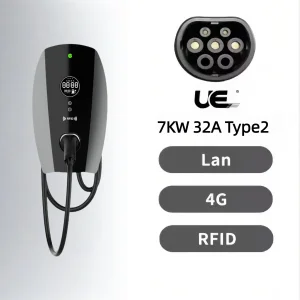
Our charging stations designed for the European market comply with IEC 61851 standards. They feature Type 2 sockets with optional mechanical shutters and residual current detection (RCD Type B or Type A + DC 6mA) to ensure full safety compliance.
For North America, our chargers conform to UL 2594 and UL 2231 standards. They support Type 1 (SAE J1772) and NACS connectors, and are designed for extreme outdoor conditions (NEMA 3R or 4X enclosures).
We design systems to meet localized grid codes, including DIN SPEC 70121 and ISO 15118. This enables reliable Plug & Charge capability and smart vehicle-to-grid communication features.
The electric vehicle industry is rapidly evolving, making future-proof design a key procurement priority. Zap Charger's R&D strategy focuses on three core pillars to keep our hardware ready for next-generation vehicle technologies:
Answers to common technical questions from global procurement officers and network design engineers.
Liquid-cooled modules, like our 40kw@1000V module, isolate sensitive electronics from outside dust and contaminants. This layout keeps operating temperatures lower and more stable, improving conversion efficiency to over 96% and significantly extending the lifetime of the hardware compared to air-cooled equivalents.
Our systems run standard OCPP 1.6J and OCPP 2.0.1 communication protocols. We perform regular compatibility tests with major global CSMS providers (such as ChargePoint, EVBox, and Virta) to ensure fast, reliable integration for payment processing, remote diagnostics, and OTA updates.
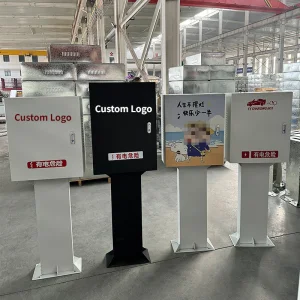
We provide full OEM and ODM services. This includes physical cabinet modifications, custom brand colors and logos, personalized UI/UX on touchscreens, and custom PCB designs. We can also integrate specific payment terminals or RFID readers to meet localized commercial requirements.
Our chargers feature comprehensive safety mechanisms: overcurrent, overvoltage, undervoltage, surge, and short-circuit protections. Select models also include integrated fire-prevention systems, flame-retardant materials, and auto-isolation relays to safeguard the vehicle, charger, and grid.
Browse our secondary selection of specialized charging systems, portable hardware, and high-performance interconnects.
 Zap Charger
