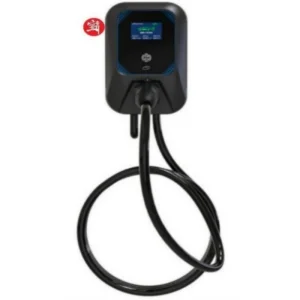
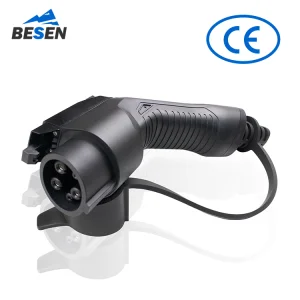
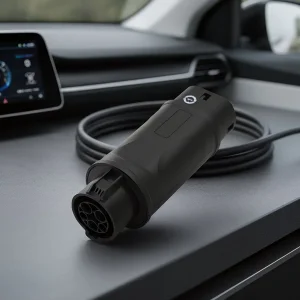
As the global transportation system undergoes its most profound transformation since the transition from horse-drawn carriages to internal combustion engines, the reliability of Electric Vehicle Supply Equipment (EVSE) has emerged as the definitive gatekeeper of commercial progress. For charge point operators (CPOs), municipal transport networks, commercial logistics fleets, and infrastructure developers, maintaining a functional network is no longer a matter of periodic preventative checks. It is an engineering challenge requiring sophisticated Custom OEM Charging Station Maintenance protocols, highly resilient interconnects, and scalable hardware and software support systems.
At Hangzhou Zap Charger Co., Ltd., we approach these challenges through a unified design and manufacturing ethos. Recognizing that modern charging stations are not static appliances but sophisticated electrical nodes exposed to harsh environmental factors, we focus on engineering the core systems that prevent failure. From IP54 floor-standing DC quick chargers with hot-swappable module slots to modular connectors, intelligent adapters, and diagnostic subsystems, we deliver solutions that maximize uptime, reduce Mean Time to Repair (MTTR), and minimize long-term operational expenditures.
The transition toward medium and heavy-duty logistics fleets, municipal bus rapid transit systems, and massive high-density multi-tenant public charging depots has intensified the requirements for commercial charging stations. Globally, legislation like the US National Electric Vehicle Infrastructure (NEVI) program and the European Union’s Alternative Fuels Infrastructure Regulation (AFIR) mandates stringent uptime metrics. In many jurisdictions, operators face heavy financial penalties if charger availability drops below 97% to 99%. Achieving this level of reliability requires robust maintenance frameworks integrated directly into the initial hardware design phase.
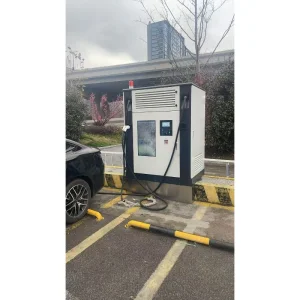
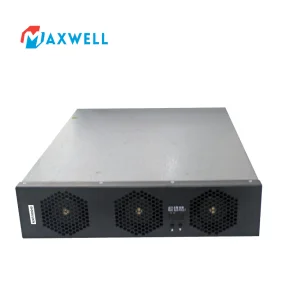
DC quick chargers require high-density power modules. Modular layouts like 20kW, 30kW, and 40kw power converters ensure that system faults can be resolved in minutes by replacing individual drawers without shutting down the entire station.
Incorporating Modbus RS485, OCPP protocol integrations, and battery monitoring technologies allows support technicians to monitor operational variables, isolate fault origins, and deploy corrective actions before physical breakdown occurs.
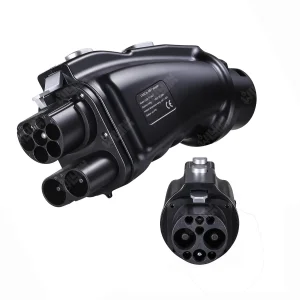
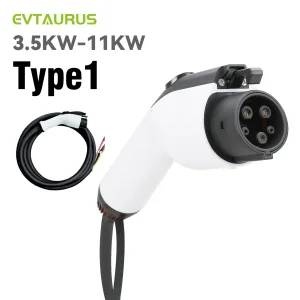
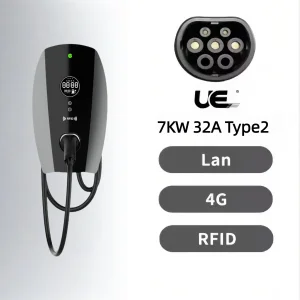
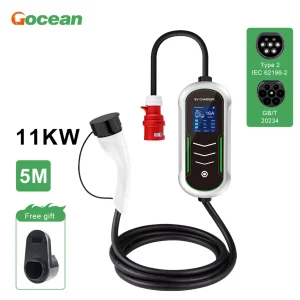
With standard charging formats like CCS1, CCS2, GBT, Type 1, and Type 2, maintenance strategies must bridge different standards. Adapter designs (CCS2 to GBT, Tesla compatibility) ensure seamless multi-vehicle charging services.
In the industrial sphere, maintenance is not just about replacing parts—it is about anticipating wear patterns. Electric vehicle charging cables are constantly run over, dropped on pavement, and subjected to fluctuating current loads. Over time, contact resistance in the copper pins rises, causing localized thermal spikes. If left unmonitored, these spikes can degrade the internal connector material, causing safety risks or complete connector damage. Thus, custom OEM solutions focusing on robust raw material selection, internal thermal sensor integrations, and heavy-duty strain relief collars are vital for commercial success.
Designing charging systems that are easy to maintain is a core requirement of the modern green economy. Our engineers focus on modular product design, ensuring that components with the highest wear rates can be serviced with minimal tools and training. The following core design considerations guide our product development:
Connectors and cables are the primary contact point between the user and the electrical grid. They must withstand tens of thousands of insertion cycles, extreme UV radiation, freezing temperatures, and mechanical strain. By utilizing high-grade thermoplastic elastomers (TPE) and silver-plated copper alloy pins, Zap Charger connectors prevent corrosion and minimize terminal contact resistance. This focus on material science directly reduces thermal degradation and the need for frequent replacement, lowering operating costs for the charge point owner.
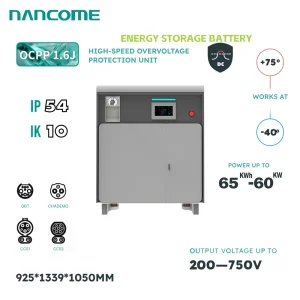
Modern charging yards often combine multiple energy sources to mitigate high demand charges. The integration of high-capacity Solar Charge Storage Integrated Units alongside high-power DC fast-charging stations creates a self-sustaining grid buffer. By storing solar energy during off-peak times and discharging it during peak charging periods, our systems prevent high utility charges and protect the local distribution network from transformer overload. These integrated platforms utilize intelligent battery management systems (BMS) to extend the lifespan of the storage batteries and coordinate real-time power distribution.
High-quality OEM operations require precision testing tools. Field technicians cannot rely on guesswork to identify charging bugs. High-voltage test devices, such as the TK4850E DC EV Charging Station Testing Device with a built-in load, allow installers to simulate actual vehicle charge cycles. This helps verify insulation integrity, measure control pilot signals, monitor communication protocols, and confirm safety shut-off limits before commissioning or during scheduled maintenance windows.
Hangzhou Zap Charger Co., Ltd. is a professional EV charging solutions manufacturer specializing in high-performance connectors, cables, and smart charging systems for the global electric mobility market. Based in Hangzhou, the company benefits from a strong technology ecosystem and advanced manufacturing capabilities, enabling efficient production and continuous innovation.
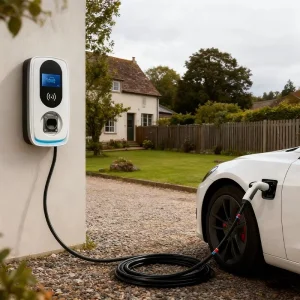
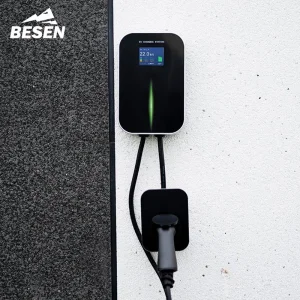
Zap Charger offers a comprehensive product portfolio, including EV charging connectors, AC and DC charging cables, portable chargers, and intelligent charging systems designed for residential, commercial, and public infrastructure applications. All products are engineered with a focus on safety, durability, and compatibility, meeting international standards to ensure reliable performance across different regions and vehicle types.
Driven by a skilled R&D team, the company continuously develops smart charging technologies that enhance energy efficiency, optimize charging performance, and support the growing demand for sustainable transportation. Hangzhou Zap Charger Co., Ltd. also provides flexible OEM and ODM services, allowing clients to customize designs, specifications, and branding to suit specific market requirements.
With strict quality control, competitive pricing, and a customer-oriented approach, Zap Charger is committed to delivering innovative, efficient, and scalable EV charging solutions, building long-term partnerships with distributors, energy providers, and automotive industry clients worldwide.
The next generation of charging station operations will shift from scheduled preventative checks to dynamic, AI-driven predictive maintenance. By leveraging cloud telemetry data and machine-learning models, operators can forecast when a contactor, control board, or cooling fan is nearing its end-of-life. This predictive maintenance workflow prevents unexpected system outages, protects charger warranties, and coordinates repair schedules without disrupting public access.
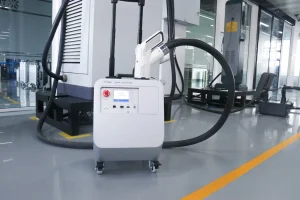
As charging capacities increase beyond 350kW toward Megawatt Charging Systems (MCS) for commercial trucks and aircraft, heat dissipation within cables and plugs becomes a critical factor. Liquid-cooled cable assemblies actively circulate coolant through the cord, allowing for a thinner, lighter, and more flexible user experience while safely managing currents up to 500A. Maintenance of these liquid-cooled systems requires specialized check-valves and non-drip quick couplers to allow simple coolant top-offs and hose replacements without fluid loss.
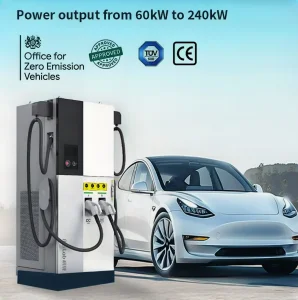
Deploying charging stations globally requires navigating a complex matrix of regional electrical codes and safety approvals, including CE, TUV, RoHS, FCC, and UL. Our industrial charging platforms incorporate multi-layer protections, such as digital ground-fault monitoring, over/under-voltage cutoffs, and anti-theft mechanical locks. By designing hardware that complies with international grid-connection codes, we ensure our clients can deploy stations with confidence, knowing they meet the safety standards required by local utilities and regulatory bodies.
The majority of DC fast charger failures stem from power module overheating, connector damage, and software communication errors (e.g., OCPP disconnection). Using hot-swappable power module designs, rugged silver-plated contact pins, and real-time remote diagnostics helps prevent these issues. Implementing these features allows technicians to replace damaged components and address errors before they lead to complete system failure.
Integrating Solar Charge Storage Units creates a local power buffer that stores energy during periods of low demand and discharges it during high-load charging sessions. This helps lower high utility peak demand charges, reduces stress on the local grid transformer, and provides emergency power during utility outages, improving the reliability of the charging site.
System reliability depends on reliable backup power. Devices like our Remote Lead Acid Battery Monitoring System utilize Modbus RS485 to continuously track cell voltage, internal resistance, and operating temperatures. This allows operators to identify weak cells early, preventing backup power failures and maintaining consistent uptime for data centers and EV networks.
Global export requirements include CE, TUV, and RoHS certifications for European markets, and UL/FCC compliance for North America. These standards ensure that chargers meet strict electromagnetic compatibility (EMC), thermal safety, and environment-friendly manufacturing guidelines.
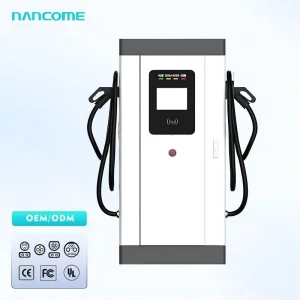
Our OEM and ODM services allow operators to customize cable lengths, connector styles (CCS2, GBT, Type 1, Type 2), branding, and enclosure sizes. This flexibility ensures the hardware fits specific fleet needs, local compliance requirements, and brand aesthetics while using certified internal designs.
 Zap Charger