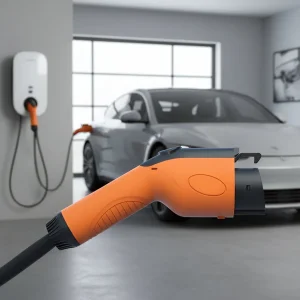
The transition to sustainable mobility has catalyzed a paradigm shift in how we perceive energy distribution. Charging System Integration (CSI) is no longer just about providing a plug; it is about the sophisticated fusion of power electronics, cloud-based energy management, and robust hardware design. As of 2024, the global market for EV charging infrastructure is projected to grow at a CAGR of 25%, driven by aggressive carbon-neutrality targets in the EU, North America, and East Asia.
Leading factories are moving toward Vertical Integration. By controlling the production of connectors, power modules, and software, suppliers like Hangzhou Zap Charger Co., Ltd. ensure higher E-E-A-T (Experience, Expertise, Authoritativeness, Trustworthiness) scores and better quality control.
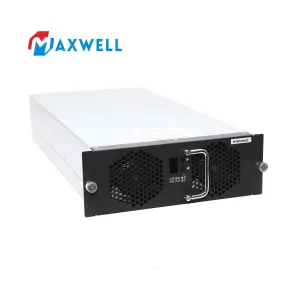
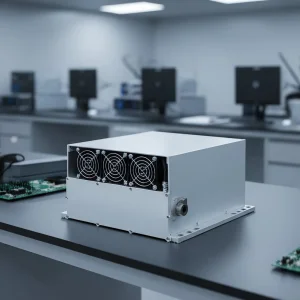
Modern suppliers are adopting modular power blocks (like the MXR100020 series), allowing for scalable power outputs from 60kW to 480kW without redesigning the entire station architecture.
The industry is rapidly shifting from 400V to 800V architectures, requiring integrated systems that can handle extreme thermal loads while maintaining conversion efficiency above 96%.
Hangzhou Zap Charger Co., Ltd. is a professional EV charging solutions manufacturer specializing in high-performance connectors, cables, and smart charging systems for the global electric mobility market. Based in Hangzhou, the company benefits from a strong technology ecosystem and advanced manufacturing capabilities, enabling efficient production and continuous innovation.
Driven by a skilled R&D team, the company continuously develops smart charging technologies that enhance energy efficiency, optimize charging performance, and support the growing demand for sustainable transportation. Hangzhou Zap Charger Co., Ltd. also provides flexible OEM and ODM services, allowing clients to customize designs, specifications, and branding to suit specific market requirements.
With strict quality control, competitive pricing, and a customer-oriented approach, Zap Charger is committed to delivering innovative, efficient, and scalable EV charging solutions, building long-term partnerships with distributors, energy providers, and automotive industry clients worldwide.
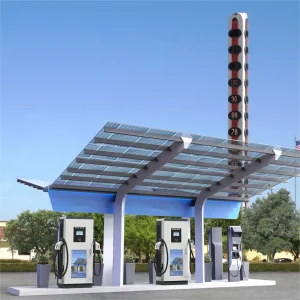
The future of charging system integration is defined by three core pillars: Intelligence, Speed, and Bi-directionality.
Integration of bi-directional DCDC converters allows EVs to serve as mobile energy storage units, stabilizing the grid during peak demand. Suppliers are now focusing on 2-in-1 combo chargers that facilitate this exchange seamlessly.
Intelligent algorithms now predict charging demand at public stations, dynamically allocating power between dispensers to maximize throughput without exceeding site capacity.
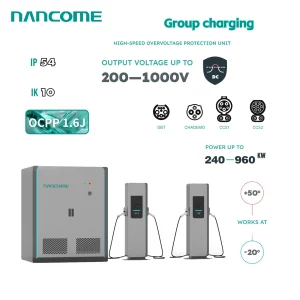
For Megawatt-scale charging (MCS) intended for heavy-duty trucks, integrated thermal management systems are becoming mandatory to prevent thermal runaway during ultra-fast sessions.
Full-stack solutions connecting EV chargers to urban traffic management systems, enabling "Smart Parking + Charging" ecosystems.
Custom ODM solutions for logistics companies, featuring centralized monitoring and automated billing systems.
Helping regional distributors navigate TUV, CE, and UL certifications through modular hardware design that meets local safety codes.
What is Charging System Integration (CSI) in EVs?
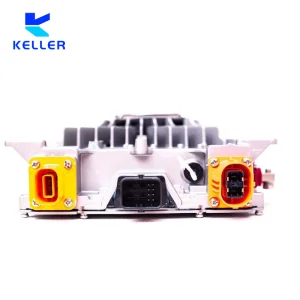
CSI refers to the unified design of power conversion components (OBC, DCDC), communication controllers (EVCC), and thermal management systems into a single efficient architecture to reduce weight and cost while improving charging speed.
How does a 2-in-1 Combo Charger benefit electric vehicles?
A 2-in-1 unit, like the Mf04, combines the On-Board Charger (OBC) and the DC-DC converter. This integration saves space, reduces high-voltage cabling, and simplifies the vehicle's electrical cooling circuit.
What are the key factors when choosing an EV charging supplier?
Critical factors include certification (TUV/CE), R&D capability for OEM/ODM, the reliability of power modules (like the MXR series), and the ability to provide localized technical support and smart software integration.
What is the difference between AC and DC charging stations?
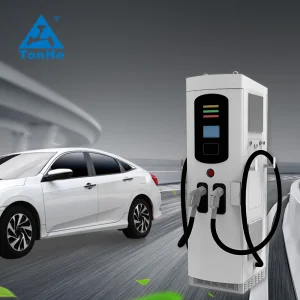
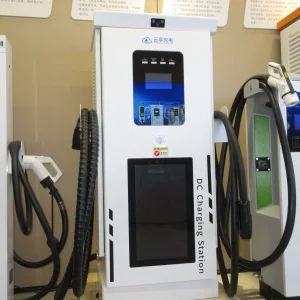
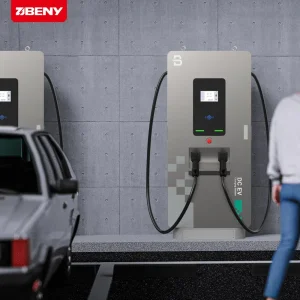
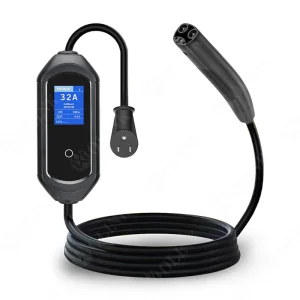
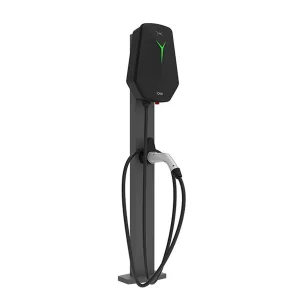
AC stations (7-22kW) rely on the vehicle's internal charger, suitable for long-term parking. DC stations (60kW-400kW) bypass the internal charger to provide direct energy to the battery, ideal for rapid top-ups on highways.
 Zap Charger