Explore our high-performance hardware engineered for seamless grid integration, vehicle charging, and power distribution.


Analyzing the structural shift toward Advanced Metering Infrastructure (AMI) and real-time grid telemetry.
The global transition toward decentralized power generation requires a fundamental redesign of utility grids. Advanced Metering Infrastructure (AMI) serves as the nervous system of this modern grid, enabling bidirectional communication between utilities and end-users. In industrial environments, smart meters are no longer simple billing devices; they are critical diagnostic nodes that monitor power quality, harmonic distortion, and phase balance.
Regulatory frameworks such as the EU Green Deal and US Grid Modernization initiatives demand granular energy tracking. Multi-tenant commercial properties and heavy manufacturing plants rely on smart metering systems to generate auditable carbon footprint reports. By deploying high-precision metering arrays, businesses can isolate energy-intensive processes, optimize peak-load management, and prove compliance with strict ESG standards.
Modern smart meters leverage LPWAN technologies like NB-IoT, LTE-M, and Wi-SUN to transmit data across vast distances with minimal power consumption. By integrating edge computing, these meters process raw electrical waveforms locally, transmitting only aggregated, actionable metrics. This reduces bandwidth costs and ensures rapid response times for critical grid events like localized overvoltages or phase failures.
How dynamic load balancing and vehicle-to-grid (V2G) technology are transforming energy distribution networks.
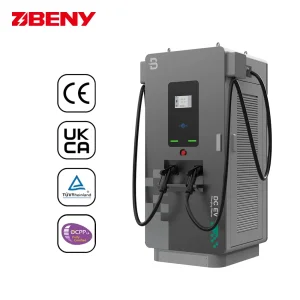
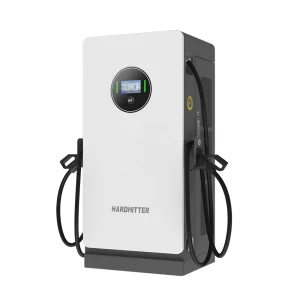
As electric vehicles (EVs) achieve mass market penetration, the demand on local distribution transformers has escalated exponentially. A single DC fast charger can draw as much power as an entire commercial office building. Consequently, the integration of smart metering solutions with EV charging infrastructure is no longer optional—it is a critical requirement for grid stability.
Hangzhou Zap Charger Co., Ltd. stands at the forefront of this convergence. By combining advanced EV charging hardware with intelligent telemetry and energy monitoring systems, we enable operators to implement real-time load management. This prevents localized grid overloads, minimizes demand charges, and facilitates the integration of renewable energy sources such as solar photovoltaics and battery storage systems.
DLB systems continuously monitor the total power consumption of a facility using smart meters. When the facility's load approaches its safe limit, the system automatically throttles the power output of connected EV chargers. This ensures that critical building operations are never compromised while maximizing the charging speed available to vehicles.
Future-proof smart metering systems must support bidirectional energy flows. V2G technology allows electric vehicles to act as mobile battery storage units, feeding power back into the grid during peak demand periods. High-precision metering is essential to accurately track, verify, and bill these bidirectional energy transactions.
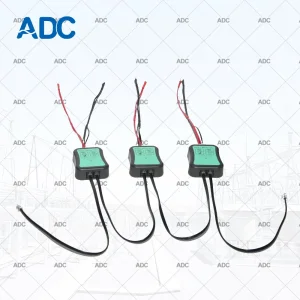
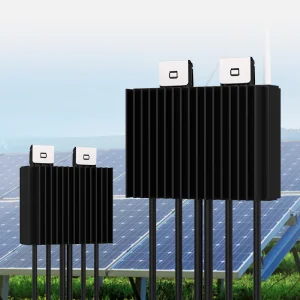
By pairing smart meters with solar rapid shutdown devices and battery monitoring systems, commercial operators can create self-sustaining microgrids. Smart meters coordinate the flow of energy between solar arrays, stationary batteries, EV chargers, and the utility grid to achieve the lowest possible operating costs.
A decade-long projection of hardware evolution, communication protocols, and cryptographic security in smart metering.
Transitioning from traditional current transformers (CTs) to shunt-based and Rogowski coil sensors to achieve Class 0.2S accuracy. This ensures precise billing even in environments with highly non-linear loads, such as variable frequency drives and high-power DC chargers.
Widespread adoption of DLMS/COSEM (Device Language Message Specification) over IPv6 networks. This standardized application layer ensures interoperability between meters from different manufacturers and utility head-end systems (HES).
Deploying machine learning models directly onto the meter's microcontroller. These models analyze high-frequency current and voltage signatures to predict equipment failures, detect energy theft, and identify grid anomalies before they cause outages.
Integrating dedicated Secure Elements (SE) and Hardware Security Modules (HSM) into the meter circuitry. This guarantees end-to-end encryption for all transmitted data and protects the grid against sophisticated cyberattacks.
How smart metering and EV charging solutions adapt to distinct industrial, commercial, and residential environments.
In heavy industry, energy costs represent a significant portion of operational expenditures. Smart metering solutions allow plant managers to implement sub-metering across specific production lines. By correlating energy consumption with production output, companies can identify inefficiencies, schedule high-draw processes during off-peak hours, and monitor the health of large electric motors through power quality analysis.
For commercial landlords, sub-metering is essential for fair and transparent tenant billing. Integrated smart meters track individual tenant consumption, while centralized software automatically generates invoices. When combined with shared EV charging stations, the system can allocate charging costs directly to the user's utility bill or tenant account, simplifying property management.
Fleet operators transitioning to electric vehicles require robust energy management to ensure their vehicles are charged and ready for service without overloading local substations. Smart meters monitor the depot's total grid connection, while intelligent charging software dynamically allocates power among dozens of buses or delivery vans based on departure schedules and state-of-charge (SoC) data.
A leading innovator in high-performance EV charging solutions and smart energy management systems.
Hangzhou Zap Charger Co., Ltd. is a professional EV charging solutions manufacturer specializing in high-performance connectors, cables, and smart charging systems for the global electric mobility market. Based in Hangzhou, the company benefits from a strong technology ecosystem and advanced manufacturing capabilities, enabling efficient production and continuous innovation.
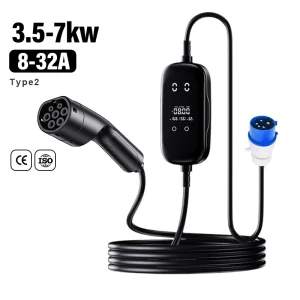
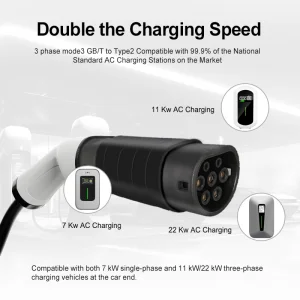
Zap Charger offers a comprehensive product portfolio, including EV charging connectors, AC and DC charging cables, portable chargers, and intelligent charging systems designed for residential, commercial, and public infrastructure applications. All products are engineered with a focus on safety, durability, and compatibility, meeting international standards to ensure reliable performance across different regions and vehicle types.
Driven by a skilled R&D team, the company continuously develops smart charging technologies that enhance energy efficiency, optimize charging performance, and support the growing demand for sustainable transportation. Hangzhou Zap Charger Co., Ltd. also provides flexible OEM and ODM services, allowing clients to customize designs, specifications, and branding to suit specific market requirements.
With strict quality control, competitive pricing, and a customer-oriented approach, Zap Charger is committed to delivering innovative, efficient, and scalable EV charging solutions, building long-term partnerships with distributors, energy providers, and automotive industry clients worldwide.
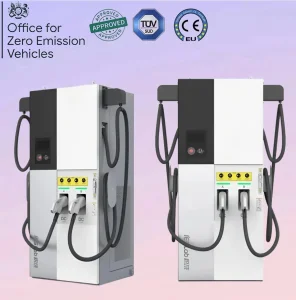
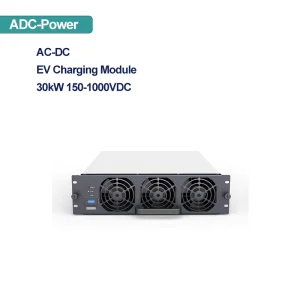
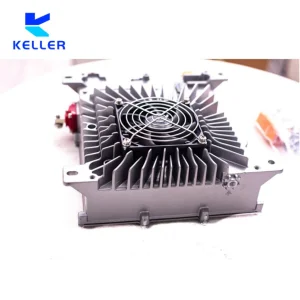
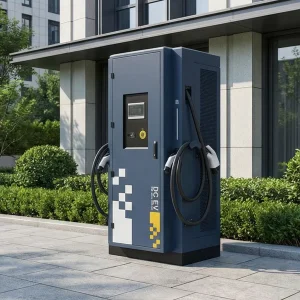
From solar safety switches to high-power DC charging modules, explore our industrial-grade hardware portfolio.
Expert technical answers regarding smart metering, EV charging integration, and custom manufacturing.
Smart metering allows charging station operators to monitor real-time energy consumption, implement dynamic load balancing, and prevent building-level overloads. It also enables accurate billing, sub-metering for tenants, and integration with local utility demand-response programs to reduce operating costs during peak hours.
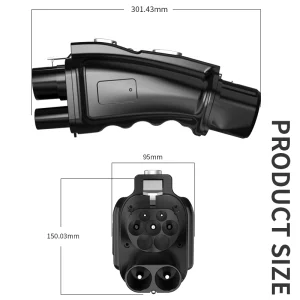
Yes. We provide comprehensive OEM and ODM services. Clients can customize cable lengths, connector types (CCS1, CCS2, GB/T, CHAdeMO), branding, enclosure designs, and communication protocols (such as custom OCPP configurations or integration with proprietary API platforms).
Our products are built to meet international standards, featuring IP55 and IP65 ingress protection ratings, high-grade flame-retardant materials, and advanced thermal management. For example, our industrial EV charging cables feature integrated temperature control sensors to automatically throttle or shut down charging if temperatures exceed safe limits.
Our smart charging systems support OCPP 1.6J and are upgradeable to OCPP 2.0.1. This ensures seamless integration with third-party charging station management software (CSMS), payment gateways, and utility grid management platforms.
 Zap Charger