As the global community accelerates its transition toward Net-Zero emissions, the synergy between photovoltaic (PV) systems and electric vehicle supply equipment (EVSE) has moved from a niche concept to a critical infrastructure requirement. Solar charging stations represent the pinnacle of decentralized energy, allowing for true zero-carbon mobility by decoupling EV charging from the carbon-intensive grid.
The EV industry is no longer just about the "plug." We are witnessing three seismic shifts:
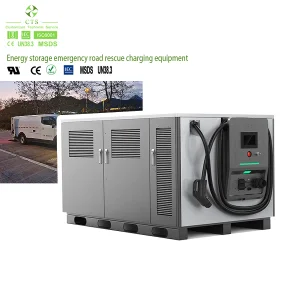
Battery Energy Storage Systems (BESS) are now standard in solar stations to mitigate solar intermittency and peak demand charges.
Vehicles are becoming "batteries on wheels," returning energy to the grid or homes during peak hours via advanced DC/AC converters.
Smart algorithms now predict solar yield and optimize charging schedules to maximize "Self-Consumption" rates.
Hangzhou Zap Charger Co., Ltd. is a professional EV charging solutions manufacturer specializing in high-performance connectors, cables, and smart charging systems for the global electric mobility market. Based in Hangzhou, the company benefits from a strong technology ecosystem and advanced manufacturing capabilities, enabling efficient production and continuous innovation.
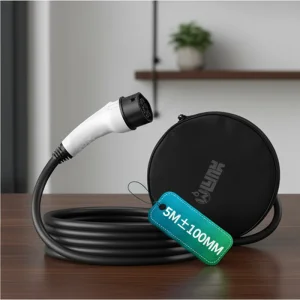
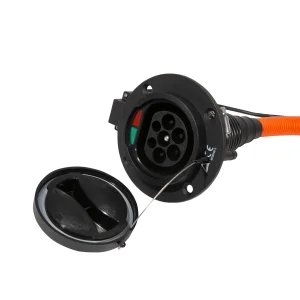
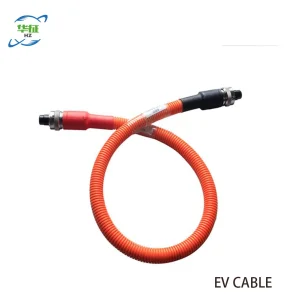
Zap Charger offers a comprehensive product portfolio, including EV charging connectors, AC and DC charging cables, portable chargers, and intelligent charging systems designed for residential, commercial, and public infrastructure applications. All products are engineered with a focus on safety, durability, and compatibility, meeting international standards to ensure reliable performance across different regions and vehicle types.
Global procurement directors are increasingly looking at Chinese manufacturers not just for cost, but for Supply Chain Resilience. Our Factory 4.0 initiatives include:
In the high-voltage world of EV charging, Trustworthiness (T) and Expertise (E) are non-negotiable. A CE Certified solar charging station ensures that the equipment meets stringent health, safety, and environmental protection standards for the European Economic Area.
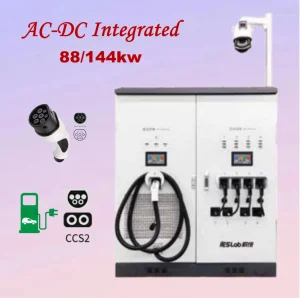
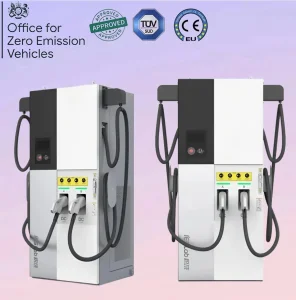
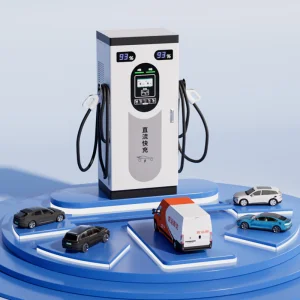
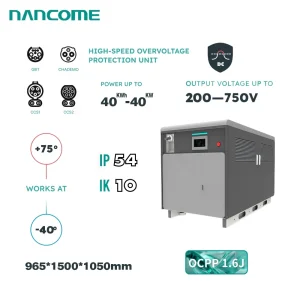
Deploying 160kw-240kw DC Fast Chargers for logistics hubs, utilizing rooftop solar to offset massive operational energy costs.
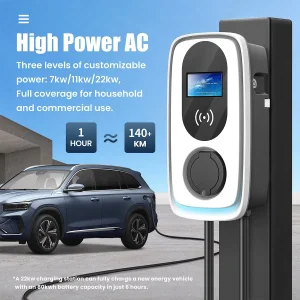
Smart OCPP-enabled stations in urban centers, allowing for remote monitoring and automated billing via cloud platforms.
Innovative applications like our drone charging stations for solar panel inspection, merging UAV technology with EVSE infrastructure.
With strict quality control, competitive pricing, and a customer-oriented approach, Zap Charger is committed to delivering innovative, efficient, and scalable EV charging solutions, building long-term partnerships with distributors, energy providers, and automotive industry clients worldwide.
CE certification ensures that the station adheres to EU safety directives regarding electromagnetic compatibility (EMC) and low voltage (LVD). This reduces liability for businesses and ensures compatibility with all major European vehicle brands like VW, BMW, and Tesla.
The system captures excess solar energy during the day in lithium battery banks. This stored energy is then used to charge vehicles during the night or during cloudy periods, ensuring the station remains operational 24/7 without drawing expensive grid power.
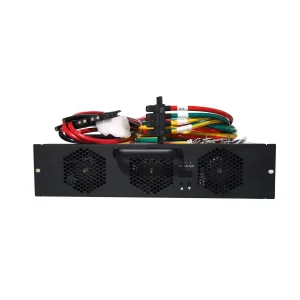
Yes. Our MXR100030 and 20kw modules are designed with high power density and modularity, making them ideal for manufacturers looking to upgrade or build high-speed DC charging piles with high efficiency (up to 96%+).
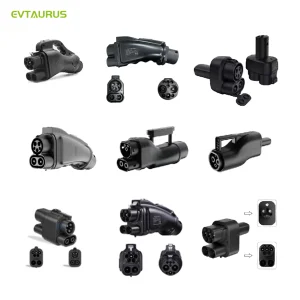
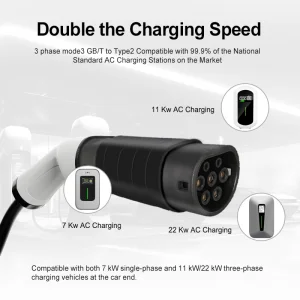
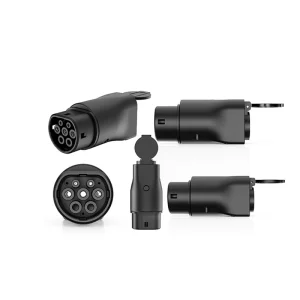
Absolutely. We provide a full range of adapters including CCS1 to GBT, NACS car charger adapters, and Type 2 to J1772 cables to ensure global interoperability regardless of regional standards.
 Zap Charger