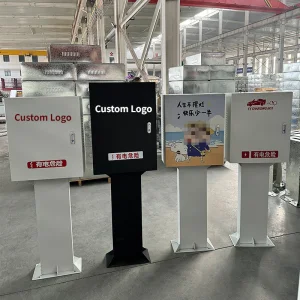
Engineered for absolute reliability, cold-weather efficiency, and intelligent grid integration across Metro Detroit residential spaces.
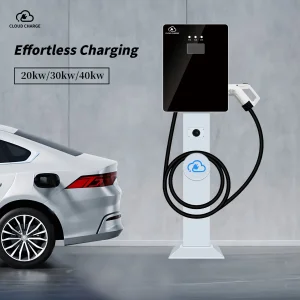
Detroit, Michigan—the birthplace of the assembly line and the historic heart of the global automotive industry—is rapidly transforming into the epicenter of the Western electric vehicle (EV) revolution. As the "Big Three" automakers pivot toward all-electric portfolios, the regional demand for robust, residential EV charging infrastructure is escalating exponentially. Detroit’s unique combination of harsh Midwestern winters, historic architectural properties, and distinct local utility grids (managed predominantly by DTE Energy) requires residential charging hardware that goes far beyond generic, off-the-shelf consumer products.
For home EV charging distributors, local electrical contractors, real estate developers, and municipal utility partners in Southeast Michigan, sourcing chargers directly from a vertically integrated global manufacturer like Hangzhou Zap Charger Co., Ltd. offers a significant competitive edge. With a deeply rooted technology ecosystem and specialized high-power capabilities, we engineer products that solve localized challenges: cold-weather thermal management, dynamic load balancing for older 100A/200A residential panels, and strict compliance with local rebate criteria such as DTE Energy's Charging Forward incentives.
The city of Detroit and its surrounding municipalities (including Oakland, Macomb, and Wayne counties) present distinct deployment challenges. The regional electricity grid experiences peak loads during hot summer afternoons and extreme strain during sub-zero winter fronts. Installing high-amperage Level 2 chargers or residential DC fast chargers without smart power coordination can overload residential distribution transformers.
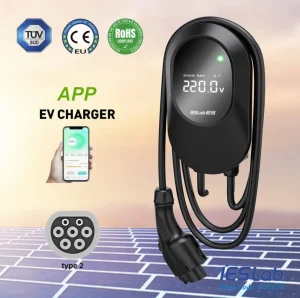
Furthermore, local utility rebate programs incentivize chargers that support Open Charge Point Protocol (OCPP 1.6J / 2.0.1) and possess Wi-Fi, 4G, or Bluetooth connectivity. This allows homeowners to leverage time-of-use (TOU) tariffs—automatically charging vehicles during cheaper, off-peak overnight hours. Our smart home solutions, featuring built-in OCPP capability, seamlessly integrate with home automation systems and utility demand-response networks, shielding Detroit families from high utility bills while reinforcing local grid resilience.
Globally, the EV charging market is shifting from simple, passive power delivery cords to intelligent energy hubs. Modern residential charging infrastructure is characterized by four macro trends:
Dynamic adjustment of charger output based on real-time household consumption, preventing circuit breaker trips without requiring expensive panel upgrades.
Rugged materials and fanless, natural cooling paths designed to survive prolonged exposure to sub-zero temperatures and high-humidity environments.
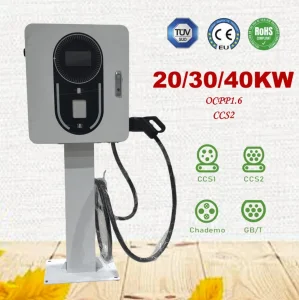
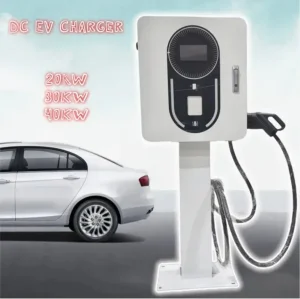
As standard home charging setups (typically restricted to 7.4kW AC) fail to satisfy the quick-turnaround demands of modern high-battery-capacity vehicles like electric pickups (which are highly favored in the Michigan market), 20kW to 40kW residential DC fast chargers are taking center stage. These compact DC systems bypass the vehicle's limited onboard AC charger, delivering rapid replenishment right in the residential garage.
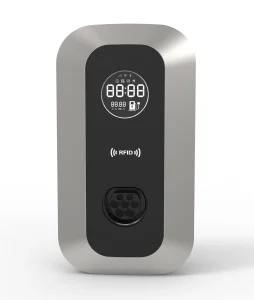
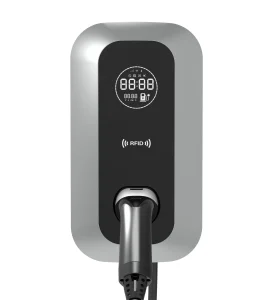
Explore Hangzhou Zap Charger's versatile AC and DC units designed to withstand heavy, prolonged duty cycles.
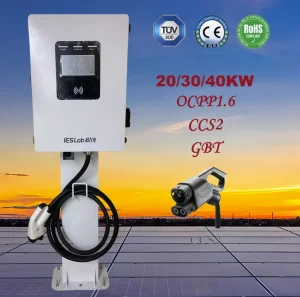
Our cutting-edge manufacturing facility ensures high-quality components, quick delivery timelines, and flexible customization capabilities.
Hangzhou Zap Charger Co., Ltd. is a professional EV charging solutions manufacturer specializing in high-performance connectors, cables, and smart charging systems for the global electric mobility market. Based in Hangzhou, the company benefits from a strong technology ecosystem and advanced manufacturing capabilities, enabling efficient production and continuous innovation.
Zap Charger offers a comprehensive product portfolio, including EV charging connectors, AC and DC charging cables, portable chargers, and intelligent charging systems designed for residential, commercial, and public infrastructure applications. All products are engineered with a focus on safety, durability, and compatibility, meeting international standards to ensure reliable performance across different regions and vehicle types.
Driven by a skilled R&D team, the company continuously develops smart charging technologies that enhance energy efficiency, optimize charging performance, and support the growing demand for sustainable transportation. Hangzhou Zap Charger Co., Ltd. also provides flexible OEM and ODM services, allowing clients to customize designs, specifications, and branding to suit specific market requirements.
With strict quality control, competitive pricing, and a customer-oriented approach, Zap Charger is committed to delivering innovative, efficient, and scalable EV charging solutions, building long-term partnerships with distributors, energy providers, and automotive industry clients worldwide.
Bridging the gap between domestic grid restraints and high-capacity electric mobility requirements.
For large homes in suburbs like Bloomfield Hills, Troy, and Novi, our wall-mounted DC fast chargers (20kW–40kW) offer a luxury amenity. They allow owners of large-battery vehicles like the Ford F-150 Lightning or GMC Hummer EV to achieve a full charge in under 3 hours, compared to the 12+ hours typical of standard Level 2 AC chargers.
In downtown Detroit and Midtown multi-family developments, managing total electrical load is critical. By pairing our OCPP-compliant charging stations with our central power management software, operators can set charging priorities, bill tenants dynamically, and prevent electrical system overloading.
As commercial logistics fleets electrify, drivers often take their delivery vans home overnight. Our high-durability, IP66-rated all-weather outdoor solutions enable reliable overnight charging on suburban driveways, ensuring delivery fleets remain fully operational even after severe winter blizzards.
Our future engineering focus aligns closely with the updates to the North American charging landscape. All of our home chargers are designed to transition easily to the SAE J3400 (NACS) standard natively, eliminating the need for bulky adapters. Furthermore, our R&D pipeline includes next-generation Vehicle-to-Home (V2H) bi-directional power systems, allowing Detroit homeowners to use their vehicles as backup generators during storm-related grid outages.
Explore our complete catalog of certified systems, featuring options from basic silent chargers to smart, cloud-managed units.
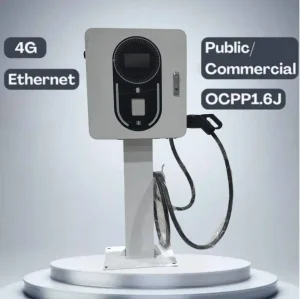
Expert technical answers regarding regulatory compliance, extreme weather operation, and local utility rebate alignment.
A. Yes. DTE Energy's Charging Forward program requires residential EV chargers to be UL or safety-certified and support smart, connected protocols (such as OCPP) for time-of-use (TOU) tracking. Our chargers are fully equipped with built-in Wi-Fi, 4G, and Bluetooth options and run on standard-compliant OCPP firmware. This allows them to integrate smoothly with utility demand-response grids and qualify for local rebate incentives.
A. Our home charging systems are engineered for industrial-grade thermal resilience. For sub-zero environments, we provide models with IP66-rated weather protection and natural cooling (fanless design). Removing moving mechanical parts like external cooling fans prevents frost buildup and mechanical failure. This allows our units to operate reliably at temperatures as low as -40°F (-40°C).
A. While standard AC chargers rely on the vehicle's onboard converter (often limited to 7.4kW or 11kW), our 20kW–40kW DC fast chargers bypass the onboard converter to deliver power directly to the battery pack. This approach reduces charging times by 60% to 80%, making it an ideal solution for multi-car households, high-capacity electric trucks, and properties with limited time windows for overnight charging.
A. As a direct manufacturer, we offer comprehensive OEM and ODM services. Partners in Detroit can customize charging stations with specialized branding, custom-length charging cables, specific interface displays, and localized communications options (such as pre-configured SIM cards for US LTE networks). We can also adjust charging station hardware to meet specific electrical output requirements.
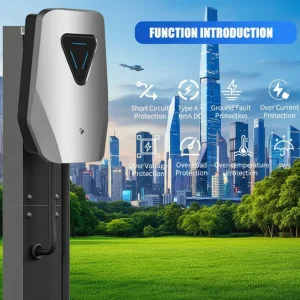
A. Safety is our top engineering priority. Our charging products are designed with multiple safety features, including over-voltage protection, under-voltage protection, over-current protection, short-circuit protection, leakage current protection (Type A + DC 6mA equivalent), ground monitoring, and real-time internal temperature monitoring. This ensures absolute protection for both the vehicle and the household electrical panel.
 Zap Charger