Engineered to comply with local utility incentives and harsh North American weather conditions.
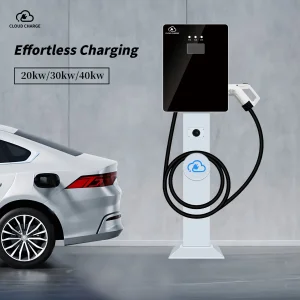
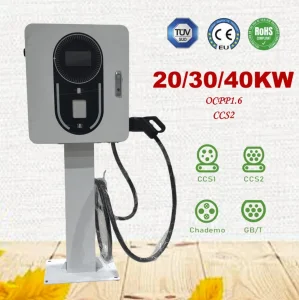
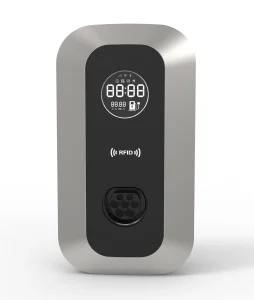
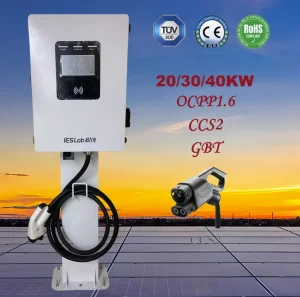
An expert analysis of local grid challenges, federal funding deployment, and architectural constraints in urban Philly.
The city of Philadelphia is undergoing an aggressive transformation driven by Pennsylvania's Climate Action Plan. With goals aimed at reducing greenhouse gas emissions by 80% by 2050, municipal initiatives are fast-tracking the permitting processes for both residential and commercial EVSE (Electric Vehicle Supply Equipment). However, the historic architectural legacy of Philadelphia presents unique deployment challenges. Historic brick structures, row houses, and street-parking-dominated neighborhoods in areas like Society Hill, Rittenhouse Square, and South Philly demand specialized hardware engineering.
Unlike suburban districts in Bucks or Montgomery Counties with spacious multi-car garages, urban Philadelphia requires space-optimized wall-mounted systems and robust IP65-rated outdoor charging stations that can withstand severe winter conditions and high physical impacts. Local grid integration is heavily overseen by PECO Energy (Exelon Company). Utility requirements in the Delaware Valley increasingly dictate that all residential EV chargers above 7.2 kW must participate in demand-response networks or integrate native Dynamic Load Balancing (DLB) to protect aging regional distribution transformers.
"To satisfy PECO's EV Smart Charger incentive programs, manufacturers must supply hardware that is not only highly efficient but natively compliant with OCPP protocols to allow remote load management during peak demand periods."
Most residential properties in central Philadelphia are equipped with 100A or 200A service panels. Standard Level 2 chargers operating at 48A (11.5 kW) can draw up to 50% or more of a home's total electrical capacity. When run in tandem with HVAC units, electric water heaters, and electric stoves, the risk of overloading the main breaker is substantial. Upgrading home electrical service to 400A in older Philly neighborhoods can cost thousands of dollars in utility permits and contractor labor.
To solve this bottleneck, Hanghzou Zap Charger's line of residential chargers utilizes a proprietary Dynamic Load Balancing algorithm. By placing a current transformer (CT) clamp at the main electrical intake, our chargers monitor real-time household electricity usage. The EVSE dynamically scales its power output down when other major appliances are running and ramps back up to maximum capacity during off-peak hours. This technology guarantees safe, code-compliant EV charger installations without the need for cost-prohibitive grid connection upgrades.
As global logistics pipelines face ongoing volatility, North American distributors, real estate developers, and municipal procurement officers are seeking manufacturing partners capable of balancing advanced technological capability with robust supply chain resilience. An emerging industry trend is the convergence towards unified smart-charging software environments. In the United States, NEVI (National Electric Vehicle Infrastructure) guidelines mandate that charging infrastructure must support OCPP (Open Charge Point Protocol) 1.6J or higher, allowing operators to easily switch software networks.
Furthermore, the transition from CCS1 to the SAE J3400 (North American Charging Standard - NACS) is accelerating. Manufacturers must exhibit extreme agility to supply products that support both connectors or offer seamless adaptation paths. Smart charging stations must integrate advanced security protections, including TLS 1.2 or TLS 1.3 encryption, to safeguard payment processing systems and private consumer network credentials from cyber threats.
Operating out of China’s high-tech manufacturing hub, Hangzhou Zap Charger Co., Ltd. represents the pinnacle of Industry 4.0 production capabilities. Benefiting from the region’s dense technology ecosystem, we integrate advanced robotics, automated surface-mount technology (SMT) lines, and computerized end-of-line testing systems to deliver world-class EVSE.
By leveraging our vertical integration—controlling the production from PCB layout design to final plastics molding—we offer unmatched OEM and ODM agility. While Western markets frequently experience prolonged product lead times due to component shortages, our direct partnerships with Tier-1 semiconductor and relay suppliers ensure a steady supply of high-grade microprocessors and contactors.
Safety and compliance remain at the core of our operations. Every unit undergoes automated thermal chamber testing, insulation resistance validation, and full load cycles before dispatch. This systematic approach guarantees that our products meet CE, FCC, and UL standards, protecting your investments and mitigating liabilities.
Annual Production Capacity
R&D Patents Held
QA Pass Rate
Countries Served
Premium hardware solutions optimized for deployment in municipal parking decks, residential garages, and multi-tenant housing.
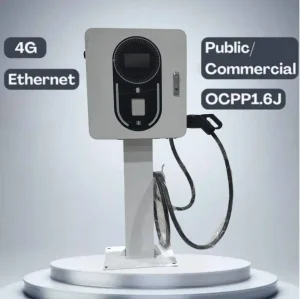
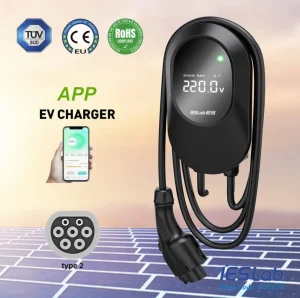
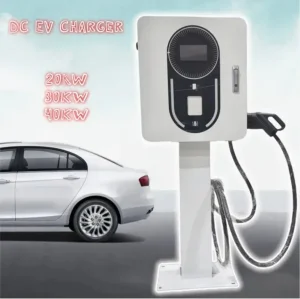
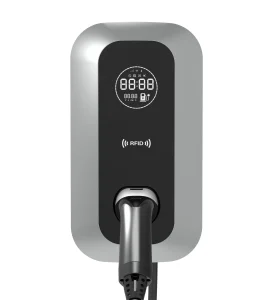
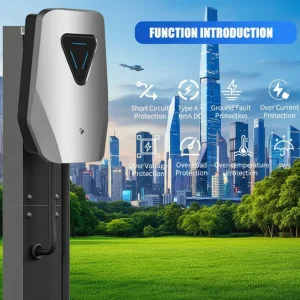
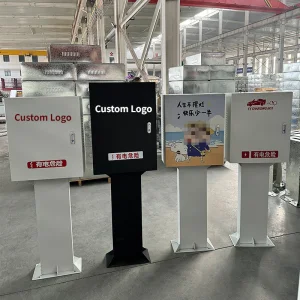
For electrical contractors and distributors operating in Pennsylvania, compliance with the National Electrical Code (NEC) is non-negotiable. Article 625 of the NEC defines strict guidelines regarding EV charging system ventilation, electrical ratings, and cable protection. All products deployed in Pennsylvania must be certified by an OSHA-approved Nationally Recognized Testing Laboratory (NRTL), such as UL or Intertek (ETL).
Hangzhou Zap Charger's products undergo rigorous third-party verification to meet UL 2594 for EV supply equipment and UL 2231 for personnel protection systems. Our equipment includes Integrated Ground Fault Circuit Interrupter (GFCI) protection designed to automatically shut off power in the event of an electrical fault, ensuring absolute safety in residential garages and outdoor public locations alike.
The mid-Atlantic region, specifically southeastern Pennsylvania, experiences extreme weather fluctuations—from hot, humid summers above 95°F (35°C) to freezing winters drops below 10°F (-12°C) with significant snowfall. These conditions test the limits of outdoor electrical components. Cold weather reduces battery charge acceptance rates and causes non-UV stabilized plastic housings to degrade.
Our standard charging stations utilize heavy-duty polycarbonate and aluminum alloy enclosures rated IP65/IK10, ensuring robust defense against physical impacts and weather ingress. Furthermore, our natural cooling technologies remove the vulnerability of mechanical fan failures, allowing optimal continuous power delivery without dust accumulation or water entry. The inner electronics are conformal-coated to resist moisture condensation during rapid transition cycles.
Get professional clarification on technical protocols, factory production capability, and regional compliance factors.
 Zap Charger