Explore our heavy-duty, smart charging systems designed to support commercial fleets, public networks, and smart home applications worldwide.
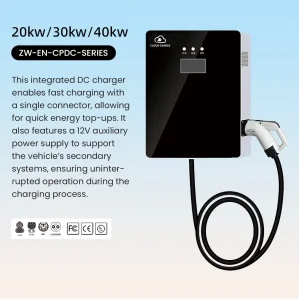
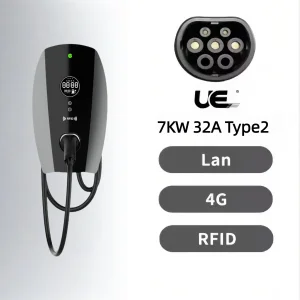
As the international transition towards battery electric vehicles (BEVs) accelerates, commercial enterprises, government agencies, energy utility providers, and fleet operators are discovering that physical charging hardware represents only a portion of the infrastructure puzzle. Realizing high operational uptime, maximizing return on investment, and ensuring grid safety require robust, intelligent Charging Point Management (CPM). A modern CPM setup integrates software logic, edge-computing power controllers, and highly reliable connectors to monitor energy distribution, process billing, execute dynamic load management, and predict failures before they happen.
From commercial property developers installing multi-bay wallbox systems to logistics operators managing intercity heavy-duty electric trucks, the demand for scalable infrastructure has driven a need for standardized communication interfaces, such as the Open Charge Point Protocol (OCPP). The system must coordinate grid constraints with real-time operational demands. A failure in communication between the charger power control unit (PCU) and the central system can lead to catastrophic grid overloads, vehicle battery damage, or revenue-sapping downtime.
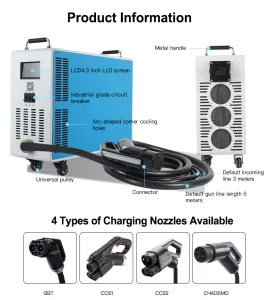
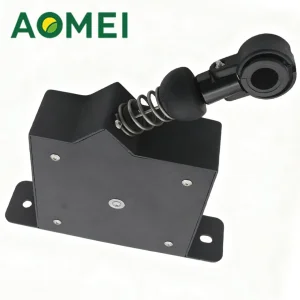
A CPM system is only as stable as the components executing the physical power delivery. Standardized power modules, reliable cable management retractors, and robust connectors (like IEC 62196 Type 2 plugs) ensure that communication telemetry is continuously fed into the CPM software suite. Without physical component longevity, software optimization becomes obsolete.
Procurement teams representing multi-national fleets, logistics hubs, and energy providers evaluate suppliers on multi-layered technical criteria. Key metrics go far beyond unit prices, centering heavily on operational reliability, global interoperability, and long-term serviceability:
Managing EV charging infrastructure requires specialized hardware configurations depending on the application context:
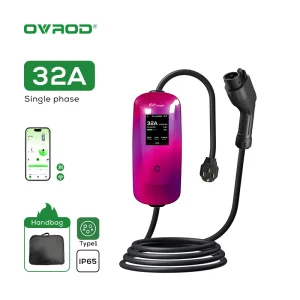
Utilizes multi-bay AC wallboxes and medium-capacity DC chargers (20kW–40kW) featuring smart load-balancing to distribute building power limits dynamically without upgrading electrical panels.
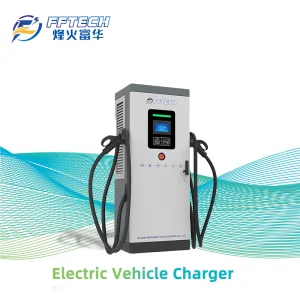
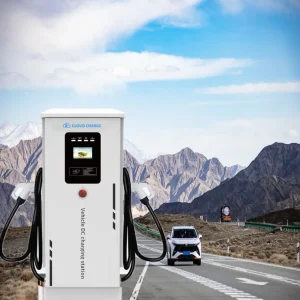
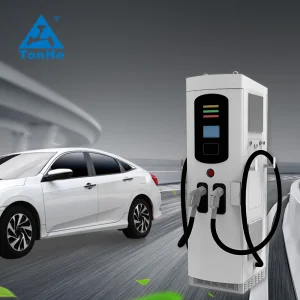
Integrates ultra-fast DC dispensers (120kW–240kW) with robust power-sharing topologies. Battery storage units buffer peak load costs, and smart cable management retractors protect operational safety.
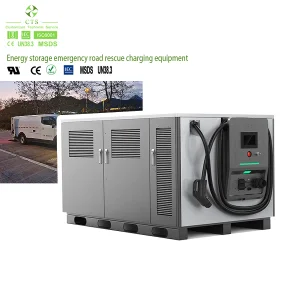
Combines local Battery Energy Storage Systems (BESS) of 25kWh–65kWh with DC microgrids, enabling peak-shaving, peak-valley tariff utilization, and local emergency power support.
For fleet hubs, charging schedule synchronization is key. By communicating with local scheduling software, the CPM ensures vehicles are topped up at optimal times when electricity rates are lowest. For public systems, multi-tiered payment processing, loyalty program integrations, and user authentication remain the top requirements, demanding consistent network performance through hardwired Ethernet, 4G LTE, or Wi-Fi communication bridges.
Hangzhou Zap Charger Co., Ltd. is a professional EV charging solutions manufacturer specializing in high-performance connectors, cables, and smart charging systems for the global electric mobility market. Based in Hangzhou, the company benefits from a strong technology ecosystem and advanced manufacturing capabilities, enabling efficient production and continuous innovation.
Zap Charger offers a comprehensive product portfolio, including EV charging connectors, AC and DC charging cables, portable chargers, and intelligent charging systems designed for residential, commercial, and public infrastructure applications. All products are engineered with a focus on safety, durability, and compatibility, meeting international standards to ensure reliable performance across different regions and vehicle types.
Driven by a skilled R&D team, the company continuously develops smart charging technologies that enhance energy efficiency, optimize charging performance, and support the growing demand for sustainable transportation. Hangzhou Zap Charger Co., Ltd. also provides flexible OEM and ODM services, allowing clients to customize designs, specifications, and branding to suit specific market requirements.
With strict quality control, competitive pricing, and a customer-oriented approach, Zap Charger is committed to delivering innovative, efficient, and scalable EV charging solutions, building long-term partnerships with distributors, energy providers, and automotive industry clients worldwide.
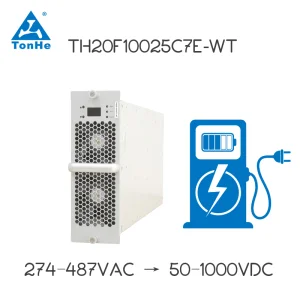
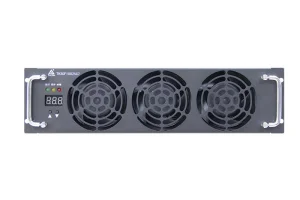
The foundation of any resilient Charging Point Management network is the power topology. Scalable DC fast charging networks increasingly utilize modular power architectures. Instead of relying on a single large inverter block, modern high-power systems stack multiple 30kW 1000V AC-to-DC converter modules. This setup prevents single-point failure issues. If one power module fails, the CPM isolates it, allowing the station to continue charging vehicles at a reduced power level while sending a maintenance ticket automatically to the central control console.
| Component Category | Technical Specification | Standards Compliance | CPM System Functionality |
|---|---|---|---|
| Power Module | 30kW / 1000V (3-Phase AC/DC) | CE, RoHS, TUV | Delivers dynamic multi-stage voltage, managed via CAN bus protocol for precise charge curve control. |
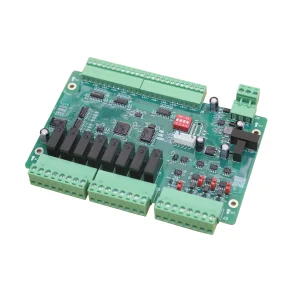
| EVSE Power Control Unit (PCU) | Modbus / CAN / RS-485 interfaces | IEC 61851-1, OCPP 1.6J/2.0.1 | Acts as the brain of the charger, transmitting telemetry and handling dynamic load limits. |
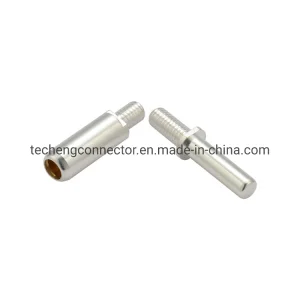
| Type 2 Connectors & Plugs | 16A / 32A, 250V / 480V (AC) | IEC 62196-2 | Integrates auxiliary temperature sensors (PT100) to report thermal statuses to the CPM. |
| Cable Retractor System | Heavy-duty nylon tension retractor | Industrial Wear-resistance | Protects physical cables from traffic damage, ensuring uninterrupted copper connectivity. |
| Energy Storage Systems (BESS) | 25kWh - 65kWh LFP Batteries | UN38.3, CE | Buffers local peak power limits, commanded dynamically by the CPM logic to shave grid demand charges. |
Future engineering roadmaps prioritize ISO 15118 (Plug & Charge) standard integration. This framework enables secure, encrypted communication between the vehicle's onboard controller and the charger, eliminating the need for manual RFID cards or mobile apps. When the driver plugs the vehicle in, the CPM automatically reads the digital certificate, validates the billing contract, and begins charging. Furthermore, development in Vehicle-to-Grid (V2G) solutions will transform EVs from static loads into active distributed energy resources, allowing CPM networks to sell energy back to regional grids during peak demand hours.
Hangzhou Zap Charger Co., Ltd. provides comprehensive customizations to meet specific market standards and brand architectures. We bridge the gap between heavy-duty hardware and smart cloud management software.
Deploying charging stations globally requires matching regional electric grids, safety regulations, and environmental constraints. In the European Union, the Alternative Fuels Infrastructure Regulation (AFIR) mandates ad-hoc payment options, price transparency, and minimum density requirements. Compliance with CE, RoHS, IEC 61851, and IEC 62196 is non-negotiable for importers. Meanwhile, North American commercial fleets mandate UL certifications, FCC Class A emission ratings, and support for the NACS physical standard.
Zap Charger ensures global compatibility through strict, ISO 9001-certified manufacturing processes. By designing custom internal PCB assemblies, utilizing high-grade flame-retardant thermoplastics, and performing full-load thermal burn-in tests, we ensure our partners receive infrastructure that functions under extreme hot, cold, humid, or dusty environments. Each charging system contains advanced safety circuits including Over-Current Protection, Short-Circuit Protection, Ground-Fault Detection, and Leakage Current Protection (RCD Type A + 6mA DC protection options), ensuring operator safety and long lifespan.
Get professional, engineering-focused answers on hardware integration, communication protocols, and global exports.
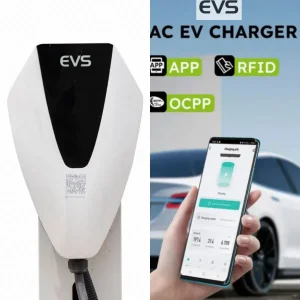
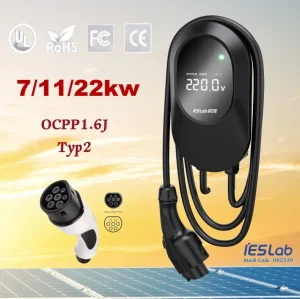
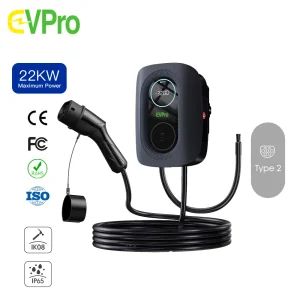
Explore our international standard charging modules, cable managers, and residential/commercial stations ready for global delivery.
 Zap Charger