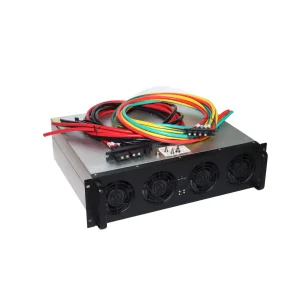
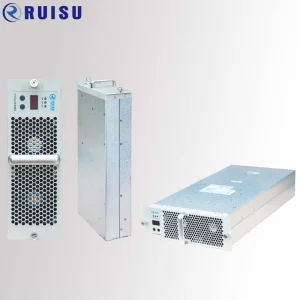
Industrial-grade EV adapters, smart dynamic balancing AC chargers, and high-efficiency power modules for modern fleet depots.
Deep-dive research on why robust, scalable charging hubs are critical for corporate and public utility transit fleets.
By shifting to specialized fleet charging models, logistics and public transit networks reduce energy expenditure by up to 45% compared to commercial diesel fuel, utilizing smart dynamic scheduling and peak-shaving tactics.
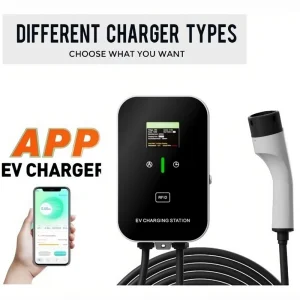
With massive fleets pulling megawatts of power simultaneously, localized energy management systems protect local transformers. Dynamic load balancing (DLB) dynamically feeds power based on individual vehicle state-of-charge.
Deploying open-standard software infrastructure (like OCPP 1.6J or OCPP 2.0.1) allows international operators to switch network management engines easily, protecting legacy hardware investments from proprietary software lock-in.
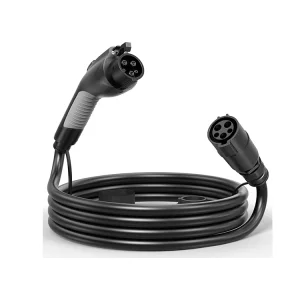
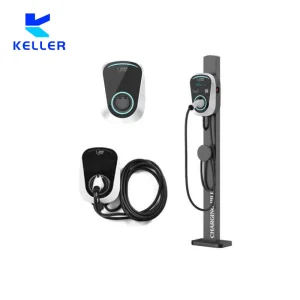
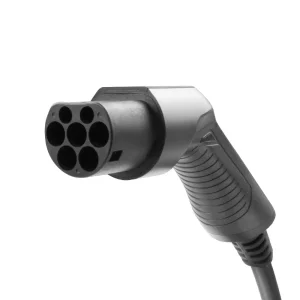
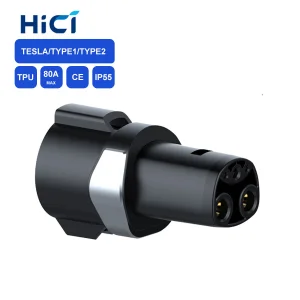
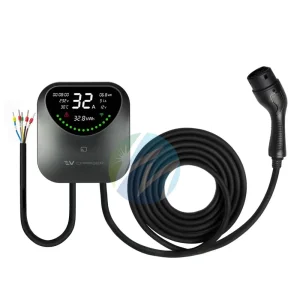
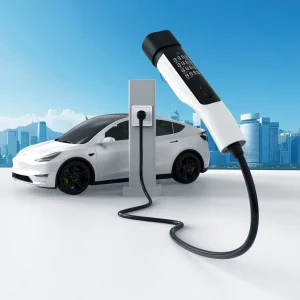
Zap Charger offers a comprehensive product portfolio, including EV charging connectors, AC and DC charging cables, portable chargers, and intelligent charging systems designed for residential, commercial, and public infrastructure applications. All products are engineered with a focus on safety, durability, and compatibility, meeting international standards to ensure reliable performance across different regions and vehicle types.
Driven by a skilled R&D team, the company continuously develops smart charging technologies that enhance energy efficiency, optimize charging performance, and support the growing demand for sustainable transportation. Hangzhou Zap Charger Co., Ltd. also provides flexible OEM and ODM services, allowing clients to customize designs, specifications, and branding to suit specific market requirements.
With strict quality control, competitive pricing, and a customer-oriented approach, Zap Charger is committed to delivering innovative, efficient, and scalable EV charging solutions, building long-term partnerships with distributors, energy providers, and automotive industry clients worldwide.
Zap Charger designs and manufactures hardware platforms compatible with domestic & overseas electric vehicles, integrating certifications such as CE, TUV, RoHS, and FCC.
Analyzing the economic, technical, and engineering elements driving the global demand for Chinese-manufactured EV supply equipment.
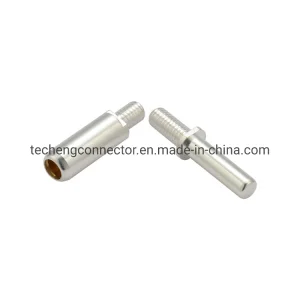
From injection molding of connector bodies to copper coil winding and firmware development, localized sourcing cuts production lead times down to weeks instead of months.
Factories leverage simulated environmental labs testing thermal management under conditions ranging from -30°C to +55°C, ensuring units maintain rated current outputs without thermal derating.
By leveraging mass raw material procurement and highly optimized local shipping lanes via major ports like Ningbo and Shanghai, China manufacturers offer premium tech at fraction of the capital expense.
Deploying specialized charging configurations optimized for vehicle transit patterns, uptime targets, and energy grids.
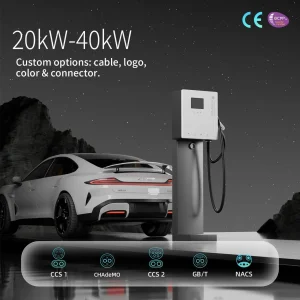
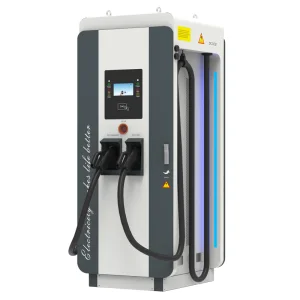
Commercial delivery vans require quick turnaround times. Setting up a mix of high-speed DC fast charging stations (40kW to 120kW) along with high-efficiency AC smart chargers (22kW) ensures overnight trickle charges and mid-day topping routines operate seamless.
Class-8 electric haulers and transit buses demand intense charging currents. By installing robust liquid-cooled systems and multi-standard CCS/Gbt systems, fleet operators maintain high operational throughput.
B2B buying parameters that procurement directors use to vet and select long-term charging hardware suppliers.
Compliance with UL 2231, CE-LVD, CE-EMC, and FCC ensures rapid local permitting and safety code clearance at the point of installation.
Advanced systems utilize customizable firmware for local back-end communication, supporting protocols like OCPP, Modbus TCP, or CAN-bus.
Liquid cooling and advanced air convection chambers prevent early wear of power modules in hot deserts or frigid regions.
Answers to complex operational and infrastructural questions frequently raised by energy consultants and procurement officers.
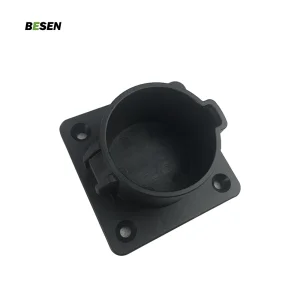
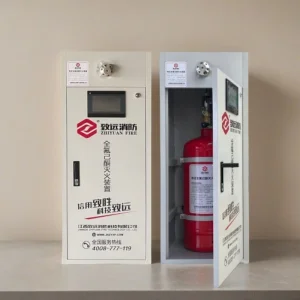
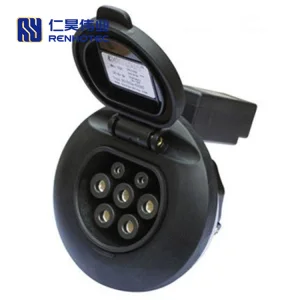
Explore heavy-duty public charging structures, reliable plug connectors, secure socket mounts, and dedicated facility protection units.
 Zap Charger