Pioneering hardware solutions engineered to define the future of high-efficiency, safe, and highly integrated residential and commercial charging infrastructures.
The global electric vehicle sector is undergoing a rapid transition from basic overnight grid-to-vehicle power delivery to complex home energy ecosystems. High-performance home charging units have moved past the commodity stage, morphing into intelligent power nodes that govern residential energy flow, integrate renewable microgeneration, and provide stabilizing grid-balancing mechanisms.
Next-generation charging systems utilize Vehicle-to-Home (V2H) and Vehicle-to-Grid (V2G) topologies. These units serve as critical pathways to extract reserve power from the vehicle's battery packs to run the household during peak times.
Advanced algorithmic controls partition peak currents safely between HVAC networks, kitchen loads, and electric vehicle battery charging boards, preventing structural circuit breakers from tripping.
With cyberthreats targeting localized IoT infrastructures, EV charging systems must feature encrypted communication architectures compliant with OCPP 2.0.1 and ISO 15118 standards.
Historically, residential EV charging was dominated by simple Mode 2 trickle cords. The modern layout demands fixed smart wallboxes containing embedded IoT communication stacks, precision thermal sensors, dynamic current adjustment switches, and complex safety fail-safes (Type B RCDs, DC 6mA leakage protection). EVSE manufacturers must now produce components that integrate seamlessly with Home Energy Management Systems (HEMS) and local solar inverter APIs.
Sourcing components or complete units from Tier 1 manufacturers requires looking past basic unit economics. Enterprise procurement teams utilize multi-level criteria matrices to evaluate long-term supply stability, risk profiles, and engineering depth.
When selecting a manufacturing facility, quality assurance teams focus on vertical integration and localized compliance profiles. The critical steps include:
These key metrics define top-tier EVSE manufacturing facilities:
*Data benchmarked across leading top-tier European and Asian manufacturing facilities.
Within the global ranks of EVSE factories, Hangzhou Zap Charger Co., Ltd. stands out as a professional, vertically integrated EV charging solutions manufacturer. Strategically based in Hangzhou, the company leverages a robust, world-class technology ecosystem and advanced manufacturing infrastructure to drive product innovation and manufacturing efficiency.
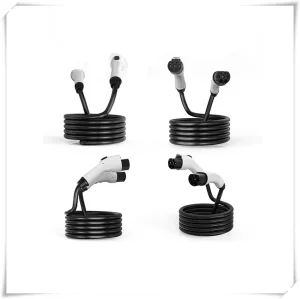
Zap Charger maintains a comprehensive, end-to-end product portfolio that serves residential, commercial, and public infrastructure markets. Their expertise spans across high-performance EV charging connectors, durable AC and DC charging cables, highly portable utility chargers, and smart cloud-integrated wallbox units. Built to withstand demanding environmental conditions, every component meets strict international safety standards for cross-vehicle compatibility and all-weather dependability.
Backed by an agile, multi-disciplinary R&D team, Zap Charger designs and manufactures advanced systems that optimize power conversion efficiency, minimize standby power loss, and interface seamlessly with microgrids. Their extensive, client-focused OEM and ODM services enable automotive manufacturers, energy operators, and commercial distributors to implement custom enclosure designs, brand packaging, firmware behaviors, and communication parameters tailored to their home market.
"By offering strict quality management systems and scalable, adaptable EV charging solutions, Zap Charger supports distributors, utilities, and auto manufacturers across Europe, North America, and the Asia-Pacific region."
Industrial buyers and distributors face serious procurement challenges, including raw material cost volatility, changing tariff landscapes, and complex certification processes for grid connection. Addressing these issues requires proactive design, materials engineering, and logistical planning.
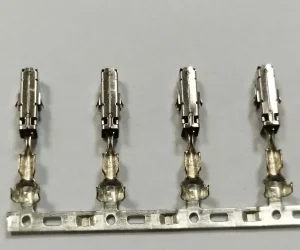
The fluctuating market price of copper impacts cable pricing. Leading factories utilize high-purity recycled copper (like battery-tunnel grade copper terminals) and lightweight, ultra-durable TPE or TPU insulating jackets to optimize bill-of-materials (BOM) costs without compromising electrical conductivity.
Different markets have unique safety requirements, such as Pen-Fault protection in the UK (BS 7671), Type B RCD requirements in Continental Europe, and FCC Part 15 Class B emissions testing in North America. Top manufacturers configure safety circuits at the PCB design phase to simplify local certifications.
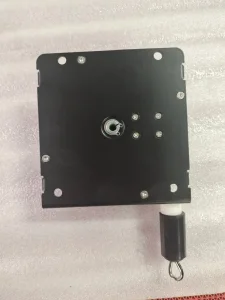
Global supply chains require reliable shipping configurations. Experienced factories offer modular design packages (SKD - Semi Knocked Down) to bypass local import tariffs, and integrate modern cable management accessories like spring-loaded tension retractors to reduce damage claims during transport.
Before entering contract negotiations, verify that the manufacturer's technological roadmap aligns with upcoming local regulations. Key elements include built-in ISO 15118 hardware modules for secure Plug & Charge capabilities, ready integration with local smart home protocols (EEBUS, Matter, Modbus), and field-upgradable firmware via cellular (4G/5G) or Wi-Fi OTA channels.
The residential charging sector is transitioning from basic electrical hardware to intelligent, high-efficiency power electronics. The standard 7kW/22kW AC wallbox is evolving into a key node in the home's smart energy grid.
Next-generation onboard power conversion and home DC fast-chargers are replacing traditional silicon components with Gallium Nitride (GaN) and Silicon Carbide (SiC) switches. This change delivers:
Standardizing plug-and-charge capabilities across residential units removes the need for mobile apps, RFID cards, or complex local logins. Using cryptographic handshakes between the vehicle's onboard charger (OBC) and the EVSE unit:
As charging units deliver higher currents, cables require larger cross-sections, making them heavier and less flexible. Factories are addressing this issue by:
With multi-EV households becoming common, residential charging units must manage power distribution dynamically. Modern multi-port and daisy-chained installations feature:
Expert answers to key technical, regulatory, and sourcing questions about residential EV charging systems.
These connectors represent regional standards. Type 1 (SAE J1772) is the single-phase standard used in North America. Type 2 (IEC 62196-2) is the standard used across Europe, supporting both single-phase and three-phase charging. GB/T (GBT 20234) is the national standard used in China, featuring unique electrical signaling and physical plug geometry. Top-tier factories offer adaptable connector modules to convert across these standards, enabling vehicles with Type 2 sockets to charge safely on GB/T infrastructure.
The Open Charge Point Protocol (OCPP) is an open communication standard linking physical EV charging hardware with central management systems. Version 1.6J (JSON over WebSockets) is widely used for basic operations, including user authentication, diagnostic reporting, and transaction scheduling. Version 2.0.1 offers improved security, advanced diagnostic monitoring, and Native ISO 15118 support, which is essential for dynamic grid management and bidirectional power configurations.
In many regions (such as the UK), local building codes require protective grounding. In the event of a broken Protective Earth Neutral (PEN) wire on the grid, the vehicle chassis can become energized relative to the local ground. Built-in PEN fault detection monitors system voltage differentials and automatically disconnects the vehicle if it detects an anomaly, removing the need to install expensive external grounding rods.
Recycled copper reduces the environmental impact of component manufacturing by up to 80% compared to mined copper. Using ultra-low resistance recycled copper with high-grade nickel or silver plating maintains equivalent electrical conductivity, minimal temperature rise during high-current charging cycles, and meets strict corporate sustainability targets.
IP (Ingress Protection) ratings define how effectively the enclosure seals against dust, moisture, and rain. IP54-rated units provide reliable protection against dust ingress and splashing water, which is suitable for covered carports or temperate climates. IP55-rated enclosures offer higher resistance against water jets, which is recommended for exposed outdoor installations in areas with heavy rain, high humidity, or blowing snow.
From smart single-phase wallboxes to DC power modules, our product portfolio provides high performance, certified safety, and lasting reliability.
 Zap Charger