As the global transportation sector pivots from internal combustion engines to electric powertrains, the demand for robust Public Charging Networks has reached an inflection point. Industry analysts predict the EV infrastructure market will grow at a CAGR of over 25% through 2030. This expansion is driven by three primary vectors: government subsidies (such as the NEVI program in the US and the Green Deal in the EU), battery technology advancements, and the urgent need for decarbonization.
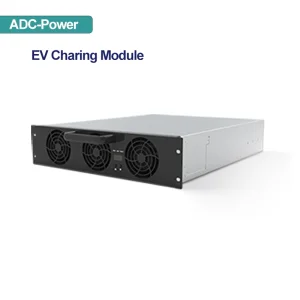
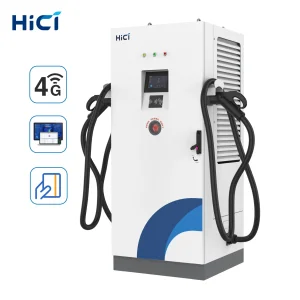
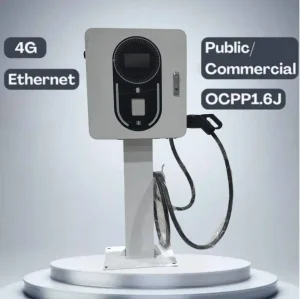
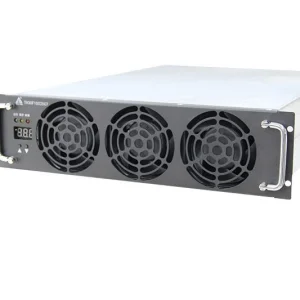
The transition from slow AC charging to high-power DC fast charging (HPC) is the most significant trend in the "Top 10 Public Charging Networks" space. Suppliers are now prioritizing rectifier modules (like our 50kW units) that allow for modular scalability, enabling stations to upgrade from 60kW to 360kW without complete site overhauls. This modularity reduces the Total Cost of Ownership (TCO) for Charge Point Operators (CPOs).
Global enterprises and infrastructure investors face unique challenges when selecting a Public Charging Networks Supplier. Reliability and compliance are non-negotiable. Large-scale procurement teams now demand more than just hardware; they seek integrated solutions that include:
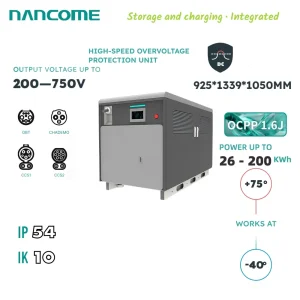
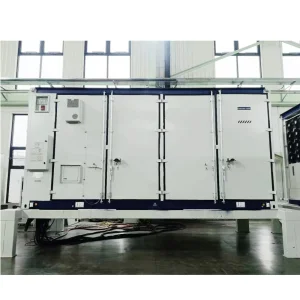
Information Gain Insight: Unlike standard retail chargers, industrial-grade suppliers must offer Containerized ESS (Energy Storage Systems). These systems allow for fast charging even in locations with limited grid capacity by utilizing buffered battery storage, a specialty of Hangzhou Zap Charger's 5015kwh systems.
The next decade of EV infrastructure will be defined by efficiency and AI integration. As a leading exporter, we are focusing on the following technical milestones:
Moving beyond traditional IGBTs, SiC technology reduces heat dissipation and increases power density, resulting in smaller, more efficient DC chargers with efficiency ratings exceeding 97%.
To achieve 400A+ charging currents without excessive weight or cable diameter, liquid-cooling is becoming the gold standard for ultra-fast charging hubs.
Utilizing IoT sensors to predict component failure before it happens, ensuring 99.9% uptime for public charging networks.
Integrating Solar PV and Wind directly into the charging architecture to reduce reliance on fossil-fuel-based electricity.
Hangzhou Zap Charger Co., Ltd. is a professional EV charging solutions manufacturer specializing in high-performance connectors, cables, and smart charging systems for the global electric mobility market. Based in Hangzhou, the company benefits from a strong technology ecosystem and advanced manufacturing capabilities, enabling efficient production and continuous innovation.
Zap Charger offers a comprehensive product portfolio, including EV charging connectors, AC and DC charging cables, portable chargers, and intelligent charging systems designed for residential, commercial, and public infrastructure applications. All products are engineered with a focus on safety, durability, and compatibility, meeting international standards to ensure reliable performance across different regions and vehicle types.
Driven by a skilled R&D team, the company continuously develops smart charging technologies that enhance energy efficiency, optimize charging performance, and support the growing demand for sustainable transportation. Hangzhou Zap Charger Co., Ltd. also provides flexible OEM and ODM services, allowing clients to customize designs, specifications, and branding to suit specific market requirements. With strict quality control, competitive pricing, and a customer-oriented approach, Zap Charger is committed to delivering innovative, efficient, and scalable EV charging solutions.
A: A public network requires high durability (IP54/IP55 ratings), OCPP compliance for remote management, secure payment integration, and the ability to handle high-frequency usage without overheating.
A: It provides modularity. Instead of replacing a whole unit, operators can add modules to increase power output. If one module fails, the charger stays operational at lower power, ensuring network reliability.
A: Yes, we provide solutions that comply with CE, UL, TUV, and GB/T standards, ensuring smooth customs clearance and local regulatory compliance for global markets.
A: Absolutely. We offer comprehensive OEM and ODM services, including customized shell designs, software integration, and branded packaging for infrastructure investors.
 Zap Charger