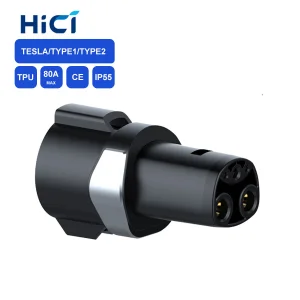
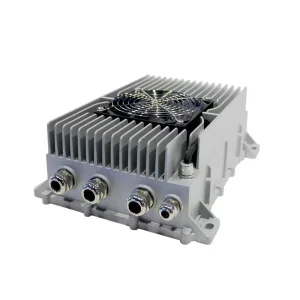
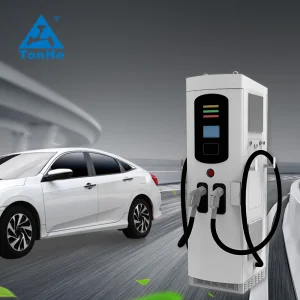
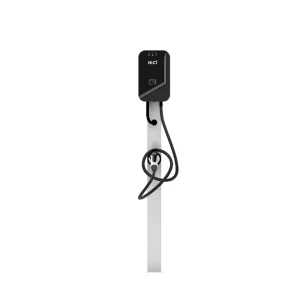
Industrial-grade power electronics, smart adapters, and telematics-enabled charging systems engineered for high reliability.
How embedded telemetry and intelligent edge node design are redefining global charging infrastructure performance, uptime, and factory ROI.
The global transition toward electrification has elevated Electric Vehicle Supply Equipment (EVSE) from standalone electrical appliances to sophisticated, networked edge nodes. In this modern ecosystem, telematics for EV charging factories represents the foundational backbone of reliable infrastructure deployment. Telematics integrates embedded sensors, CAN-bus communications, IoT gateways, and cloud management software directly into the manufacturing lifecycle of AC and DC fast chargers.
For factory engineers, C-suite operations executives, and OEM partners, incorporating advanced telematics into manufacturing guarantees real-time diagnostics, remote firmware management (FOTA), dynamic load balancing (DLB), and predictive fault protection. Rather than treating telematics as a secondary add-on layer, top-tier EV charging factories embed telematics microcontrollers directly into power module boards and mainboard control architectures.
As tier-1 automotive suppliers and global municipal fleets scale their infrastructure requirements, purchasing decisions are no longer dictated by hardware costs alone. Enterprise procurement teams prioritize telematics reliability, standard open protocols (OCPP 1.6J/2.0.1), and factory-level validation processes that ensure seamless global interoperability.
Architectural components embedded within high-reliability factory manufacturing systems.
High-performance ARM Cortex architectures executing local telemetry, handling multi-channel CAN-bus transactions, and managing sub-second fault detection without relying on cloud availability.
Native compliance with international communication protocols enabling automated Plug & Charge, V2G (Vehicle-to-Grid) power flow control, and end-to-end TLS 1.3 encryption.
Multi-point sensor arrays tracking internal MOSFET temperatures, contactor wear, insulation resistance (IMD), and phase current harmonics in real-time.
Hardware Security Modules (HSM) for safe cryptographic key storage, protecting chargers against firmware tampering and unauthorized grid access.
Algorithmic current allocation operating over RS-485 or Ethernet mesh network, optimizing local transformer capacity across dozens of connected units.
Support for 4G/5G, Wi-Fi, and Ethernet connectivity ensuring continuous data pipelines to Charge Point Management Systems (CPMS) globally.
How Hangzhou’s high-tech manufacturing ecosystem sets global standards for EVSE telematics, production yield, and rapid scaling.
China's Industry 4.0 transformation has positioned Hangzhou as a global hub for electric vehicle supply equipment production. EV charging factories in this ecosystem leverage integrated supply chains—from raw silicon carbide (SiC) power semiconductor procurement to automated surface-mount technology (SMT) assembly for telemetry control boards.
This concentrated supply chain infrastructure allows factories to execute stringent quality controls while keeping engineering costs highly competitive. Automated Optical Inspection (AOI), AI-assisted solder joint diagnostic systems, and real-time factory-floor telemetry during automated burn-in testing ensure that every power module and smart adapter leaving the facility meets rigorous European (CE/IEC) and North American (UL/SAE) standard requirements.
Evaluating standard legacy charging piles against advanced telemetry-integrated OEM EVSE systems.
| Evaluation Criterion | Legacy Analog Piles | Standard Connected EVSE | Next-Gen AI Telematics EVSE (Hangzhou OEM) |
|---|---|---|---|
| Communication Protocol | None / Basic RS-232 | OCPP 1.6J via 3G/Ethernet | OCPP 2.0.1 + ISO 15118-20 (Plug & Charge / V2G Ready) |
| Diagnostic Capabilities | Manual On-Site Multimeter Inspection | Basic Error Codes sent to Server | Sub-second Oscillogram Telemetry & Predictive AI Diagnostics |
| Power Management | Fixed Output Rating | Static Group Power Sharing | Real-time AI Dynamic Load Balancing & Grid Frequency Support |
| Hardware Modularities | Monolithic Assembly | Discrete Module Replacement | Hot-Swappable High-Density Power Modules (30kW - 320kW) |
| Cybersecurity Standard | Unencrypted Local Bus | Standard HTTPS Transmission | Hardware Root-of-Trust (HSM) + TLS 1.3 End-to-End Cryptography |
| Factory Testing Protocol | Manual Sample Spot Check | Standard Functional Test | 100% Automated Telemetry Burn-in & Stress Diagnostics |
How telematics-driven charging solutions solve real-world infrastructure operational challenges.
Commercial heavy-duty electric trucks and delivery fleets require uninterrupted uptime. Telematics modules monitor battery degradation curves, coordinate depot overnight charging schedules to prevent peak demand charges, and alert maintenance hubs to potential contactor fatigue prior to system failure.
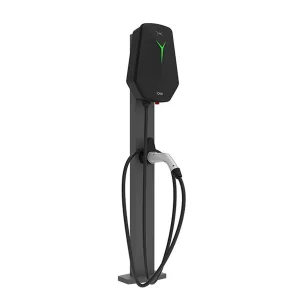
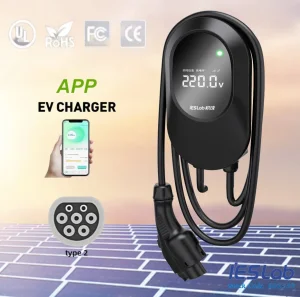
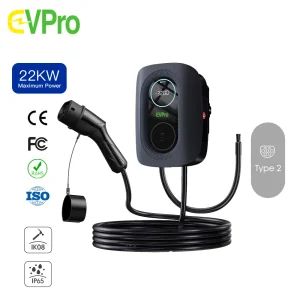
Residential apartment blocks and office campuses face total electrical service panel constraints. Integrated AC Smart Wallboxes (7kW–22kW) equipped with telematics use dynamic load control algorithms to balance power safely across hundreds of vehicles simultaneously.
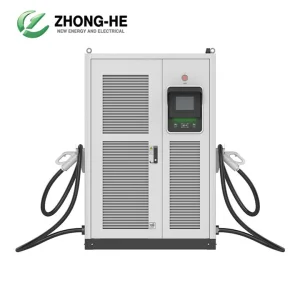
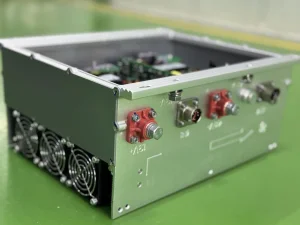
Operating between 60kW and 320kW+, ultra-fast DC stations generate high thermal stress. Factory-embedded power module telematics adjust liquid-cooling pump speeds, modulate active rectifier output, and preserve equipment lifespan while providing sub-20-minute charging cycles.
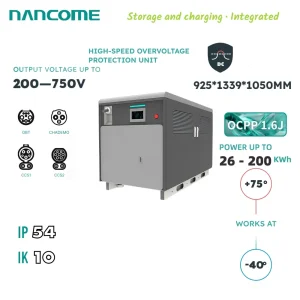
Mobile DC fast charging units (e.g., 141kWh battery storage systems) depend heavily on telemetry to monitor internal pack State of Health (SOH), balance cell voltages, and govern mobile off-grid fast-charging dispatch in emergency or temporary deployments.
Hangzhou Zap Charger Co., Ltd. is a professional EV charging solutions manufacturer specializing in high-performance connectors, cables, and smart charging systems for the global electric mobility market. Based in Hangzhou, the company benefits from a strong technology ecosystem and advanced manufacturing capabilities, enabling efficient production and continuous innovation.
Zap Charger offers a comprehensive product portfolio, including EV charging connectors, AC and DC charging cables, portable chargers, and intelligent charging systems designed for residential, commercial, and public infrastructure applications. All products are engineered with a focus on safety, durability, and compatibility, meeting international standards to ensure reliable performance across different regions and vehicle types.
Driven by a skilled R&D team, the company continuously develops smart charging technologies that enhance energy efficiency, optimize charging performance, and support the growing demand for sustainable transportation. Hangzhou Zap Charger Co., Ltd. also provides flexible OEM and ODM services, allowing clients to customize designs, specifications, and branding to suit specific market requirements.
With strict quality control, competitive pricing, and a customer-oriented approach, Zap Charger is committed to delivering innovative, efficient, and scalable EV charging solutions, building long-term partnerships with distributors, energy providers, and automotive industry clients worldwide.
Technical & Procurement Insights for EVSE Telematics and Factory Customization.
During factory burn-in tests, telematics modules stream real-time voltage drops, thermal signatures, and efficiency coefficients directly to automated quality control servers. This ensures 100% of manufactured units meet continuous peak-load ratings before shipment.
Yes. OEM products are designed to strictly comply with IEC 62196, IEC 61851, SAE J1772, GB/T, and CCS1/CCS2 standards, enabling seamless integration across North America, Europe, Asia, and emerging markets.
By capturing high-frequency sensor telemetry (such as contactor switching cycles, capacitor ripple voltage, and internal thermal rises), cloud telemetry platforms can predict component wear and alert operators to replace hardware before service disruptions occur.
Absoutely. We provide complete OEM/ODM solutions. Clients can customize physical enclosure aesthetics, cable lengths, interface designs, firmware telemetry endpoints, and OCPP cloud server endpoints to match their brand requirements.
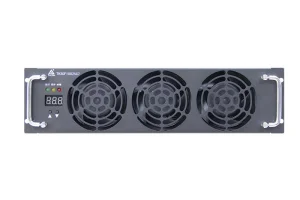
Explore our full range of enterprise power management systems, mobile fast chargers, and smart AC/DC power modules.
 Zap Charger