Explore our industrial-grade, certified high-capacity charging accessories, wallboxes, and smart storage units engineered for rapid deployments.
Hangzhou Zap Charger Co., Ltd. is a professional EV charging solutions manufacturer specializing in high-performance connectors, cables, and smart charging systems for the global electric mobility market. Based in Hangzhou, the company benefits from a strong technology ecosystem and advanced manufacturing capabilities, enabling efficient production and continuous innovation.
Zap Charger offers a comprehensive product portfolio, including EV charging connectors, AC and DC charging cables, portable chargers, and intelligent charging systems designed for residential, commercial, and public infrastructure applications. All products are engineered with a focus on safety, durability, and compatibility, meeting international standards to ensure reliable performance across different regions and vehicle types.
Driven by a skilled R&D team, the company continuously develops smart charging technologies that enhance energy efficiency, optimize charging performance, and support the growing demand for sustainable transportation. Hangzhou Zap Charger Co., Ltd. also provides flexible OEM and ODM services, allowing clients to customize designs, specifications, and branding to suit specific market requirements.
With strict quality control, competitive pricing, and a customer-oriented approach, Zap Charger is committed to delivering innovative, efficient, and scalable EV charging solutions, building long-term partnerships with distributors, energy providers, and automotive industry clients worldwide.
As electric vehicles transition from early adoption to mass-market penetration, the primary bottleneck has shifted from battery range to charging speed. Today's commercial operators, fleet managers, and charge point operators (CPOs) are looking for solutions that deliver a gas-station-equivalent fueling experience. This has driven the industry toward Ultra-Fast Charging (UFC) stations capable of outputting between 150 kW and 480 kW, with future horizons targeting Megawatt Charging Systems (MCS) for heavy-duty logistics.
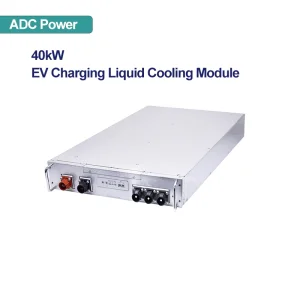
Traditional forced-air cooling methods cannot handle the thermal load of currents exceeding 300A without producing excessively thick and heavy cables. Liquid-cooled power modules and connector systems allow for thinner, lighter cables that are easier to handle for consumers while sustaining 400A to 500A continuous output without overheating.
Modern ultra-fast sites demand significant energy from local grids. Integrating Vehicle-to-Grid (V2G) capabilities and smart energy buffer systems allows stations to peak-shave grid demand, store cheap off-peak power in local ESS batteries, and return power to the grid during emergency load-shedding windows.
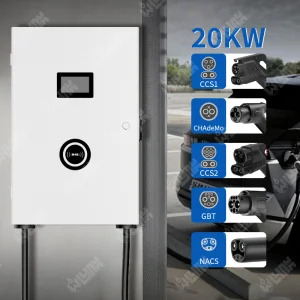
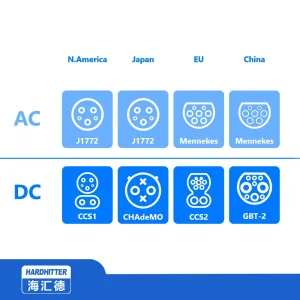
Global logistics hubs require simultaneous support for CCS1, CCS2, NACS (Tesla Standard), CHAdeMO, and GB/T standards. Modern ultra-fast charging matrices feature modular dynamic power routing, allowing multiple vehicles to plug in and share power according to their state of charge (SoC).
Procuring fast-charging infrastructure at an enterprise level requires balancing capital expenditure (CAPEX) with long-term operational resilience (OPEX). Large organizations face multi-layered integration challenges when deploying charging terminals across municipal boundaries, interstate corridors, and complex corporate parking structures.
To support high-density regional deployments, Hangzhou Zap Charger provides tailored macro solutions that group charging equipment, power scheduling sub-stations, and digital platforms into coherent application-specific architectures.
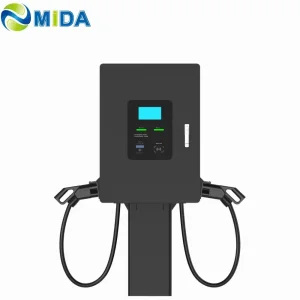
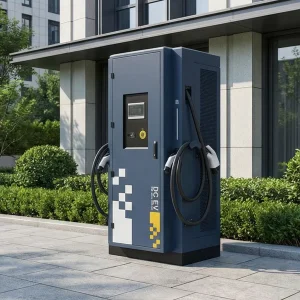
Built for long-distance drivers needing rapid turnaround times. These systems utilize dynamic split-power matrix blocks, enabling charging rates of up to 360 kW per nozzle, getting drivers back on the highway in under 15 minutes.
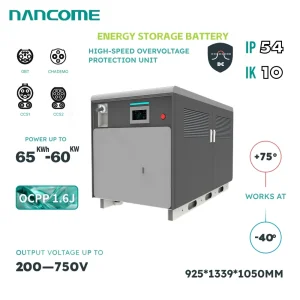
Integrated solutions linking smart energy storage systems (ESS) with mid-range high-efficiency DC chargers (60 kW to 120 kW). Helps shopping malls and urban developments attract EV owners without overwhelming the municipal grid.
High-reliability systems designed for municipal buses and industrial truck fleets. Standardizing high-current execution interfaces with active cable retraction mechanisms makes overnight charging or rapid mid-day depot swaps smooth and secure.
Developing EV infrastructure requires a dynamic technological outlook. Systems deployed today must handle the evolving battery chemistries and grid limitations of tomorrow. The Zap Charger engineering team continuously revises our design standards to align with the vanguard of power electronics research.
Selling electrical equipment globally requires rigorous verification of safety standards, electromagnetic emissions profiles, and grid-safety mechanisms. Our products carry extensive compliance badges to ensure hassle-free customs clearance and local utility inspection approvals.
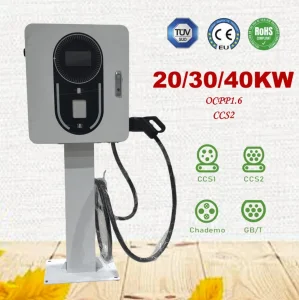
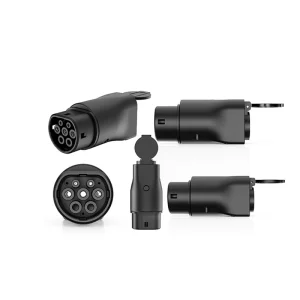
Full CE, TUV, and RoHS certifications. Compliance with EN IEC 61851 and IEC 62196 standards, supporting Type 2 interfaces, dual socket configurations, and OCPP connection options required by regional utility networks.
Product pathways supporting UL 2202 and UL 2231 certification regimes, FCC Class A/B emissions ratings, and options for NACS (SAE J3400) and CCS1 charging plugs to match regional infrastructure updates.
Designed to comply with GB/T national standards, Japanese CHAdeMO protocols, and specific environmental profiles suited to high humidity, sub-zero winters, or hot desert conditions.
Providing professional, transparent technical answers to the most common queries from buyers, distributors, and grid managers.
Discover our range of liquid-cooled power modules, V2L dischargers, and public station infrastructure designed for long-term utility deployments.
 Zap Charger