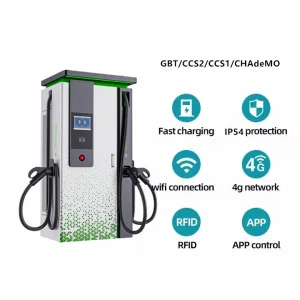
Engineered to scale. Our top tier-1 grid of AC and DC fast charging technologies compliant with ISO 15118, OCPP 2.0.1, and megawatt load distribution standards.
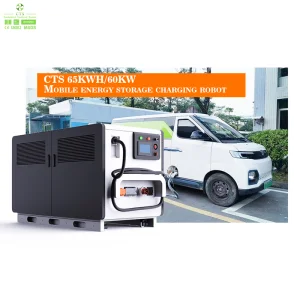
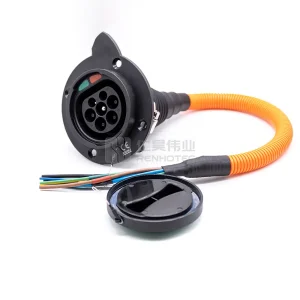
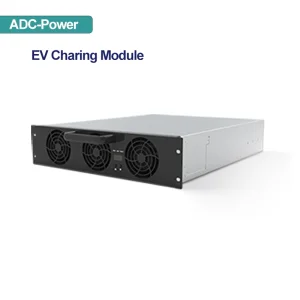
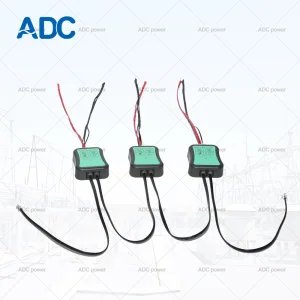
Hangzhou Zap Charger Co., Ltd. is a professional EV charging solutions manufacturer specializing in high-performance connectors, cables, and smart charging systems for the global electric mobility market. Based in Hangzhou, the company benefits from a strong technology ecosystem and advanced manufacturing capabilities, enabling efficient production and continuous innovation.
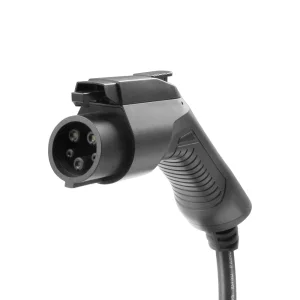
Zap Charger offers a comprehensive product portfolio, including EV charging connectors, AC and DC charging cables, portable chargers, and intelligent charging systems designed for residential, commercial, and public infrastructure applications. All products are engineered with a focus on safety, durability, and compatibility, meeting international standards to ensure reliable performance across different regions and vehicle types.
Driven by a skilled R&D team, the company continuously develops smart charging technologies that enhance energy efficiency, optimize charging performance, and support the growing demand for sustainable transportation. Hangzhou Zap Charger Co., Ltd. also provides flexible OEM and ODM services, allowing clients to customize designs, specifications, and branding to suit specific market requirements.
With strict quality control, competitive pricing, and a customer-oriented approach, Zap Charger is committed to delivering innovative, efficient, and scalable EV charging solutions, building long-term partnerships with distributors, energy providers, and automotive industry clients worldwide.
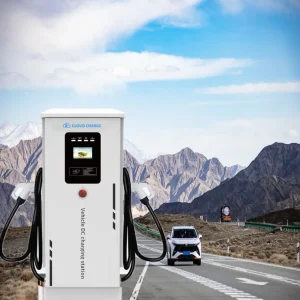
Powering millions of kilometers daily through high-efficiency power conversion topologies.
How systemic grid transformations and multi-standard regulations shape the next generation of fleet electrification.
The global electric vehicle charging framework is transitioning from a localized novelty to a standardized utility. As municipal authorities enforce zero-emission zones and logistics operators shift toward heavy-duty EV fleets, the reliance on high-throughput, redundant charging networks has intensified. Across North America, Europe, and the Asia-Pacific region, the core technical objective is clear: maximizing energy throughput while minimizing grid-side impact.
In Europe, the Alternative Fuels Infrastructure Regulation (AFIR) mandates minimum total power outputs and distance requirements for fast-charging stations along major transport corridors. Simultaneously, North America’s National Electric Vehicle Infrastructure (NEVI) program has driven massive investments into public high-power charging (HPC) systems. This regulatory alignment has created a massive demand for China-based OEMs who can provide high-efficiency, multi-standard DC chargers featuring integrated Dynamic Load Balancing (DLB).
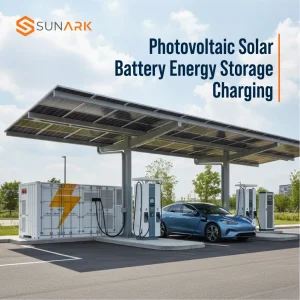
For industrial operators, the primary constraint is rarely the charger itself but rather the capacity of the local substation. High-power DC fast stations demanding 240kW to 480kW of input capacity can trigger significant peak-demand charges. Consequently, contemporary commercial installations incorporate hybrid topologies—integrating local Battery Energy Storage Systems (BESS) and Modbus/OCPP-directed smart energy systems to flatten load curves. Hangzhou Zap Charger stands at this intersection, developing modular components that fit seamlessly into localized microgrids.
Critical shifts driving hardware engineering, software communication protocols, and thermal management systems.
Silicon Carbide (SiC) semiconductor technology is replacing legacy IGBT modules. SiC power modules deliver superior thermal conductivity, reduced switching losses, and overall conversion efficiencies exceeding 96.5% under varying workloads.
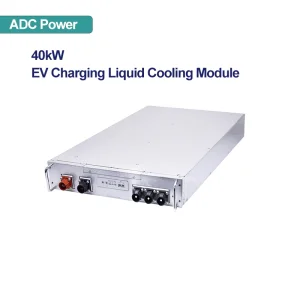
High-Power Charging (HPC) above 250kW creates severe heat dissipation challenges. Liquid-cooled modules prevent ambient air particulate intake, eliminate internal dust corrosion, and ensure continuous operation in harsh climates.
Modern stations route power to where it is needed most. Dynamic power allocation allows a 240kW charger to split output into 120kW+120kW, 180kW+60kW, or direct the full 240kW to a single vehicle based on real-time Battery Management System (BMS) requests.
Optimized architectures tailored to specific municipal, logistics, and backup power grids.
Highways require fast turnaround times and high-voltage vehicle architectures (800V platforms like Porsche Taycan, Hyundai Ioniq 5, and commercial transit buses).
Delivery fleets demand high reliability, centralized monitoring, and automated billing integration. Vehicles are typically charged overnight using AC or fast-charged during shift changes.
Slower dwell times mean customers park for 1 to 3 hours, matching the performance profiles of medium-power AC or DC destination chargers.
Critical power applications require deep battery monitoring, real-time diagnostic systems, and emergency backup power conversion.
Comprehensive overview of technical specifications, topology standards, and operational applications.
| System Architecture | Input Voltage / Phase | Output Power Rating | Standards Compatibility | Cooling Design | Primary Industrial Use Case |
|---|---|---|---|---|---|
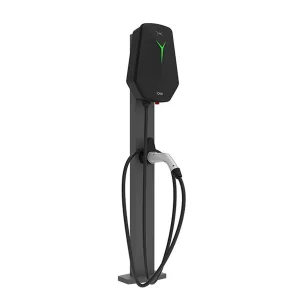
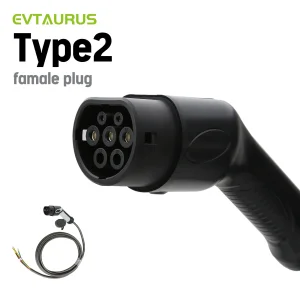
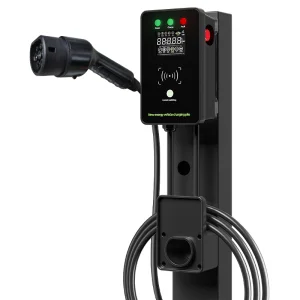
| Smart AC Chargers | 1-Phase 230V / 3-Phase 400V | 7kW / 11kW / 22kW | IEC 62196 Type 2, SAE J1772 Type 1 | Natural Convection | Residential charging, overnight employee depots, public retail parking hubs. |
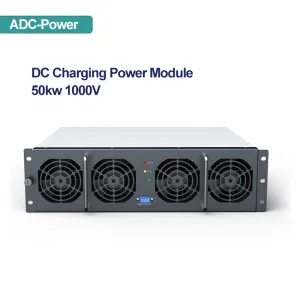
| Compact DC Destination | 3-Phase 400V ± 15% | 30kW / 50kW / 60kW | CCS1, CCS2, GB/T, CHAdeMO | Forced Air Cooling | Commercial parking garages, fleet top-ups, car dealership test stations. |
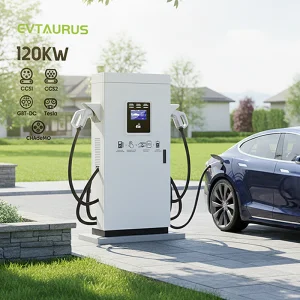
| Modular DC Charging Stack | 3-Phase 400V ± 15% | 120kW / 180kW / 240kW | DIN 70121, ISO 15118, OCPP 1.6J | Air Cooled / Liquid Cooled Module option | Highway fast charging, public logistics hubs, municipal bus networks. |
| Megawatt Charging Systems (MCS) | 3-Phase 480V / 800V AC Grid | 500kW to 1.2MW | MCS (SAE J3271) | Active Liquid Coolant Loop | Heavy-duty mining trucks, maritime vessels, long-haul logistics fleets. |
A look at upcoming trends that will define electrical infrastructure over the next decade.
The transition toward sustainable electric mobility is entering a phase of deep grid integration. Looking ahead to 2030, EV charging systems will evolve from passive energy consumers into active grid assets. Hangzhou Zap Charger's R&D efforts are focused on three core technical areas:
Vehicle-to-Grid (V2G) technology transforms electric vehicles into distributed energy storage units. By feeding power back into the grid during peak demand windows, fleet operators can offset their operational costs. This shift requires bi-directional DC chargers designed with active front-end (AFE) rectifiers, enabling seamless power transition between grid and vehicle.
The commercialization of solid-state battery technology will allow vehicles to accept extremely high charge currents without thermal degradation. In response, next-generation charging stations will need to manage transient high-power states, requiring fast switching times in isolated DC-DC converters and more advanced thermal control systems.
High-power stations generate significant heat, meaning cooling system failures can lead to immediate downtime. Integrated IoT sensors, combined with cloud analytics, monitor coolant pressure, insulation resistance, and component wear. This allows operators to perform predictive maintenance before a hardware fault occurs, ensuring high uptime across the network.
Answering key questions on engineering, safety, and global standards compliance.
Engineered to scale. Our lower tier-2 grid of AC and DC fast charging technologies compliant with ISO 15118, OCPP 2.0.1, and megawatt load distribution standards.
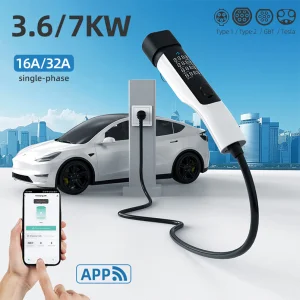
 Zap Charger