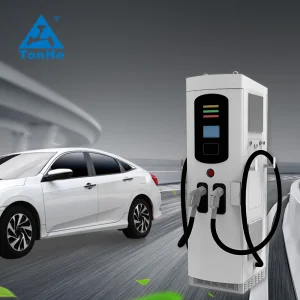
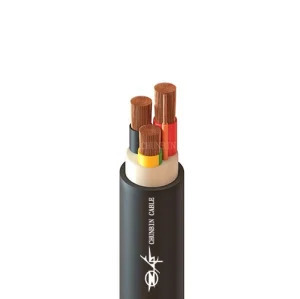
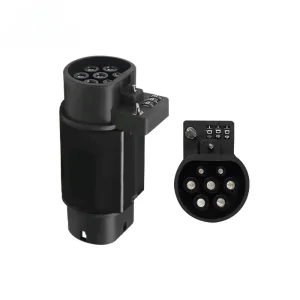
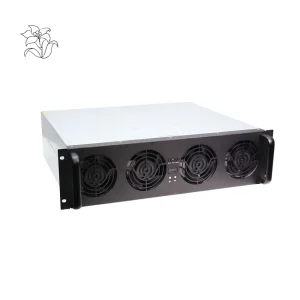
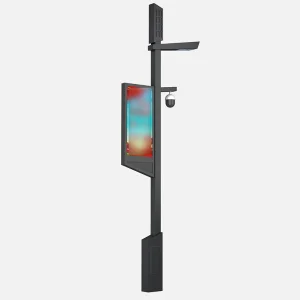
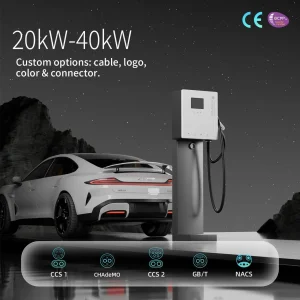
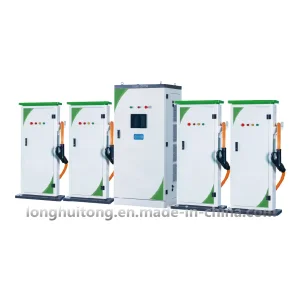
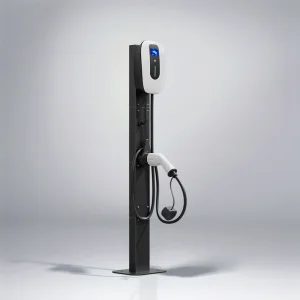
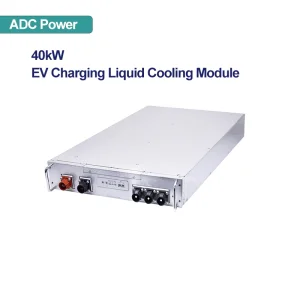
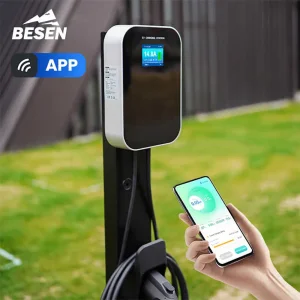
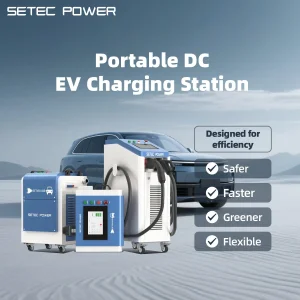
Explore our engineered selection of high-power DC fast stations, intelligent smart pole systems, heavy-duty vehicle connectors, and dynamic power modules designed for grid integration.
As electric mobility transitions from a niche market to global ubiquity, the role of EV charging infrastructure has fundamentally shifted. Chargers are no longer simple power outlets; they are key nodes in a highly dynamic, bidirectional electrical network. For Charge Point Operators (CPOs), fleet administrators, and utilities, scaling this infrastructure demands an experienced engineering partner who understands the complexities of grid-connected systems, dynamic energy allocation, and localized utility compliance.
At Hangzhou Zap Charger Co., Ltd., we design, engineer, and manufacture smart EV charging solutions that bridge the gap between high-power automotive demands and regional utility grid constraints. Based in the technological innovation hub of Hangzhou, China, we leverage a robust local supply chain and our deep specialized R&D engineering talent to deliver state-of-the-art AC and DC charging hardware. Our flexible OEM and ODM manufacturing services enable international brands to rapidly deploy localized, certified charging stations configured for home, commercial, and utility-scale application fields.
A specialized engineering and manufacturing firm delivering scalable EV infrastructure to distributors, utility projects, and EV manufacturers globally.
The rapid deployment of distributed energy resources (DERs) demands smarter interaction between vehicles and electricity networks.
With multiple high-power DC chargers operating simultaneously, facility operators face high demand charges. Advanced grid-connected chargers dynamically scale power output in real-time based on local building consumption and grid signals, avoiding transformer overloads.
Electric vehicles are evolving into mobile energy storage systems. Using bi-directional power conversion modules, vehicles can feed power back into the utility grid during peak pricing hours, stabilizing grid frequency and generating revenue for fleet owners.
Integrating solar photovoltaics (PV) and Battery Energy Storage Systems (BESS) directly with EV charging infrastructure allows operators to charge vehicles using clean power, bypassing utility capacity bottlenecks and minimizing carbon footprints.
Procurement managers, municipal engineers, and energy developers face unique barriers during international sourcing. The mismatch between charging equipment specifications and regional utilities frequently leads to project delays. Hangzhou Zap Charger Co., Ltd. resolves these integration problems at the design phase:
Utilities operate on different distribution structures. We configure our chargers to handle different supply topologies, including 380V–480V 3-phase AC grids for European and North American configurations. Our industrial power modules are engineered to handle supply voltage fluctuations, maintaining high efficiency without risking degradation.
A common point of failure in public projects is software incompatibility. We provide fully integrated OCPP 1.6J/2.0.1 firmware platforms that interface with backend charging management software. Our design supports custom branding, proprietary payment terminal integration, and secure over-the-air (OTA) updates.
High-output DC charging generates heat that must be carefully managed. Our outdoor units are rated up to IP55 and IP65. We offer advanced liquid-cooled and force-air cooling options, preventing thermal throttling in high-ambient environments such as Southern Europe, Australia, and the Middle East.
Downtime severely impacts CPO profitability. By engineering charging units with modular power blocks, technicians can hot-swap individual modules without decommissioning the entire station. We maintain a reliable inventory of gold-plated high-voltage terminals, control boards, and structural cabling.
Our advanced production facility utilizes automated test equipment and precise calibration rigs to guarantee optimal build quality.
Deploying charging infrastructure at scale requires customized strategies that align with civil engineering, municipal regulations, and utility configurations. We supply targeted hardware solutions for diverse deployment scales:
Electrical safety is paramount when connecting high-power devices to distribution systems. Hangzhou Zap Charger implements advanced protective systems directly in the hardware to ensure long-term durability and operator safety:
Each batch of chargers undergoes simulated operational profiling prior to leaving our factory:
Our technical roadmap prepares global distributors and operators for the future of grid management.
Integrating Silicon Carbide MOSFETs into our ACDC conversion systems reduces switching losses, allowing higher power density within compact enclosures and bringing overall module efficiency above 97%.
Implementing ISO 15118 protocols secures automated machine-to-machine communication between the vehicle and charging station, enabling automatic user authentication, payment processing, and dynamic V2G data transfers.
Developing edge AI microcontrollers that forecast local energy costs and grid constraints, scheduling charges during periods of high renewable generation to maximize fleet cost savings.
Key technical insights to guide your infrastructure procurement decisions.
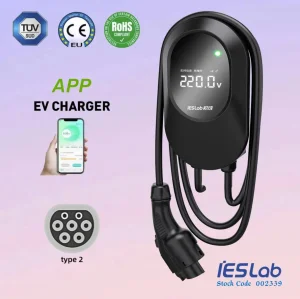
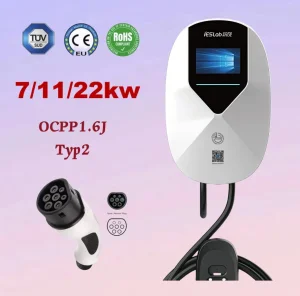
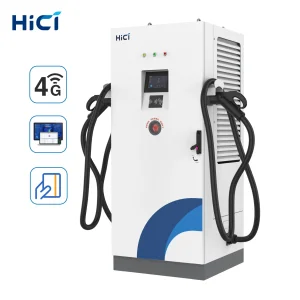
Select from our specialized hardware, including smart wallboxes, heavy-duty connector terminals, and liquid-cooled conversion units.

 Zap Charger