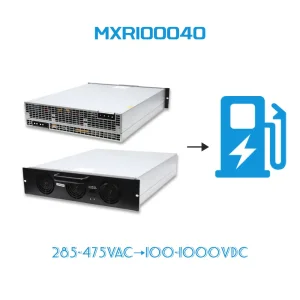
Premium OEM/ODM charging hardware engineered to global standards (IEC, SAE, NACS, GB/T) for dynamic deployment.
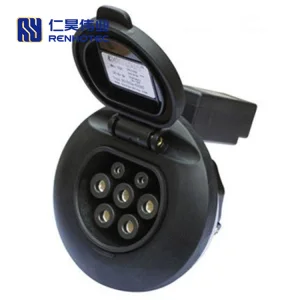
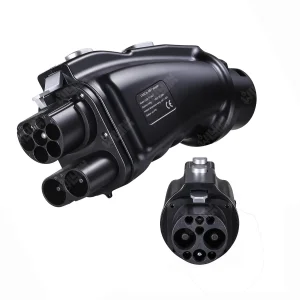
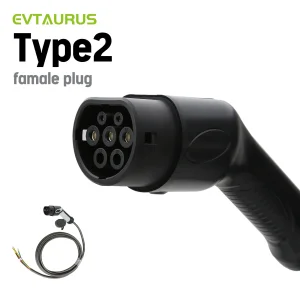
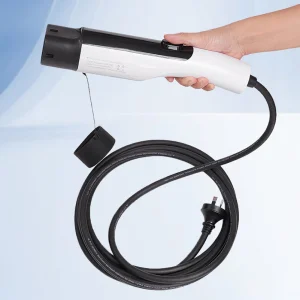
Hangzhou Zap Charger Co., Ltd. is a leading-edge global EV charging solutions manufacturer and turnkey strategic exporter. Specializing in advanced electrical interconnects, high-amperage cables, and smart grid-integrated software platforms, we sit at the intersection of modern utility grids and zero-emission transit networks. Based in Hangzhou's prominent technology ecosystem, we run state-of-the-art manufacturing hubs designed to feed international distribution lines with speed and precision.
Zap Charger's solutions cover the entire spectrum of modern EV charging needs: reliable residential AC wall boxes, rugged heavy-duty DC commercial stations, high-durability connector assemblies, and off-grid utility systems. Grounded in robust safety and design regulations, our products are built to withstand tough outdoor environments while delivering top-tier performance for EV drivers worldwide.
Zap Charger is dedicated to continuous R&D. We design, prototype, and build our systems in-house, focusing on thermal efficiency and firmware optimization to reduce overall energy waste.
A technological analysis of the charging protocols, energy storage trends, and utility integration patterns driving smart infrastructure.
Bi-directional energy systems turn EVs from simple energy consumers into active distributed power reserves. Our upcoming hardware platforms natively support ISO 15118-20, allowing direct utility communication for peak load shifting.
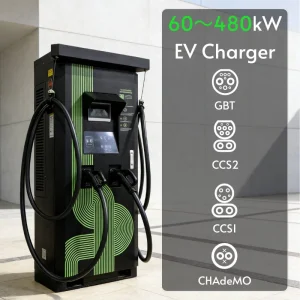
Super-fast DC charging requires advanced temperature control. Zap Charger uses liquid cooling and high-conductivity copper alloys in its cables to support 400A+ currents without overheating, keeping charging runs safe and continuous.
Our intelligent systems run on OCPP 1.6J and OCPP 2.0.1 protocols. This allows operators to easily connect our units with third-party software, manage load balancing, issue remote OTA updates, and run secure payment gateways.
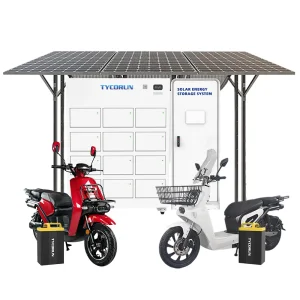
The next phase of electric mobility requires integration with renewable energy sources. Modern charging hubs cannot rely solely on the regional grid. By pairing localized photovoltaic arrays with Battery Energy Storage Systems (BESS) and high-power charger units, companies can build self-contained microgrids. Zap Charger is actively developing hardware and software interfaces that connect solar power systems directly to EV charging units, minimizing conversion losses and keeping grid loads manageable.
Modern fleet operations, commercial properties, and public utilities require structured, reliable charging solutions. At Zap Charger, we design our products to handle the unique mechanical, electrical, and data demands of different real-world settings.
| Application Sector | Core Technical Challenges | Zap Charger Integrated Solution | Key Operational Outcome |
|---|---|---|---|
| Commercial Properties | Grid power capacity limits; driver billing authentication. | Smart AC Wallboxes (7kW-22kW) running OCPP dynamic load management. | Zero grid overloads; automated billing systems. | Public Fast Transit | Heavy usage; exposure to harsh weather; need for fast turnaround. | Liquid-cooled DC Fast Chargers (180kW-240kW) with IP55 protection. | 99.9% uptime; charges vehicles to 80% in under 20 minutes. |
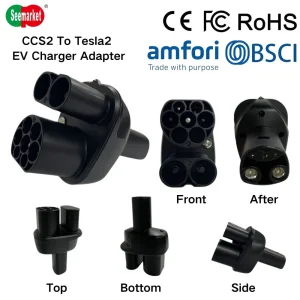
| Logistics Fleets | Diverse vehicle connectors; rigid delivery schedules. | High-current CCS2 adapters, custom cable lengths, and dual-port chargers. | Fast plug-and-charge routines; reliable performance across vehicle types. |
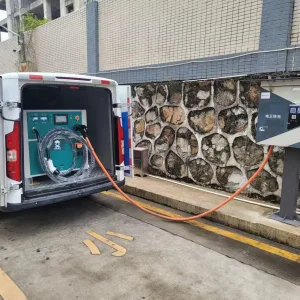
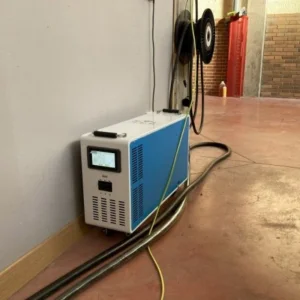
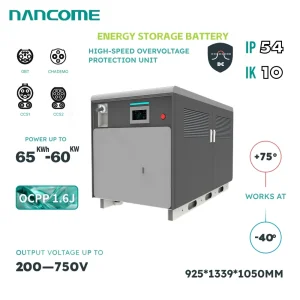
| Remote Sites & Utilities | Weak local grid connections; emergency power needs. | Mobile 50kW DC chargers with integrated 65kWh battery storage units. | Reliable off-grid operations; peak shaving capabilities. |
When multiple high-power electric vehicles charge at the same site simultaneously, local electrical networks face sudden, heavy stress. Our Dynamic Load Management systems address this by monitoring live power limits in real time and automatically scaling charging speeds. This ensures vehicles charge as quickly and safely as possible without exceeding the facility's power capacity or requiring expensive utility upgrades.
Our manufacturing center in Hangzhou leverages advanced industrial automation, thorough materials sourcing, and tight quality inspections. By keeping key design and production processes in-house, we help shield our clients from global supply chain disruptions.
Our Factory 4.0 workflow runs on real-time quality control systems. Every stage of manufacturing—from CNC machining raw copper contacts to soldering control boards and testing finished cables—is tracked and logged. This transparent data loop allows us to trace any component and guarantees consistent quality across large production orders.
Because we manufacture our own structural parts, electrical contacts, and internal wiring, we avoid the delays and quality variations of multi-tier outsourcing. This direct control translates to stable lead times, robust designs, and direct cost savings for our global business partners.
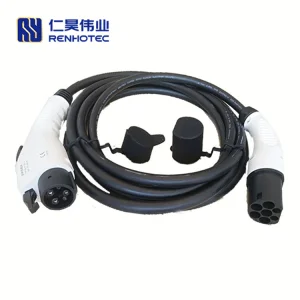
We use high-grade TPU outer jackets for maximum oil, wear, and weather resistance, paired with silver-plated copper alloy pins for low resistance.
Every connector design undergoes rigorous physical testing, including insertion cycle limits (10,000+ runs), drive-over resistance, and strict insulation checks.
Our R&D team works directly with clients to customize cable lengths, casing colors, branding, and protocol settings to match regional regulations.
Successfully importing electric mobility equipment requires strict adherence to regional safety and technical regulations. Zap Charger focuses on ensuring its products are fully certified and ready for deployment in international markets.
Fully certified to IEC 62196 standards, CE marked, and RoHS compliant for standard European commercial and residential setups.
Built to SAE J1772 and NACS (Tesla style) standards, with structural safety and electrical designs matching UL regulations.
Complies with GB/T standards for charging infrastructure across China and key Asia-Pacific transport corridors.
Enclosures feature IP55, IP65, and IP67 ratings to protect against dust, water, and mechanical impacts in harsh outdoor climates.
Purchasing components globally requires reliable shipping, customs clearance, and long-term support. We offer customized delivery options (FOB, CIF, DDP) and assist with local customs documentation. Every product line is backed by our comprehensive warranty and dedicated technical support team, ensuring quick answers to installation, software integration, or warranty questions.
Procurement directors and fleet operators face complex challenges when rolling out large-scale EV charging networks. Our products are engineered to solve these operational paint points directly.
Heavy-duty charging systems, conversion adapters, and advanced storage solutions built for long-term reliability.
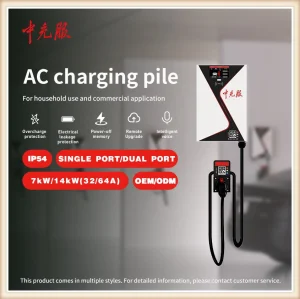
Detailed answers to key questions about standards, customization options, and global deployment.
 Zap Charger