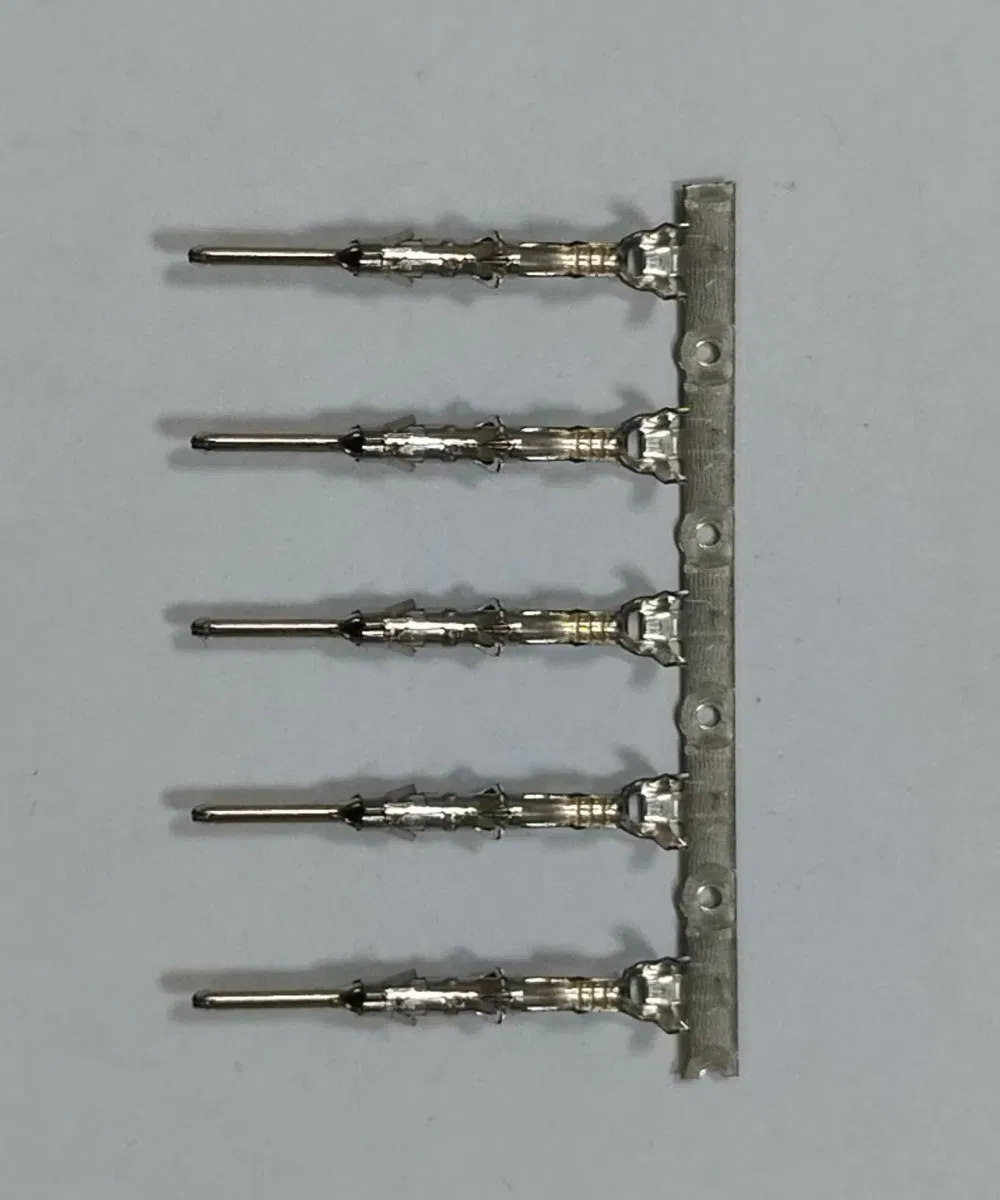
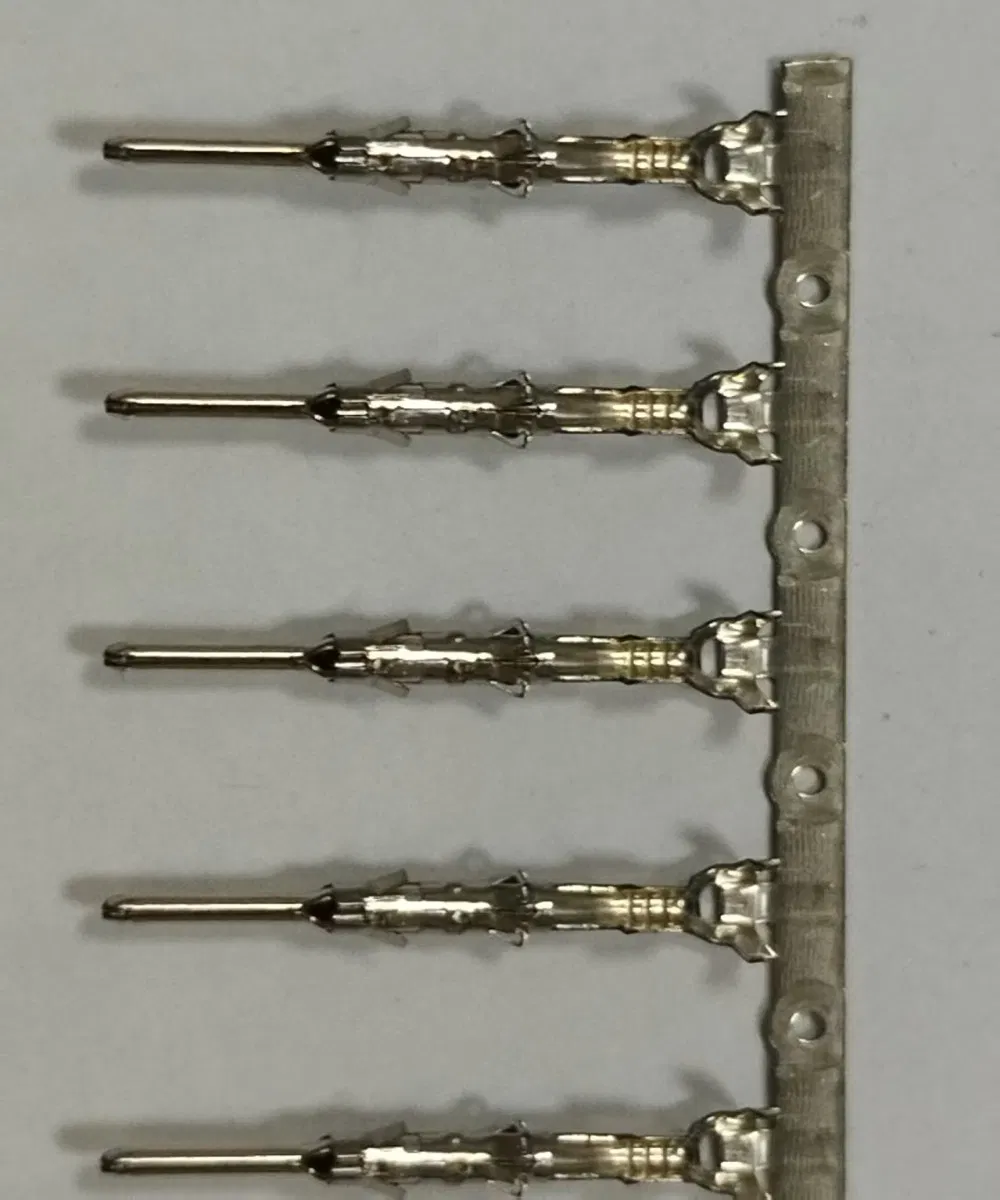
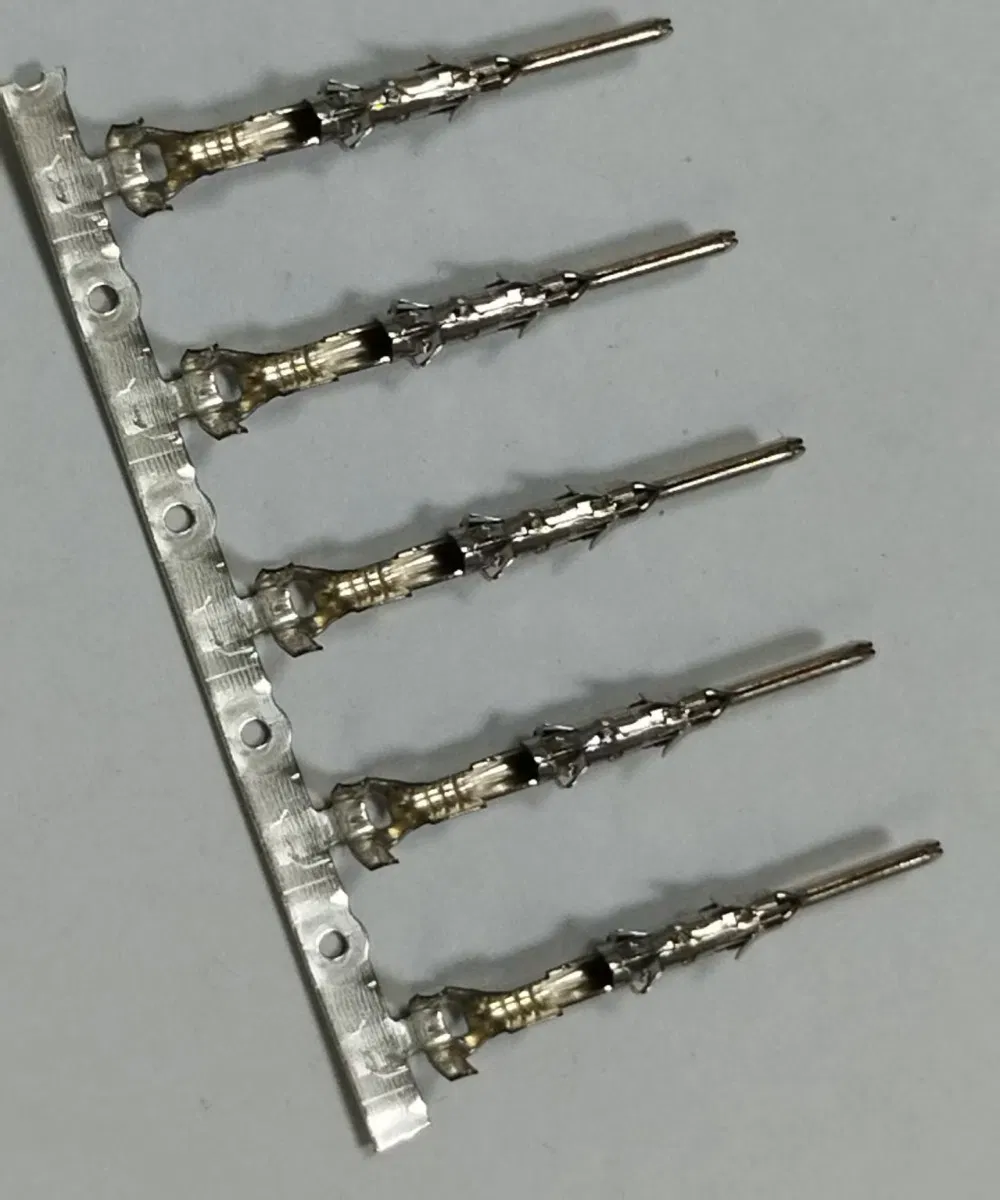
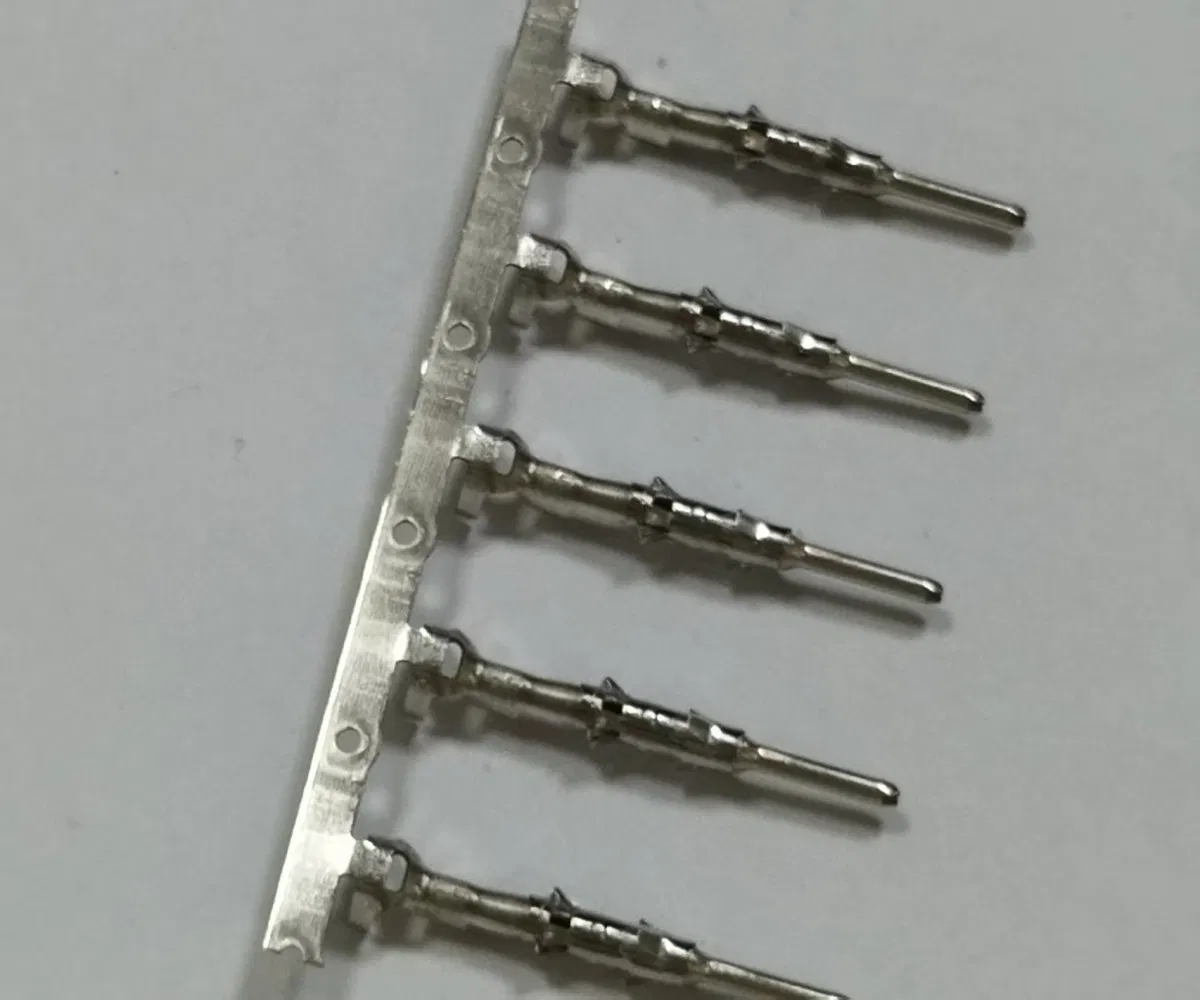
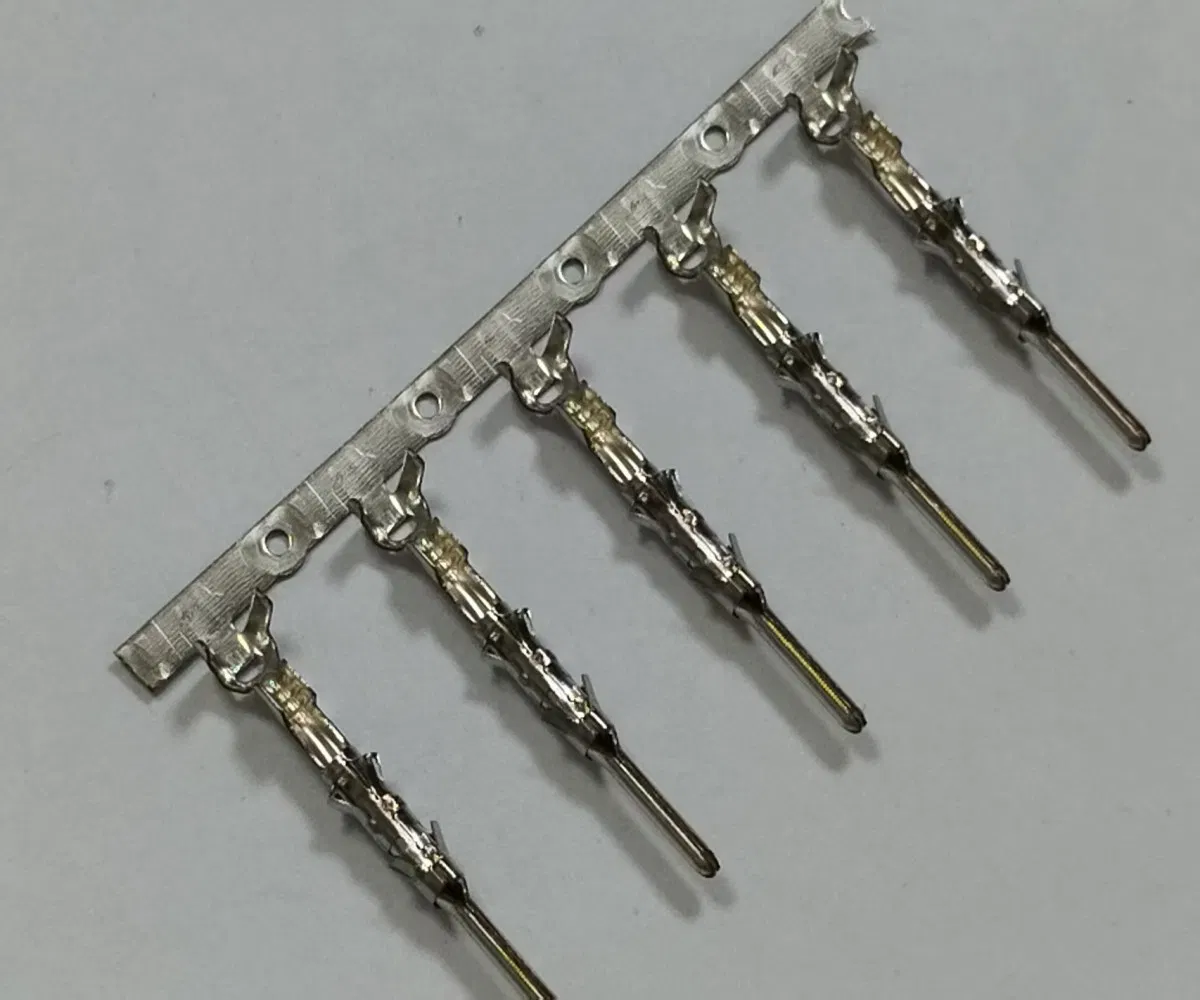
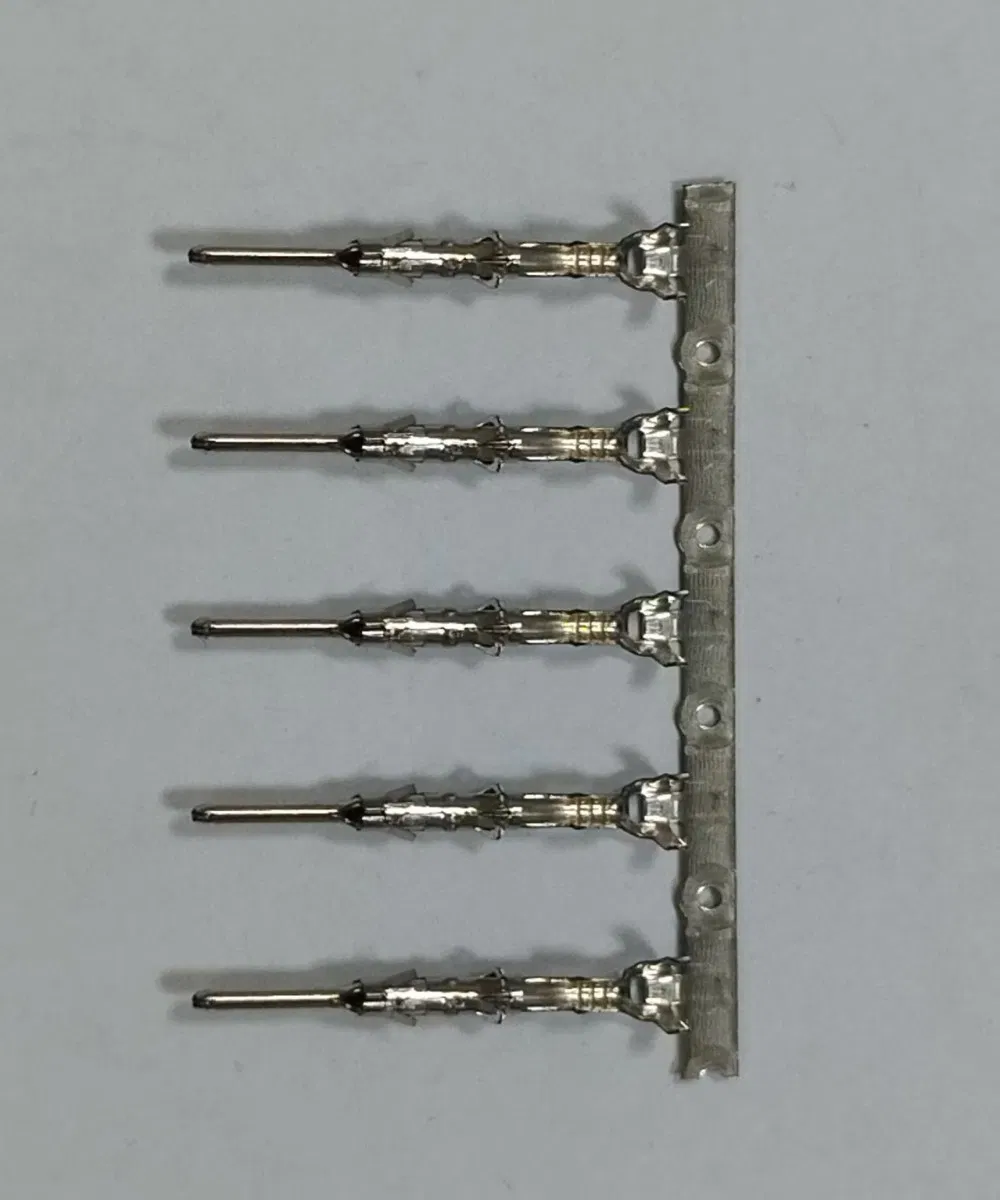
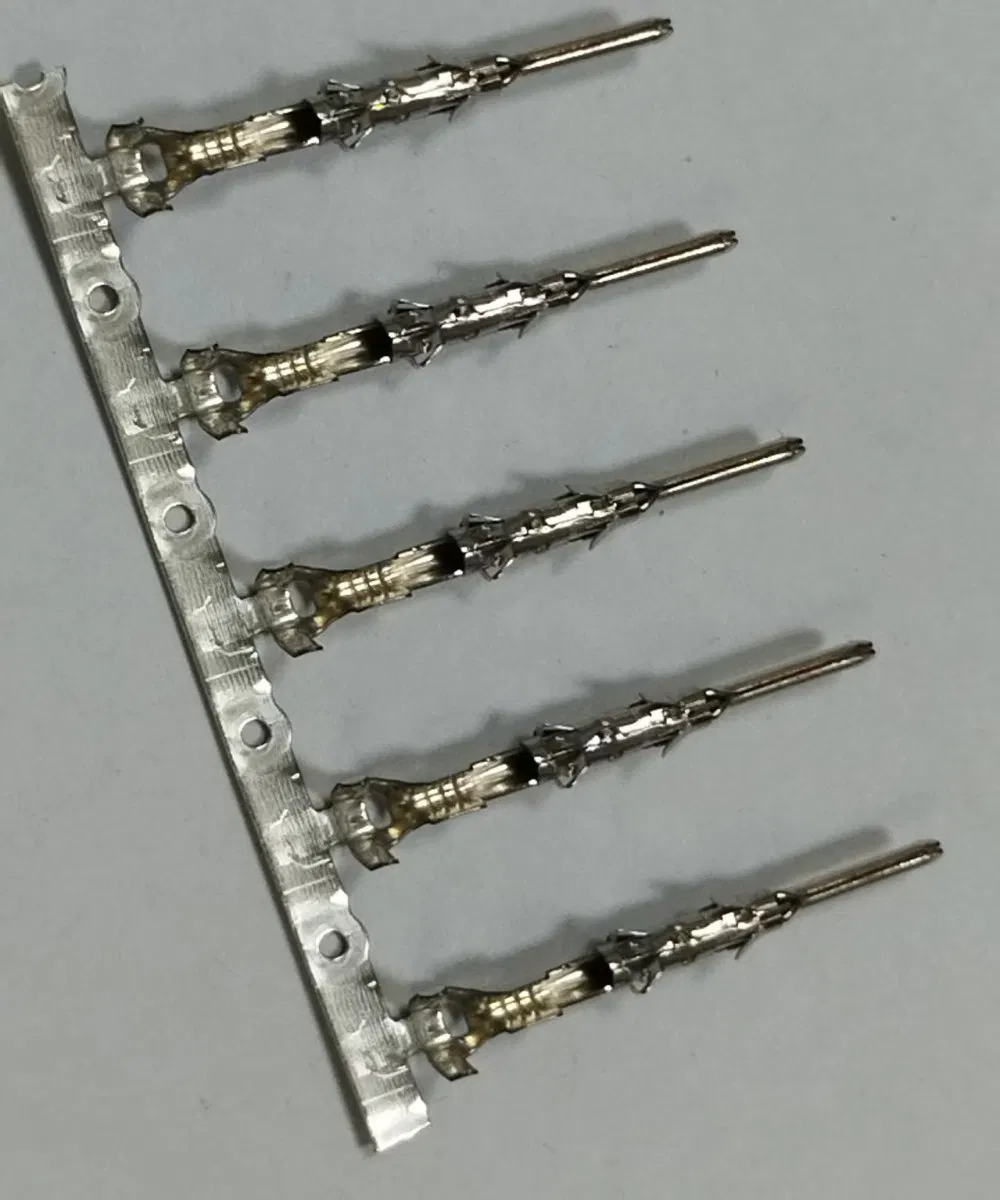
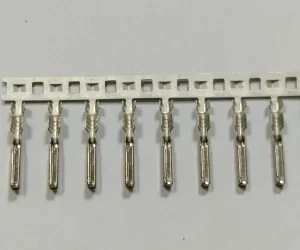
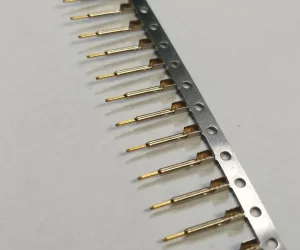
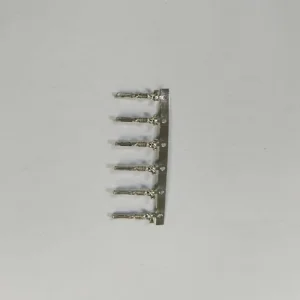
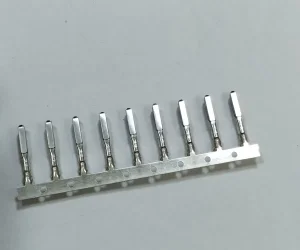
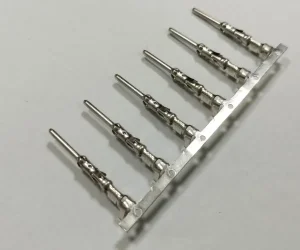
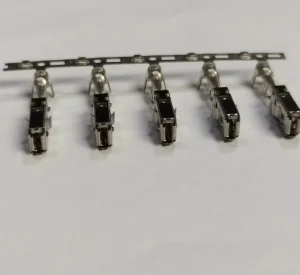
Hydrogen Fuel Cell & EV Battery Dual-Compatible Terminals for Multi-Energy Vehicle Platforms

Still deciding? Get samples of $ !
Request Sample

Product Description

📋

Basic Product Information

Model NO.
1703013-1
Processing Type
Shaping Metal
Material
Titanium-Palladium Alloy (Grade 19)
Mould
Multistep Progressive Dies
Surface Processing
Rhodium-Iridium Matrix (3-5µm)
Tolerances
0.02mm
Pressure Rating
5 Bar (Gas) / 1000V (Liquid)
Chemical Resistance
pH 0-14 / Hydrocarbon Fuels
Sealing
Perfluoroelastomer (Ffkm)
Application
Fuel Cell Stacks + Battery Systems
HS Code
8462490000
Production Capacity
1,000,000/Day
🚀

Dual-Energy Connectivity for Next-Gen Mobility

Engineered for hydrogen fuel cell and battery electric hybrid systems, our terminals withstand extreme chemical environments while maintaining constant contact pressure under cyclic pressure loading. Certified for use in pressurized hydrogen environments up to 700bar and aggressive battery coolants.

Parameter Performance Test Standard
Hydrogen Embrittlement0% Loss @ 5000hrsASTM F1624
Methane Permeation<0.1cc/min @ 3barISO 15156
Acid Exposure0.001mm/yr (pH 1.5)NACE TM0284
Thermal Cycling-40°C↔150°C (ΔR<0.1%)SAE J2601
Vibration25Grms (H Pressure)ECE R134
Dielectric Withstand3500V AC (Coolant)ISO 16750-4
💎

Breakthrough Technologies

Hydrogen Embrittlement Immunity

  • Nanocrystalline titanium structure
  • Palladium diffusion barriers
  • Stress-induced hydride prevention

Multi-Chemical Defense

  • Rhodium-iridium anti-catalytic coating
  • FFKM perfluoroelastomer seals
  • Crevice corrosion elimination

System Consolidation: 40% reduction in connector variants.

Warranty Coverage: 10-year hydrogen exposure guarantee.

Performance: <0.5mΩ after chemical immersion.

📊

Application Matrix

Vehicle Platform Terminal Series Specialization
Fuel Cell StacksFC-BP800Bipolar Plate Integration
Battery CoolingH-CL600Dielectric Coolant Resistance
Power DistributionPD-MT400Methanol Tolerance
Sensor InterfacesSI-EX200Explosion-Proof Cavities
🛡️

Validation & Certification

  • Hydrogen Safety: ISO 23273 Full Compliance
  • Chemical Resistance: NORSOK M-001 Certified
  • Automotive: IATF 16949 with H Process Control
  • Environmental: 2000hrs Mixed Flowing Gas Test

"Maintained hermetic seal after 3000 pressure cycles in Toyota Mirai fuel cell stacks" - Validation Report, Tier 1 Supplier

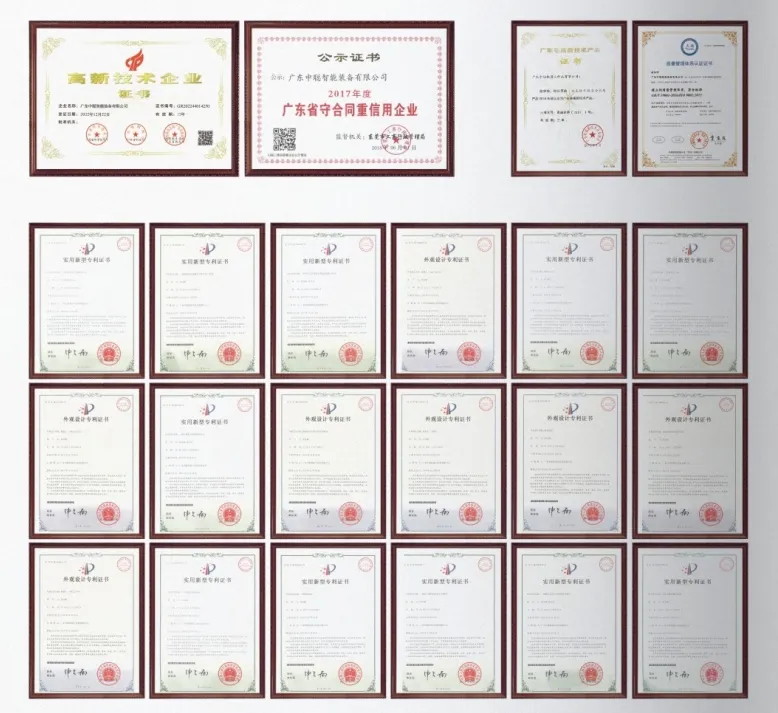
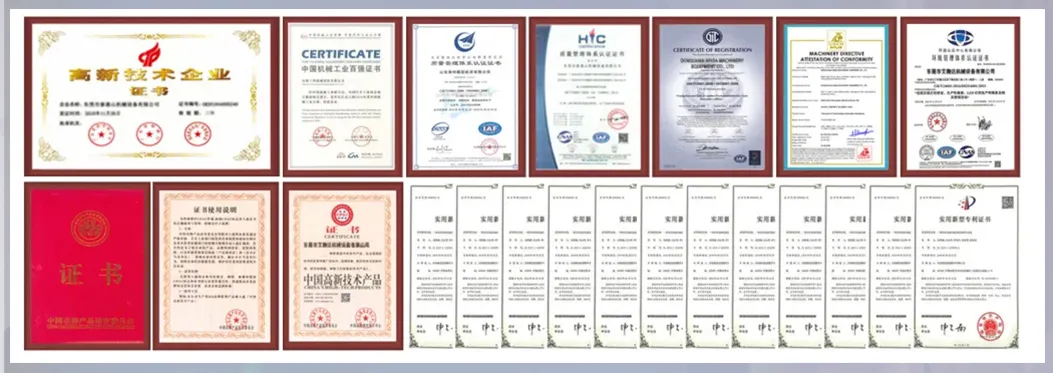
Certification Evidence
📜

Industrial Certificates

Frequently Asked Questions

What materials are used for hydrogen environment compatibility?
We use a specialized Titanium-Palladium Alloy (Grade 19) with a nanocrystalline titanium structure to prevent hydrogen embrittlement.
What is the operating temperature range for these terminals?
The terminals are tested for thermal cycling between -40°C and 150°C, meeting SAE J2601 standards.
Are these components compatible with commercial fuel cell systems?
Yes, they are compatible with Toyota FC Stacks, Ballard HD Modules, and various Chinese PEMFC systems with full interface kits available.
How do you manage chemical resistance in battery cooling systems?
We utilize a Rhodium-iridium anti-catalytic coating and FFKM perfluoroelastomer seals to handle pH ranges from 0-14.
What are the pressure ratings for gas and liquid applications?
Our terminals are rated for 5 Bar in gas environments and up to 1000V in dielectric fluid/liquid environments.
Do you provide custom manufacturing solutions?
Yes, we specialize in multi-step progressive dies and precision metal processing to provide customized models according to client specifications.

Related Products