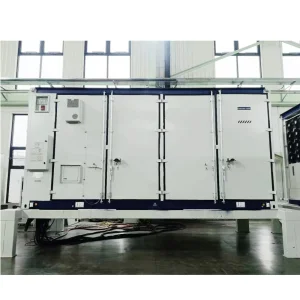
Zap Charger
1 / 5
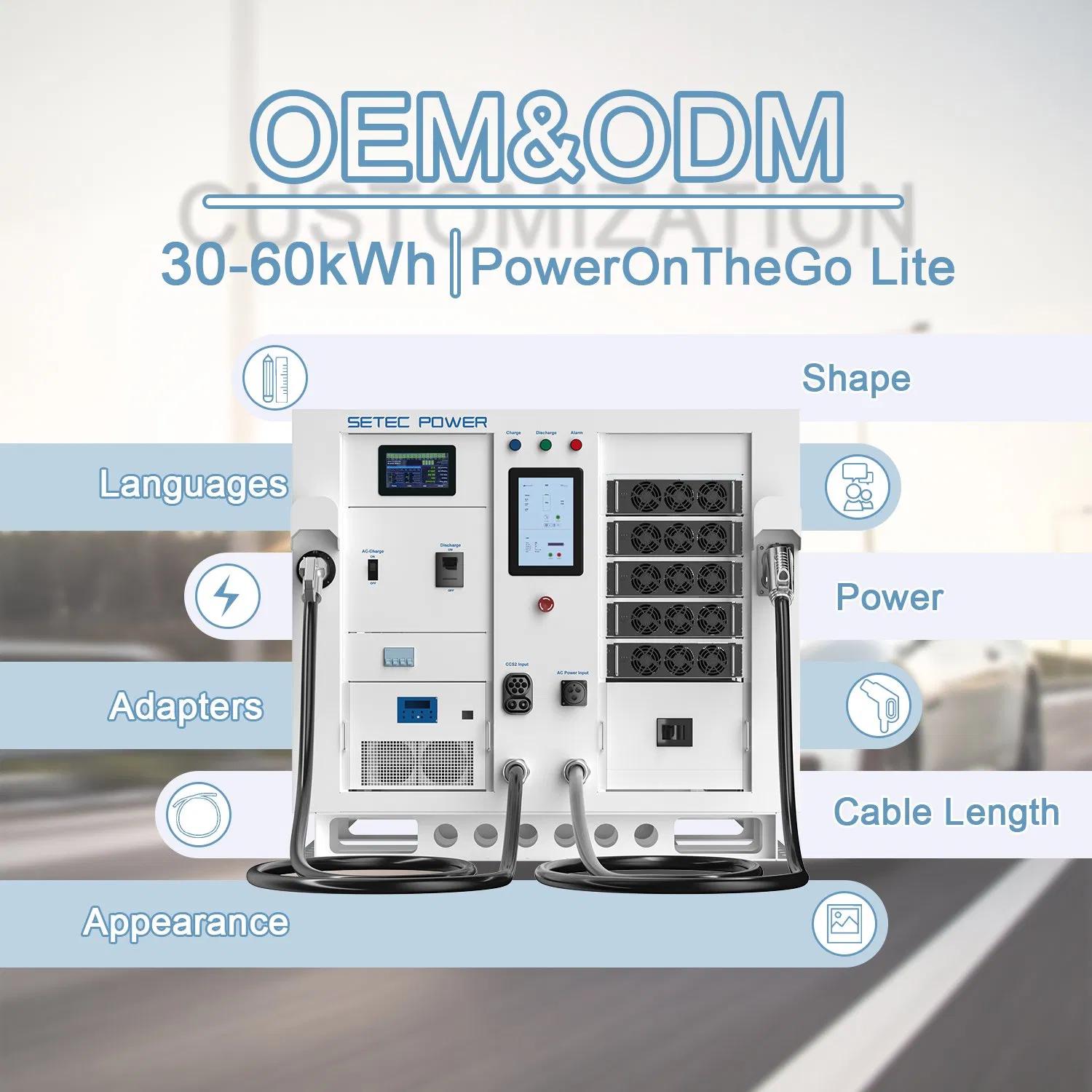
| Specification | Details |
|---|---|
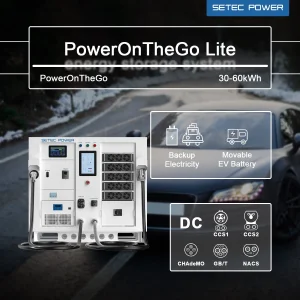
| Output Power | 30kW / 60kW |
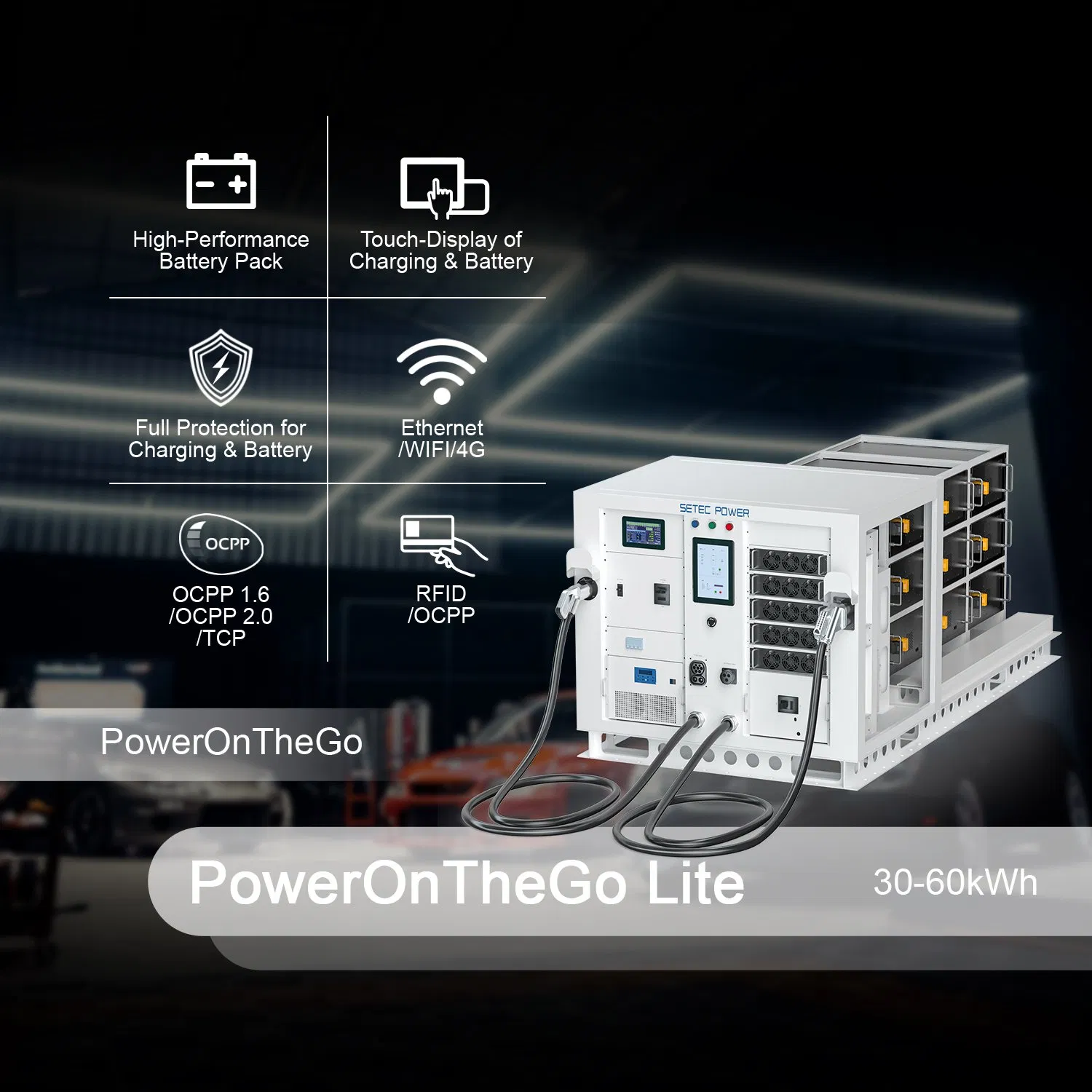
| Battery Type | LFP (Life Span: 6000 cycles) |
| Output Voltage | 307V |
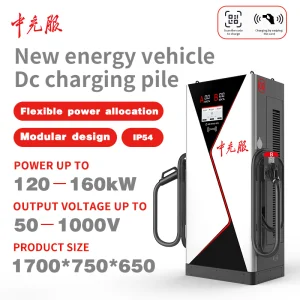
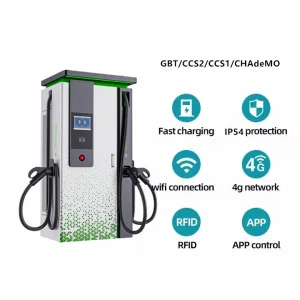
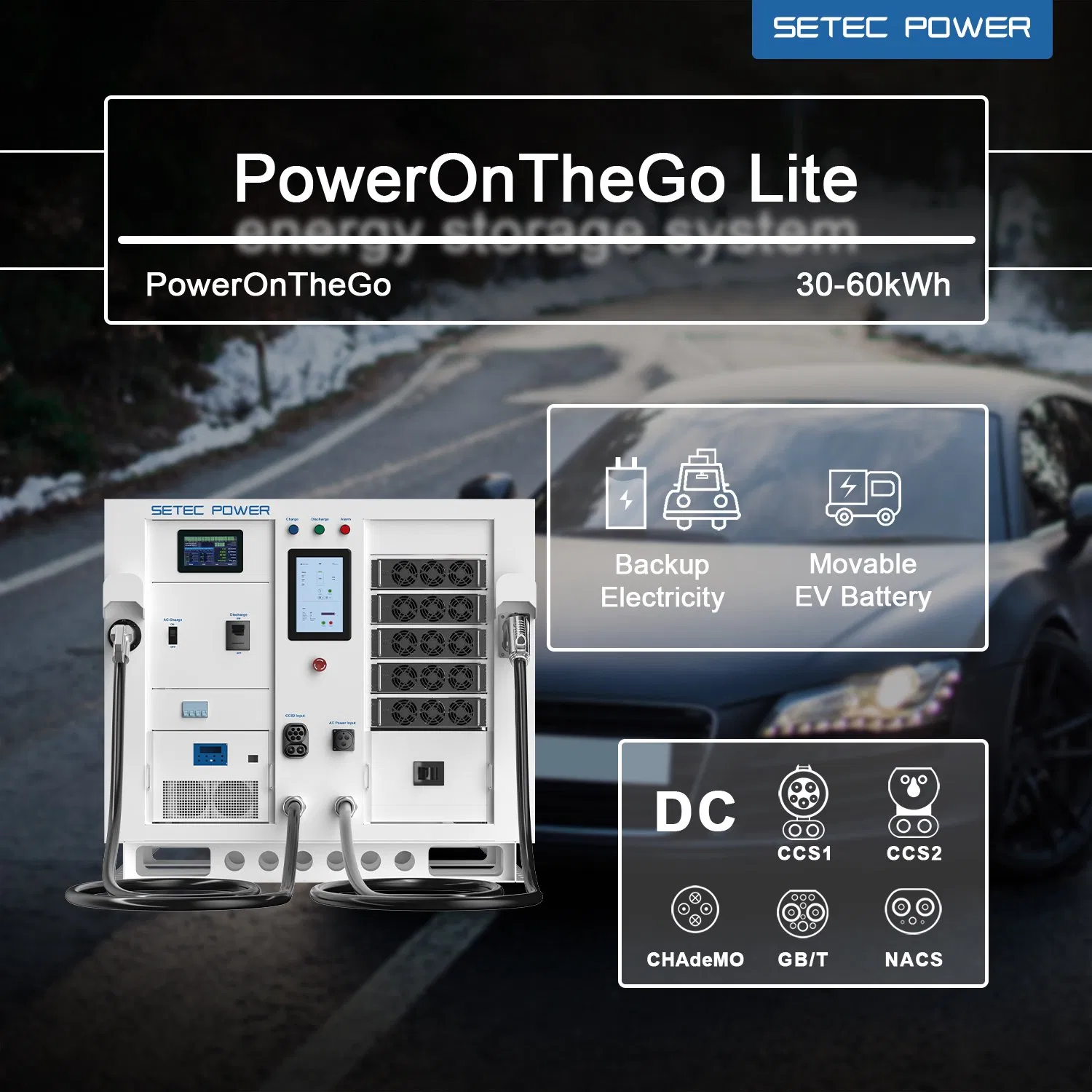
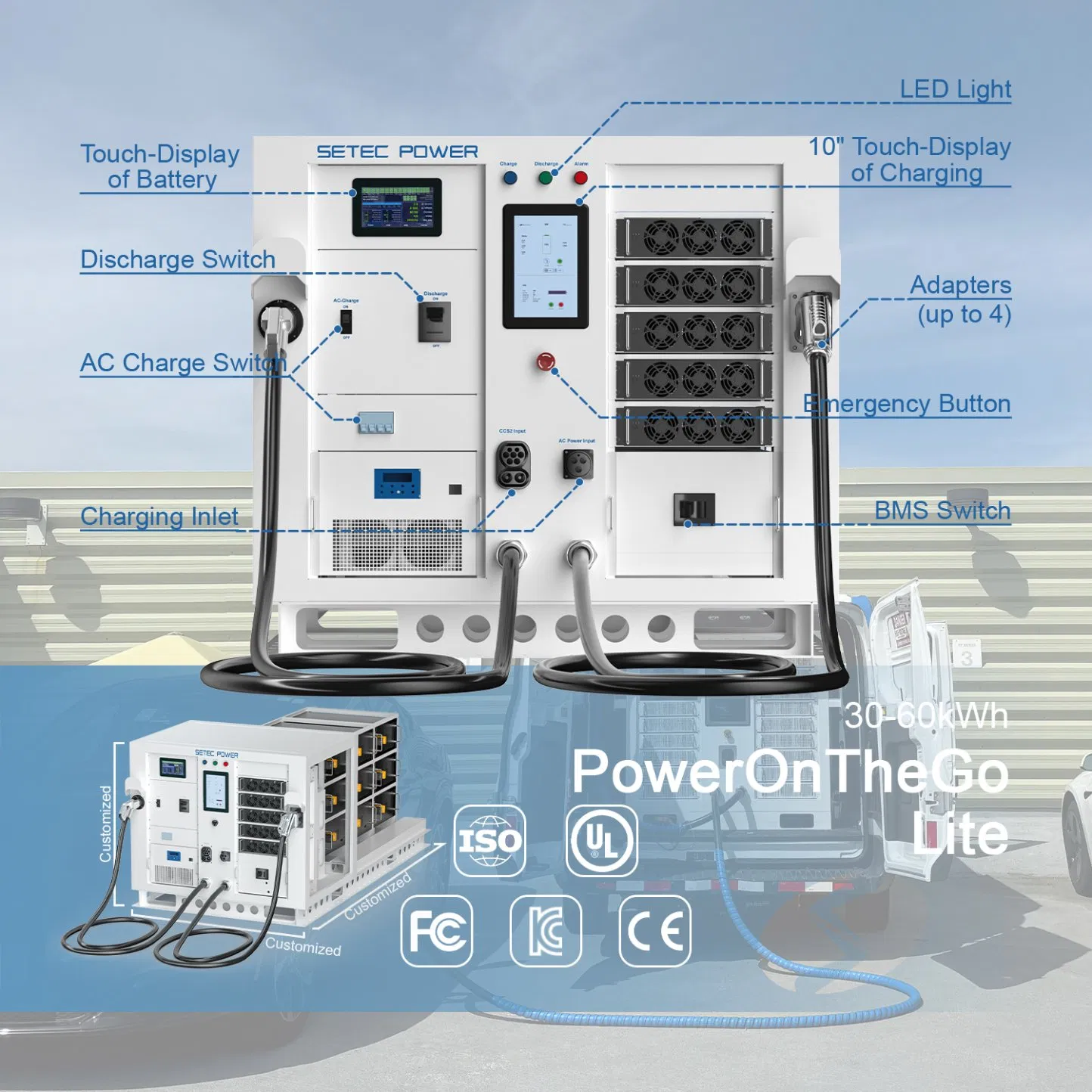
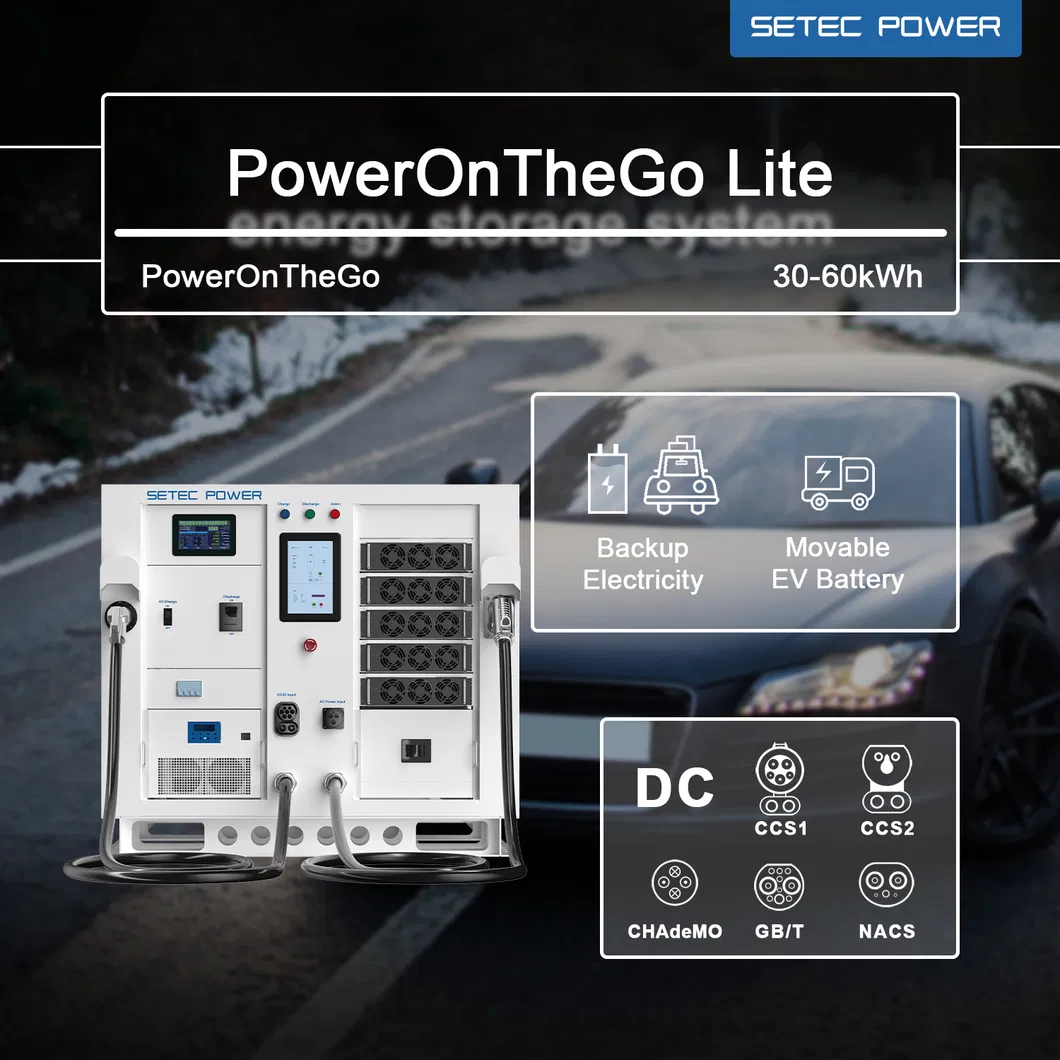
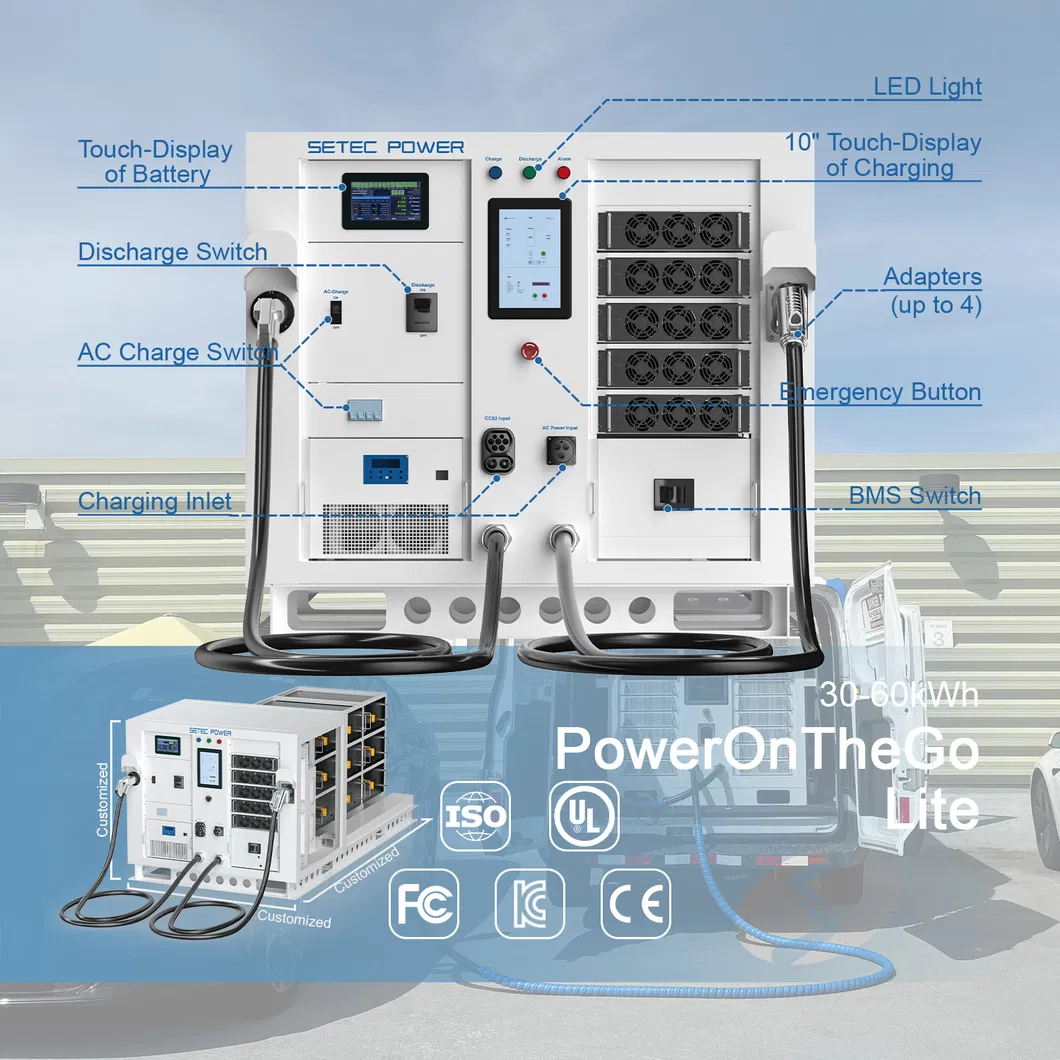
| Input Models | DC/AC Charge (CCS1 / CCS2 / CHAdeMO / GB/T / NACS) |
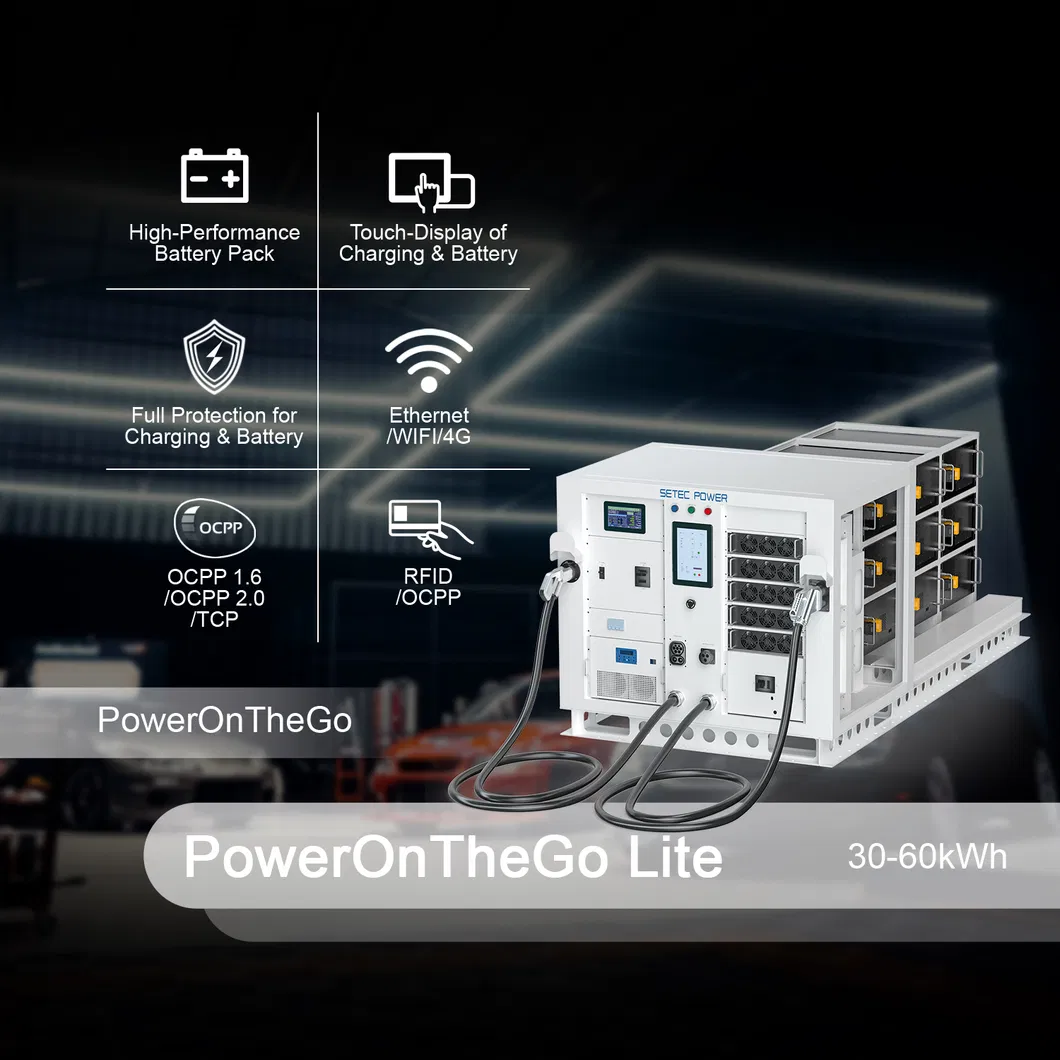
| Network | Ethernet / WIFI / 4G |
| Communication | OCPP 1.6 / OCPP 2.0 / TCP |
| Display | 10" Daylight Readable Touch-Display |
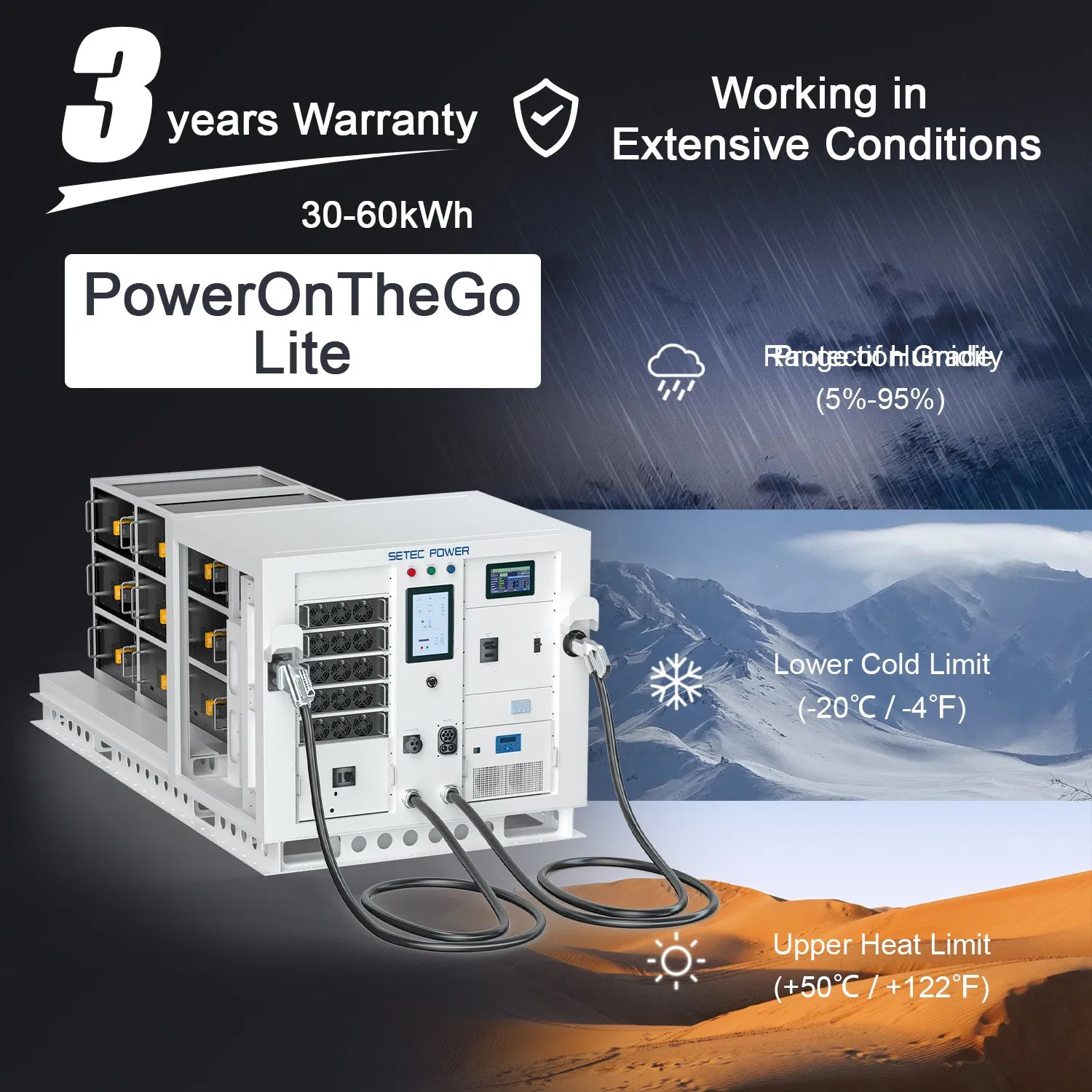
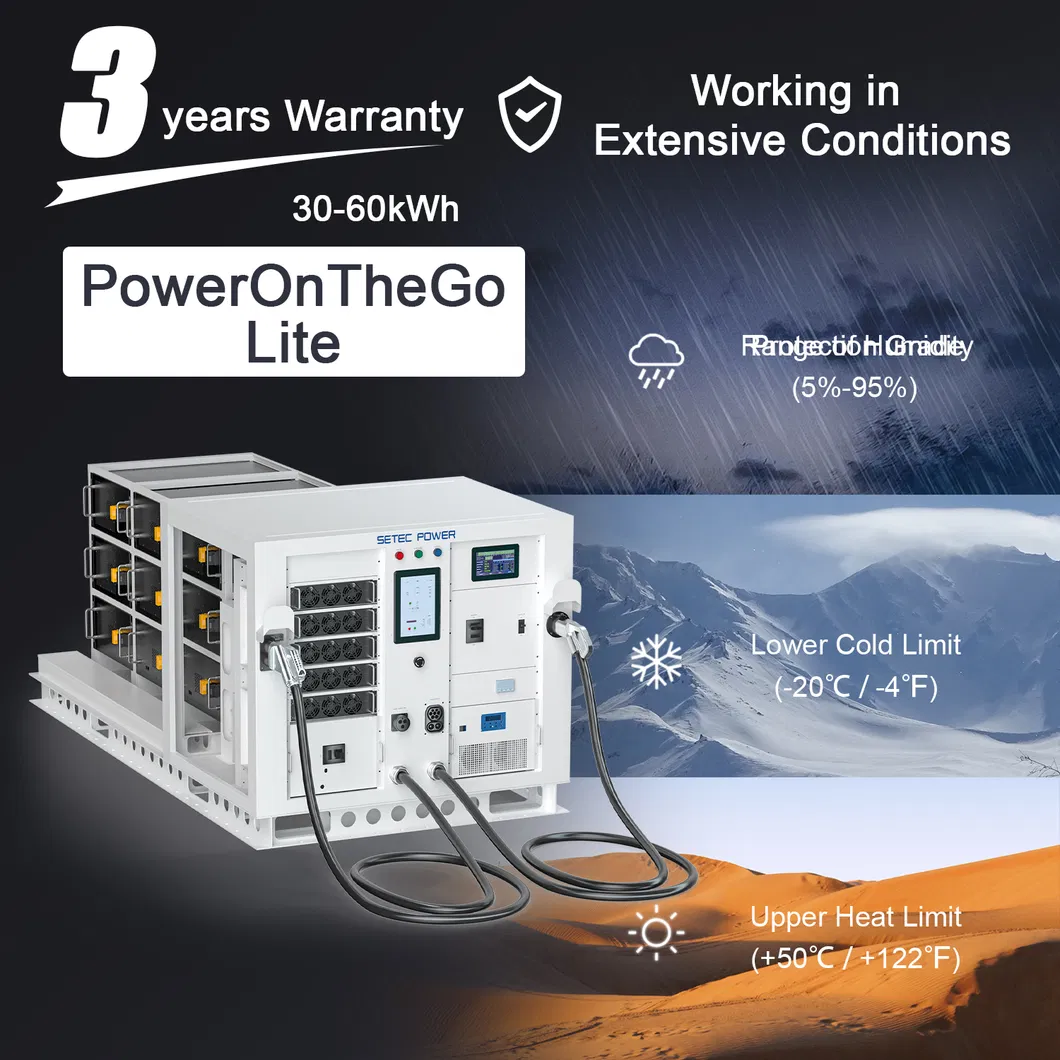
| Operation Temp | -20℃ to +50℃ |
| Warranty | 2 years |
| Cooling Method | Fan Cooling |

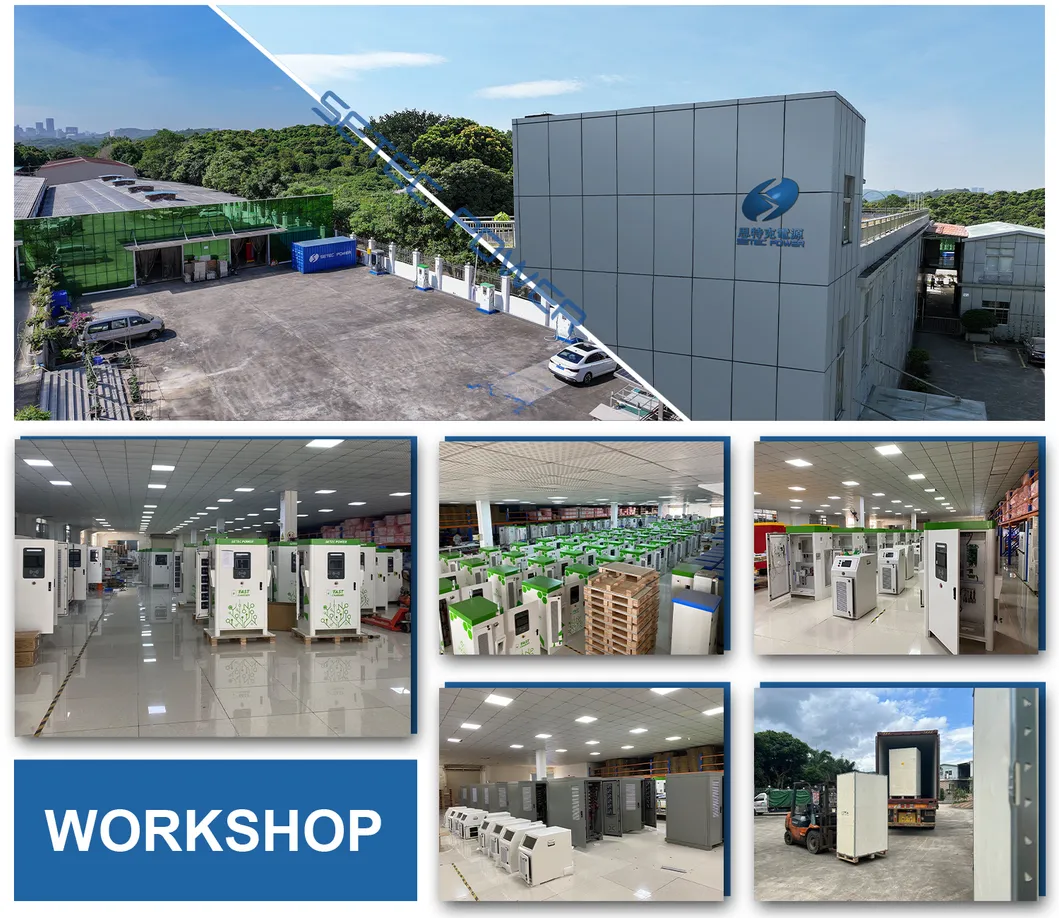
Established in 2004, our company is one of the earliest enterprises dedicated to the research and development of electric vehicle charging stations and customized solutions for their construction and operation. We focus on creating innovative and high-quality products in the field of electric vehicle charging stations and play a leading role in the sustainable development of the industry.
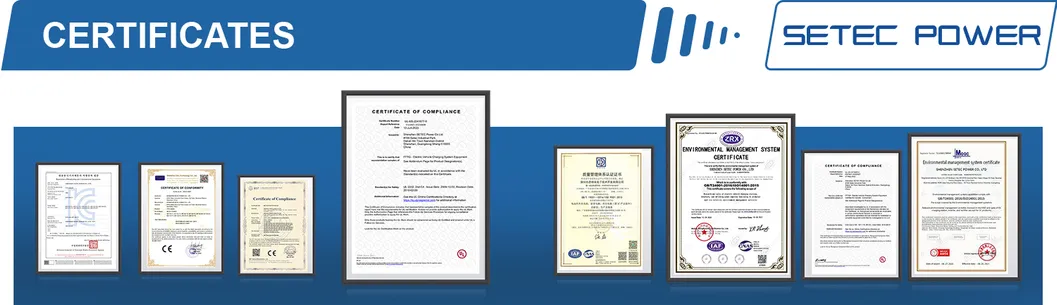
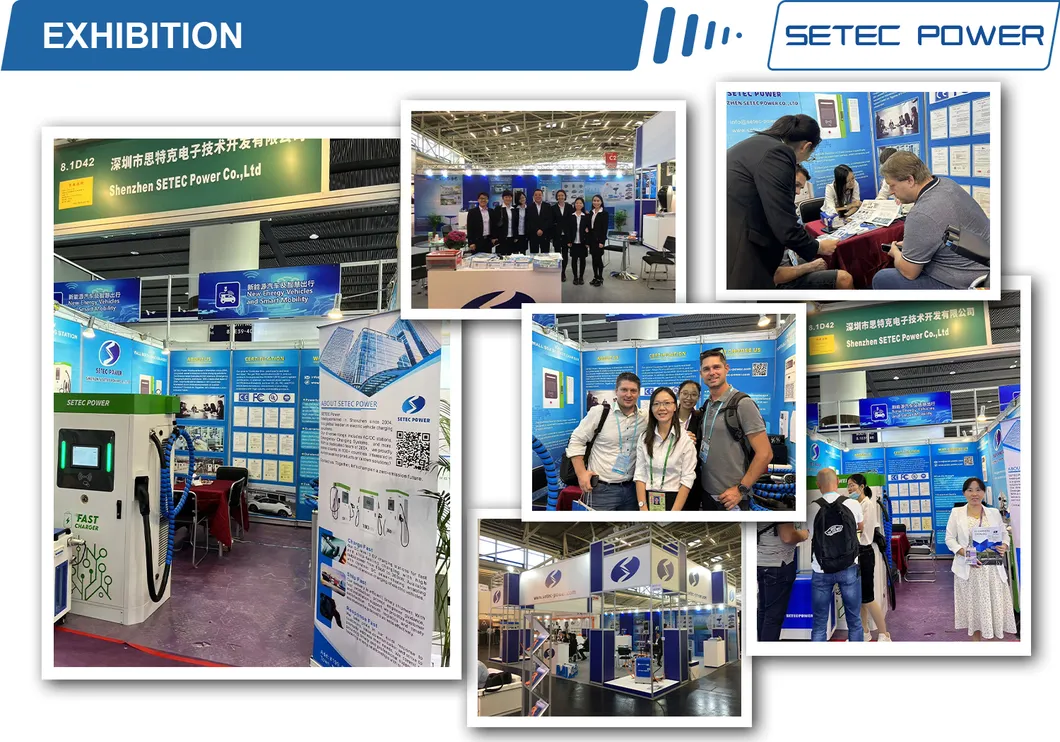
As an industry leader equipped with cutting-edge technology, with 80,000+ square meters of production and R&D facilities, we focus on the entire process of research, development, design, and production of electric vehicle charging equipment, enabling us to obtain numerous system certifications such as UL, CNAS, ISO14001, and ISO9001. Currently, products have been exported to Europe, North America, the Middle East, Asia, Africa, and over 120 countries and regions worldwide.

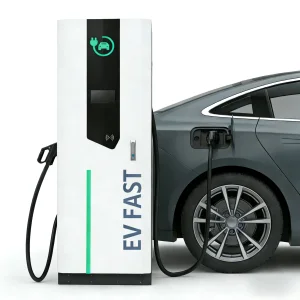
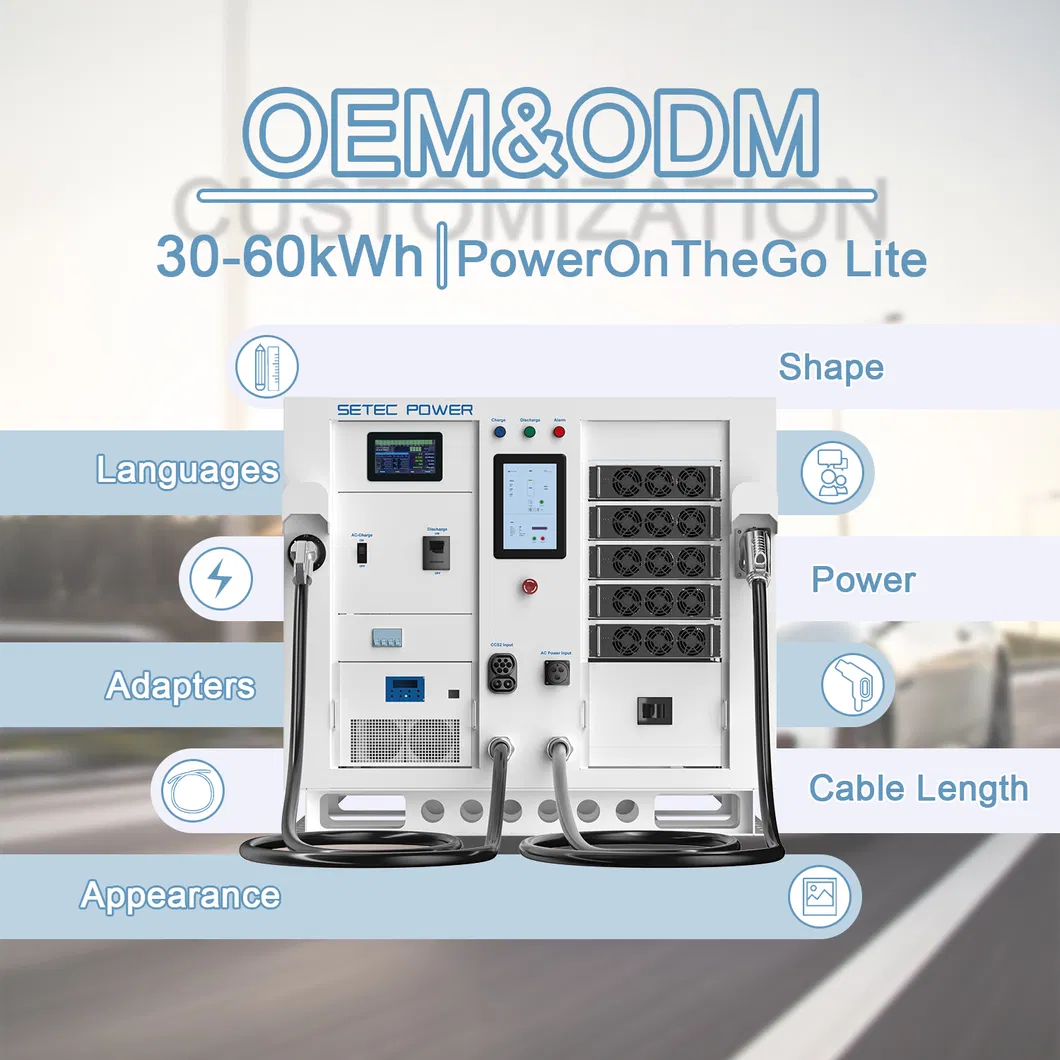
The system supports multiple output adapters including CCS1, CCS2, CHAdeMO, GB/T, and NACS, making it compatible with almost all electric vehicles globally.
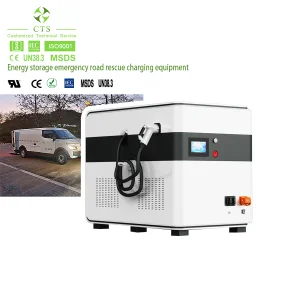
The system utilizes LFP (Lithium Iron Phosphate) batteries, which offer a long life span of approximately 6000 cycles.
Yes, it is designed to operate in temperatures ranging from -20℃ to +50℃ with a working humidity of 5%-95% (without condensation).
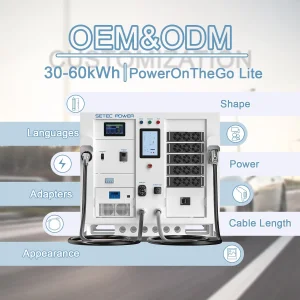
We offer two primary configurations: a 30kWh battery with 30kW output power, and a 60kWh battery with 60kW output power.
Absolutely. The system features Ethernet, WIFI, and 4G connectivity, supporting OCPP 1.6 and OCPP 2.0 protocols for seamless remote monitoring and management.
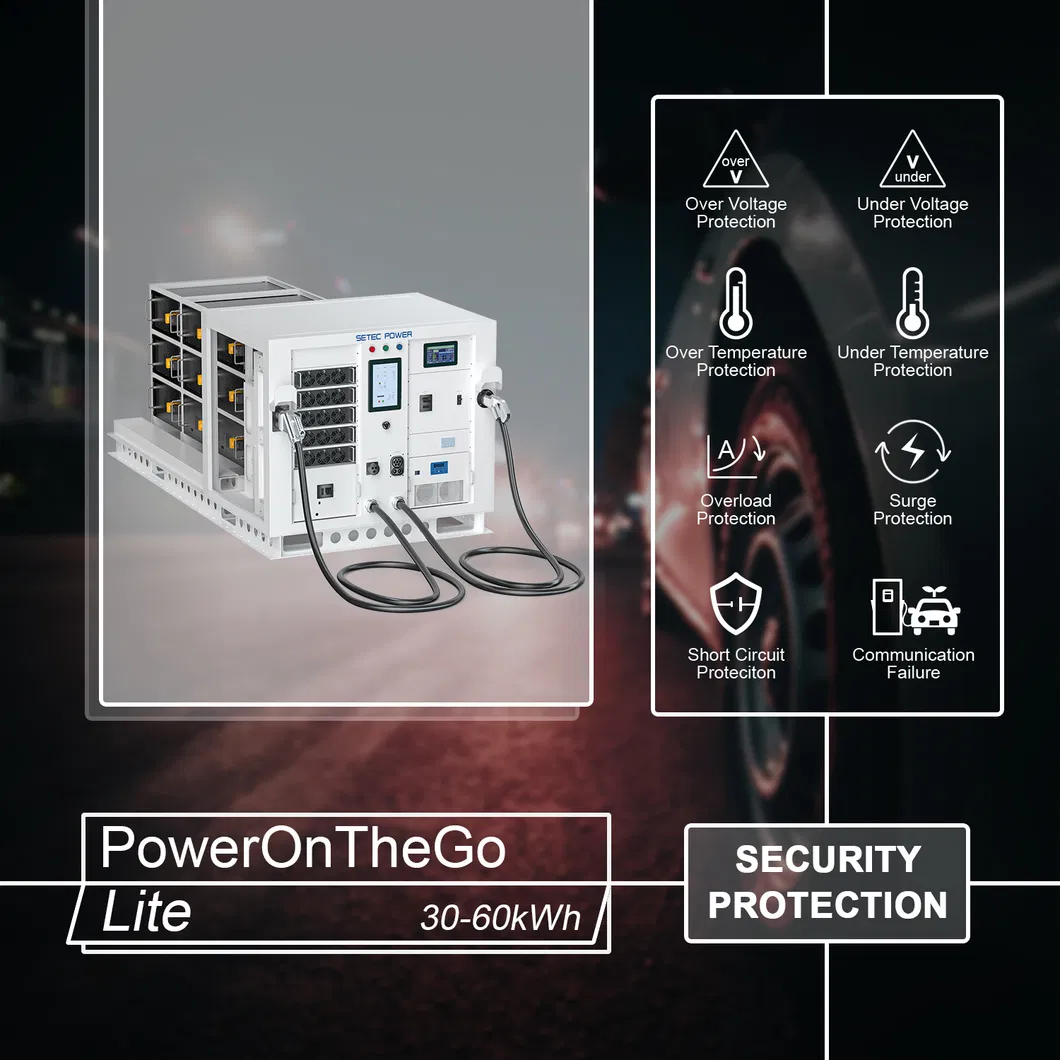
It includes comprehensive protection against over/under voltage, overload, short circuits, surge, and temperature extremes for both the battery cells and the charging circuitry.