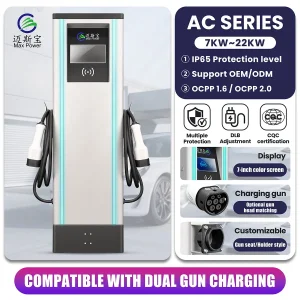
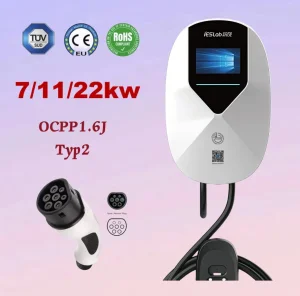
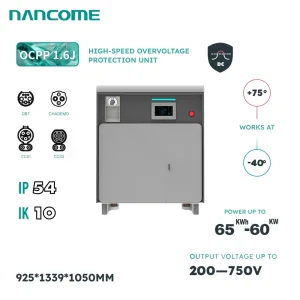
Explore our flagship industrial-grade EV charging hardware, ultra-fast DC stations, dynamic load-balancing power modules, and specialized accessories engineered for global deployment.
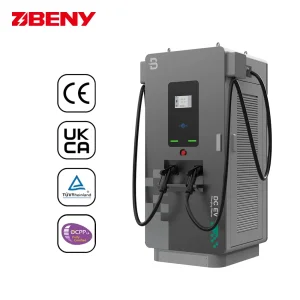

Hangzhou Zap Charger Co., Ltd. is a professional EV charging solutions manufacturer specializing in high-performance connectors, cables, and smart charging systems for the global electric mobility market. Based in Hangzhou, the company benefits from a strong technology ecosystem and advanced manufacturing capabilities, enabling efficient production and continuous innovation.
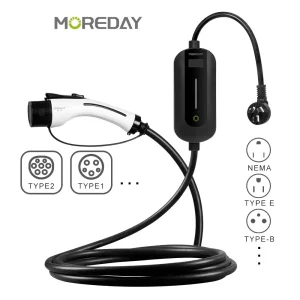
Comprehensive Capability Portfolio: Zap Charger offers a comprehensive product portfolio, including EV charging connectors, AC and DC charging cables, portable chargers, and intelligent charging systems designed for residential, commercial, and public infrastructure applications. All products are engineered with a focus on safety, durability, and compatibility, meeting international standards to ensure reliable performance across different regions and vehicle types.
Driven by a skilled R&D team, the company continuously develops smart charging technologies that enhance energy efficiency, optimize charging performance, and support the growing demand for sustainable transportation. Hangzhou Zap Charger Co., Ltd. also provides flexible OEM and ODM services, allowing clients to customize designs, specifications, and branding to suit specific market requirements.
With strict quality control, competitive pricing, and a customer-oriented approach, Zap Charger is committed to delivering innovative, efficient, and scalable EV charging solutions, building long-term partnerships with distributors, energy providers, and automotive industry clients worldwide.
Electrification of global transportation networks requires transitioning from isolated, localized charging point deployments to holistic, data-driven Charging Infrastructure Planning. Modern charging hubs demand sophisticated system design, multi-megawatt grid connections, integrated battery storage systems (BESS), solar PV coupling, and robust cyber-physical management frameworks. When evaluating leading Tier-1 China EV charging infrastructure manufacturers, enterprise procurement directors and C-level energy strategists must consider multi-layered system integration.
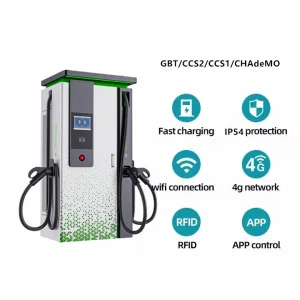
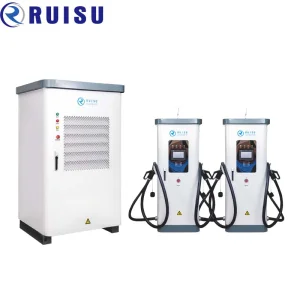
Large-scale deployment of high-power DC fast chargers (120kW to 240kW+) imposes massive peak demand loads on medium-voltage urban networks. Top-tier planning incorporates dynamic Dynamic Load Management (DLM) algorithms, active transformer load shedding, and local storage buffers to mitigate localized transformer overload without requiring costly grid sub-station overhauls.
Future-ready charging stations combine rooftop/carport solar arrays with localized Battery Energy Storage Systems (BESS). Chinese OEM manufacturing leaders engineer modular DC-bus architectures that directly connect PV inverters, storage batteries, and EV power modules—reducing conversion losses and enabling off-grid arbitrage operations.
Global fleet operators cannot afford lock-in scenarios. Planning must mandate strict compliance with open communication standard OCPP (Open Charge Point Protocol) 1.6J and 2.0.1, paired with ISO 15118 (Plug & Charge) support for seamless automated billing, automated handshake protocols, and end-to-end TLS encryption.
The EV charging industry is undergoing a radical paradigm shift driven by wide-bandgap semiconductors, higher vehicle architecture voltages (800V to 1000V platforms), and ultra-fast liquid-cooling technologies. Chinese manufacturing powerhouses like Hangzhou Zap Charger are at the tip of the spear of this technical evolution.
| Technology Pillar | Legacy Benchmark (Generation 2) | Current Market Standard (Gen 3/4) | Next-Gen Frontier (2025-2030 Roadmap) |
|---|---|---|---|
| Power Module Topology | Silicon (Si) IGBT, 15kW/20kW units | Silicon Carbide (SiC) MOSFET, 30kW/50kW | GaN/SiC Hybrid Modules, 60kW+ High Density |
| Charging Voltage Range | 150V - 500V DC (Standard 400V EVs) | 200V - 1000V DC (Native 800V Architecture) | Up to 1500V DC Ultra-Wide Constant Power Output |
| Thermal Management | Forced Air Cooling (High Noise/Dust Sensitive) | Isolated Air Duct / Direct Liquid Cooling Guns | Full Immersion Liquid Cooled Module Enclosures |
| Protocol & Smart Features | Basic OCPP 1.6 (Modbus/RS485 internal) | OCPP 1.6J + ISO 15118-2 PnC Ready | OCPP 2.0.1 + Bi-Directional V2G / V2X (ISO 15118-20) |
| Dispensing Power | 50kW - 120kW Standalone Piles | 180kW - 240kW Modular Fast Stations | Megawatt Charging System (MCS) 600kW - 1.2MW Fleet Hubs |
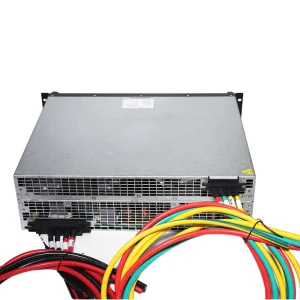
The transition from legacy Silicon IGBTs to Silicon Carbide (SiC) MOSFET switching devices has drastically optimized energy transformation inside DC power modules (such as the 50kW@400VDC / 1000VDC modules). SiC technology reduces internal thermal dissipation, increases switching frequencies beyond 50kHz, and achieves peak conversion efficiencies in excess of 96.5%. This shift delivers direct operational expenditure (OpEx) reductions for network operators handling gigawatt-hour volumes annually.
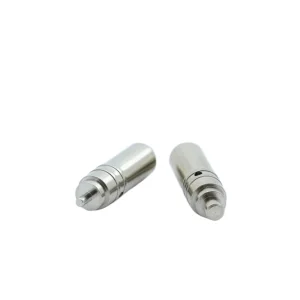
China’s dominance in the global EV charging infrastructure supply chain stems from unprecedented ecosystem integration. From raw copper wire drawing, precision terminal stamping (such as crown spring socket contacts), high-grade silane-crosslinked cable jacket extrusion, to automated Surface Mount Technology (SMT) for control PCBA assembly, Chinese factories offer incomparable scale and quality assurance.
By controlling component sourcing—from raw plastic resins and liquid-cooling pumps to micro-controller chips—manufacturing clusters in Hangzhou minimize lead times to under 3-4 weeks for custom OEM/ODM production runs, drastically beating Western manufacturing timelines.
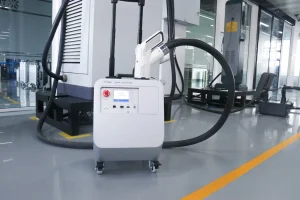
Tier-1 production facilities deploy full automated testing rigs (like the TK4850E DC EV Charging Station Testing Device with integrated load units). Every power station undergoes multi-hour full-load burn-in, IP65 water jet validation, high-voltage insulation dielectric testing, and simulated grid fluctuation strain tests.
End-to-end digital Manufacturing Execution Systems (MES) ensure every component—down to automatic internal fire suppression devices and individual contact pins—is logged via matrix QR codes for full lifecycle traceability during municipal audits.
Global charge point operators (CPOs), commercial real estate developers, and municipal utility providers require tailored hardware configurations to meet distinct regional environments, grid standards, and branding mandates. Hangzhou Zap Charger Co., Ltd. fulfills these demands through flexible, highly modular engineering customization.
| Procurement Pillar | Customization Options Offered | Engineering Standards & Certifications |
|---|---|---|
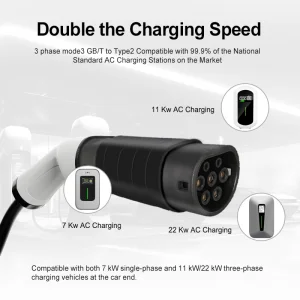
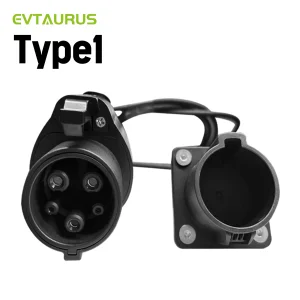
| Connectors & Cables | CCS Type 1, CCS Type 2, GB/T, NACS (SAE J3400), Liquid-cooled cables | IEC 62196-2 / 62196-3, UL 2251, SAE J1772, CE Certified |
| Enclosure Design & Branding | Sheet metal stamping, IP55/IP65 ingress, IK10 vandal resistance, customized vinyl branding & powder coat colors | ISO 9227 Salt Spray Test (>1000 hrs), Anti-UV Coating Standards |
| Embedded Control Electronics | Mainboard Linux control, 4G/5G LTE modems, Wi-Fi/Ethernet, RFID reader integration, MID-approved energy meters | EN 301 489 RED directive, RED/CE, FCC Part 15 Compliance |
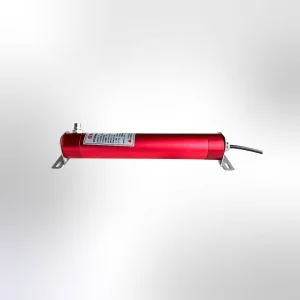
| Special Safety Systems | Internal auto-extinguishing aerosol pods, Type B RCD (30mA AC + 6mA DC), SPD surge protection | IEC 61851-1, IEC 61851-23, CE Safety Compliance |
Navigating international regulatory frameworks is critical for successful charging infrastructure deployment. Strategic planning must address local electrical codes, grid interconnection rules, and cybersecurity legislation across target markets.
Deployments within the EU mandate CE marking under Low Voltage Directive (LVD) and Radio Equipment Directive (RED). Public billing requires MID-certified revenue-grade energy metering, while German markets necessitate compliance with strict Eichrecht calibration law for transparent encrypted billing data.
North American installations require UL 2202 / UL 2594 safety listing and FCC Class A/B electromagnetic testing. With the shift toward Tesla’s North American Charging Standard (NACS / SAE J3400), manufacturers must supply dual-gun CCS1/NACS dynamic dispensers.
As chargers connect via IoT to cloud billing engines, compliance with GDPR (Europe) and California CCPA is vital. Leading hardware features hardware security modules (HSM) for encrypted TLS 1.3 channels, protecting credentials and preventing unauthorized remote firmware exploits.
Comprehensive expert answers covering charging network architecture, OEM sourcing, grid interconnections, and product specifications.
Examine our specialized sub-systems, testing equipment, adapters, power modules, and precision hardware essential for complete EV infrastructure builds.
As global e-mobility accelerates toward zero-emission mandates, establishing robust supply chains with top-tier China manufacturers provides unmatched competitive advantage in hardware reliability, technical agility, and capital cost efficiency. Hangzhou Zap Charger Co., Ltd. stands ready to engineering-partner with international CPOs, distributors, and mobility platforms to build future-proof, scalable charging networks.
 Zap Charger