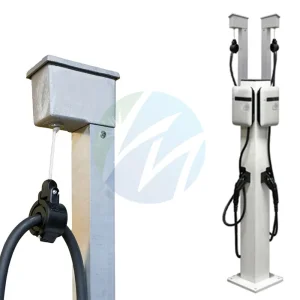
High-performance charging modules, energy management stations, and smart adapters for next-generation vehicle networks.
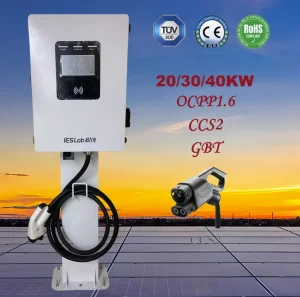
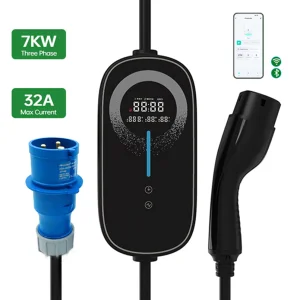
Decentralized networks, grid constraints, and the paradigm shift from basic power delivery to semantic IoT-enabled microgrids.
The global transition to electric mobility has reached an inflection point. No longer is the primary challenge simply deploying hardware. Instead, commercial and industrial stakeholders are facing the complex realities of grid integration, local transmission constraints, and fluctuating energy markets. The contemporary EV charging sector has shifted from "hardware-first" architectures to dynamic, data-driven charging solutions that monitor, predict, and optimize every phase of energy transfer.
In regions such as North America and the European Union, grid modernization cannot keep pace with fleet electrification schedules. For public transport agencies, high-capacity logistics networks, and multi-family residential complexes, drawing raw mega-wattage from traditional substations is cost-prohibitive. This is where China’s manufacturing clusters have pioneered a transition. By integrating edge computing with localized energy storage systems (ESS) and smart power modules, factories are providing high-reliability infrastructure capable of dynamic load balancing, peak shaving, and active harmonic filtering.
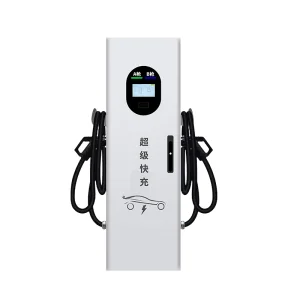
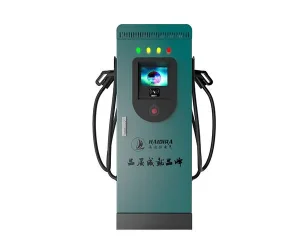
Modern commercial installations require a multi-layered hardware-software synthesis. When raw electricity is fed into a facility, it must navigate local constraints. High-power DC chargers (ranging from 60kW to 240kW and beyond) rely on localized data-gathering loops to avoid costly peak-demand surcharges. Let us examine the technological stack defining this category:
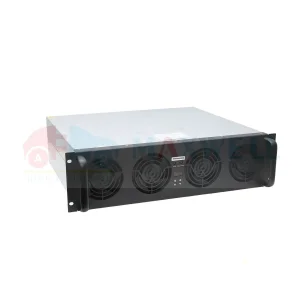
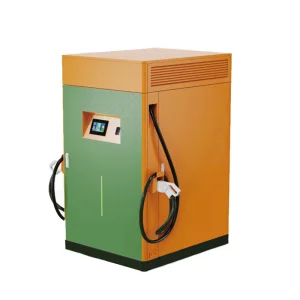
Hot-swappable, high-efficiency power modules (such as 50kW 1000V components) act as the powerhouse. By dynamic software allocation, a single cabinet can automatically redirect power channels to the vehicle with the lowest state-of-charge (SoC).
By pairing Level 2/Level 3 stations with Intelligent UPS and solar battery storage (ESS), charging networks buffer their impact on localized municipal grids, storing cheap off-peak energy for high-speed daytime dispensing.
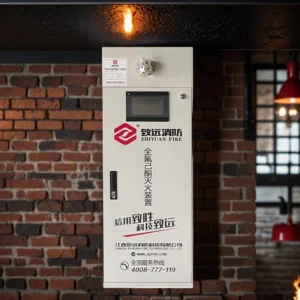
With massive thermal loads comes safety liability. Advanced Chinese manufacturing integrates clean-agent solutions (like Perfluorohexanone) directly into cabinet internals to mitigate thermal runaway instantly, minimizing facility damage.
A Tier-1 Pioneer in Engineered EV Connectors, Custom Cable Harnesses & Intelligent Smart Charging Stations
Hangzhou Zap Charger Co., Ltd. is a professional EV charging solutions manufacturer specializing in high-performance connectors, cables, and smart charging systems for the global electric mobility market. Based in Hangzhou, the company benefits from a strong technology ecosystem and advanced manufacturing capabilities, enabling efficient production and continuous innovation.
Zap Charger offers a comprehensive product portfolio, including EV charging connectors, AC and DC charging cables, portable chargers, and intelligent charging systems designed for residential, commercial, and public infrastructure applications. All products are engineered with a focus on safety, durability, and compatibility, meeting international standards to ensure reliable performance across different regions and vehicle types.
Driven by a skilled R&D team, the company continuously develops smart charging technologies that enhance energy efficiency, optimize charging performance, and support the growing demand for sustainable transportation. Hangzhou Zap Charger Co., Ltd. also provides flexible OEM and ODM services, allowing clients to customize designs, specifications, and branding to suit specific market requirements.
With strict quality control, competitive pricing, and a customer-oriented approach, Zap Charger is committed to delivering innovative, efficient, and scalable EV charging solutions, building long-term partnerships with distributors, energy providers, and automotive industry clients worldwide.
The convergence of complete battery supply chains, vertical component integration, and rapid firmware prototyping.
Sourcing electric vehicle supply equipment (EVSE) from China is no longer merely a low-cost arbitrage strategy. Modern procurers recognize that Chinese manufacturing clusters—specifically located in Zhejiang, Guangdong, and Jiangsu—represent the world's most concentrated centers of power electronics expertise. From high-grade copper extrusion for liquid-cooled cables to the complex algorithmic synthesis of Battery Management System (BMS) communications, Chinese suppliers provide distinct structural advantages:
Tailoring data-driven power architectures to meet unique commercial, logistical, and environmental constraints.
For last-mile delivery vans and municipal transport buses, charging must happen within tight overnight shifts. Smart scheduling software monitors vehicle states-of-charge, allocating peak power dynamically to ensure every route starts fully powered.
Installing high-draw chargers can cause local utility grid overloads. Our intelligent AC/DC chargers utilize dynamic local load-balancing algorithms to distribute power evenly among parking bays, eliminating costly facility electrical upgrades.
For mining sites, remote destinations, and agricultural networks, our Level 2/Level 3 solar-powered off-grid stations integrate with hybrid inverters to store localized renewable solar energy, reducing dependency on diesel generation.
An analysis of next-generation infrastructure, high-voltage vehicles, and smart grid protocols.
As original equipment manufacturers (OEMs) shift vehicle architectures toward 800V and 1000V drivetrains to achieve ultra-fast recharge times, standard charging infrastructure must evolve. The era of static 50kW chargers is being replaced by high-power, modular liquid-cooled dispensers capable of outputting up to 350kW or 480kW. These systems operate with continuous thermal monitoring to prevent safety compromises.
Furthermore, Vehicle-to-Grid (V2G) and Vehicle-to-Everything (V2X) bidirectional communication frameworks are moving from pilot programs to mainstream deployment. Using protocols like ISO 15118, the connected EV is transformed from a passive electrical load into a mobile energy storage asset. Fleet operators can discharge parked vehicles back to the facility grid during high-tariff periods, creating new revenue streams and offsetting facility operating expenses.
Concurrently, cybersecurity protocols at the charger edge are receiving scrutiny. Because modern chargers act as internet-connected IoT devices processing payment data, vehicle diagnostic data, and grid command sets, manufacturers must implement secure hardware elements. This includes cryptographically secured bootloaders and automated, over-the-air (OTA) firmware updates to safeguard against unauthorized access.
Evaluating compliance, engineering safety, and total cost of ownership (TCO) in industrial partnerships.
When purchasing equipment for large-scale municipal, utility, or logistical networks, enterprise buyers must evaluate beyond baseline unit pricing. An optimized procurement strategy addresses long-term performance, regulatory compliance, and system safety:
Ensure your prospective supplier holds certified test documentation for target regions (CE, RoHS, FCC, UL, and TÜV). Non-certified equipment can lead to insurance voids and installation delays during local municipal inspections.
Ensure power module matrices support sub-allocation granularity (e.g., distributing power in 10kW or 20kW increments rather than static blocks). This reduces energy waste and maximizes simultaneous charging operations.
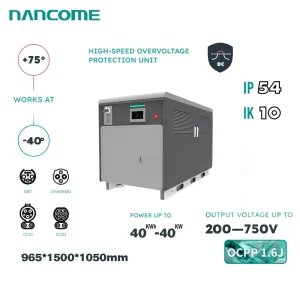
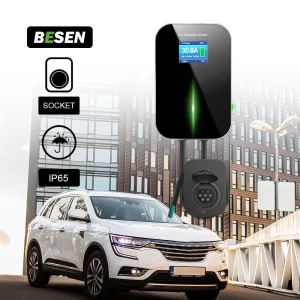
Commercial equipment must endure harsh climates. Specify IP54/IP55 or higher ingress ratings, IK10 impact resistance ratings, anti-corrosion treatments, and built-in surge protections (SPD Type II) for long life cycles.
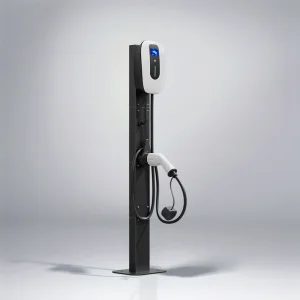
Industrial-grade charging stations, flexible wallboxes, and specialized safety components.
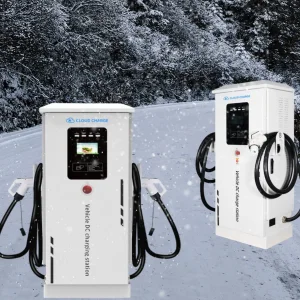
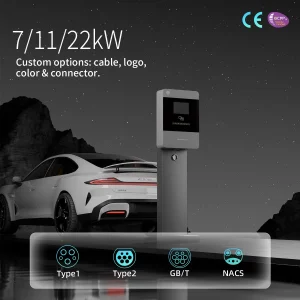
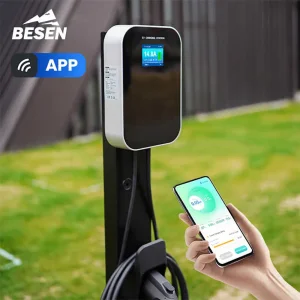
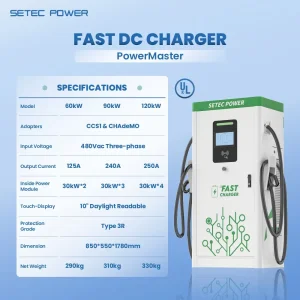
Technical explanations regarding our charging solutions, OEM capabilities, and deployment architecture.
Dynamic load balancing uses intelligent algorithms that measure the total real-time energy usage of a facility. When total demand nears the facility's power capacity threshold, the charger controller automatically adjusts output to each connected vehicle according to factors like priority level or current state-of-charge, avoiding power grid overloads.
Yes. Through our OEM and ODM services, we offer customized solutions including system branding, housing modifications, and tailored communications protocols. The equipment fully integrates with OCPP 1.6J and 2.0.1, allowing you to link hardware with any cloud-based central management platform or back-office system.
Our cabinets are equipped with built-in clean-agent fire suppression systems (utilizing Perfluorohexanone). If sensors detect temperatures above limit thresholds, the system discharges clean gas to cool the components and suppress fire risks, keeping property damage and downtime minimal.
Yes. Our product range includes smart energy storage solutions and off-grid configurations that integrate with hybrid solar inverters. This allows operators to run on a blend of local solar generation, stored battery power, and standard grid utility.
 Zap Charger