Namibia is on the cusp of an energy revolution. Backed by the government's ambitious Harambee Prosperity Plan II and significant global investments in green hydrogen projects near Lüderitz and the Erongo region, electric mobility is transitioning from a conceptual future to an active commercial reality. The unique geographic layout of Namibia—stretching across vast distances with major hubs like Windhoek, Walvis Bay, Swakopmund, and Oshakati—demands robust, long-range EV infrastructure capable of sustaining high heat, dust, and varying grid stability.
Commercial fleets, logistics networks transit routing to neighboring landlocked SADC countries via the Walvis Bay Corridor, and eco-tourism safari lodges are actively seeking infrastructure solutions. However, building an EV charging network in Namibia presents distinct environmental and electrical challenges. Extreme daily temperature fluctuations ranging from near-freezing in the Namib desert nights to 45°C during summer days place heavy thermal stress on vehicle charging pins. Dust ingress from Kalahari sands can easily erode contact pins, resulting in resistance spikes and catastrophic component failures.
Plugs must withstand extreme desert ambient temperatures without degradation. Our products feature high-performance thermoplastic shells and silver-plated copper contacts to minimize thermal dissipation.
IP67 and IP55 protection ratings ensure dust storms and sporadic heavy downpours in the north do not penetrate core electrical connections, ensuring operational continuity for public networks.
Designed with integrated protection circuitry and robust grounding pathways to handle minor voltage drops and harmonic disturbances characteristic of outlying rural distribution lines in Namibia.
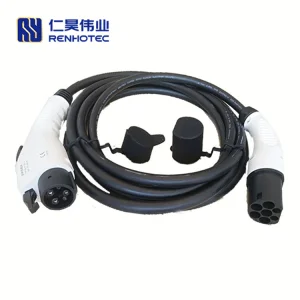
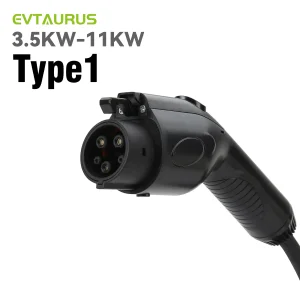
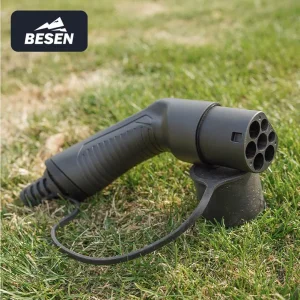
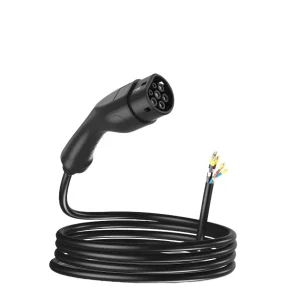
Namibia aligns primarily with Southern African regional standards, which closely mimic European automotive regulations. For AC charging, the IEC 62196-2 Type 2 (Mennekes) standard is the predominant interface. However, because of the influx of second-hand imports from Japan and direct parallel imports from North America, commercial operators frequently encounter vehicles featuring the SAE J1772 Type 1 interface. Maintaining compatibility across these dual architectures is vital for hotel groups, municipality charging hubs, and fleet logistics facilities.
| Plug Type / Interface | Standard Compatibility | Max Voltage / Current | Common Use Case in Namibia | Key Environmental Rating |
|---|---|---|---|---|
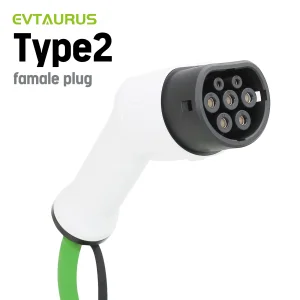
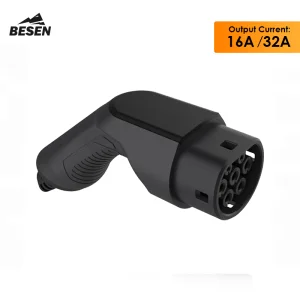
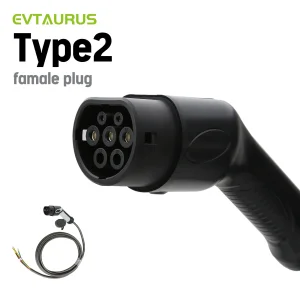
| Type 2 Female (IEC 62196) | EN 62196-2 / CE / TUV | 480V AC / up to 32A (3-Phase) | Public Commercial AC Chargers (Windhoek/Swakopmund) | IP55 (Mated) / IP67 (Connector Head) |
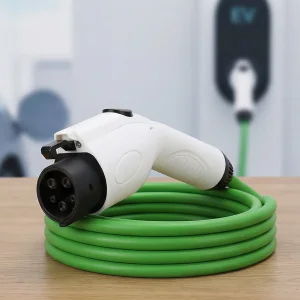
| Type 1 Male/Female (SAE J1772) | UL2251 / TUV | 250V AC / up to 48A/50A (1-Phase) | Japanese imported EVs & custom conversions | High resistance to UV degradation |
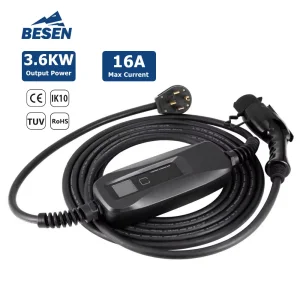
| Mode 2 Portable & Schuko | IEC 61851-1 | 230V AC / up to 16A | Emergency charging for safari lodges & off-grid setups | Over-temperature control on mains plug |
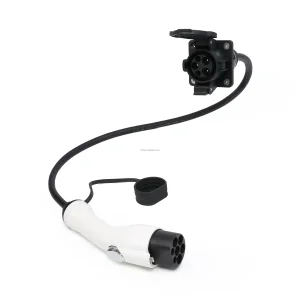
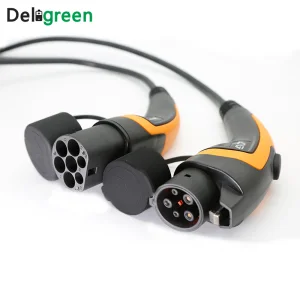
By deploying multi-standard cables (such as Type 2 to Type 1 adaptors and robust three-phase Type 2 cables), operators can build future-proof charging installations. Zap Charger's engineering focus is on mitigating contact resistance. Our copper alloy pins are coated with a 5-micrometer silver plating, exceeding standard industry thicknesses, which ensures excellent conductivity over 10,000+ insertion cycles, even when exposed to abrasive sand particulates.
Insertion Durability Cycles
Exporting Destinations Globally
Highest Dust/Water Proof Rating
TUV & CE Certified Compliance
Different industries require highly specialized solutions to maximize investment return (ROI) and minimize downtime. Zap Charger provides custom systems across the following core sectors in Namibia:
Operating in ultra-harsh environments like the Namib Desert, mining utility vehicles require ruggedized EV connectors with IK10 impact protection, chemical-resistant TPU cables, and heavy-duty protective caps to resist physical damage and corrosive dust.
Eco-lodges located in Sossusvlei, Etosha, or the Kunene region rely primarily on PV solar arrays paired with battery energy storage systems (BESS). Our high-efficiency charging cables maximize every kilowatt of solar energy via smart pilot-signal communication protocols.
Courier services and municipal transport systems operating in Windhoek demand rapid AC turnaround times. Utilizing three-phase Type 2 connectors capable of delivering 22kW ensures vehicles spend less time charging and more time on the road.
As an experienced global factory, Hangzhou Zap Charger Co., Ltd. provides customized design and labeling services (OEM/ODM). We assist our Namibian distributors in branding these high-performance cables and connectors to showcase local warranty support, reinforcing local customer confidence and brand equity.
The global EV industry is evolving rapidly, moving towards smart grid integration and bidirectional charging. For Namibian buyers, selecting cables and sockets that support these next-generation protocols is essential to prevent rapid technological obsolescence. All Zap Charger connections are built using strict international protocols, ensuring full support for ISO 15118 (Plug & Charge) and OCPP (Open Charge Point Protocol)-compatible wall boxes.
In addition to software compatibility, raw material quality remains our core differentiator. Standard PVC cables easily crack and stiffen under intense ultraviolet light exposure. We formulate our cables using specialized Thermoplastic Polyurethane (TPU) sheathing, which offers superior UV stability, outstanding abrasion resistance, and remains highly flexible across a wide temperature range (-30°C to +50°C).
Hangzhou Zap Charger Co., Ltd. is a professional EV charging solutions manufacturer specializing in high-performance connectors, cables, and smart charging systems for the global electric mobility market. Based in Hangzhou, China, the company benefits from a strong technology ecosystem and advanced manufacturing capabilities, enabling efficient production and continuous innovation.
Zap Charger offers a comprehensive product portfolio, including EV charging connectors, AC and DC charging cables, portable chargers, and intelligent charging systems designed for residential, commercial, and public infrastructure applications. All products are engineered with a focus on safety, durability, and compatibility, meeting international standards to ensure reliable performance across different regions and vehicle types.
Driven by a skilled R&D team, the company continuously develops smart charging technologies that enhance energy efficiency, optimize charging performance, and support the growing demand for sustainable transportation. Hangzhou Zap Charger Co., Ltd. also provides flexible OEM and ODM services, allowing clients to customize designs, specifications, and branding to suit specific market requirements. With strict quality control, competitive pricing, and a customer-oriented approach, Zap Charger is committed to delivering innovative, efficient, and scalable EV charging solutions, building long-term partnerships with distributors, energy providers, and automotive industry clients worldwide.
A: The official and most widely utilized standard for public AC charging stations in Namibia is the IEC 62196 Type 2 standard (Mennekes). However, for privately imported cars from North America or Japan, Type 1 (SAE J1772) is also frequently observed. Our factory supplies both variations, alongside custom adapters, to ensure total compatibility.
A: Our plugs are engineered with advanced thermoplastic materials rated for continuous operation at elevated temperatures. The contacts are pure copper with heavy silver plating, ensuring minimal contact resistance and thermal generation. Additionally, we offer optional thermal sensor integration within the plug head to automatically scale back charging current in case of excessive ambient heat.
A: Absolutely. Our plugs and Mode 2/3 cables are fully compliant with variable power inputs. They communicate efficiently with smart wallboxes that support dynamic current adjustment, enabling operators to match the charging output with real-time solar generation curves.
A: All our charging components carry international TUV, CE, and RoHS certifications. We design our items to fully align with SANS (South African National Standards) and SABS guidelines, which are the recognized regulatory baselines for electrical hardware imports into Namibia.
A: Yes. We offer comprehensive OEM/ODM services. We can customize cable lengths, jacket colors (e.g., highly visible safety green), and laser-etch your company logo or local warranty helpline numbers directly onto the connector housing.
A: Standard manufacturing lead time for wholesale orders is typically 15–20 days. Ocean freight from our closest shipping hubs in China to the Port of Walvis Bay generally takes 30–35 days, depending on shipping line routing. We also offer air freight services for urgent component requirements.
 Zap Charger