Hangzhou Zap Charger Co., Ltd. is a professional EV charging solutions manufacturer specializing in high-performance connectors, cables, and smart charging systems for the global electric mobility market. Based in Hangzhou, the company benefits from a strong technology ecosystem and advanced manufacturing capabilities, enabling efficient production and continuous innovation.
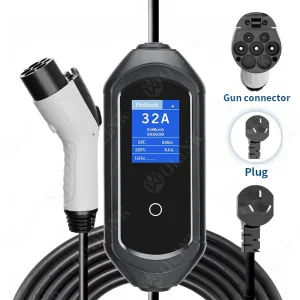
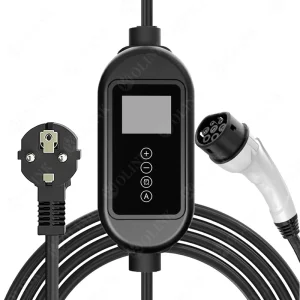
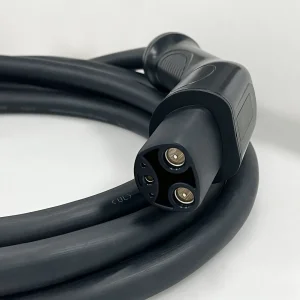
Zap Charger offers a comprehensive product portfolio, including EV charging connectors, AC and DC charging cables, portable chargers, and intelligent charging systems designed for residential, commercial, and public infrastructure applications. All products are engineered with a focus on safety, durability, and compatibility, meeting international standards to ensure reliable performance across different regions and vehicle types.
Driven by a skilled R&D team, the company continuously develops smart charging technologies that enhance energy efficiency, optimize charging performance, and support the growing demand for sustainable transportation. Hangzhou Zap Charger Co., Ltd. also provides flexible OEM and ODM services, allowing clients to customize designs, specifications, and branding to suit specific market requirements.
With strict quality control, competitive pricing, and a customer-oriented approach, Zap Charger is committed to delivering innovative, efficient, and scalable EV charging solutions, building long-term partnerships with distributors, energy providers, and automotive industry clients worldwide.
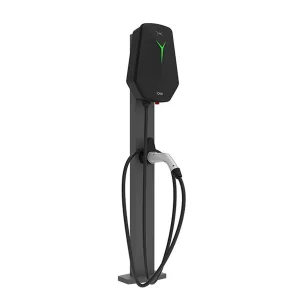
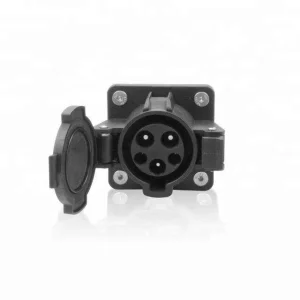
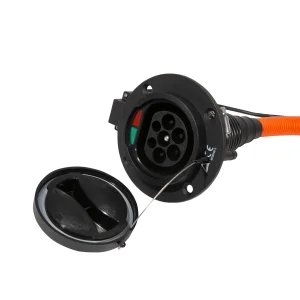
Premium Grade Type 1, Type 2, and GB/T Modules Engineered to Exact Industrial Requirements

Exporting Countries & Regions
Certifications (CE, RoHS, UL, FCC)
Liquid-Cooled Modules Capability
R&D and OEM Customization Experience
How the Integration of Photovoltaic Generation and Battery Energy Storage Systems (BESS) is Redefining Public and Industrial Grids Globally.
The global transportation sector is undergoing a rapid transition toward absolute decarbonization. This transition demands a massive increase in electric vehicle charging infrastructure. However, simply shifting vehicle emissions to regional fossil-fuel-powered grids does not achieve net-zero goals. To meet global climate targets, modern infrastructure must move toward renewable-energy-integrated EV charging networks.
By integrating locally generated renewable energy—primarily solar photovoltaics (PV)—with electric vehicle supply equipment (EVSE) and stationary energy storage systems (BESS), operators can reduce grid congestion and lower operational costs. As a leading renewable energy charging manufacturer, Zap Charger designs products that support these advanced microgrid integration profiles. This includes high-power modules and smart charging stations that adapt dynamically to local generation and load demands.
"The core challenge of next-generation EV infrastructure is not just power delivery, but power synchronization. The transition from grid-reliant systems to localized renewable charging microgrids requires specialized, communicative hardware that bridges the gap between power grids and electric vehicles."
Commercial and industrial (C&I) organizations face strict regulatory mandates and rising carbon fees. This pressures operators to convert company fleets to electric vehicles. Implementing a fleet charging hub introduces complex power demands that can exceed grid limits.
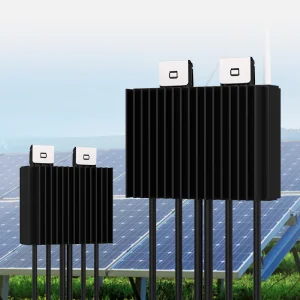
To address these limitations, C&I sites are implementing solar carports, on-site energy storage, and smart load management software. This allows facility managers to draw power from local solar arrays during peak generation times and discharge battery storage during periods of high grid tariffs.
Developing a robust EV charging station requires hardware components built to withstand high continuous currents and environmental wear. Connectors and cables must be designed for low electrical resistance to prevent thermal runaway.
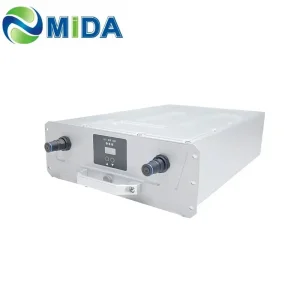
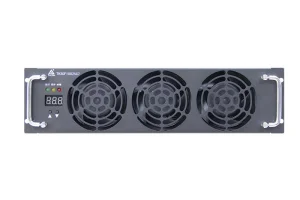
Advanced DC charging stations rely on high-efficiency power modules. Hangzhou Zap Charger Co., Ltd. designs and manufactures high-density power modules, including liquid-cooled options, that deliver high conversion efficiency (over 95%). Liquid-cooled systems isolate sensitive electronic components from ambient dust and moisture, extending operational life in harsh environments.
Discover the core engineering principles that power our renewable-ready charging hardware globally.
Our 40kW DC-DC power modules utilize advanced liquid cooling technology to isolate components from dust, moisture, and corrosive air, maintaining thermal efficiency even at extreme ambient temperatures.
Intelligent power allocation distributes available capacity dynamically across multiple outputs, helping station owners prevent grid overloads without installing expensive grid upgrades.
All hardware complies with international safety and performance standards (CE, RoHS, SAE J1772, IEC Type 2, GB/T, NACS), ensuring compatibility and reliable operation across global markets.
EV charging infrastructure is not a one-size-fits-all product. Different physical sites demand customized installations, varying electrical ratings, and specific connectivity standards.
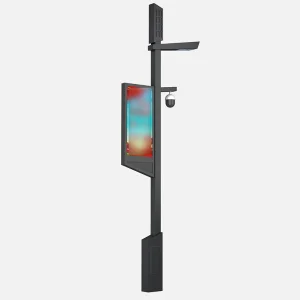
Urban environments face limited real estate for dedicated charging hubs. Integrated Smart City Intelligent Light Pole Systems resolve this issue by consolidating public lighting, environmental monitoring, security cameras, and AC charging outlets into one municipal pole. This multi-functional design optimizes urban space, simplifies municipal grid connections, and provides convenient charging access for street-parked EVs.
In remote tourist destinations, national parks, and highway rest stops with constrained grid connections, off-grid solar-powered EV stations offer a reliable charging solution. These installations couple a high-efficiency PV canopy with battery storage and Level 2 AC or DC chargers. The station operates independently of the utility grid, ensuring reliable charging for travelers in remote areas.
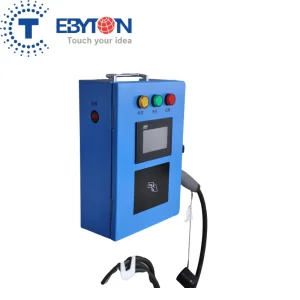
For homes and commercial depots, space and safety are primary concerns. Wall-mounted vehicle charging enclosures offer a clean, space-saving design that protects internal power electronics from rain, dust, and tampering. Equipped with dynamic load balancing, these wall units adjust vehicle charging speeds based on the building's real-time power consumption, preventing circuit breakers from tripping during peak load hours.
Global Grid Standards Compatibility: Our manufacturing division tailors designs for North America (UL, SAE J1772, NACS), Europe (CE, IEC Type 2), and East Asia (GB/T), ensuring compliance with local grid codes and safety regulations.
Looking ahead to 2030, the EV charging market is moving toward high-power density and bidirectional power flow. Zap Charger's R&D team is prioritizing the following development cycles:
Answers to common technical, manufacturing, and configuration questions from engineering partners worldwide.
Liquid-cooled modules isolate internal electronics from environmental elements such as dust, humidity, salt spray, and conductive particulates. Because heat is dissipated through a liquid coolant loop rather than forced airflow, the internal components run cooler and experience less thermal stress. This increases the module's lifespan, lowers maintenance costs, and enables reliable operation in harsh environments like industrial parks and coastal regions.
We design and manufacture charging connectors and sockets to meet major international standards. This includes SAE J1772 for North America (Type 1), IEC 62196-2 for Europe (Type 2), GB/T 20234 for China, and NACS interfaces for Tesla networks. This broad compliance allows us to supply global distributors and OEMs with drop-in compatibility for different target markets.
Yes. Our smart charging units support the open Open Charge Point Protocol (OCPP 1.6J and OCPP 2.0.1). This standard protocol allows our hardware to integrate with third-party charging station management systems (CSMS), enabling remote monitoring, payment processing, user authorization, and dynamic load management.
Our OEM and ODM services cover the entire product lifecycle. We customize cable lengths, shell materials, brand labeling, custom firmware configurations, and design specialized internal PCB layouts to meet local electrical codes and mechanical mounting requirements.
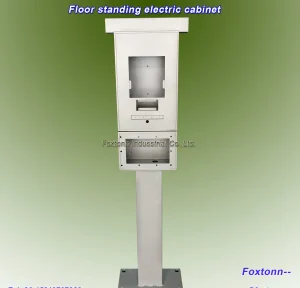
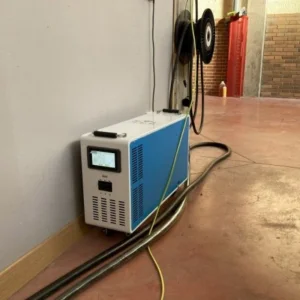
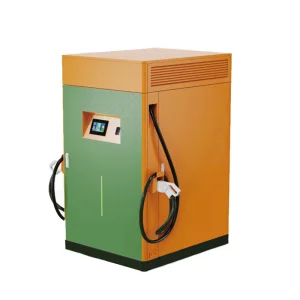
Heavy-Duty Fast Chargers, Structural Enclosures, and Advanced Microgrid Components

 Zap Charger